
Born a Crime vs A Promised Land: Which Should You Read?
A detailed comparison of Born a Crime by Trevor Noah and A Promised Land by Barack Obama. Discover the key differences, strengths, and which book is right for you.
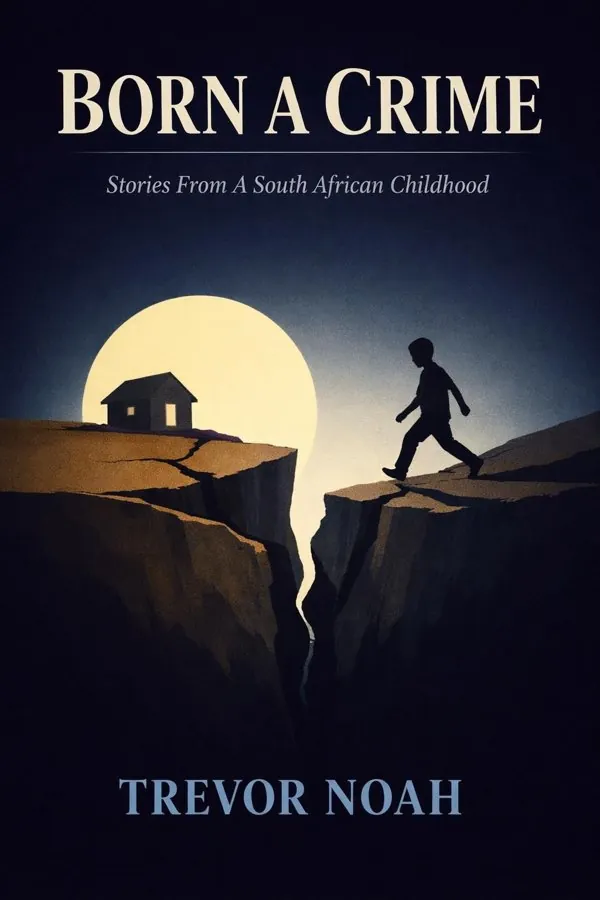
Born a Crime
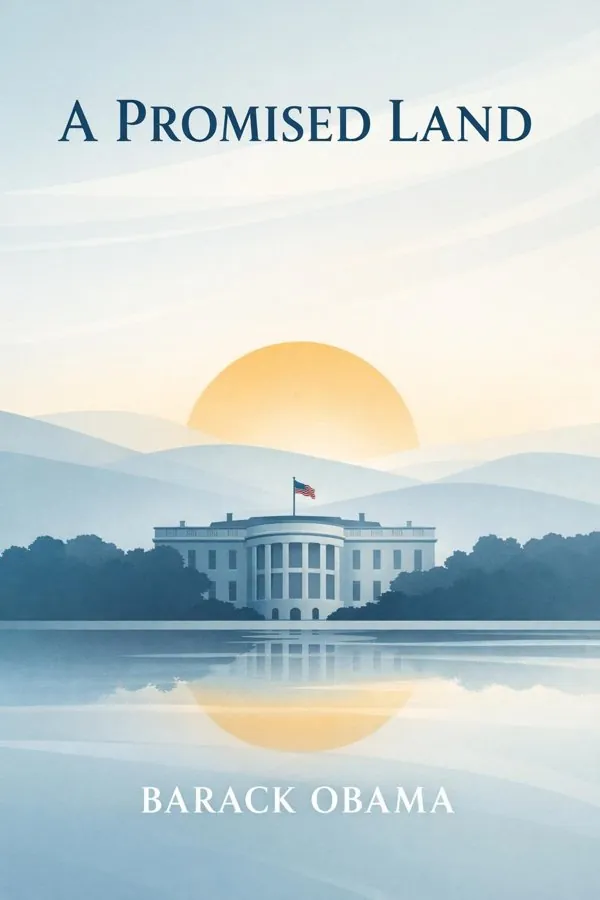
A Promised Land
In-Depth Analysis
Trevor Noah’s Born a Crime and Barack Obama’s A Promised Land are both memoirs by globally recognizable public figures, but they operate on very different narrative scales. Noah writes from the ground up: the child’s-eye view of a society structured by absurd and violent racial classifications. Obama writes from the top down: the perspective of a national leader trying to steer a democracy through war, recession, partisanship, and historic expectation. Read together, the books form a striking contrast between private formation and public responsibility, between the improvisations required to survive and the deliberations required to govern.
The most obvious link between the two books is identity. Both Noah and Obama are born to interracial parentage, and both understand early that race is not just personal but political. In Born a Crime, this is literalized by apartheid law: Noah’s existence as a mixed-race child is itself illegal. The title is not metaphorical flourish; it names the legal and social system that made his family structure criminal. He recounts how, in public, he often could not walk beside his mother because their relationship drew dangerous attention. This produces in the book a powerful sense that identity is experienced through everyday tactics—who touches whom, what language one speaks, where one stands, how one is categorized.
Obama’s account of mixed heritage is less immediately perilous but no less formative. In A Promised Land, his Kenyan father, Kansas-born mother, time in Hawaii and Indonesia, and later organizing work in Chicago all contribute to a selfhood shaped by movement across worlds. Yet where Noah’s childhood teaches him to read social boundaries for survival, Obama’s early life becomes a foundation for political imagination. His question is not simply where he fits, but how a pluralistic nation can be governed in a way that gives such complexity meaning. Identity in Noah is intimate and tactical; in Obama it becomes civic and interpretive.
Their mothers are central, but again in sharply different ways. Patricia Noah is arguably the heroic center of Born a Crime. She is daring, funny, deeply religious, unpredictable, and relentless in her insistence that Trevor’s life will not be determined by the limitations imposed on them. Her faith is not passive; Noah describes it as a kind of combativeness, visible in the family’s exhausting routine of attending multiple churches and in her refusal to submit to poverty or fear. She is also the emotional core of the book’s darkest material, especially the harrowing domestic abuse storyline that culminates in her being shot and surviving. Through her, Noah defines strength not as institutional authority but as spiritual and psychological refusal.
Obama’s memoir also emphasizes family, but with a different emotional texture. His mother appears as an ethical inheritance, and Michelle and his daughters represent the intimate cost of public duty. Whereas Patricia Noah drives the plot as an active force in scene after scene, Obama’s family often serves as counterweight and conscience amid the abstractions of policy and office. The emotional question in A Promised Land is not whether love can protect a child from social violence, but whether personal relationships can survive the relentless demands of historical responsibility.
Stylistically, the books could hardly be more different. Noah is a natural storyteller with a comedian’s instinct for pacing, reversal, and tonal contrast. He can explain apartheid’s Byzantine racial logic in a few clear sentences and then pivot into a hilarious or painful anecdote that shows its human consequences. His chapter on language is especially revealing: he shows that speaking Zulu, Xhosa, Tswana, or Afrikaans can alter how people perceive you, allowing him to cross boundaries that race alone would seem to fix. This is one of the memoir’s deepest insights: language is not just communication but social access, camouflage, and solidarity.
Obama, by contrast, writes with a statesman’s measured cadence. His sentences are often longer, his scenes more heavily contextualized, and his storytelling repeatedly pauses for analysis. He is less interested in punchline and more interested in process. The sections on the 2008 campaign, the economic crisis, and health care are not merely recollections; they are efforts to make institutional complexity legible. He shows how decisions emerge from competing advisers, partisan constraints, public messaging, and moral uncertainty. If Noah’s gift is turning systems into stories, Obama’s is turning stories into frameworks for understanding systems.
This difference matters for what each book teaches. Born a Crime excels at illuminating the microphysics of race, poverty, masculinity, and belonging. Noah’s hustles, friendships, church experiences, and negotiations with danger reveal how social structures are lived from below. A Promised Land excels at explaining the macro-level burdens of leadership: how democratic ideals are compromised, delayed, or preserved within institutions. Obama repeatedly returns to the tension between aspiration and implementation. His memoir asks what it means to do good when every available option is partial, contested, or morally mixed.
Emotionally, Noah’s memoir is more immediate and volatile. It moves from laughter to fear with startling speed, and its best scenes remain unforgettable because they are embodied and specific. Obama’s emotional force is steadier, emerging through accumulation: the loneliness of office, the symbolic pressure of being a historic first, and the frustration of confronting structural limits. One book grips the reader through dramatic episodes of family and survival; the other through the slow realization that power itself can be a form of confinement.
Ultimately, Born a Crime is the more intimate and instantly accessible book, while A Promised Land is the more expansive and institutionally analytical one. Noah helps readers understand how a racial order enters the body, the household, and the joke. Obama helps readers understand how ideals are filtered through bureaucracy, opposition, and history. Both are excellent, but they satisfy different kinds of curiosity: Noah answers how a person becomes resilient inside a broken society; Obama asks how a leader works to repair one.
Side-by-Side Comparison
| Aspect | Born a Crime | A Promised Land |
|---|---|---|
| Core Philosophy | Born a Crime centers on survival through adaptability, humor, and human connection. Trevor Noah presents identity as something negotiated through language, family, and social systems, with his mother’s faith and defiance serving as the memoir’s moral anchor. | A Promised Land is built around democratic idealism tested by institutional reality. Barack Obama frames politics as an imperfect but necessary arena where moral aspiration must be translated into compromise, policy, and sustained civic effort. |
| Writing Style | Noah writes in an episodic, anecdotal style that blends stand-up comic timing with sharp social observation. Chapters often begin with historical context and then move into vivid, self-contained stories such as being forced to hide his identity under apartheid or navigating township life through multilingual fluency. | Obama’s prose is expansive, reflective, and carefully architected, often moving from personal memory to constitutional principle and then to policy detail. The style is more essayistic than Noah’s, with long analytical passages on the financial crisis, health care reform, and foreign policy decision-making. |
| Practical Application | The practical lessons in Born a Crime are interpersonal and psychological: learn how language opens doors, how humor diffuses tension, and how resilience can be built under severe constraint. Readers can directly apply Noah’s insights about code-switching, cultural literacy, and the role of family narratives in shaping identity. | A Promised Land offers practical value for readers interested in leadership, coalition-building, negotiation, and public service. Its applications are strongest for students of politics, management, and governance, especially in showing how ideals survive through disciplined process rather than purity. |
| Target Audience | This memoir is highly accessible to general readers, including those new to nonfiction, because it tells intimate stories with immediacy and wit. It especially appeals to readers interested in race, coming-of-age narratives, global perspectives, and mother-son relationships. | Obama’s memoir is best suited to readers who enjoy political history, public leadership, and long-form reflection. It will resonate strongly with those curious about presidential decision-making, campaign strategy, and the machinery of American democracy. |
| Scientific Rigor | Born a Crime is not a research-driven text, but it is historically grounded and sociologically perceptive. Noah explains apartheid’s racial classifications and their absurd consequences with clarity, though the memoir prioritizes lived experience over documentation or formal analysis. | A Promised Land is also memoir rather than academic study, yet it demonstrates a higher degree of documentary and procedural rigor through policy detail, timelines, and institutional context. Obama frequently reconstructs debates, strategic trade-offs, and legislative constraints with near case-study precision. |
| Emotional Impact | Noah’s memoir delivers intense emotional contrast, shifting from hilarious episodes about hustling and teenage schemes to painful scenes of abandonment, poverty, and domestic violence. The book’s most affecting thread is Patricia Noah’s fierce, sacrificial love, culminating in her survival after being shot by her abusive husband. | Obama’s emotional impact is quieter but cumulative, rooted in the loneliness of leadership, the burden of expectations, and the moral weight of state power. Moments involving his family, the symbolism of his election, and the strain of governing during crisis provide emotional depth without the raw immediacy of Noah’s childhood stories. |
| Actionability | Its actionability lies in mindset: become observant, flexible, linguistically curious, and alert to social codes. Noah repeatedly demonstrates that understanding how people see themselves can be a practical survival skill, whether in schoolyards, churches, or informal business ventures. | Its actionability lies in leadership method: listen broadly, decide deliberately, communicate clearly, and accept that progress is often incremental. Obama shows how to evaluate competing interests, maintain composure under pressure, and pursue reform even when outcomes are partial. |
| Depth of Analysis | Born a Crime offers deep insight into race and class through micro-level storytelling rather than sustained theory. Noah’s analysis is strongest when he shows how apartheid shaped daily life down to where one could stand, speak, date, travel, or belong. | A Promised Land provides broader macro-level analysis, connecting biography to political institutions, electoral incentives, global diplomacy, and constitutional culture. Obama often steps back from events to ask what they reveal about national identity, democratic fragility, and the limits of executive power. |
| Readability | Born a Crime is highly readable, fast-paced, and structured in digestible chapters that each carry a memorable story and lesson. Even difficult material feels approachable because Noah’s humor and narrative momentum keep the book moving. | A Promised Land is polished and engaging but denser, requiring more concentration because of its length, policy detail, and reflective detours. Readers comfortable with long political narratives will find it rewarding, but it is less breezy than Noah’s memoir. |
| Long-term Value | The book has lasting value as both a personal story and an accessible lens on apartheid’s afterlives. It remains memorable because its insights about language, identity, and maternal influence are portable across cultures and generations. | The memoir’s long-term value is especially strong for readers interested in modern American history and leadership under crisis. It will likely endure as a major firsthand account of the 2008 election, the Great Recession, and the governing philosophy of the first Black U.S. president. |
Key Differences
Scale of Narrative
Born a Crime operates at the level of household, neighborhood, school, church, and township. A Promised Land operates at the level of state legislatures, Senate campaigns, cabinet rooms, and the White House, making one book intimate and the other institutional.
How Race Is Experienced
In Noah’s memoir, race is a daily survival problem enforced by apartheid law and social suspicion; being mixed-race determines where and how he can exist in public. In Obama’s memoir, race is central but mediated through representation, coalition politics, and the symbolic meaning of his rise to the presidency.
Narrative Engine
Noah’s chapters are powered by anecdotes: hiding from authorities, using language to cross boundaries, and navigating poverty with ingenuity. Obama’s chapters are powered by major decisions and their consequences, such as entering politics, running for national office, and governing through crisis.
Role of Family
Patricia Noah is a driving force inside Born a Crime, shaping Trevor’s worldview through risk-taking, faith, discipline, and fierce love. In A Promised Land, family is crucial but often appears as emotional ballast and moral grounding alongside the consuming demands of public office.
Use of Humor
Humor is structurally essential in Born a Crime; Noah uses it to expose absurdity, reduce distance, and survive pain. Obama includes wit and self-awareness, but humor is secondary to reflection, analysis, and explanation.
Type of Insight Offered
Born a Crime offers social insight from below, showing how systems are felt in everyday life. A Promised Land offers insight from above, showing how systems function, stall, and are managed from within formal power.
Reading Commitment
Noah’s memoir is relatively quick to finish and easy to recommend to almost any reader. Obama’s book asks for more time and concentration, but rewards that effort with historical depth and unusually detailed reflections on leadership.
Who Should Read Which?
Reader seeking an engaging, emotionally rich memoir with humor
→ Born a Crime
Trevor Noah’s storytelling is vivid, fast-moving, and often very funny, even when dealing with painful material. If you want a memoir that teaches you something serious while remaining highly entertaining and emotionally immediate, this is the stronger fit.
Reader interested in politics, public service, or leadership under pressure
→ A Promised Land
Obama’s memoir offers detailed insight into campaigning, governing, compromise, and decision-making at the highest levels. It is especially valuable for readers who want to understand how ideals interact with institutions, power, and crisis.
Reader focused on race, identity, and cross-cultural belonging
→ Born a Crime
Both books address these themes, but Noah’s treatment is more immediate and embodied because apartheid makes identity a daily lived problem. His use of language, code-switching, and social observation gives readers a particularly sharp understanding of how identity functions in practice.
Which Should You Read First?
Read Born a Crime first, then A Promised Land. Noah’s memoir is the better on-ramp because it is faster, funnier, and more immediately gripping. It introduces major themes both books share—race, mixed identity, parental influence, and the search for belonging—but does so through concrete scenes rather than long political analysis. That makes it ideal for building emotional and thematic context before moving into Obama’s broader meditation on leadership and democracy. Reading in this order also creates a useful progression from private life to public life. Born a Crime shows how social systems are experienced by a child navigating danger, language, class, and family instability in South Africa. A Promised Land then expands the lens, showing how one individual shaped by questions of identity and idealism confronts institutions at the highest level of American power. Noah gives you the human texture of structural inequality; Obama gives you the machinery of reform and governance. Starting with Noah makes Obama’s reflections feel less abstract and more connected to lived experience.
Want the full summary?
Get instant access to this book summary and 100K+ more with Fizz Moment.
Get Free SummaryAvailable on App Store • Free to download
Frequently Asked Questions
Is Born a Crime better than A Promised Land for beginners?
For most beginners, Born a Crime is the easier starting point. Trevor Noah’s memoir is shorter, more episodic, and driven by vivid scenes—his mother hiding him in public, his use of multiple languages to move between groups, and his teenage hustles all make the book immediately engaging. A Promised Land is highly readable for a political memoir, but it is much longer and includes substantial discussion of campaigns, legislation, economic crisis management, and foreign policy. If you are new to memoirs or nonfiction, Noah’s book is generally more accessible. If you already enjoy politics or history, Obama’s memoir may feel equally rewarding from the start.
Which memoir is more emotionally powerful: Born a Crime or A Promised Land?
Born a Crime is usually the more viscerally emotional read because its conflicts are immediate, domestic, and often dangerous. Patricia Noah’s sacrifices, Trevor’s loneliness as a child who does not neatly fit racial categories, and the shocking domestic violence episode near the end create intense emotional stakes. A Promised Land is emotional in a different register: it explores the strain of leadership, the symbolic burden of the presidency, and the tension between family life and public duty. Readers seeking raw, scene-based emotional impact often prefer Noah; readers drawn to reflective, morally weighty emotion may prefer Obama.
Is A Promised Land better than Born a Crime for readers interested in politics and leadership?
Yes, if your main interest is politics and leadership, A Promised Land is the stronger choice. Obama provides extensive insight into how campaigns are built, how legislative compromise works, how cabinet-level decisions are shaped, and how a president balances ideals with practical constraints. The memoir is especially strong on the 2008 campaign, the financial crisis, and the everyday mechanics of governing. Born a Crime certainly contains leadership lessons—particularly through Noah’s observations about communication, adaptability, and reading social situations—but its focus is personal formation rather than formal leadership within institutions.
How do Born a Crime and A Promised Land compare on race and identity?
Both memoirs are deeply concerned with race and mixed identity, but they approach the subject from different angles. In Born a Crime, race is enforced through apartheid’s legal categories, so Noah shows how identity is externally imposed and constantly policed in daily life. His existence as the child of a Black mother and white father has direct social and legal consequences. In A Promised Land, Obama treats race more as a historical and political force that shapes perception, coalition-building, and national meaning. Noah’s treatment is grounded in childhood survival and social navigation; Obama’s is grounded in civic belonging and democratic representation.
Which book has more practical life lessons: Born a Crime or A Promised Land?
That depends on what kind of life lessons you want. Born a Crime offers highly portable lessons about resilience, language, humor, entrepreneurship, and adapting to difficult environments. Noah repeatedly shows how speaking to people in their own language, understanding local codes, and staying mentally flexible can change outcomes. A Promised Land offers lessons in strategic leadership: patience, coalition-building, decision-making under uncertainty, and maintaining moral purpose amid compromise. For everyday interpersonal wisdom, Noah may feel more directly useful. For readers managing teams, institutions, or public-facing responsibilities, Obama’s lessons may be more applicable.
Which is more readable for a general audience: Born a Crime or A Promised Land?
Born a Crime is more readable for a broad general audience because it moves quickly and relies on memorable stories rather than prolonged policy exposition. Even when Noah is teaching readers about apartheid, he does so through concrete examples that are easy to follow and hard to forget. A Promised Land is elegantly written, but it demands more attention because of its length and the complexity of the issues it covers. Readers who enjoy journalism, history, or political biographies will likely find Obama’s memoir very readable, but casual readers usually move through Noah’s book faster.
The Verdict
If you want the stronger literary memoir, the more immediate emotional experience, and the most accessible entry point, choose Born a Crime. Trevor Noah’s book is exceptionally good at making structural injustice visible through lived detail. Its scenes are memorable, its humor never dilutes the seriousness of apartheid and poverty, and Patricia Noah emerges as one of the most unforgettable parental figures in contemporary memoir. It is the book most likely to move a wide range of readers quickly and deeply. If you want the stronger book on leadership, governance, and democratic complexity, choose A Promised Land. Barack Obama gives readers rare access to the psychological and institutional realities of presidential power. His reflections on campaigning, compromise, and crisis reveal how ideals are tested when they collide with bureaucracy, partisan opposition, and global consequence. It is less propulsive than Noah’s memoir, but more expansive in scope and more analytically rewarding for readers interested in politics. Overall, Born a Crime is the better all-around recommendation for most readers because it combines clarity, narrative energy, humor, and emotional force with unusual consistency. A Promised Land is the better specialized recommendation for politically engaged readers, students of public leadership, or anyone wanting an insider account of modern American government. Ideally, read both: Noah for the formation of character under pressure, Obama for the exercise of character in power.
Related Comparisons
Want to read both books?
Get AI-powered summaries of both Born a Crime and A Promised Land in just 20 minutes total.