
Greenlights vs A Promised Land: Which Should You Read?
A detailed comparison of Greenlights by Matthew McConaughey and A Promised Land by Barack Obama. Discover the key differences, strengths, and which book is right for you.
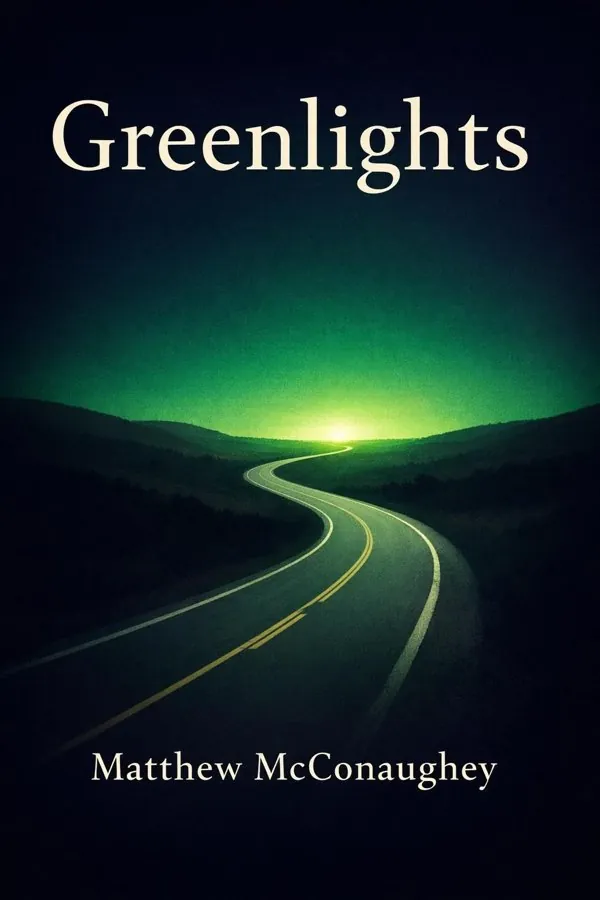
Greenlights
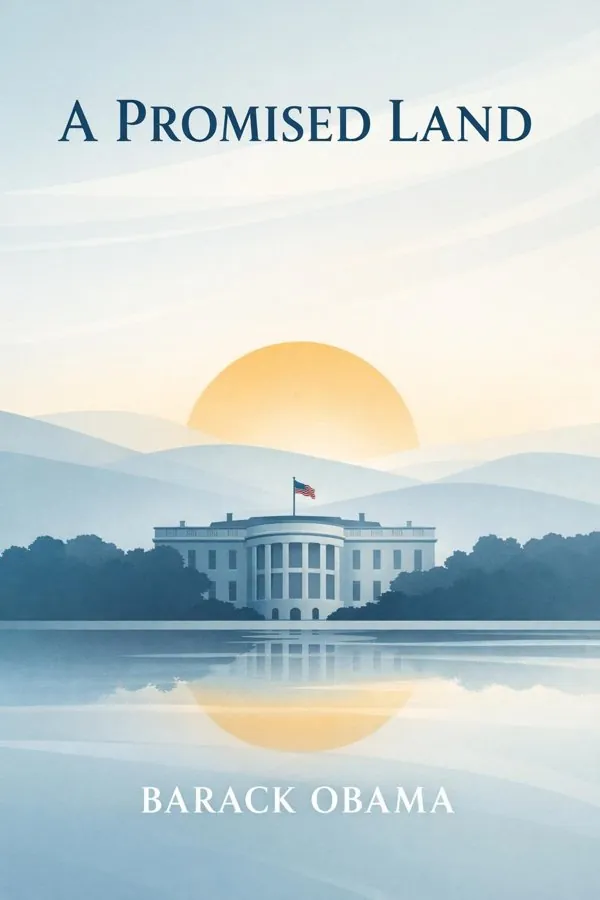
A Promised Land
In-Depth Analysis
Matthew McConaughey's Greenlights and Barack Obama's A Promised Land are both memoirs by public figures, but they operate on strikingly different scales of meaning. Greenlights is a personal philosophy book disguised as a celebrity memoir; A Promised Land is a presidential memoir that uses autobiography to illuminate power, governance, and democratic fragility. Both authors look backward in order to explain how a self gets made, yet McConaughey's central question is how to live freely and authentically, while Obama's is how to act morally and effectively within institutions larger than oneself.
Greenlights is built from journals McConaughey kept for decades, and that archival origin shapes the book's texture. Rather than moving with strict chronology, it often reads like a scrapbook of identity: childhood in Uvalde, Texas; the rough-and-loving parental dynamic he portrays as foundational; his shift away from law toward acting; and his later effort to escape being boxed in by romantic-comedy fame. The recurring metaphor of 'greenlights' turns the memoir into a worldview: red lights and yellow lights may, with time or perspective, reveal themselves as green. That idea gives unity to stories that might otherwise feel episodic. His Texas upbringing is not mere background but the forge of his ethics—risk-taking, masculine competition, storytelling, faith, and instinctive self-trust.
Obama, by contrast, is much more committed to chronology, causality, and context. A Promised Land begins with his multinational and multiracial early life—Hawaii, Indonesia, Chicago—and traces how that composite identity informed his political imagination. Where McConaughey turns family mythology into lessons for self-fashioning, Obama turns biography into a study of civic formation. His move into the Illinois State Senate, and later into national politics, is presented not simply as ambition but as a test: can ideals survive contact with compromise? This question remains central throughout the memoir, especially as he recounts the 2008 campaign and the pressures of the presidency. He is consistently interested in structures—party polarization, legislative incentives, military constraints, media narratives—not just personal intention.
The two books also differ sharply in voice. McConaughey's prose is kinetic, aphoristic, and deliberately oversized. He writes like a man leaning across a table, turning every anecdote into a parable. That can be exhilarating: the book is full of quotable lines and energetic scene-making, and even his account of career recalibration becomes a kind of rough-edged manifesto for refusing false versions of success. But the same stylization can also make the memoir feel curated around a persona. The voice is authentic in the sense that it is unmistakably his, yet it is also performative; readers are constantly aware that McConaughey is narrating not just events but the legend of 'McConaughey.'
Obama's voice is less flamboyant but more layered analytically. He is introspective without becoming confessional for its own sake. In recounting his Senate run, decision to seek the presidency, and campaign strategy, he repeatedly pauses to explain not only what happened but how it felt to make choices amid imperfect information and conflicting obligations. This reflective density gives the book more intellectual weight. Even when discussing personal material—his marriage, fatherhood, doubts, exhaustion—he links it to the larger responsibilities of office. The private self is never wholly separable from the public role.
In terms of emotional impact, Greenlights wins through immediacy. Its family scenes, especially the chaotic tenderness and volatility of his parents, generate a strong emotional charge because they feel like the source code of his later confidence and restlessness. His movement through adventure, failure, and reinvention also creates a compelling emotional arc: not merely from obscurity to fame, but from external success to self-definition. Yet A Promised Land may ultimately have the deeper emotional resonance because its stakes are not only personal. Obama's reflections on leadership carry the burden of consequence. Decisions are not just character-building episodes but events with national and international costs. The emotional pressure of balancing principle, compromise, and responsibility gives the memoir a gravity Greenlights does not seek.
The books are similarly distinct in what they offer readers practically. Greenlights is highly usable as a mindset text. Its lessons—keep journals, trust intuition, accept hardship as part of the path, remain open to reinvention—are broad but energizing. Readers facing career transitions or personal uncertainty may find its central metaphor especially helpful because it reframes frustration without denying it. A Promised Land is less slogan-ready but more concretely instructive for readers interested in leadership. Obama's portraits of campaigning, coalition-building, and governing demonstrate how listening, patience, and strategic compromise function in the real world. If McConaughey teaches resilience of self, Obama teaches discipline of responsibility.
Their limitations mirror their strengths. Greenlights can at times flatten complexity into philosophy: because McConaughey is committed to converting experience into 'greenlights,' there is a tendency to make chaos retrospectively meaningful. Obama, meanwhile, can seem overexplanatory to readers who want intimacy rather than policy and process. His caution and nuance are intellectually admirable, but they reduce spontaneity.
Ultimately, these memoirs belong to different subgenres. Greenlights is for readers who want vitality, self-invention, and a memorable personal credo. A Promised Land is for readers who want a serious account of how ideals confront power. One asks how to ride life well; the other asks how to govern honorably in history. Read together, they show two versions of maturity: one built through embracing life's unpredictable signals, the other through carrying obligations that no slogan can solve.
Side-by-Side Comparison
| Aspect | Greenlights | A Promised Land |
|---|---|---|
| Core Philosophy | Greenlights argues that life becomes richer when you learn to recognize setbacks, detours, and pain as potential 'greenlights' rather than permanent obstacles. McConaughey frames meaning as a matter of attitude, resilience, and personal authenticity shaped by lived experience. | A Promised Land is grounded in the belief that democracy is morally worthwhile but structurally difficult, requiring patience, compromise, and disciplined civic engagement. Obama presents leadership as a continual balancing act between ideals and institutional limits. |
| Writing Style | McConaughey writes in a loose, conversational, highly performative voice full of aphorisms, journal fragments, family lore, and swagger. The prose often feels oral and improvisational, as if he is telling stories from a porch rather than constructing a linear memoir. | Obama writes with measured, elegant, reflective prose that blends autobiography with political history. His sentences are more architected and explanatory, often slowing down to unpack policy dilemmas, campaign strategy, or moral ambiguity. |
| Practical Application | The book offers mindset-oriented lessons: take risks, reframe rejection, trust instinct, and cultivate self-knowledge through hardship. Its guidance is practical in a motivational sense, though often filtered through McConaughey's unusually adventurous life and celebrity career. | Obama provides practical insight into leadership, negotiation, coalition-building, and decision-making under pressure. Readers interested in public service, management, or organizational politics will find more directly transferable lessons about process and responsibility. |
| Target Audience | Greenlights will appeal most to readers who enjoy memoirs with personality, humor, masculine self-mythology, and inspirational takeaways. Fans of creative careers, personal reinvention, and unconventional life stories are likely to connect with it most strongly. | A Promised Land is best suited to readers interested in politics, governance, presidential history, and the mechanics of democratic power. It also rewards readers who enjoy reflective memoirs that situate private life within national and global events. |
| Scientific Rigor | Greenlights is not a research-driven book and makes no serious claim to empirical rigor; its authority comes from anecdote, intuition, and accumulated personal reflection. Its lessons are persuasive when emotionally resonant, not when systematically proven. | A Promised Land is also memoir rather than academic analysis, but it demonstrates greater factual density and institutional specificity. Obama frequently anchors his reflections in documented events, policy debates, military decisions, and legislative realities. |
| Emotional Impact | McConaughey's emotional force comes from vulnerability mixed with bravado: stories of his volatile but loving parents, his wanderings, and his fight to remain himself under fame. The result is intimate, funny, and sometimes unexpectedly tender. | Obama's emotional impact is quieter but deeper in cumulative effect, especially when he describes the burdens of office, the strain on family life, and the moral cost of war and political compromise. The memoir gains power from restraint rather than theatricality. |
| Actionability | Its actionability lies in personal orientation: keep journals, reinterpret failure, pursue what feels true, and stay open to life's turns. The advice is memorable and quotable, but often broad enough that readers must translate it into their own circumstances. | Obama's memoir offers actionability through examples of deliberation, listening, coalition management, and long-horizon thinking. Readers can draw concrete lessons about handling disagreement, making incomplete-information decisions, and preserving principle while governing. |
| Depth of Analysis | Greenlights prioritizes self-curation and insight over systematic analysis, often moving quickly from anecdote to lesson. Its depth is existential and temperamental rather than analytical, asking how to live rather than how systems work. | A Promised Land is substantially deeper in analytical terms, especially in its treatment of campaigns, legislative bargaining, foreign policy, and the emotional mathematics of leadership. Obama repeatedly examines not just what happened, but why institutions behave as they do. |
| Readability | Greenlights is fast, energetic, and easy to dip into because of its episodic structure and punchy voice. Even readers who do not usually read memoirs may find it accessible because it operates through scenes, sayings, and momentum. | A Promised Land is highly readable for a long political memoir, but it demands more sustained attention because of its scale and detail. Readers looking for narrative immersion rather than quick inspiration will appreciate its steadier rhythm. |
| Long-term Value | Its long-term value lies in its memorable philosophy and re-readable snippets of life wisdom, especially for readers returning during moments of transition. It functions well as a morale-boosting companion text. | Its long-term value is greater for readers who want an enduring account of a historical presidency and a nuanced meditation on democratic leadership. It is more likely to remain useful as both memoir and political document. |
Key Differences
Scale of Subject Matter
Greenlights focuses on the formation of a personal philosophy through family stories, travel, acting, and self-reinvention. A Promised Land operates on a national and global scale, using Obama's life to explain campaigns, governance, and the weight of presidential decision-making.
Persona vs Public Duty
McConaughey's memoir is deeply tied to persona; even his most vulnerable moments are filtered through his distinctive voice and mythmaking style. Obama's memoir is less about building a legend than about explaining how a public servant navigates duty, compromise, and accountability.
Structure and Momentum
Greenlights is fragmented and aphoristic, drawing energy from journal entries, short scenes, and thematic leaps. A Promised Land is more linear and cumulative, building its force through context, chronology, and careful reflection on political turning points.
Type of Wisdom Offered
Greenlights offers personal wisdom: how to reinterpret failure, trust instinct, and stay authentic during change. A Promised Land offers civic and strategic wisdom: how to negotiate, govern, absorb opposition, and preserve principle amid institutional pressure.
Emotional Register
McConaughey aims for exuberance, vulnerability, humor, and rough-edged charm, especially in scenes involving his parents and his career pivots. Obama works in a calmer register, creating emotion through restraint, introspection, and the moral seriousness of consequential choices.
Use of Detail
Greenlights uses selective detail to amplify mood, personality, and lesson, often moving quickly from event to takeaway. A Promised Land uses detail analytically, especially when discussing Senate campaigns, the 2008 race, and the realities of governing within competing pressures.
Re-read Value
Greenlights is easier to revisit in fragments because its insights are packaged in memorable lines and short episodes. A Promised Land rewards re-reading for different reasons: it reveals additional nuance about democracy, leadership, and historical events each time you return to it.
Who Should Read Which?
Reader seeking motivation during a career or life transition
→ Greenlights
McConaughey's memoir is built around reframing setbacks as opportunities, making it especially appealing to readers dealing with uncertainty, reinvention, or stalled momentum. Its conversational voice and memorable philosophy make it easy to extract encouragement without heavy commitment.
Reader interested in politics, institutions, and leadership under pressure
→ A Promised Land
Obama provides a detailed account of how values collide with real-world constraints in campaigns, legislatures, and the presidency. Readers who want more than inspiration—who want process, complexity, and responsibility—will get far more from this book.
Reader who enjoys memoirs with strong voice but also wants substance
→ A Promised Land
Although Greenlights has the flashier voice, Obama's memoir combines a polished narrative style with greater analytical depth and historical relevance. It is the better fit for readers who want literary control, emotional intelligence, and broad intellectual payoff in the same book.
Which Should You Read First?
For most readers, the best order is to read Greenlights first and A Promised Land second. Greenlights is quicker, lighter on context, and easier to enter because its structure is episodic and its lessons are immediate. Beginning with McConaughey lets you start with momentum: family stories from Texas, the shift from law to acting, and the philosophy of turning life's red and yellow lights into green ones. It can prime you to think about memoir as a form of meaning-making. Then move to A Promised Land when you are ready for a more sustained and demanding book. Obama's memoir benefits from patient reading because it layers personal history with campaign strategy, legislative reality, and reflections on leadership. Reading it second creates an interesting contrast: after McConaughey's highly individual philosophy, Obama shows what happens when ideals must function inside institutions and under public scrutiny. If you are primarily interested in politics, you can reverse the order, but for general readers the McConaughey-to-Obama sequence is the smoother and more rewarding progression.
Want the full summary?
Get instant access to this book summary and 100K+ more with Fizz Moment.
Get Free SummaryAvailable on App Store • Free to download
Frequently Asked Questions
Is Greenlights better than A Promised Land for beginners?
For most beginners, Greenlights is the easier entry point. Its chapters are more episodic, the prose is breezier, and McConaughey's stories move quickly from childhood in Texas to college, acting, fame, and personal philosophy. You do not need background knowledge to enjoy it. A Promised Land is still accessible, but it is much longer and more demanding because Obama includes campaign strategy, legislative context, and the complexities of governing. If you are new to memoirs and want momentum, humor, and life lessons, start with Greenlights. If you are new to political memoir specifically, A Promised Land is an excellent but more substantial first step.
Which memoir is more inspiring: Greenlights or A Promised Land?
They inspire in different ways. Greenlights is more immediately motivational because McConaughey turns nearly every major episode into a lesson about resilience, instinct, and reframing adversity. His 'greenlight' metaphor is designed to energize readers in their own lives. A Promised Land is more quietly inspiring. Obama's story inspires through patience, discipline, and an almost stubborn belief that democratic work still matters despite compromise and disappointment. If you want personal encouragement and a strong self-help-adjacent message, Greenlights will feel more inspiring. If you are moved by leadership, public service, and moral seriousness under pressure, A Promised Land will likely resonate more deeply.
Is A Promised Land better than Greenlights for understanding leadership?
Yes, A Promised Land is clearly stronger if your main goal is understanding leadership. Obama shows leadership not as charisma alone but as process: listening to advisers, making decisions with incomplete information, managing opposition, balancing ideals with compromise, and carrying the emotional burden of consequences. Greenlights contains leadership lessons too, especially about self-trust and authenticity, but they are mostly individual and psychological rather than institutional. McConaughey teaches how to steer your own life; Obama teaches how to lead within systems where every choice affects other people. For management, politics, civic leadership, or strategic thinking, Obama's memoir is the more substantive guide.
Which book has more practical life advice, Greenlights or A Promised Land?
Greenlights has more overt life advice. McConaughey frequently extracts direct lessons from his experiences, whether he is writing about his Texas upbringing, changing career direction, or navigating success without losing authenticity. The book is designed to be mined for quotable principles. A Promised Land offers practical wisdom too, but it is less packaged as advice and more embedded in case studies of political and personal decision-making. Readers interested in everyday mindset shifts, confidence, and reinvention may find Greenlights more immediately useful. Readers interested in conflict resolution, long-term thinking, and responsibility under pressure may find Obama's lessons more durable, even if they are less explicitly framed.
Greenlights vs A Promised Land: which is more emotionally powerful?
If by emotional power you mean vivid personality and intimate storytelling, Greenlights often lands faster. McConaughey's stories about his parents, youth, ambitions, and struggles with fame are colorful and personal, and his voice gives them immediacy. But A Promised Land often has greater emotional weight because the stakes extend beyond the self. Obama's reflections on family strain, the loneliness of command, and the burden of decisions made in office accumulate slowly but powerfully. Greenlights is emotionally vivid; A Promised Land is emotionally grave. Which feels stronger depends on whether you respond more to raw personal energy or to reflective seriousness shaped by historical responsibility.
Should I read Greenlights or A Promised Land if I do not usually like politics?
If you do not usually like politics, Greenlights is the safer choice. It is driven by character, anecdotes, family dynamics, and a strong philosophy of living, so it works even for readers who simply want an entertaining memoir with takeaways. That said, A Promised Land may still surprise some nonpolitical readers because Obama writes with unusual clarity and introspection, and the book is not just about policy—it is also about identity, ambition, marriage, purpose, and compromise. Still, its core subject remains political life. If politics tends to tire you, read Greenlights first, then try A Promised Land only if you become interested in a more thoughtful, historically grounded memoir.
The Verdict
If you want a memoir that is lively, quotable, and immediately energizing, choose Greenlights. Matthew McConaughey offers a highly readable blend of Texas family mythology, career reinvention, romantic self-invention, and practical optimism. The book's great strength is not factual comprehensiveness but vitality: it gives readers a memorable lens for interpreting setbacks and pursuing authenticity. It is best read as a charismatic philosophy of living rather than as a fully rigorous autobiographical account. If you want depth, historical substance, and a serious meditation on leadership, choose A Promised Land. Barack Obama delivers a richer analytical experience, connecting his early life, political rise, and presidential responsibilities into a coherent account of how ideals survive—or fail to survive—within democratic institutions. It is longer and more demanding, but also more rewarding if you care about politics, power, compromise, and public ethics. As a standalone recommendation, A Promised Land is the stronger book in literary and intellectual terms. It offers greater depth, broader relevance, and more enduring value as both memoir and political history. But Greenlights may be the better fit for readers seeking momentum, emotional accessibility, and personal inspiration. In short: read Greenlights for energy and self-reinvention; read A Promised Land for insight and seriousness. The better book depends less on quality alone than on whether you want a guide for living or a study of leadership in history.
Related Comparisons
Want to read both books?
Get AI-powered summaries of both Greenlights and A Promised Land in just 20 minutes total.