

Vaclav Smil Books
Vaclav Smil is a Czech-Canadian scientist and policy analyst known for his interdisciplinary research on energy, environment, technology, and history. He is a Distinguished Professor Emeritus at the University of Manitoba and the author of more than forty books examining the interplay between technology, energy, and civilization.
Known for: Grand Transitions: How the Modern World Was Made, How the World Really Works: The Science Behind How We Got Here and Where We're Going, Invention and Innovation, Invention and Innovation: A Brief History of Hype and Failure, Making the Modern World: Materials and Dematerialization, Should We Eat Meat?: Evolution and Consequences of Modern Carnivory
Books by Vaclav Smil
Grand Transitions: How the Modern World Was Made
Grand Transitions: How the Modern World Was Made es un análisis exhaustivo de las transformaciones fundamentales que han dado forma al mundo moderno. Vaclav Smil examina cinco grandes transiciones —en...
How the World Really Works: The Science Behind How We Got Here and Where We're Going
In this book, Vaclav Smil explores the fundamental systems that underpin modern civilization — from energy and food production to materials, globalization, and the environment. Drawing on decades of r...
Invention and Innovation
This book explores the complex processes behind technological invention and innovation, examining how new ideas emerge, evolve, and transform societies. Vaclav Smil analyzes historical examples and th...
Invention and Innovation: A Brief History of Hype and Failure
In this book, Vaclav Smil explores the complex history of technological innovation, emphasizing that progress is rarely linear or predictable. He examines both celebrated and forgotten inventions, sho...
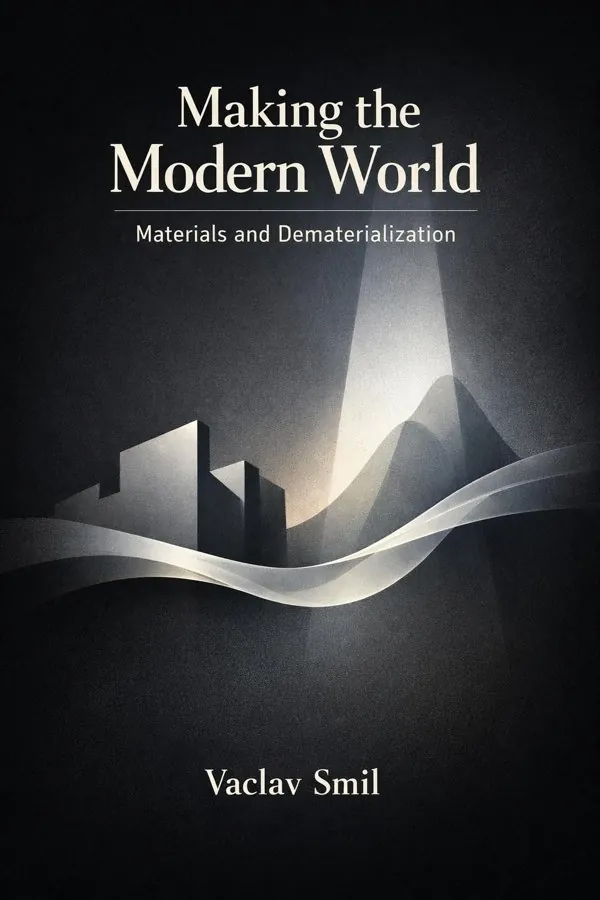
Making the Modern World: Materials and Dematerialization
This book by Vaclav Smil explores the role of materials in shaping modern civilization, analyzing how material flows and consumption have evolved over time. It examines the historical and technologica...
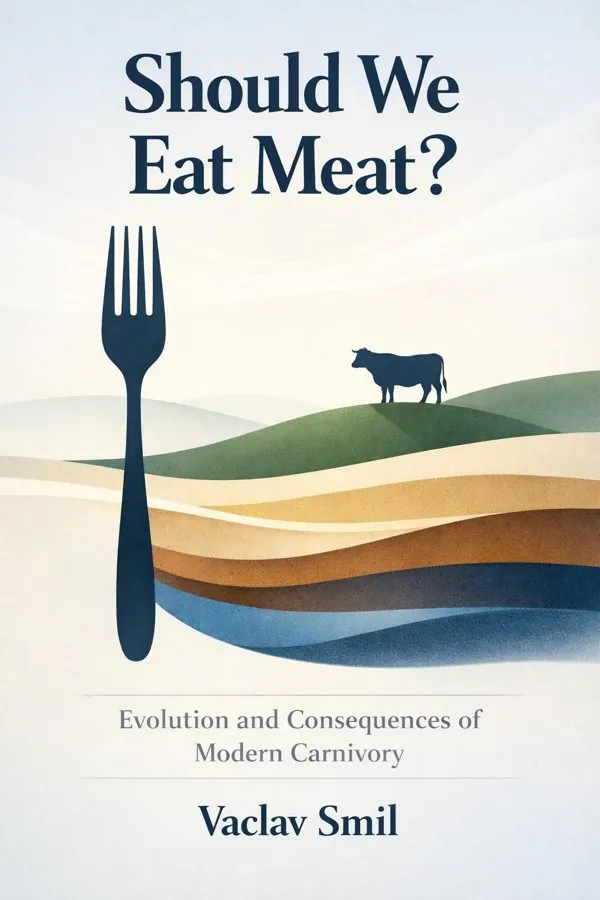
Should We Eat Meat?: Evolution and Consequences of Modern Carnivory
Should We Eat Meat?: Evolution and Consequences of Modern Carnivory is a wide-ranging examination of one of the most emotionally charged and materially important questions in modern life: why humans e...
Key Insights from Vaclav Smil
Population Transition
Population change is the most fundamental of the grand transitions. Before the industrial age, human numbers grew slowly, constrained by high mortality and limited resources. The great demographic acceleration began only after agriculture improved and public health advanced. The industrial revolutio...
From Grand Transitions: How the Modern World Was Made
Agricultural Transition
The transformation of agriculture marks humanity’s oldest and most decisive economic reconfiguration. For millennia, subsistence farming dominated, limited by soil fertility and muscle power. The modern agricultural transition begins when mechanization, fertilizers, and fossil fuels combine to decou...
From Grand Transitions: How the Modern World Was Made
Energy and Civilization
Energy is the invisible pulse that animates every civilization. Whether we look at a hunter gathering wood to cook a meal or an engineer overseeing turbines in a massive power plant, the story of humanity is one of continuous energy transformation. In this chapter, I trace that trajectory—from the f...
From How the World Really Works: The Science Behind How We Got Here and Where We're Going
Fossil Fuels and Their Dominance
Coal, oil, and natural gas—these three substances represent the geological inheritance upon which our civilization was built. Each contributes differently to our energetic landscape, yet together they deliver over four-fifths of all primary energy consumed on Earth. In this section I explain not onl...
From How the World Really Works: The Science Behind How We Got Here and Where We're Going
Historical Overview of Invention
Every age thinks it is the most innovative in history, yet our capacity to imagine the future depends on understanding how technological creativity evolved. In the earliest stages of human culture, invention meant pure survival. The shaping of stone tools or the use of fire were cognitive leaps, sho...
From Invention and Innovation
The Process of Invention
Invention is not a sudden spark; it is an iterative dance between curiosity, persistence, and failure. My studies across disciplines consistently show that major inventions rarely arise from a single epiphany. They emerge from long cycles of experimentation, trial and error, and adaptation of existi...
From Invention and Innovation
About Vaclav Smil
Vaclav Smil is a Czech-Canadian scientist and policy analyst known for his interdisciplinary research on energy, environment, technology, and history. He is a Distinguished Professor Emeritus at the University of Manitoba and the author of more than forty books examining the interplay between techno...
Read more
Vaclav Smil is a Czech-Canadian scientist and policy analyst known for his interdisciplinary research on energy, environment, technology, and history. He is a Distinguished Professor Emeritus at the University of Manitoba and the author of more than forty books examining the interplay between techno...
Vaclav Smil is a Czech-Canadian scientist and policy analyst known for his interdisciplinary research on energy, environment, technology, and history. He is a Distinguished Professor Emeritus at the University of Manitoba and the author of more than forty books examining the interplay between technology, energy, and civilization.


Frequently Asked Questions
Vaclav Smil is a Czech-Canadian scientist and policy analyst known for his interdisciplinary research on energy, environment, technology, and history. He is a Distinguished Professor Emeritus at the University of Manitoba and the author of more than forty books examining the interplay between technology, energy, and civilization.
Read Vaclav Smil's books in 15 minutes
Get AI-powered summaries with key insights from 6 books by Vaclav Smil.