

Why Buddhism Is True: The Science and Philosophy of Meditation and Enlightenment: Summary & Key Insights
 10 min4 chaptersAudio available
What Is Why Buddhism Is True: The Science and Philosophy of Meditation and Enlightenment About?
Why Buddhism Is True: The Science and Philosophy of Meditation and Enlightenment by Robert Wright is a western_phil book spanning 4 pages. In this book, Robert Wright explores how evolutionary psychology and neuroscience can explain the insights of Buddhist philosophy. He argues that the human mind evolved to create illusions that cause suffering, and that mindfulness meditation offers a scientifically grounded way to see through these illusions and achieve greater well-being. Wright connects modern cognitive science with ancient Buddhist teachings, showing how they converge on a shared understanding of the mind and reality.
This FizzRead summary covers all 4 key chapters of Why Buddhism Is True: The Science and Philosophy of Meditation and Enlightenment in approximately 10 minutes, distilling the most important ideas, arguments, and takeaways from Robert Wright's work. Also available as an audio summary and Key Quotes Podcast.
Why Buddhism Is True: The Science and Philosophy of Meditation and Enlightenment
In this book, Robert Wright explores how evolutionary psychology and neuroscience can explain the insights of Buddhist philosophy. He argues that the human mind evolved to create illusions that cause suffering, and that mindfulness meditation offers a scientifically grounded way to see through these illusions and achieve greater well-being. Wright connects modern cognitive science with ancient Buddhist teachings, showing how they converge on a shared understanding of the mind and reality.
Who Should Read Why Buddhism Is True: The Science and Philosophy of Meditation and Enlightenment?
This book is perfect for anyone interested in western_phil and looking to gain actionable insights in a short read. Whether you're a student, professional, or lifelong learner, the key ideas from Why Buddhism Is True: The Science and Philosophy of Meditation and Enlightenment by Robert Wright will help you think differently.
- ✓Readers who enjoy western_phil and want practical takeaways
- ✓Professionals looking to apply new ideas to their work and life
- ✓Anyone who wants the core insights of Why Buddhism Is True: The Science and Philosophy of Meditation and Enlightenment in just 10 minutes
Want the full summary?
Get instant access to this book summary and 100K+ more with Fizz Moment.
Get Free SummaryAvailable on App Store • Free to download
Key Chapters
One of the most revolutionary claims in Buddhist philosophy is that there is no fixed 'self.' The doctrine of anatta—non-self—asserts that what we consider the core of our being is merely a stream of consciousness, ever-changing perceptions, and emotions. In modern cognitive science, this idea finds surprising validation. Neuroscientific studies demonstrate that the feeling of unity and continuity we call the self is constructed from various brain regions integrating sensory and emotional data. The self is therefore not an entity but an experience, a convenient narrative our mind tells for functional coherence.
From an evolutionary standpoint, this illusion makes sense. A sense of self promotes survival by creating the drive to protect and advance one’s interests. Yet, it also breeds anxiety and greed. When we meditate, we begin to notice the boundaries of this supposed self dissolve. Thoughts, emotions, and sensations arise and pass away independently of any permanent observer. This experience directly challenges the idea that we are captains steering the ship of consciousness. The mind is a theater where actors—each sensation, each thought—enter and exit automatically.
When mindfulness opens this awareness, the psychological consequences are radical. The ego’s demands soften because we realize that 'I' am not necessarily the author of thought or feeling. This recognition is not abstract—it is experiential. It liberates us from the relentless pressure to fix, justify, and defend a phantom identity. In that space, compassion and ease naturally arise. Seeing the illusion of self doesn’t diminish individuality—it contextualizes it, revealing the mind as a system constructed more for survival than for truth.
If the illusion of self is the architecture of our confusion, the evolutionary origin of suffering is its blueprint. Natural selection optimized our ancestors for reproductive success, not happiness. Our brains were sculpted to ensure that satisfaction was temporary—desire would reappear, driving us toward continuous striving. Pleasure serves a biological function: it incentivizes certain behavior, then withdraws so the behavior persists. From the Buddhist perspective, this cycle perfectly describes samsara, the endless round of craving and discontent.
In evolutionary psychology, emotions like envy, anxiety, and dissatisfaction kept us vigilant and competitive. But in the modern world, these same emotions are chronic malfunctions. We now pursue rewards that are virtual—status symbols, digital validation, consumption—that provoke the same biochemical patterns. The result is a cognitive loop of endless wanting.
Meditation exposes this cycle by slowing the operation of desire. When we simply observe craving rather than obey it, we begin to see its impermanence. The pleasure that once seemed necessary becomes optional. In this way, mindfulness reprograms the brain’s reward system: it reminds us that craving is not reality itself but a neural echo of evolutionary history. Seeing this clearly is the first freedom that Buddhism promises—the end of suffering through understanding its cause.
+ 2 more chapters — available in the FizzRead app
All Chapters in Why Buddhism Is True: The Science and Philosophy of Meditation and Enlightenment
About the Author
Robert Wright is an American author and journalist known for his works on science, religion, and philosophy. He has written for The New Yorker, The Atlantic, and The New York Times, and teaches courses on Buddhism and modern psychology. His previous books include 'The Moral Animal' and 'Nonzero'.
Get This Summary in Your Preferred Format
Read or listen to the Why Buddhism Is True: The Science and Philosophy of Meditation and Enlightenment summary by Robert Wright anytime, anywhere. FizzRead offers multiple formats so you can learn on your terms — all free.
Available formats: App · Audio · PDF · EPUB — All included free with FizzRead
Download Why Buddhism Is True: The Science and Philosophy of Meditation and Enlightenment PDF and EPUB Summary
Key Quotes from Why Buddhism Is True: The Science and Philosophy of Meditation and Enlightenment
“One of the most revolutionary claims in Buddhist philosophy is that there is no fixed 'self.”
“If the illusion of self is the architecture of our confusion, the evolutionary origin of suffering is its blueprint.”
Frequently Asked Questions about Why Buddhism Is True: The Science and Philosophy of Meditation and Enlightenment
Why Buddhism Is True: The Science and Philosophy of Meditation and Enlightenment by Robert Wright is a western_phil book that explores key ideas across 4 chapters. In this book, Robert Wright explores how evolutionary psychology and neuroscience can explain the insights of Buddhist philosophy. He argues that the human mind evolved to create illusions that cause suffering, and that mindfulness meditation offers a scientifically grounded way to see through these illusions and achieve greater well-being. Wright connects modern cognitive science with ancient Buddhist teachings, showing how they converge on a shared understanding of the mind and reality.
More by Robert Wright

You Might Also Like
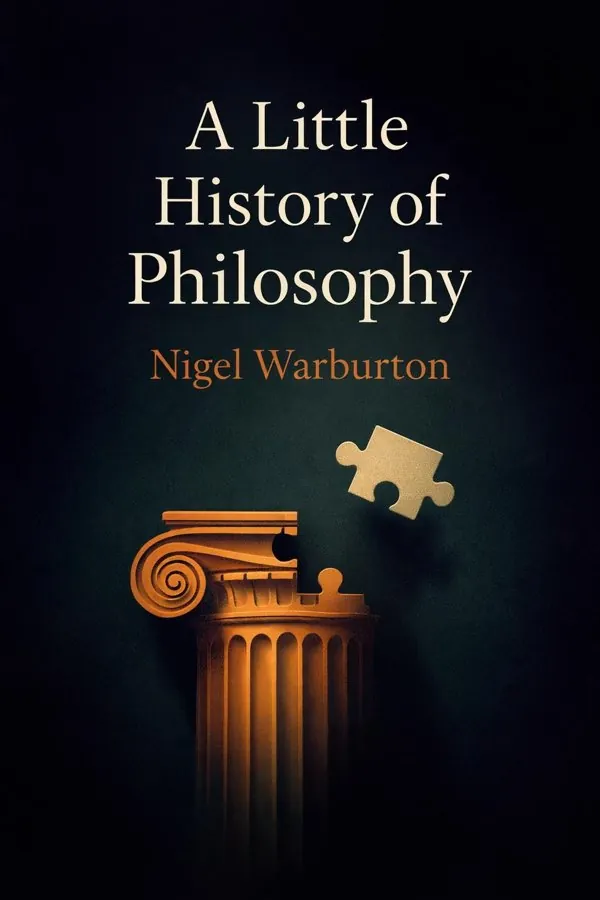
A Little History of Philosophy
Nigel Warburton
10 min
Areopagitica
John Milton
10 min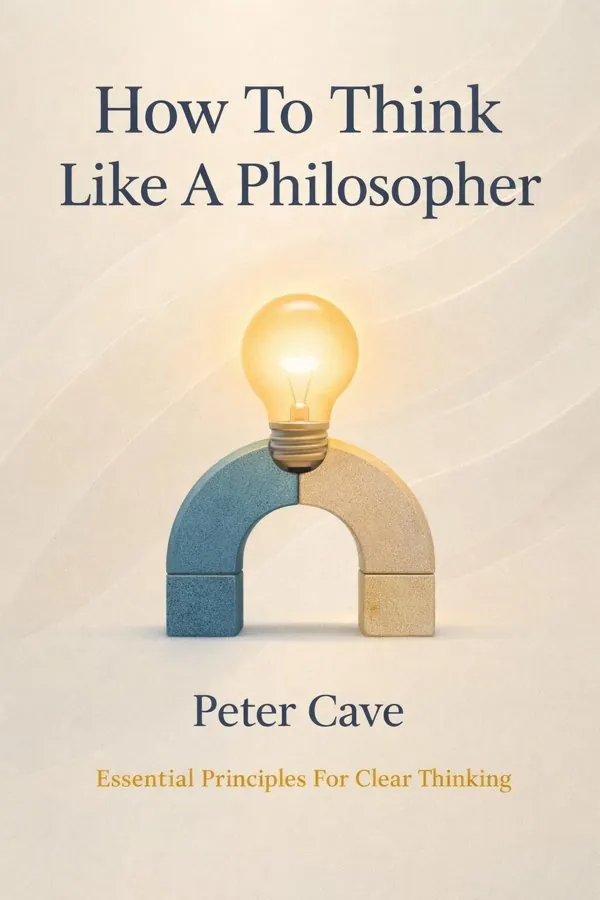
How To Think Like A Philosopher: Essential Principles For Clear Thinking
Peter Cave
10 min
Language, Truth and Logic
A. J. Ayer
10 min
The Age of Reason
Thomas Paine
10 min
The Essays
Michel De Montaigne
10 minBrowse by Category
Ready to read Why Buddhism Is True: The Science and Philosophy of Meditation and Enlightenment?
Get the full summary and 100K+ more books with Fizz Moment.