

The Sun Also Rises: Summary & Key Insights
 10 min9 chaptersAudio available
Key Takeaways from The Sun Also Rises
A city can become a refuge and a trap at the same time.
Some injuries do not end when the event is over; they become the structure of a life.
The outsider in a wounded group often exposes truths the insiders would rather ignore.
A change of scenery can feel like the beginning of a new self.
Civilization often reveals itself most clearly at the edge of violence.
What Is The Sun Also Rises About?
The Sun Also Rises by Ernest Hemingway is a classics book spanning 6 pages. Ernest Hemingway’s The Sun Also Rises is one of the defining novels of the twentieth century: a lean, elegant portrait of people trying to live after history has broken their faith. Published in 1926, it follows American and British expatriates drifting through Paris before traveling to Pamplona, Spain, for the fiesta, the running of the bulls, and the bullfights. At the center is Jake Barnes, a war-wounded journalist whose restrained voice captures both the excitement and emptiness of his social world. Around him move friends and rivals—especially Lady Brett Ashley, magnetic, restless, and impossible to possess. On the surface, the novel is about travel, romance, drinking, and spectacle. Beneath that surface, it is about damage, desire, masculinity, performance, and the search for dignity in an age that no longer trusts grand ideals. Hemingway matters here not only because he helped define modern prose, but because he understood how much can be conveyed through what remains unsaid. The Sun Also Rises still resonates because its emotional truths—alienation, longing, envy, and the need for meaning—feel startlingly contemporary.
This FizzRead summary covers all 9 key chapters of The Sun Also Rises in approximately 10 minutes, distilling the most important ideas, arguments, and takeaways from Ernest Hemingway's work. Also available as an audio summary and Key Quotes Podcast.
The Sun Also Rises
Ernest Hemingway’s The Sun Also Rises is one of the defining novels of the twentieth century: a lean, elegant portrait of people trying to live after history has broken their faith. Published in 1926, it follows American and British expatriates drifting through Paris before traveling to Pamplona, Spain, for the fiesta, the running of the bulls, and the bullfights. At the center is Jake Barnes, a war-wounded journalist whose restrained voice captures both the excitement and emptiness of his social world. Around him move friends and rivals—especially Lady Brett Ashley, magnetic, restless, and impossible to possess. On the surface, the novel is about travel, romance, drinking, and spectacle. Beneath that surface, it is about damage, desire, masculinity, performance, and the search for dignity in an age that no longer trusts grand ideals. Hemingway matters here not only because he helped define modern prose, but because he understood how much can be conveyed through what remains unsaid. The Sun Also Rises still resonates because its emotional truths—alienation, longing, envy, and the need for meaning—feel startlingly contemporary.
Who Should Read The Sun Also Rises?
This book is perfect for anyone interested in classics and looking to gain actionable insights in a short read. Whether you're a student, professional, or lifelong learner, the key ideas from The Sun Also Rises by Ernest Hemingway will help you think differently.
- ✓Readers who enjoy classics and want practical takeaways
- ✓Professionals looking to apply new ideas to their work and life
- ✓Anyone who wants the core insights of The Sun Also Rises in just 10 minutes
Want the full summary?
Get instant access to this book summary and 100K+ more with Fizz Moment.
Get Free SummaryAvailable on App Store • Free to download
Key Chapters
A city can become a refuge and a trap at the same time. In The Sun Also Rises, Paris is not simply a glamorous backdrop; it is the emotional headquarters of a generation that has survived catastrophe and no longer believes in stable values. Jake Barnes lives there as an American journalist among artists, drifters, aristocrats, and disappointed romantics. Cafes, bars, taxis, and late-night conversations create a world that looks lively from the outside but feels spiritually exhausted underneath. These people are free in one sense: they have crossed borders, escaped expectations, and reinvented themselves abroad. Yet that freedom often becomes rootlessness. They move constantly, drink heavily, and talk endlessly because stillness might force them to confront what they have lost.
Hemingway uses this social atmosphere to define the so-called Lost Generation. The phrase does not mean these characters are literally directionless in every practical sense. Many of them work, travel, flirt, and function. What they lack is a durable moral center. They know old codes have collapsed, but they have not found new ones worth trusting. Paris embodies that contradiction: elegance mixed with emptiness, sophistication masking pain.
This idea remains useful today. Modern life can offer similar forms of stylish distraction—social scenes, curated identities, endless mobility—without supplying meaning. It is easy to mistake activity for purpose and intimacy for belonging. Hemingway asks us to notice the difference.
Actionable takeaway: Examine the environments that shape your mood and values. Ask whether your routines, friendships, and social habits are helping you build a life or merely helping you avoid one.
Some injuries do not end when the event is over; they become the structure of a life. Jake Barnes’s war wound is the novel’s central fact, even though Hemingway treats it with restraint. The injury has left Jake sexually incapable, which makes his love for Lady Brett Ashley both profound and impossible. He can desire her, understand her, and even emotionally sustain her, but he cannot enter into a conventional romantic relationship with her. That gap between feeling and fulfillment becomes one of the novel’s deepest sources of pain.
Brett, meanwhile, is defined by appetite, charisma, and motion. She is not reducible to a stereotype of the destructive woman. She is wounded too—by war, by failed relationships, by her own inability to settle into a role that would make her less alive. Her passion is genuine, but so is her restlessness. Together, Jake and Brett represent a cruel modern paradox: love can be real and still not be enough.
Hemingway turns Jake’s wound into more than biography. It symbolizes a generation damaged in ways that are physical, emotional, and moral. Traditional ideals of romance, masculinity, and heroic fulfillment have been disrupted. Jake tries to preserve grace under pressure, but grace does not erase suffering.
Readers can apply this insight by recognizing that unresolved limitations—whether from trauma, illness, regret, or circumstance—shape relationships more than declarations do. Mature love requires honesty about what is and is not possible.
Actionable takeaway: Name the realities you are tempted to hide in close relationships. Clear-eyed truth may not remove pain, but it prevents fantasy from causing even greater damage.
The outsider in a wounded group often exposes truths the insiders would rather ignore. Robert Cohn occupies that role throughout the novel. Unlike Jake and the others, Cohn has not fully absorbed the detached, ironic code of the expatriate world. He is earnest where they are cynical, openly romantic where they are guarded, and stubbornly hopeful where they are disillusioned. Because of that, he becomes both irritating and revealing. The group mocks him not simply because he is naive, but because his sincerity threatens their self-protective pose.
Cohn’s fixation on Brett intensifies the tension. He believes desire should lead to possession, resolution, or at least emotional clarity. But Hemingway’s world does not reward such expectations. Cohn misreads signals, clings to illusions, and responds badly when reality refuses to match his imagination. His jealousy and volatility eventually make him destructive. Even so, the novel does not present him as uniquely foolish. Rather, he dramatizes what happens when longing is not tempered by self-knowledge.
There is also a social dimension to his alienation. Cohn is treated as different in ways that reflect the prejudices of his circle. His exclusion reveals that this supposedly sophisticated community is narrow, competitive, and often cruel. In that sense, he is not merely a failed lover; he is a diagnostic instrument showing the moral weaknesses of everyone around him.
In everyday life, Cohn’s story warns against confusing fantasy with intimacy. It is easy to project a story onto another person and then resent them for not living inside it.
Actionable takeaway: When desire feels overwhelming, pause and ask: am I responding to who this person truly is, or to the role I want them to play in my private drama?
A change of scenery can feel like the beginning of a new self. In The Sun Also Rises, the journey from Paris to Spain carries that promise. The movement outward—from urban nightlife to landscapes, rivers, roads, inns, and finally the festival at Pamplona—suggests the possibility of cleansing, simplicity, and renewal. Jake’s fishing trip with Bill Gorton especially offers a brief alternative to the social exhaustion of Paris. Nature, routine, conversation, and competent action create a calmer rhythm. For a moment, life seems manageable because it is grounded in clear tasks rather than emotional chaos.
Hemingway is careful, however, not to romanticize escape. Travel may alter mood, but it does not erase character. The same desires, rivalries, and wounds that exist in Paris reappear in Spain. The external shift gives temporary relief and sharper perspective, yet inner conflict travels with the traveler. This is one of the novel’s quiet lessons: geography can refresh us, but it cannot do our psychological work for us.
Still, Hemingway does not dismiss the value of movement. The landscapes of Spain matter because they contrast with the artificiality of expatriate life. They reconnect Jake to attention, physicality, and tradition. Healthy change often begins with such contrasts. A different setting can help us hear ourselves more clearly, especially when we have been numbed by habit.
This applies to modern life whenever people seek reset through vacations, relocations, retreats, or career changes. Those moves can be meaningful if they create space for reflection rather than serving as mere avoidance.
Actionable takeaway: Use travel or routine changes as opportunities for honest self-observation. Ask not only, “Where do I want to go?” but also, “What part of myself am I carrying there unchanged?”
Civilization often reveals itself most clearly at the edge of violence. The Pamplona fiesta is the novel’s dramatic center because it gathers pleasure, ritual, danger, and disorder into one charged setting. The streets pulse with music, drinking, dancing, and collective excitement. Yet the festivities are inseparable from the running of the bulls and the bullfights, where fear, skill, and death are openly confronted. For Hemingway, this is not cheap sensationalism. The bullring becomes a testing ground for authenticity.
In the expatriate crowd, people posture constantly. They flirt, boast, provoke, and perform identities. In the arena, performance still exists, but it is disciplined by real stakes. A bullfighter cannot fake nerve forever. The spectacle demands form, control, and courage under pressure. That is why Jake responds so strongly to it. He sees in bullfighting a code that is endangered elsewhere: style joined to seriousness, grace joined to mortal risk.
At the same time, Pamplona magnifies the group’s instability. Alcohol lowers restraint, jealousy escalates, and emotional tensions that seemed manageable in Paris become explosive. Celebration and breakdown occur side by side. The fiesta shows how quickly communal joy can become chaos when desire outruns discipline.
For readers, this section asks a sharp question: where in our lives are we merely performing confidence, and where are we actually submitting ourselves to meaningful tests? Real character is usually revealed not in comfort but under pressure, when consequences are unavoidable.
Actionable takeaway: Identify one area where you admire excellence from a distance. Instead of remaining a spectator, commit to a practice that requires discipline, risk, and honest feedback.
In a broken world, the presence of genuine excellence can feel almost sacred. Pedro Romero, the young bullfighter, enters the novel as a contrast to the damaged and drifting expatriates. He is not untouched by danger; rather, he has learned how to meet danger with composure, precision, and self-possession. His artistry in the ring is what attracts Jake’s admiration and Brett’s desire. Romero seems to embody an ideal the others have lost: integrity expressed through action.
What makes Romero important is not moral perfection but coherence. He does not appear fragmented in the way the expatriates do. His identity is rooted in a demanding craft and a tradition that gives his gestures meaning. Hemingway presents this as a form of grace: the ability to act beautifully and truthfully when stakes are high. Jake, who values competence and restraint, recognizes the rarity of that quality.
Yet Romero’s role also complicates the novel. Brett’s attraction to him threatens to draw him into the same destructive emotional patterns that damage everyone else. The implication is sobering: innocence, talent, and discipline are admirable, but they are not magically immune to corruption. Beauty can be endangered by contact with chaos.
In practical terms, Romero represents the value of mastering something real. In an age of image and improvisation, disciplined excellence still commands respect because it anchors identity outside mood and performance. Whether in art, work, sport, caregiving, or craft, commitment creates structure.
Actionable takeaway: Choose one practice worth doing well and pursue it with seriousness. A disciplined craft will not solve every emotional problem, but it can give your life form, standards, and self-respect.
Most of the suffering in The Sun Also Rises comes not from a lack of feeling, but from feeling without mastery. Nearly every central relationship in the novel is shaped by longing mixed with rivalry. Jake loves Brett. Cohn obsesses over Brett. Mike is engaged to Brett but cannot secure her loyalty. Brett moves among these men with genuine feeling yet also with destabilizing impulsiveness. No one is emotionally neutral, and no one is emotionally whole. The result is a social atmosphere where affection easily curdles into humiliation.
Hemingway does not present jealousy as melodrama alone. He shows it as a consequence of insecurity, wounded pride, and unmet desire. Because these characters rarely speak with full honesty, their relationships become crowded with implication, resentment, and half-suppressed competition. People insult each other indirectly, rely on alcohol to blur discomfort, and act as if cynicism is strength. But emotional evasiveness does not prevent damage; it multiplies it.
This dynamic remains recognizable. Groups of friends, workplaces, and romantic circles can become unstable when boundaries are unclear and feelings are managed through irony rather than truth. Hemingway’s insight is that self-control is not emotional numbness. It is the discipline to recognize what one feels without turning every feeling into action.
The novel offers no easy blueprint for healthy love, but it does reveal some of its prerequisites: honesty, limitation, and responsibility. Desire alone is not enough. Attraction without restraint becomes injury spread from person to person.
Actionable takeaway: When emotional triangles or recurring jealousy appear in your life, resist the urge to normalize them. Clarify boundaries early, speak directly, and do not confuse intensity with intimacy.
What Hemingway leaves unsaid is often as important as what he states. The Sun Also Rises is famous for its spare prose, but that simplicity should not be mistaken for thinness. Hemingway builds emotional force through omission, repetition, dialogue, and precise observation. He rarely explains a feeling at length. Instead, he lets a gesture, a pause, a bit of talk, or a change in scene reveal what characters cannot comfortably name. This technique gives the novel its distinctive tension. Readers must participate by noticing the undercurrents.
Jake’s narration is central to this effect. He reports people and events with apparent calm, yet the very flatness of his tone often signals pain too deep or too disciplined for display. The style mirrors the character: controlled, wounded, observant, resistant to self-pity. That is why the emotional impact can be delayed and then suddenly overwhelming. The understatement invites trust.
This matters beyond literary appreciation. Hemingway demonstrates that clarity can intensify complexity rather than reduce it. In communication, leadership, and writing, people often assume depth requires more explanation. Sometimes the opposite is true. Concrete detail, clean language, and restraint can make truth feel sharper. They also force us to distinguish between genuine insight and decorative excess.
For readers and writers alike, the novel is a lesson in disciplined expression. It shows how to say less while meaning more, how to let structure and detail carry feeling.
Actionable takeaway: In your next important conversation or piece of writing, remove unnecessary explanation. Use specific details, honest wording, and silence where appropriate; trust that clarity can carry emotional weight.
The deepest question in The Sun Also Rises is not who ends up with whom, but how to live when your old sources of meaning no longer convince you. The characters inhabit a postwar world in which heroic ideals, romantic certainty, and social stability have all been weakened. In response, they improvise. They drink, travel, flirt, fight, joke, and seek sensation. Some of these gestures are enjoyable, even beautiful in passing. But Hemingway keeps asking whether pleasure without principle can sustain a life.
Jake’s answer is more serious than the novel’s surface glamour might suggest. He cannot repair the age or undo his injury, yet he continues to value small forms of order: doing his job, noticing beauty, respecting competence, maintaining dignity, and seeing things plainly. He does not discover a grand philosophy. Instead, he practices endurance shaped by attention and restraint. That modest ethic may be the novel’s real counterargument to despair.
The ending captures this perfectly. It offers no sentimental resolution, only a poignant recognition of possibility and impossibility together. The famous final exchange between Jake and Brett is heartbreaking because it accepts illusion as illusion. But in that honesty there is also maturity. Meaning may not come from getting what we want. It may come from learning how to see our lives without lying about them.
For contemporary readers, this remains powerful. Many people live amid abundance, mobility, and stimulation while still feeling spiritually thin. Hemingway suggests that meaning begins not in excess, but in truthfulness, discipline, and chosen standards.
Actionable takeaway: Build your life around a few practices and values that remain steady when mood, romance, and social approval shift. Meaning grows from what you can repeatedly live, not merely intensely feel.
All Chapters in The Sun Also Rises
About the Author
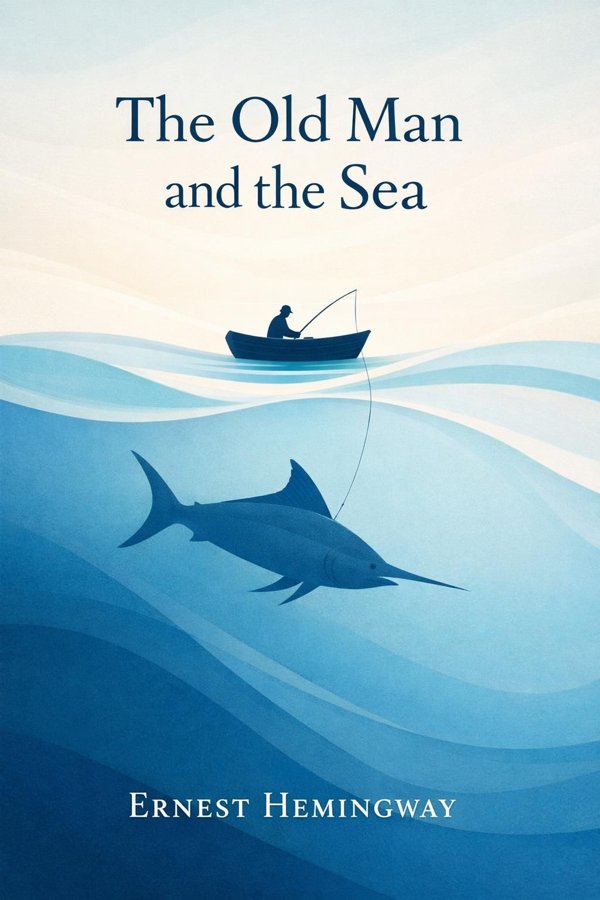
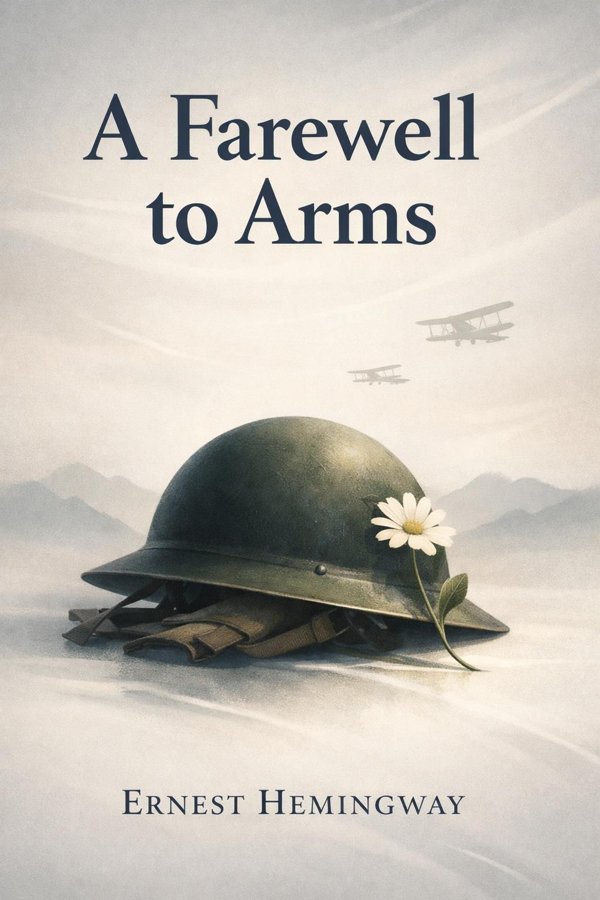
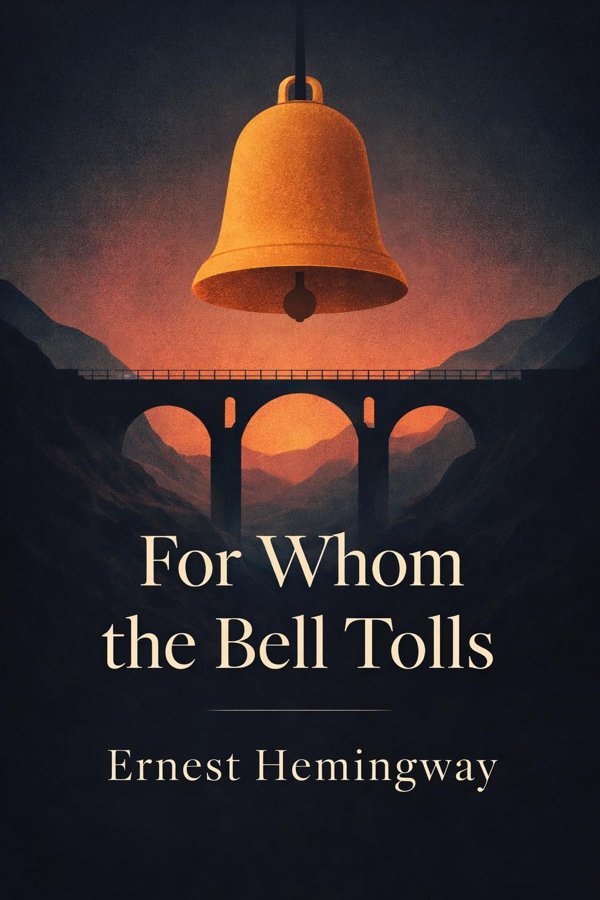
Ernest Hemingway (1899-1961) was an American novelist, short-story writer, and journalist whose influence on modern prose is difficult to overstate. Born in Oak Park, Illinois, he began his career in journalism before serving as an ambulance driver in World War I, an experience that deeply shaped his fiction. Hemingway became associated with the expatriate literary scene in Paris during the 1920s and drew on those years in The Sun Also Rises. His writing is known for its economy, precision, and emotional restraint, often exploring courage, suffering, love, war, and personal code. Among his best-known works are A Farewell to Arms, For Whom the Bell Tolls, and The Old Man and the Sea. He received the Nobel Prize in Literature in 1954 and remains one of the central figures of twentieth-century literature.
Get This Summary in Your Preferred Format
Read or listen to the The Sun Also Rises summary by Ernest Hemingway anytime, anywhere. FizzRead offers multiple formats so you can learn on your terms — all free.
Available formats: App · Audio · PDF · EPUB — All included free with FizzRead
Download The Sun Also Rises PDF and EPUB Summary
Key Quotes from The Sun Also Rises
“A city can become a refuge and a trap at the same time.”
“Some injuries do not end when the event is over; they become the structure of a life.”
“The outsider in a wounded group often exposes truths the insiders would rather ignore.”
“A change of scenery can feel like the beginning of a new self.”
“Civilization often reveals itself most clearly at the edge of violence.”
Frequently Asked Questions about The Sun Also Rises
The Sun Also Rises by Ernest Hemingway is a classics book that explores key ideas across 9 chapters. Ernest Hemingway’s The Sun Also Rises is one of the defining novels of the twentieth century: a lean, elegant portrait of people trying to live after history has broken their faith. Published in 1926, it follows American and British expatriates drifting through Paris before traveling to Pamplona, Spain, for the fiesta, the running of the bulls, and the bullfights. At the center is Jake Barnes, a war-wounded journalist whose restrained voice captures both the excitement and emptiness of his social world. Around him move friends and rivals—especially Lady Brett Ashley, magnetic, restless, and impossible to possess. On the surface, the novel is about travel, romance, drinking, and spectacle. Beneath that surface, it is about damage, desire, masculinity, performance, and the search for dignity in an age that no longer trusts grand ideals. Hemingway matters here not only because he helped define modern prose, but because he understood how much can be conveyed through what remains unsaid. The Sun Also Rises still resonates because its emotional truths—alienation, longing, envy, and the need for meaning—feel startlingly contemporary.
More by Ernest Hemingway
You Might Also Like




Browse by Category
Ready to read The Sun Also Rises?
Get the full summary and 100K+ more books with Fizz Moment.