
Ernest Hemingway Books
Ernest Hemingway (1899–1961) was an American novelist, short-story writer, and journalist. Known for his economical and understated style, he won the Nobel Prize in Literature in 1954.
Known for: The Old Man and the Sea, A Farewell to Arms, For Whom the Bell Tolls, The Sun Also Rises
Books by Ernest Hemingway
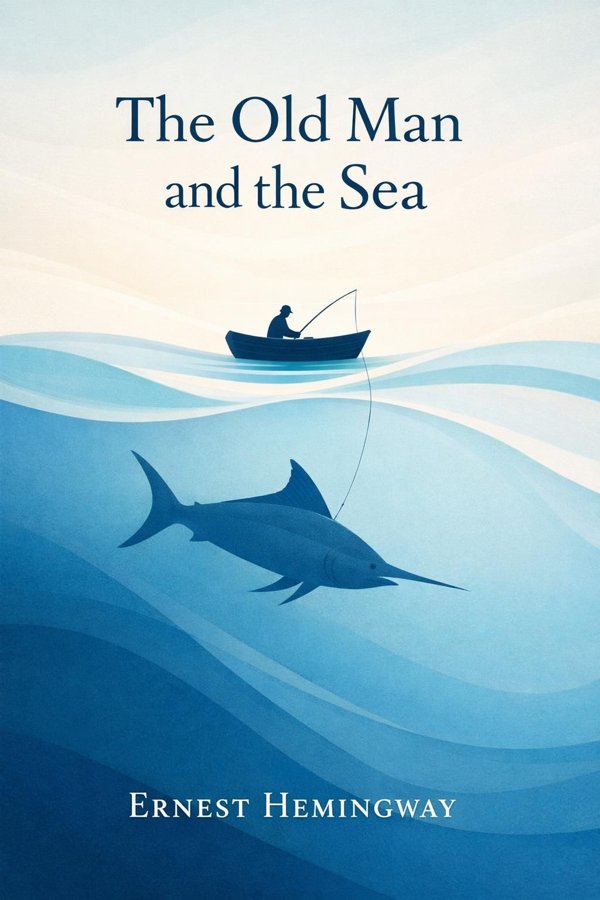
The Old Man and the Sea
Ernest Hemingway’s The Old Man and the Sea is a brief novel with the force of a myth. Set in a small Cuban fishing village, it follows Santiago, an old fisherman enduring a long run of bad luck, who s...
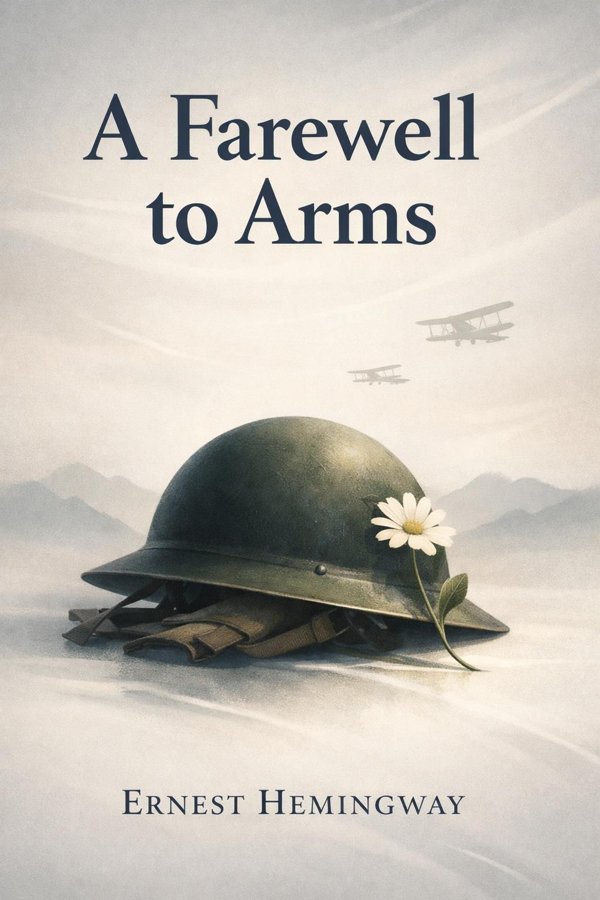
A Farewell to Arms
A Farewell to Arms is a novel set during World War I, telling the story of an American ambulance driver in the Italian army and his love affair with a British nurse. The book explores themes of love, ...
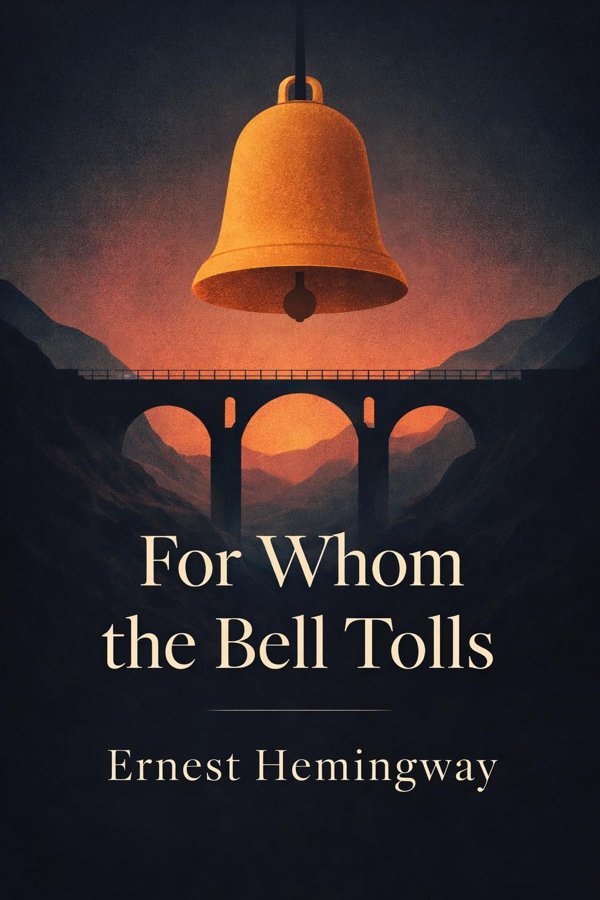
For Whom the Bell Tolls
Set over just a few days during the Spanish Civil War, For Whom the Bell Tolls turns a military assignment into a profound meditation on loyalty, courage, love, and mortality. The novel follows Robert...
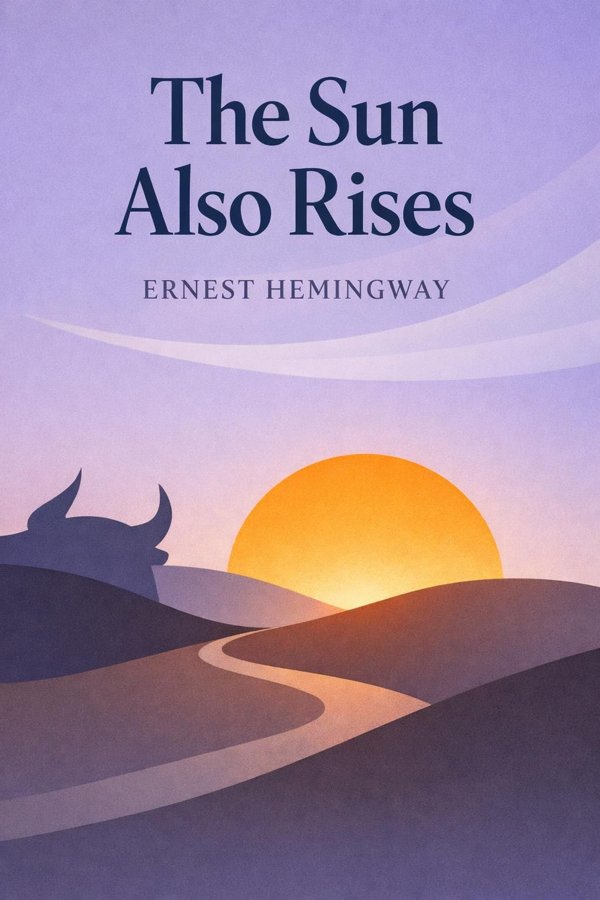
The Sun Also Rises
Ernest Hemingway’s The Sun Also Rises is one of the defining novels of the twentieth century: a lean, elegant portrait of people trying to live after history has broken their faith. Published in 1926,...
Key Insights from Ernest Hemingway
Dignity Survives Even in Defeat
One of the novel’s deepest insights is that losing outwardly does not mean losing inwardly. Santiago hooks a magnificent marlin after months of failure and wages an exhausting battle to bring it in. Yet by the time he returns to shore, sharks have stripped the fish to a skeleton. On the surface, his...
From The Old Man and the Sea
Persistence Gives Meaning to Hardship
A meaningful life is not one without struggle, but one in which struggle is borne with purpose. Santiago has gone eighty-four days without catching a fish, and many around him see him as unlucky, even finished. Yet he goes back out. That repeated return is the heart of the novel. Persistence is not ...
From The Old Man and the Sea
Mastery Requires Respect for Nature
Hemingway presents Santiago not as a conqueror of nature, but as someone deeply bound to it. He studies the sea, the fish, the birds, the currents, and the weather with reverence. He speaks of the marlin with admiration and even affection. This relationship is essential to understanding the book: tr...
From The Old Man and the Sea
Loneliness Can Deepen Inner Strength
Solitude is often feared because it strips away distraction, but Hemingway shows that it can also reveal a person’s truest resources. Once Santiago is far out at sea, he is alone with pain, memory, instinct, and will. He talks to himself, remembers the boy Manolin, thinks about baseball and Joe DiMa...
From The Old Man and the Sea
Pride Can Both Sustain and Wound
Not all pride is vanity. In The Old Man and the Sea, pride is a complicated force that helps Santiago endure but also pushes him toward greater risk. He wants to prove he is still capable, still worthy, still a fisherman of rare skill. That desire gives him strength when his hands cramp and his body...
From The Old Man and the Sea
Meaning Comes Through Devotion to Craft
Hemingway suggests that work can be more than survival; it can be a way of expressing identity, discipline, and love. Santiago is a fisherman not just economically but spiritually. He knows his trade intimately, respects its traditions, and performs it with seriousness even when no one is watching. ...
From The Old Man and the Sea
About Ernest Hemingway
Ernest Hemingway (1899–1961) was an American novelist, short-story writer, and journalist. Known for his economical and understated style, he won the Nobel Prize in Literature in 1954. His works often depict courage and endurance under pressure.




Frequently Asked Questions
Ernest Hemingway (1899–1961) was an American novelist, short-story writer, and journalist. Known for his economical and understated style, he won the Nobel Prize in Literature in 1954.
Read Ernest Hemingway's books in 15 minutes
Get AI-powered summaries with key insights from 4 books by Ernest Hemingway.