
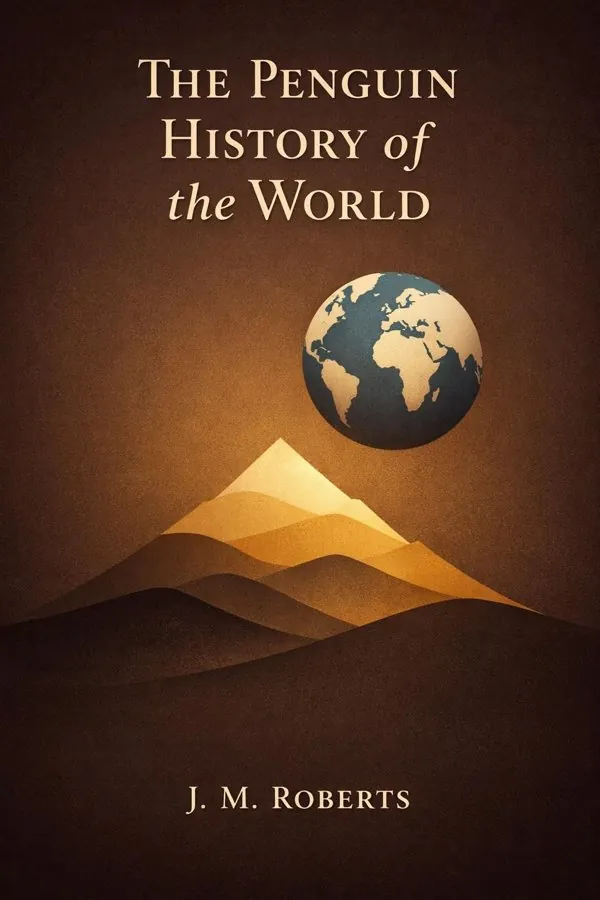
The Penguin History of the World: Summary & Key Insights
 10 min11 chaptersAudio available
What Is The Penguin History of the World About?
The Penguin History of the World by J. M. Roberts is a world_history book spanning 11 pages. A comprehensive narrative of world history from prehistoric times to the modern era, written with clarity and depth. The book explores the development of civilizations, cultures, and global interactions, offering readers a panoramic view of humanity’s shared past.
This FizzRead summary covers all 11 key chapters of The Penguin History of the World in approximately 10 minutes, distilling the most important ideas, arguments, and takeaways from J. M. Roberts's work. Also available as an audio summary and Key Quotes Podcast.
The Penguin History of the World
A comprehensive narrative of world history from prehistoric times to the modern era, written with clarity and depth. The book explores the development of civilizations, cultures, and global interactions, offering readers a panoramic view of humanity’s shared past.
Who Should Read The Penguin History of the World?
This book is perfect for anyone interested in world_history and looking to gain actionable insights in a short read. Whether you're a student, professional, or lifelong learner, the key ideas from The Penguin History of the World by J. M. Roberts will help you think differently.
- ✓Readers who enjoy world_history and want practical takeaways
- ✓Professionals looking to apply new ideas to their work and life
- ✓Anyone who wants the core insights of The Penguin History of the World in just 10 minutes
Want the full summary?
Get instant access to this book summary and 100K+ more with Fizz Moment.
Get Free SummaryAvailable on App Store • Free to download
Key Chapters
Before cities and Kings, before writing and temples, there was a long twilight age of human becoming. In those distant millennia, human beings evolved from their animal ancestors into self-conscious makers of culture. I begin by tracing the emergence of Homo sapiens—a creature defined less by physical strength than by mental and social inventiveness. The development of upright posture, the freeing of the hands, and the expansion of the brain made possible the creation of tools. From these first chipped stones grew a new form of existence, one in which knowledge could be accumulated and transmitted.
Language was the next great leap. When our ancestors began to speak, they crossed into the realm of symbolic thought. Words allowed memory to become collective, experience to be shared, and imagination to reach far beyond immediate survival. Social organization followed as families became tribes and tribes learned cooperation. Fire, clothing, and the beginnings of ritual gave life both comfort and meaning. In these early chapters, I reflect on how such primitive breakthroughs establish the very foundation of history: once humans began to record and imagine, they laid the groundwork for civilization.
The prehistoric world, though silent to our ears, was alive with ingenuity. Cave paintings, burial practices, and the movement of peoples across continents marked the awakening of humanity’s creative impulse. Evolution gave us form; culture gave us direction. Out of this long gestation emerged everything that was to follow—the courage to settle, to build, and ultimately, to remember.
The most profound transformation in human history came when wandering hunter-gatherers began to cultivate the land and domesticate animals. It was not a sudden change but a slow accumulation of insight, taking millennia for humans to understand seeds, seasons, and soil. Agriculture turned survival into settlement. For the first time, people could store food, remain in one place, and expand their communities.
The Neolithic Revolution, as historians call it, ushered in permanent villages and social specialization. Farming demanded cooperation, irrigation, and leadership; thus the earliest forms of governance were born. Religion evolved alongside, as people sought to comprehend and control the forces of nature upon which their sustenance depended. The rhythm of sowing and harvest gave time a cyclical meaning, shaping calendars and festivals.
In discussing this epoch, I emphasize that agriculture was more than a technical achievement—it was a psychological and spiritual shift. Humanity’s relationship with nature changed from adaptation to management. The earth became not merely the backdrop of existence but its partner and challenge. From these fields and herds grew the seeds of organized society, property, inheritance, and hierarchy. The agricultural revolution was, in essence, the beginning of history proper: it created continuity between generations and firmly rooted human life within place and community.
+ 9 more chapters — available in the FizzRead app
All Chapters in The Penguin History of the World
About the Author
John Morris Roberts (1928–2003) was a British historian and academic known for his accessible yet scholarly works on world history. He served as Vice-Chancellor of the University of Southampton and authored several influential historical surveys.
Get This Summary in Your Preferred Format
Read or listen to the The Penguin History of the World summary by J. M. Roberts anytime, anywhere. FizzRead offers multiple formats so you can learn on your terms — all free.
Available formats: App · Audio · PDF · EPUB — All included free with FizzRead
Download The Penguin History of the World PDF and EPUB Summary
Key Quotes from The Penguin History of the World
“Before cities and Kings, before writing and temples, there was a long twilight age of human becoming.”
“The most profound transformation in human history came when wandering hunter-gatherers began to cultivate the land and domesticate animals.”
Frequently Asked Questions about The Penguin History of the World
The Penguin History of the World by J. M. Roberts is a world_history book that explores key ideas across 11 chapters. A comprehensive narrative of world history from prehistoric times to the modern era, written with clarity and depth. The book explores the development of civilizations, cultures, and global interactions, offering readers a panoramic view of humanity’s shared past.
You Might Also Like
The Age of Capital
Eric Hobsbawm
10 min
The Gulag Archipelago
Aleksandr Solzhenitsyn
10 min
Jerusalem: The Biography
Simon Sebag Montefiore
10 min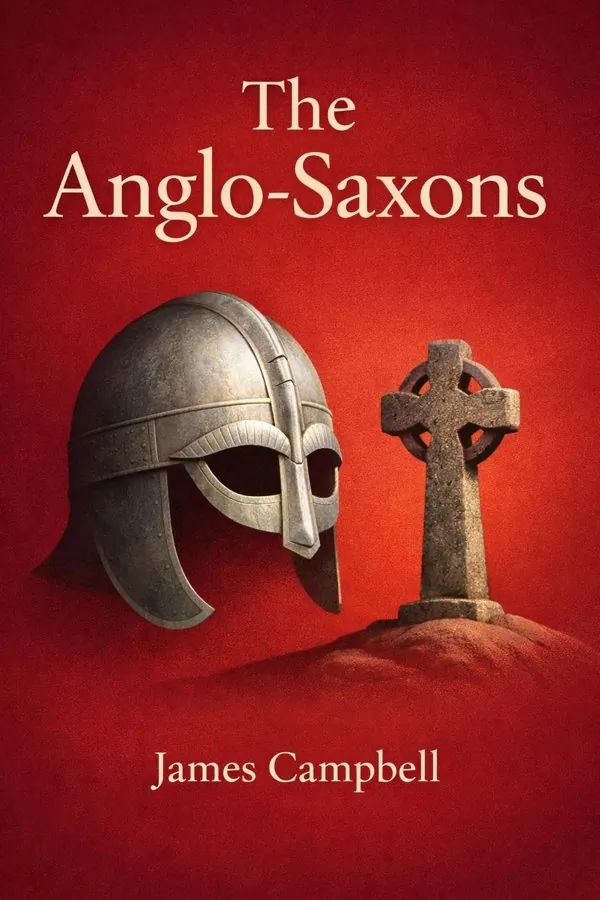
The Anglo-Saxons
James Campbell
10 min
The Boer War
Thomas Pakenham
10 min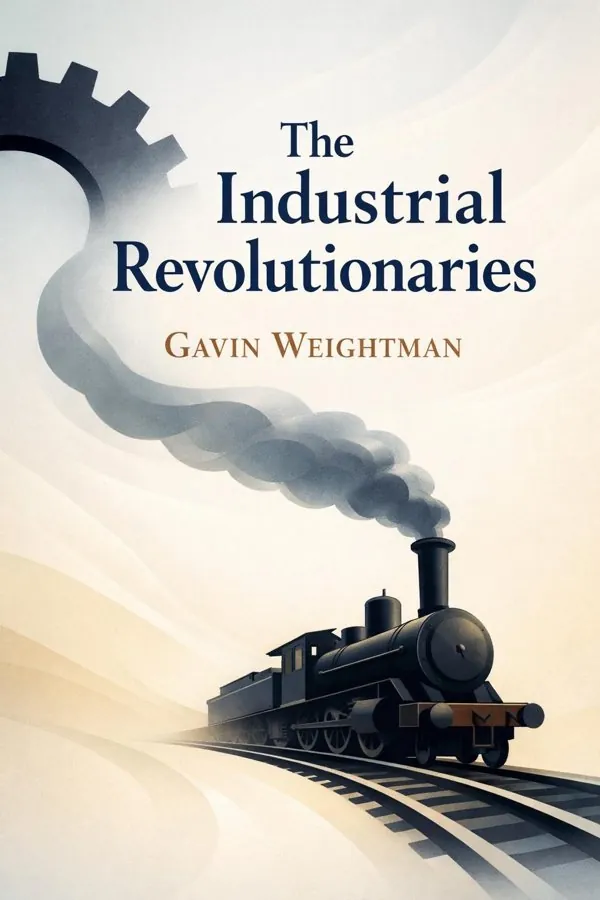
The Industrial Revolutionaries: The Making of the Modern World 1776–1914
Gavin Weightman
10 minBrowse by Category
Ready to read The Penguin History of the World?
Get the full summary and 100K+ more books with Fizz Moment.