
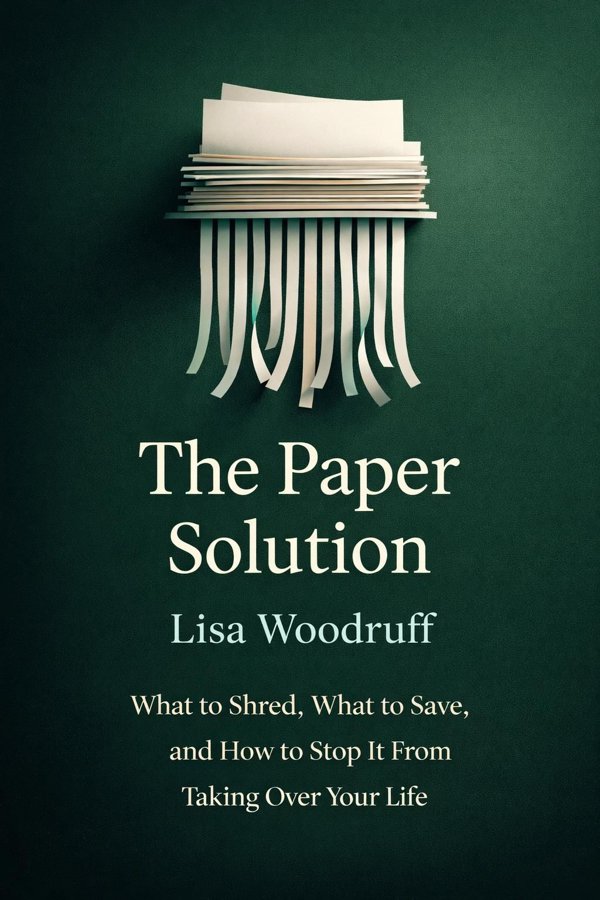
The Paper Solution: What to Shred, What to Save, and How to Stop It From Taking Over Your Life: Summary & Key Insights
 10 min11 chaptersAudio available
What Is The Paper Solution: What to Shred, What to Save, and How to Stop It From Taking Over Your Life About?
The Paper Solution: What to Shred, What to Save, and How to Stop It From Taking Over Your Life by Lisa Woodruff is a productivity book spanning 11 pages. The Paper Solution offers a practical system for managing the overwhelming amount of paper clutter in modern life. Lisa Woodruff, a professional organizer, guides readers through identifying what documents to keep, what to discard, and how to create a sustainable organization method that reduces stress and increases productivity.
This FizzRead summary covers all 11 key chapters of The Paper Solution: What to Shred, What to Save, and How to Stop It From Taking Over Your Life in approximately 10 minutes, distilling the most important ideas, arguments, and takeaways from Lisa Woodruff's work. Also available as an audio summary and Key Quotes Podcast.
The Paper Solution: What to Shred, What to Save, and How to Stop It From Taking Over Your Life
The Paper Solution offers a practical system for managing the overwhelming amount of paper clutter in modern life. Lisa Woodruff, a professional organizer, guides readers through identifying what documents to keep, what to discard, and how to create a sustainable organization method that reduces stress and increases productivity.
Who Should Read The Paper Solution: What to Shred, What to Save, and How to Stop It From Taking Over Your Life?
This book is perfect for anyone interested in productivity and looking to gain actionable insights in a short read. Whether you're a student, professional, or lifelong learner, the key ideas from The Paper Solution: What to Shred, What to Save, and How to Stop It From Taking Over Your Life by Lisa Woodruff will help you think differently.
- ✓Readers who enjoy productivity and want practical takeaways
- ✓Professionals looking to apply new ideas to their work and life
- ✓Anyone who wants the core insights of The Paper Solution: What to Shred, What to Save, and How to Stop It From Taking Over Your Life in just 10 minutes
Want the full summary?
Get instant access to this book summary and 100K+ more with Fizz Moment.
Get Free SummaryAvailable on App Store • Free to download
Key Chapters
Most of us underestimate the sheer volume of paper that enters our lives. Mail arrives daily. Schools and workplaces issue forms. Receipts and warranties build up quietly in drawers. Even digital systems produce printed records: confirmation pages, event tickets, or contracts. Paper doesn’t just appear—it **accumulates through habits of reassurance**. We keep things ‘just in case.’ We hold on to documents because throwing them away feels risky. And before long, the paper in our homes represents hundreds of lingering decisions we haven’t yet made.
When I analyzed homes over the years, I noticed that paper arrives faster than most people can process it because there’s no centralized intake system. It lands on kitchen counters, dining tables, and office corners, each pile representing tasks delayed. The overwhelm grows not because we’re lazy, but because the paper format encourages deferral: it can be moved, stacked, and ignored without consequence—at least temporarily.
Understanding accumulation means recognizing paper not as neutral objects but as emotional triggers. Each envelope might symbolize responsibility, uncertainty, or guilt. To manage paper effectively, you need to break the cycle of passive collection and shift toward intentional interaction. By knowing how paper flows in and out of your life, you start seeing it as a controlled resource, not an uncontrolled flood.
What changes everything is mindset. Most people react to paper only when they’re forced to—when a bill is due, when the tax deadline looms, or when an important document goes missing. This reactive approach turns paper management into crisis control. The key shift I teach is moving from reaction to **proactive intention**. Paper organization isn’t about filing faster; it’s about deciding ahead of time what role paper plays in your life.
Start with defining your priorities. Not all documents deserve equal treatment. When you distinguish between what’s truly essential and what’s transient, you begin introducing peace into your process. You stop allowing paper to interrupt your day and instead create structured moments to address it deliberately. This change mirrors the mental transformation that often coincides with more digital living—using paper purposefully rather than habitually.
Proactive organization also involves reframing guilt. Many people avoid paper because they associate the piles with procrastination. But guilt doesn’t sort anything—it only perpetuates avoidance. Once you view paper as neutral information waiting for your direction, the fear melts away. I’ve seen the relief in people’s eyes when they realize they can design a paper system that suits their lifestyle rather than fight against one imposed by tradition or clutter.
+ 9 more chapters — available in the FizzRead app
All Chapters in The Paper Solution: What to Shred, What to Save, and How to Stop It From Taking Over Your Life
About the Author
Lisa Woodruff is an American productivity expert, professional organizer, and founder of Organize 365. She is known for her practical systems that help individuals and families manage their homes and time more effectively.
Get This Summary in Your Preferred Format
Read or listen to the The Paper Solution: What to Shred, What to Save, and How to Stop It From Taking Over Your Life summary by Lisa Woodruff anytime, anywhere. FizzRead offers multiple formats so you can learn on your terms — all free.
Available formats: App · Audio · PDF · EPUB — All included free with FizzRead
Download The Paper Solution: What to Shred, What to Save, and How to Stop It From Taking Over Your Life PDF and EPUB Summary
Key Quotes from The Paper Solution: What to Shred, What to Save, and How to Stop It From Taking Over Your Life
“Most of us underestimate the sheer volume of paper that enters our lives.”
“Most people react to paper only when they’re forced to—when a bill is due, when the tax deadline looms, or when an important document goes missing.”
Frequently Asked Questions about The Paper Solution: What to Shred, What to Save, and How to Stop It From Taking Over Your Life
The Paper Solution: What to Shred, What to Save, and How to Stop It From Taking Over Your Life by Lisa Woodruff is a productivity book that explores key ideas across 11 chapters. The Paper Solution offers a practical system for managing the overwhelming amount of paper clutter in modern life. Lisa Woodruff, a professional organizer, guides readers through identifying what documents to keep, what to discard, and how to create a sustainable organization method that reduces stress and increases productivity.
You Might Also Like

Browse by Category
Ready to read The Paper Solution: What to Shred, What to Save, and How to Stop It From Taking Over Your Life?
Get the full summary and 100K+ more books with Fizz Moment.