
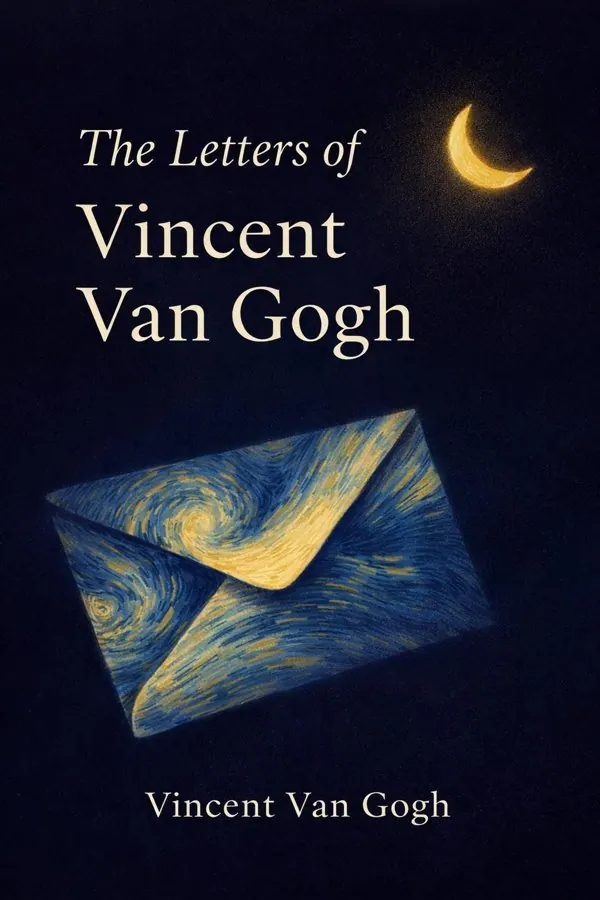
The Letters of Vincent Van Gogh: Summary & Key Insights
 10 min11 chaptersAudio available
What Is The Letters of Vincent Van Gogh About?
The Letters of Vincent Van Gogh by Vincent Van Gogh is a biographies book spanning 11 pages. This collection presents a selection of Vincent van Gogh’s letters, primarily written to his brother Theo, offering deep insight into his artistic development, emotional struggles, and philosophical reflections. Edited by art historian Mark Roskill, the volume provides context and commentary that illuminate van Gogh’s creative process and personal life.
This FizzRead summary covers all 11 key chapters of The Letters of Vincent Van Gogh in approximately 10 minutes, distilling the most important ideas, arguments, and takeaways from Vincent Van Gogh's work. Also available as an audio summary and Key Quotes Podcast.
The Letters of Vincent Van Gogh
This collection presents a selection of Vincent van Gogh’s letters, primarily written to his brother Theo, offering deep insight into his artistic development, emotional struggles, and philosophical reflections. Edited by art historian Mark Roskill, the volume provides context and commentary that illuminate van Gogh’s creative process and personal life.
Who Should Read The Letters of Vincent Van Gogh?
This book is perfect for anyone interested in biographies and looking to gain actionable insights in a short read. Whether you're a student, professional, or lifelong learner, the key ideas from The Letters of Vincent Van Gogh by Vincent Van Gogh will help you think differently.
- ✓Readers who enjoy biographies and want practical takeaways
- ✓Professionals looking to apply new ideas to their work and life
- ✓Anyone who wants the core insights of The Letters of Vincent Van Gogh in just 10 minutes
Want the full summary?
Get instant access to this book summary and 100K+ more with Fizz Moment.
Get Free SummaryAvailable on App Store • Free to download
Key Chapters
When I look back to my earliest letters to Theo and our family, I see a young man searching for meaning with trembling hands. Those were years of struggle against the confines of expectation. Raised in a household steeped in religious duty, I felt torn between the ministry and the world’s beauty. In the Netherlands, surrounded by the somber landscapes of Zundert and Etten, I wrote of faith and purpose without yet knowing they would lead me to art.
I attempted the life of a preacher among coal miners, believing that love must take tangible form in service. Yet even as I sought salvation through words, I could not reconcile my longing for spiritual truth with the austere righteousness of the Church. In the letters, you can feel the slow awakening of my conviction that faith, to be real, must be lived and felt—not recited. It was this disillusionment that began to clear the space where painting would later take root.
During these years, poverty was my constant companion. I wrote to Theo from cramped rooms, describing the suffering of workers, the gray skies over the fields, and the faces of peasants who carried simplicity like a crown of thorns. I was still learning to see—not yet as a painter, but as a man whose heart refused to ignore the dignity of hardship. You will notice in those early letters how observation begins to turn toward creation. My words start shaping light and texture even before my hands ever held a brush. The calling was ripening quietly, like a seed struggling to break through the cold Dutch soil.
The decision to become an artist felt less like choice and more like surrender. Once the fire ignited, resistance was futile. In my letters to Theo from The Hague, I recount those turbulent days—how art consumed my prayers, my ambitions, and my solace. I studied tirelessly, copying masters, learning anatomy, studying perspective. I told Theo that art demanded moral duty as much as technique; it required sincerity above all things.
It was not the glamour of success that drew me, but the conviction that to paint was to labor for truth. My discipline became my creed. I sketched endlessly, observing people in the streets, families at supper, workers at rest. I wrote about the strain and wonder of each attempt, the exhaustion that accompanied progress. Theo’s support steadied me; his letters gave me courage to stay devoted.
In those letters, you will detect the philosophy that would follow me throughout life: that art must express compassion. The Hague was my crucible for learning to anchor the spiritual in the tangible. Through sweat and study, I discovered that representation was not enough—painting must breathe. With each letter, I was defining what it means to live through art, not beside it.
+ 9 more chapters — available in the FizzRead app
All Chapters in The Letters of Vincent Van Gogh
About the Author
Vincent van Gogh (1853–1890) was a Dutch post-impressionist painter whose expressive use of color and brushwork profoundly influenced modern art. Despite his short and troubled life, his works such as 'Starry Night' and 'Sunflowers' have become iconic representations of emotional intensity and artistic innovation.
Get This Summary in Your Preferred Format
Read or listen to the The Letters of Vincent Van Gogh summary by Vincent Van Gogh anytime, anywhere. FizzRead offers multiple formats so you can learn on your terms — all free.
Available formats: App · Audio · PDF · EPUB — All included free with FizzRead
Download The Letters of Vincent Van Gogh PDF and EPUB Summary
Key Quotes from The Letters of Vincent Van Gogh
“When I look back to my earliest letters to Theo and our family, I see a young man searching for meaning with trembling hands.”
“The decision to become an artist felt less like choice and more like surrender.”
Frequently Asked Questions about The Letters of Vincent Van Gogh
The Letters of Vincent Van Gogh by Vincent Van Gogh is a biographies book that explores key ideas across 11 chapters. This collection presents a selection of Vincent van Gogh’s letters, primarily written to his brother Theo, offering deep insight into his artistic development, emotional struggles, and philosophical reflections. Edited by art historian Mark Roskill, the volume provides context and commentary that illuminate van Gogh’s creative process and personal life.
You Might Also Like
An American Marriage
Tayari Jones
10 min
Benjamin Franklin: An American Life
Walter Isaacson
10 min
I Know Why The Caged Bird Sings
Maya Angelou
10 min
Long Walk to Freedom
Nelson Mandela
10 min
Persepolis
Marjane Satrapi
10 min
Surely You're Joking, Mr. Feynman!
Richard P. Feynman
10 minBrowse by Category
Ready to read The Letters of Vincent Van Gogh?
Get the full summary and 100K+ more books with Fizz Moment.