

The Jane Austen Book Club: Summary & Key Insights
 10 min9 chaptersAudio available
Key Takeaways from The Jane Austen Book Club
Austen understood that the people most certain of what others need are often the ones least clear about themselves.
Many unhappy relationships do not collapse because of cruelty; they weaken because one person feels unseen in a life that appears perfectly reasonable from the outside.
Freedom without reflection can look glamorous right up until the moment consequences arrive.
Human beings rarely encounter life as it is; we encounter it through the stories we are already telling about it.
One of the most generous acts in adulthood is entering a conversation where you are not the expert and staying open long enough to be changed.
What Is The Jane Austen Book Club About?
The Jane Austen Book Club by Karen Joy Fowler is a bestsellers book spanning 6 pages. What if the books we choose for comfort begin quietly reading us back? Karen Joy Fowler’s The Jane Austen Book Club starts with a simple premise: six Californians agree to meet once a month and discuss the six novels of Jane Austen. But the club soon becomes more than a literary pastime. As Jocelyn, Sylvia, Allegra, Prudie, Bernadette, and Grigg move through Emma, Sense and Sensibility, Mansfield Park, Northanger Abbey, Pride and Prejudice, and Persuasion, their own lives begin to echo Austen’s concerns with desire, disappointment, class, marriage, loyalty, and second chances. Affairs simmer, divorces sting, parents worry, friends interfere, and unexpected romances emerge. Fowler’s achievement lies in how effortlessly she translates Austen’s emotional intelligence into a modern American setting. Rather than retelling Austen, she shows why Austen still matters: the social rituals may change, but misjudgment, longing, loneliness, and hope remain timeless. Warm, witty, and quietly piercing, this novel is both a love letter to reading and a sharp portrait of adulthood. It matters because it reminds us that literature is not an escape from life; it is often a guide for living it more honestly.
This FizzRead summary covers all 9 key chapters of The Jane Austen Book Club in approximately 10 minutes, distilling the most important ideas, arguments, and takeaways from Karen Joy Fowler's work. Also available as an audio summary and Key Quotes Podcast.
The Jane Austen Book Club
What if the books we choose for comfort begin quietly reading us back? Karen Joy Fowler’s The Jane Austen Book Club starts with a simple premise: six Californians agree to meet once a month and discuss the six novels of Jane Austen. But the club soon becomes more than a literary pastime. As Jocelyn, Sylvia, Allegra, Prudie, Bernadette, and Grigg move through Emma, Sense and Sensibility, Mansfield Park, Northanger Abbey, Pride and Prejudice, and Persuasion, their own lives begin to echo Austen’s concerns with desire, disappointment, class, marriage, loyalty, and second chances. Affairs simmer, divorces sting, parents worry, friends interfere, and unexpected romances emerge.
Fowler’s achievement lies in how effortlessly she translates Austen’s emotional intelligence into a modern American setting. Rather than retelling Austen, she shows why Austen still matters: the social rituals may change, but misjudgment, longing, loneliness, and hope remain timeless. Warm, witty, and quietly piercing, this novel is both a love letter to reading and a sharp portrait of adulthood. It matters because it reminds us that literature is not an escape from life; it is often a guide for living it more honestly.
Who Should Read The Jane Austen Book Club?
This book is perfect for anyone interested in bestsellers and looking to gain actionable insights in a short read. Whether you're a student, professional, or lifelong learner, the key ideas from The Jane Austen Book Club by Karen Joy Fowler will help you think differently.
- ✓Readers who enjoy bestsellers and want practical takeaways
- ✓Professionals looking to apply new ideas to their work and life
- ✓Anyone who wants the core insights of The Jane Austen Book Club in just 10 minutes
Want the full summary?
Get instant access to this book summary and 100K+ more with Fizz Moment.
Get Free SummaryAvailable on App Store • Free to download
Key Chapters
Austen understood that the people most certain of what others need are often the ones least clear about themselves. That truth drives the formation of the book club in the opening section built around Emma. Jocelyn, practical, competent, and emotionally guarded, creates the group partly to support her friend Sylvia after Sylvia’s painful separation from her husband, Daniel. On the surface, the club is an elegant act of care: six people, six Austen novels, six chances to gather around conversation instead of sorrow. But Jocelyn also reveals an Emma-like flaw. She wants to manage emotional outcomes, especially when it comes to Sylvia’s future and Grigg’s possible suitability for Jocelyn herself or for someone else.
The first gathering introduces the club members not as abstract types but as people carrying private disappointments. Sylvia is wounded by betrayal. Allegra, Sylvia’s daughter, races through life with intensity and risk. Bernadette, older and merrier, has survived many marriages and wears experience lightly. Prudie is younger, intellectually ambitious, and quietly dissatisfied. Grigg, the only man, arrives with little background in Austen but a real openness to reading. Their discussion of Emma becomes a subtle mirror. They are not simply evaluating Austen’s heroine; they are exposing their own habits of projection, fantasy, and judgment.
In practical terms, Fowler shows how groups often begin with one stated purpose and several unstated ones. A book club, workplace team, or circle of friends may seem organized around content, but hidden motives shape the experience. Someone is hoping to heal, someone to belong, someone to be admired, someone to avoid being alone.
The actionable takeaway: when you create a gathering to help others, ask what unspoken hopes you are bringing with you. Honest intentions are stronger when they are paired with self-awareness.
Many unhappy relationships do not collapse because of cruelty; they weaken because one person feels unseen in a life that appears perfectly reasonable from the outside. That tension animates the section linked to Sense and Sensibility, especially through Prudie. She is married to Dean, a decent, affectionate man whose simplicity and steadiness should, in theory, make for a satisfying life. Yet Prudie experiences her marriage as emotionally and intellectually insufficient. She is drawn toward a fantasy of passion and refinement, especially in the form of a younger student whose attention flatters her and awakens a restless dissatisfaction she has been trying not to name.
Fowler uses Prudie to revisit Austen’s contrast between sense and sensibility without reducing it to coldness versus feeling. Prudie is not simply too emotional. She is divided between the life she chose and the self she imagines she might still become. Dean, meanwhile, is not a villain. His very ordinariness is what complicates the moral question. It is easier to justify disappointment when one has been mistreated; much harder when kindness itself feels inadequate.
This section matters because it captures a common modern confusion: we often mistake novelty for truth and intensity for compatibility. Prudie’s flirtation with danger is less about love than about self-image. She wants evidence that she remains capable of being desired in a more glamorous story than the one she inhabits.
In everyday life, this insight applies far beyond marriage. Career changes, affairs, impulsive friendships, and aesthetic reinventions can all be fueled by the same hunger to escape a self that feels too ordinary. Literature, in Fowler’s hands, becomes a diagnostic tool.
The actionable takeaway: before acting on a thrilling dissatisfaction, ask whether you want a different life or simply different feelings. The answer can save you from mistaking fantasy for freedom.
Freedom without reflection can look glamorous right up until the moment consequences arrive. In the Mansfield Park section, Allegra becomes the emotional center, and Fowler draws a smart modern parallel to Austen’s concerns with moral steadiness, vulnerability, and the seductive performance of independence. Allegra is Sylvia’s daughter, athletic, charismatic, and impulsive. She moves through relationships with appetite and speed, believing in intensity and often mistaking motion for strength. After a bicycle accident and a series of romantic upheavals, her confidence begins to reveal another side: recklessness can be a defense against pain.
Unlike Fanny Price, Allegra is not timid or withdrawn, but Fowler cleverly uses Mansfield Park to ask a similar question: what does integrity look like when the world rewards charm, appetite, and spontaneity? Allegra’s emotional life is crowded with desire but often lacking in patience. She loves deeply, but her pattern of attachment leaves damage behind, including to herself. Her mother Sylvia worries, not because Allegra’s choices are unconventional, but because they are often unexamined.
This section broadens the novel’s portrait of adulthood. It suggests that being bold is not the same as being grounded, and that modern culture often praises emotional risk while ignoring emotional responsibility. We admire the person who leaps, changes, confesses, or seduces; we rarely ask whether they know how to remain, repair, or endure.
The practical application is immediate. In relationships, work, and family life, impulsive action can feel honest because it is vivid. But vividness is not wisdom. People who seem fearless may actually be fleeing stillness, grief, or accountability.
The actionable takeaway: when you feel compelled to act quickly in the name of authenticity, pause long enough to ask what your choice will require of you next week, next month, and next year. Lasting freedom needs foresight.
Human beings rarely encounter life as it is; we encounter it through the stories we are already telling about it. That is the insight at the heart of the Northanger Abbey section, centered on Bernadette. Older than most of the others and blessed with a comic resilience earned through several marriages, Bernadette reads the world with delight, mischief, and a willingness to embellish. She understands, perhaps better than anyone, that imagination can both enliven and distort reality.
Austen’s Northanger Abbey gently satirizes the dangers of interpreting ordinary life through melodramatic expectations. Fowler updates that idea through Bernadette’s buoyant personality and through the club’s collective habit of filtering experience through literature. Bernadette is not naive in the way Catherine Morland is; she is seasoned. Yet she still demonstrates how narrative habits shape perception. We notice what confirms the plot we prefer. If we imagine betrayal, we find clues. If we imagine romance, we overlook warning signs. If we imagine ourselves unlucky, we miss available joy.
What makes Bernadette important is that Fowler does not mock her imagination. Instead, she shows its double edge. Imagination creates humor, intimacy, and endurance. It helps people survive disappointment by turning it into a story they can carry. But it also tempts us to substitute interpretation for observation.
This insight is highly practical. In daily life, many conflicts intensify because we move from event to interpretation too quickly. A delayed text becomes rejection. A distracted partner becomes evidence of fading love. A friend’s success becomes proof of our own failure. We build private gothic castles from ordinary uncertainties.
The actionable takeaway: when you feel yourself writing a dramatic script about someone else’s motives, separate facts from interpretation. Good stories enrich life, but wise living requires checking whether the plot in your head is actually true.
One of the most generous acts in adulthood is entering a conversation where you are not the expert and staying open long enough to be changed. That is what Grigg represents in the Pride and Prejudice section. A science-fiction reader with no natural allegiance to Austen, Grigg joins the club partly through personal connection and partly through curiosity. His presence initially appears comic: a man among devoted Austen readers, out of his element, trying to decode social worlds he was not trained to value. Yet he gradually becomes one of the novel’s most refreshing figures because he approaches literature without vanity.
Grigg’s role allows Fowler to explore prejudice in a broad sense. The club members make assumptions about him based on gender, reading taste, and temperament, just as he arrives with assumptions about Austen and, perhaps, about what this group means. In classic Austen fashion, misjudgment becomes the path to understanding. The more they read and talk together, the more everyone’s categories begin to blur. Grigg is not merely an outsider; he is someone capable of tenderness, intelligence, and adaptability. Jocelyn, meanwhile, discovers that her confidence in reading others may be less reliable than she believes.
The practical lesson reaches beyond books. Many people define themselves by cultural preferences and then use those preferences as shortcuts for judging character. We assume someone who loves the wrong genre, comes from the wrong background, or speaks the wrong social language cannot possibly understand us. Fowler shows how impoverishing that can be.
In workplaces, friendships, and families, real connection often begins when we stop treating unfamiliarity as incompatibility. A person does not need your references to offer insight. They need willingness, curiosity, and respect.
The actionable takeaway: deliberately enter one conversation, book, or community outside your usual taste, and resist the urge to rank it too quickly. Openness is often the first step toward surprise, and surprise is often the beginning of intimacy.
Some of the most important emotional dramas do not belong to the young; they belong to people who thought the decisive part of life was already over. In the Persuasion section, Fowler brings the novel’s themes of regret, maturity, endurance, and renewal into especially sharp focus through Sylvia and Daniel’s estrangement, as well as through the quiet realignments happening elsewhere in the club. Sylvia is living through the aftermath of her husband’s infidelity and departure, and the pain is compounded by history. Long marriages create not only habits but identities. When one breaks, the abandoned partner is forced to ask who they are without the shared story they trusted.
Persuasion is Austen’s great novel of late understanding, and Fowler draws on that energy beautifully. Rather than treating middle age as emotional aftermath, she presents it as a stage in which discernment deepens. Sylvia must sort memory from fantasy, grief from self-respect, and loneliness from genuine desire for reconciliation. Daniel’s return or possible reentry into her emotional world raises the hardest question of second chances: not whether forgiveness is noble, but whether trust can be rebuilt without self-erasure.
This section resonates because modern culture often privileges beginnings over continuations. We celebrate first love, first risk, first reinvention. Fowler, like Austen, pays equal attention to the courage required to revisit, revise, or relinquish a past attachment. Second chances are not automatically romantic; they can also be acts of sober clarity.
In real life, this applies to marriage, family fractures, friendships, and even abandoned ambitions. Sometimes reconciliation is wise. Sometimes the deeper second chance is the one you give yourself.
The actionable takeaway: when revisiting a damaged relationship, ask not only whether love remains but whether the terms of connection have truly changed. A second chance should be grounded in growth, not nostalgia.
People often join book clubs for discussion, but they stay because books provide a socially acceptable way to speak about themselves. Throughout The Jane Austen Book Club, reading is never just an intellectual exercise. Austen’s novels become mirrors that reveal hidden motives, shelters that make painful truths easier to approach, and catalysts that move the characters toward decisions they might otherwise avoid. The club meetings offer structure, but the real action lies in the overlap between literary interpretation and private confession.
Fowler is especially good at showing how the same book yields different truths depending on who is reading. A happily married reader sees one pattern; a betrayed spouse sees another. A romantic sees evidence of destiny; a skeptic sees social negotiation. These varied responses do not weaken literature’s authority. They prove its reach. Great books matter because they continue producing meaning across changing contexts.
This idea has practical value for anyone who reads, teaches, or leads discussions. A book conversation is rarely only about theme and character. It is also about identity, longing, and worldview. The most memorable discussions happen when people realize they are arguing not merely about a heroine’s choice but about what counts as courage, what forgiveness requires, or what kind of life is worth wanting.
Fowler’s novel quietly defends reading as a communal act. In a culture that often treats reading as private consumption, she reminds us that books can create a language for difficult emotions. They help us name patterns before we are ready to claim them directly.
The actionable takeaway: use your next book discussion as more than a review session. Ask what the story illuminated about your own assumptions, fears, or desires. The best reading leaves you not just informed, but altered.
Friendship is often most powerful not when it solves our problems but when it keeps us from facing them alone. Beneath its literary structure, The Jane Austen Book Club is a novel about friendship as a flawed, persistent form of rescue. Jocelyn wants to protect Sylvia. Bernadette offers comic perspective. Allegra and Sylvia wound and love each other in the intense ways families often do. Prudie hides behind poise while needing more than she admits. Grigg enters as an outsider and becomes part of the group’s emotional ecology. No one in the club fully understands everyone else, but their repeated return to one another matters.
Fowler does not idealize friendship. Friends meddle, misread, withhold, and project. Jocelyn’s attempts to steer emotional outcomes are caring but intrusive. The group can be judgmental, selective, and blind to what lies in plain sight. Yet this imperfection is exactly the point. Real friendship is not made meaningful by flawless insight; it is made meaningful by sustained presence.
This insight applies widely in adult life, where friendship often receives less public attention than romance or family but carries enormous emotional weight. Many people survive grief, divorce, shame, and transition because friends create continuity when the rest of life destabilizes. Even ordinary rituals, like monthly meetings, shared meals, and recurring jokes, become forms of structure during chaos.
Fowler suggests that communities do not need grand declarations to be life-changing. Repetition itself can heal. Showing up repeatedly creates trust, and trust makes truth more speakable.
The actionable takeaway: if someone in your life is struggling, do not wait for the perfect intervention. Build a simple, repeatable form of presence instead—a monthly dinner, a standing walk, a regular call. Consistency is one of the quietest and strongest forms of care.
Classic literature endures not because the world stays the same, but because human confusion does. Fowler’s novel makes perhaps its strongest case through example rather than argument: Jane Austen remains relevant because her emotional and social insights still describe modern life with startling accuracy. The settings have changed from drawing rooms to California homes, the vocabulary of courtship has evolved, and women have vastly different freedoms. Yet people still misread signals, overvalue charm, fear abandonment, idealize romance, judge too quickly, and struggle to balance independence with attachment.
By structuring the novel around Austen’s six major works, Fowler demonstrates that classics are not museum pieces. They are living frameworks for understanding recurring human predicaments. Emma speaks to meddling confidence. Sense and Sensibility to emotional imbalance and economic realities. Mansfield Park to moral steadiness. Northanger Abbey to fantasy and projection. Pride and Prejudice to bias and self-correction. Persuasion to regret and renewal. These are not antique concerns. They are current ones.
For modern readers, this offers an important correction to the belief that relevance requires contemporaneity. A book written two centuries ago can illuminate current dilemmas precisely because it has stripped them to essentials. Fowler’s great accomplishment is making that relevance feel organic rather than dutiful.
In practical terms, this invites readers to approach older books less as obligations and more as conversations. The question is not whether their customs match ours. It is whether their insights expose something true about how we still live.
The actionable takeaway: when reading a classic, do not ask first, “Is this outdated?” Ask instead, “What human pattern is this book naming that I still recognize?” That question turns reading from academic exercise into personal discovery.
All Chapters in The Jane Austen Book Club
About the Author
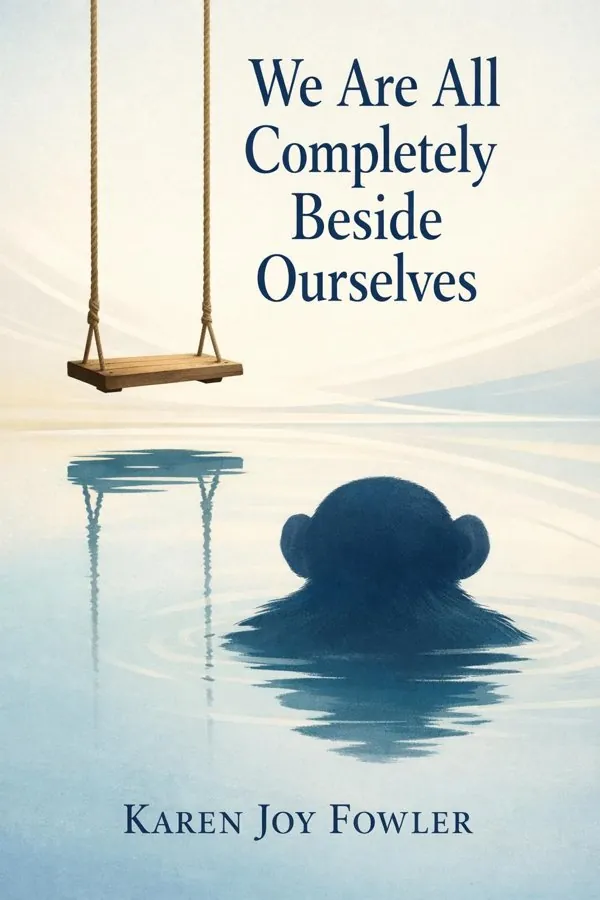
Karen Joy Fowler is an American author celebrated for fiction that combines literary depth, psychological insight, and an inventive sense of form. Born in Bloomington, Indiana, in 1950, she became known for novels and stories that often explore social convention, family dynamics, gender, and the hidden narratives shaping human behavior. Her major works include Sarah Canary, Sister Noon, The Jane Austen Book Club, and We Are All Completely Beside Ourselves, which won the PEN/Faulkner Award and brought her wide international recognition. Fowler is also admired for moving fluidly between mainstream literary fiction and speculative modes without losing emotional realism. In The Jane Austen Book Club, she brings her characteristic wit and intelligence to a warm, perceptive story about reading, friendship, and the enduring relevance of classic literature.
Get This Summary in Your Preferred Format
Read or listen to the The Jane Austen Book Club summary by Karen Joy Fowler anytime, anywhere. FizzRead offers multiple formats so you can learn on your terms — all free.
Available formats: App · Audio · PDF · EPUB — All included free with FizzRead
Download The Jane Austen Book Club PDF and EPUB Summary
Key Quotes from The Jane Austen Book Club
“Austen understood that the people most certain of what others need are often the ones least clear about themselves.”
“Many unhappy relationships do not collapse because of cruelty; they weaken because one person feels unseen in a life that appears perfectly reasonable from the outside.”
“Freedom without reflection can look glamorous right up until the moment consequences arrive.”
“Human beings rarely encounter life as it is; we encounter it through the stories we are already telling about it.”
“One of the most generous acts in adulthood is entering a conversation where you are not the expert and staying open long enough to be changed.”
Frequently Asked Questions about The Jane Austen Book Club
The Jane Austen Book Club by Karen Joy Fowler is a bestsellers book that explores key ideas across 9 chapters. What if the books we choose for comfort begin quietly reading us back? Karen Joy Fowler’s The Jane Austen Book Club starts with a simple premise: six Californians agree to meet once a month and discuss the six novels of Jane Austen. But the club soon becomes more than a literary pastime. As Jocelyn, Sylvia, Allegra, Prudie, Bernadette, and Grigg move through Emma, Sense and Sensibility, Mansfield Park, Northanger Abbey, Pride and Prejudice, and Persuasion, their own lives begin to echo Austen’s concerns with desire, disappointment, class, marriage, loyalty, and second chances. Affairs simmer, divorces sting, parents worry, friends interfere, and unexpected romances emerge. Fowler’s achievement lies in how effortlessly she translates Austen’s emotional intelligence into a modern American setting. Rather than retelling Austen, she shows why Austen still matters: the social rituals may change, but misjudgment, longing, loneliness, and hope remain timeless. Warm, witty, and quietly piercing, this novel is both a love letter to reading and a sharp portrait of adulthood. It matters because it reminds us that literature is not an escape from life; it is often a guide for living it more honestly.
More by Karen Joy Fowler

You Might Also Like

The Godfather
Mario Puzo
10 min
The Handmaid's Tale
Margaret Atwood
10 min
The Hunger Games
Suzanne Collins
10 min
The Nightingale
Kristin Hannah
10 min
The Seven Husbands of Evelyn Hugo
Taylor Jenkins Reid
10 min
Backwater Justice
Fern Michaels
10 minBrowse by Category
Ready to read The Jane Austen Book Club?
Get the full summary and 100K+ more books with Fizz Moment.