
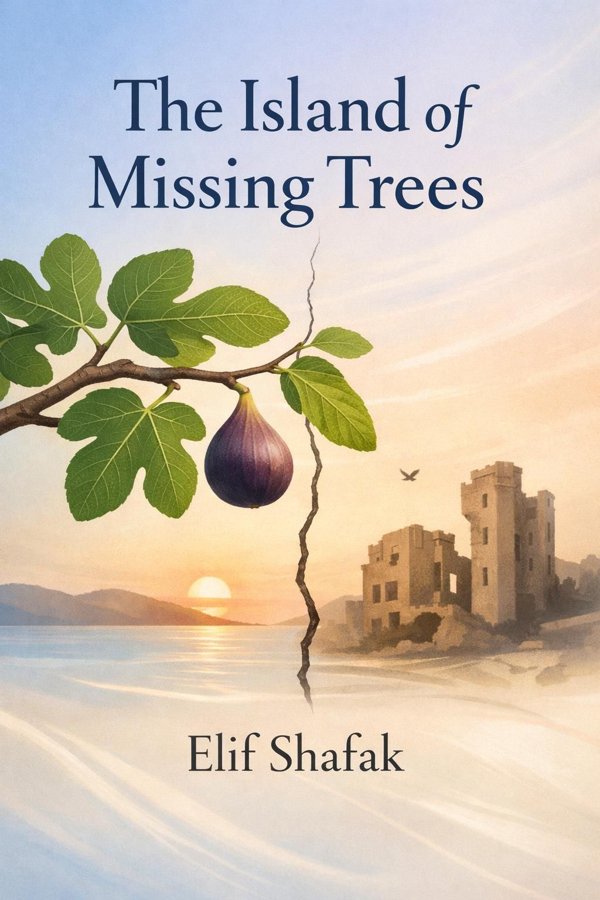
The Island of Missing Trees: Summary & Key Insights
by Elif Shafak
 10 min4 chaptersAudio available
What Is The Island of Missing Trees About?
The Island of Missing Trees by Elif Shafak is a bestsellers book spanning 4 pages. Set in Cyprus and London, this novel explores love, memory, and the scars of war through the story of two lovers divided by conflict and a fig tree that bears witness to their lives. It intertwines human and natural histories, reflecting on identity, belonging, and the resilience of nature.
This FizzRead summary covers all 4 key chapters of The Island of Missing Trees in approximately 10 minutes, distilling the most important ideas, arguments, and takeaways from Elif Shafak's work. Also available as an audio summary and Key Quotes Podcast.
The Island of Missing Trees
Set in Cyprus and London, this novel explores love, memory, and the scars of war through the story of two lovers divided by conflict and a fig tree that bears witness to their lives. It intertwines human and natural histories, reflecting on identity, belonging, and the resilience of nature.
Who Should Read The Island of Missing Trees?
This book is perfect for anyone interested in bestsellers and looking to gain actionable insights in a short read. Whether you're a student, professional, or lifelong learner, the key ideas from The Island of Missing Trees by Elif Shafak will help you think differently.
- ✓Readers who enjoy bestsellers and want practical takeaways
- ✓Professionals looking to apply new ideas to their work and life
- ✓Anyone who wants the core insights of The Island of Missing Trees in just 10 minutes
Want the full summary?
Get instant access to this book summary and 100K+ more with Fizz Moment.
Get Free SummaryAvailable on App Store • Free to download
Key Chapters
Ada Kazantzakis is a teenager in London who feels adrift. Her mother, Defne, recently passed away, and her father, Kostas, struggles to speak about their shared past. The silence in their home is not emptiness—it is density. It carries years of unspoken sorrow, cultural disconnection, and the invisible inheritance of a divided island. Ada’s classmates do not know that her family is Cypriot. She herself doesn’t fully know what that means. Her anger bursts through in unexpected moments, and one day in class she finds herself screaming, overwhelmed by a grief she cannot articulate.
It is here that the fig tree begins to speak.
The fig tree in Ada’s garden is no ordinary plant. It was once part of a tavern wall in Cyprus—a witness to secret meetings, whispered declarations, and the destruction of a homeland fractured by ethnic war. Through its voice, the novel offers a unique perspective: nature is not passive but deeply interwoven with human stories. The tree remembers seasons of joy and horror alike, holding the pulses of history within its bark.
As the tree narrates, we learn that it was replanted in London from a cutting Kostas carried with immense care. This act itself is an emotional transplant—an attempt to preserve continuity in exile. The fig embodies resilience: its roots, able to adapt from Mediterranean sun to London frost, mirror the adaptability of displaced people trying to re-root themselves in unfamiliar soil.
I wrote the fig tree’s voice to dissolve boundaries—between life and death, between flora and human consciousness. Through its reflections, I wanted readers to feel that the natural world is never separate from us; it carries our conflicts, nurtures our forgotten dreams, and bridges generations even when family stories fall silent. Ada, though unaware, is already sheltered by the memory encoded in this tree. Every branch, every leaf, remembers what her parents endured. The fig tree, by telling its story, becomes a vessel through which Ada—and we—might rediscover the truth buried beneath layers of history and silence.
In Cyprus of the 1970s, Kostas and Defne are young and in love. He is a Greek Cypriot; she is Turkish Cypriot. Their union is forbidden—not because love fails them but because hatred, thriving in the alleys and political slogans of their island, dictates that they cannot be together. At that time, Cyprus was tense with ethnic strife, its communities divided and manipulated by forces larger than themselves. In such an atmosphere, their love becomes resistance, an act of courage as natural and fragile as the fig tree growing in their secret meeting place.
They meet in a tavern called The Happy Fig, a sanctuary away from prejudice and violence. Inside its walls, they share dreams, whispers, and laughter. The fig growing here witnesses every secret moment, absorbing the sweetness of human connection amid the bitterness of conflict. When violence erupts—the military intervention, the burning homes, the displaced families—the tavern is destroyed and the lovers torn apart. Kostas is sent abroad, and Defne is left to face a shattered island.
I wanted their love to reflect how intimacy endures in the face of national division. It asks whether love can thrive amid inherited animosity, and what it means to carry affection for someone across fault lines that history has drawn. For Kostas, exile becomes an act of survival but also a fracture; for Defne, staying is a form of mourning and defiant hope. She joins archaeological work documenting mass graves, dedicating her life to unearthing truths that others wish to bury.
In portraying their story, I wanted to humanize conflict without simplifying it. Kostas and Defne are not symbols—they are individuals whose tenderness challenges the rigidity of collective identity. Their pain intertwines with Cyprus’s own: the way the earth is split, the way roots reach across boundaries seeking nourishment wherever they can. Through them, I depict love not as escape but as endurance—something that persists even when history conspires against it.
+ 2 more chapters — available in the FizzRead app
All Chapters in The Island of Missing Trees
About the Author
Elif Shafak is a British-Turkish novelist, essayist, and academic known for her works exploring identity, multiculturalism, and the intersection of East and West. She has been shortlisted for major literary awards and is recognized as one of the most prominent contemporary voices in world literature.
Get This Summary in Your Preferred Format
Read or listen to the The Island of Missing Trees summary by Elif Shafak anytime, anywhere. FizzRead offers multiple formats so you can learn on your terms — all free.
Available formats: App · Audio · PDF · EPUB — All included free with FizzRead
Download The Island of Missing Trees PDF and EPUB Summary
Key Quotes from The Island of Missing Trees
“Ada Kazantzakis is a teenager in London who feels adrift.”
“In Cyprus of the 1970s, Kostas and Defne are young and in love.”
Frequently Asked Questions about The Island of Missing Trees
The Island of Missing Trees by Elif Shafak is a bestsellers book that explores key ideas across 4 chapters. Set in Cyprus and London, this novel explores love, memory, and the scars of war through the story of two lovers divided by conflict and a fig tree that bears witness to their lives. It intertwines human and natural histories, reflecting on identity, belonging, and the resilience of nature.
More by Elif Shafak

You Might Also Like
The Godfather
Mario Puzo
10 min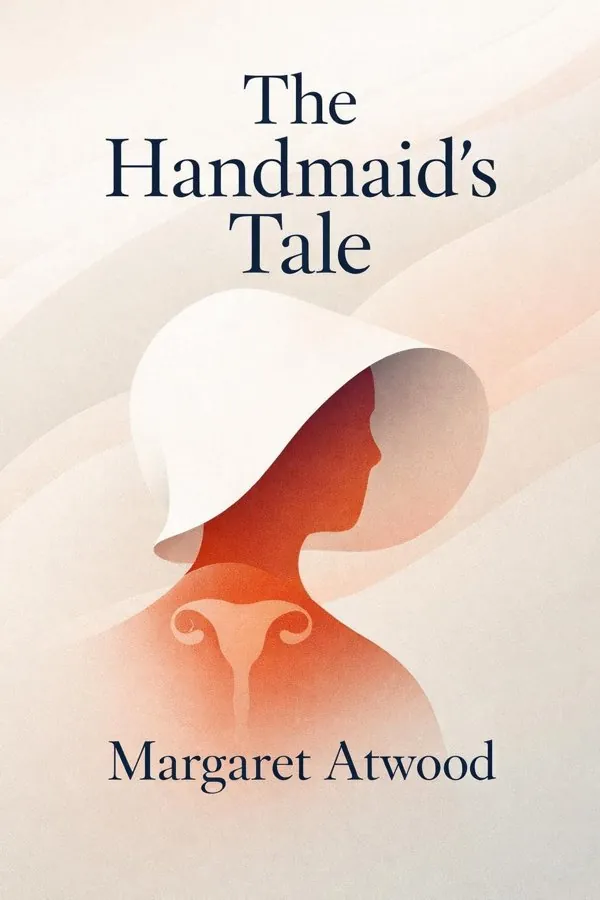
The Handmaid's Tale
Margaret Atwood
10 min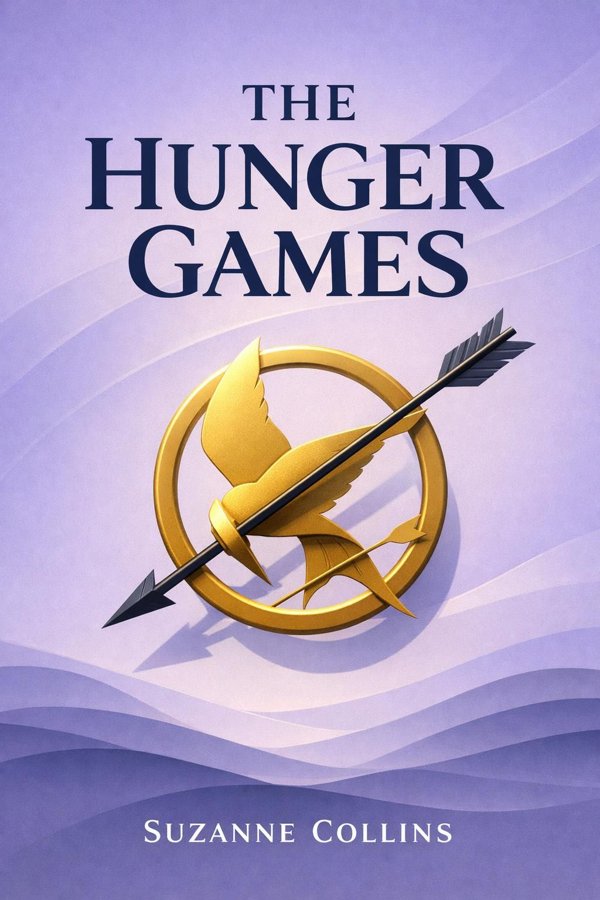
The Hunger Games
Suzanne Collins
10 min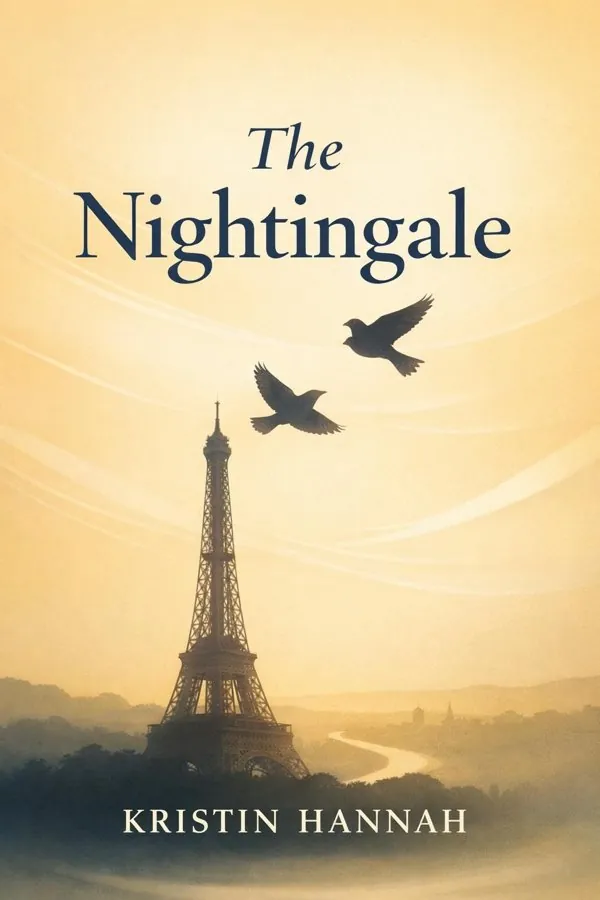
The Nightingale
Kristin Hannah
10 min
The Seven Husbands of Evelyn Hugo
Taylor Jenkins Reid
10 min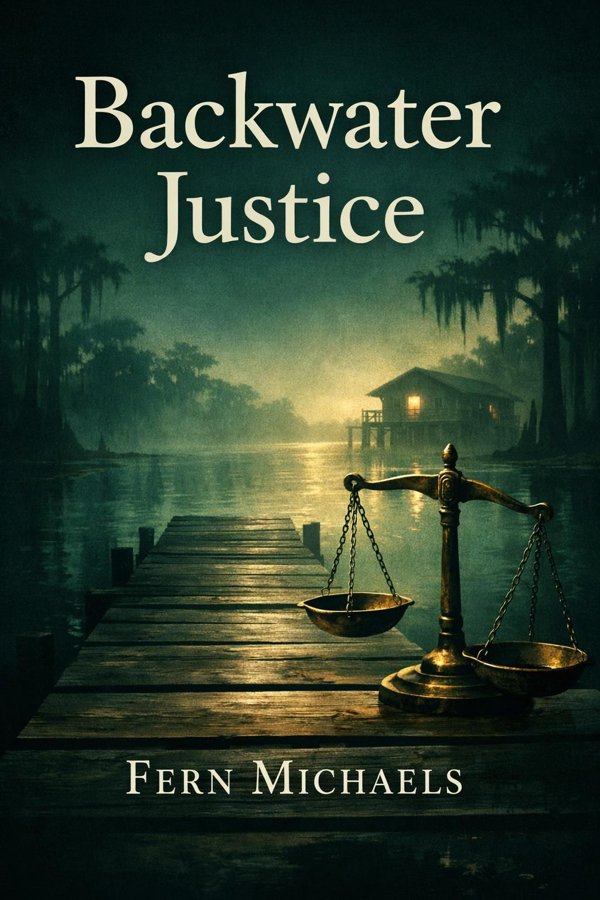
Backwater Justice
Fern Michaels
10 minBrowse by Category
Ready to read The Island of Missing Trees?
Get the full summary and 100K+ more books with Fizz Moment.