
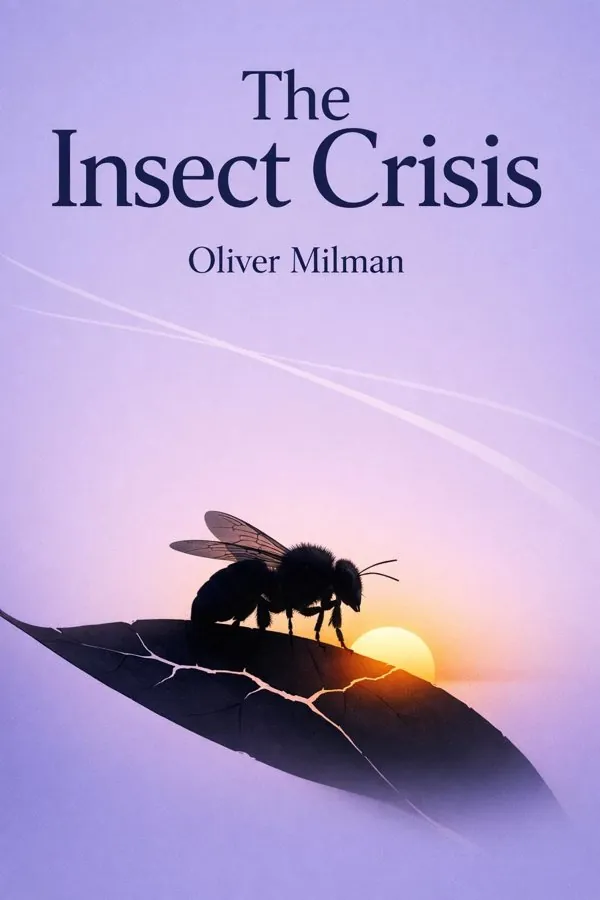
The Insect Crisis: The Fall of the Tiny Empires That Run the World: Summary & Key Insights
 10 min10 chaptersAudio available
What Is The Insect Crisis: The Fall of the Tiny Empires That Run the World About?
The Insect Crisis: The Fall of the Tiny Empires That Run the World by Oliver Milman is a environment book spanning 10 pages. A revelatory exploration of the global decline of insect populations and the profound consequences for ecosystems and humanity. Oliver Milman investigates the causes behind the collapse of insect life—from habitat loss and pesticides to climate change—and highlights the urgent need for conservation efforts to preserve these essential creatures that sustain the planet’s biodiversity and food systems.
This FizzRead summary covers all 10 key chapters of The Insect Crisis: The Fall of the Tiny Empires That Run the World in approximately 10 minutes, distilling the most important ideas, arguments, and takeaways from Oliver Milman's work. Also available as an audio summary and Key Quotes Podcast.
The Insect Crisis: The Fall of the Tiny Empires That Run the World
A revelatory exploration of the global decline of insect populations and the profound consequences for ecosystems and humanity. Oliver Milman investigates the causes behind the collapse of insect life—from habitat loss and pesticides to climate change—and highlights the urgent need for conservation efforts to preserve these essential creatures that sustain the planet’s biodiversity and food systems.
Who Should Read The Insect Crisis: The Fall of the Tiny Empires That Run the World?
This book is perfect for anyone interested in environment and looking to gain actionable insights in a short read. Whether you're a student, professional, or lifelong learner, the key ideas from The Insect Crisis: The Fall of the Tiny Empires That Run the World by Oliver Milman will help you think differently.
- ✓Readers who enjoy environment and want practical takeaways
- ✓Professionals looking to apply new ideas to their work and life
- ✓Anyone who wants the core insights of The Insect Crisis: The Fall of the Tiny Empires That Run the World in just 10 minutes
Want the full summary?
Get instant access to this book summary and 100K+ more with Fizz Moment.
Get Free SummaryAvailable on App Store • Free to download
Key Chapters
For most of Earth’s history, insects have been unstoppable. They evolved almost 400 million years ago and colonized nearly every environment imaginable—from rainforest canopies to the cryptic depths of soil. Their diversity is staggering: more than one million described species and millions more unknown. Wherever there is organic matter, insects are at work recycling, pollinating, decomposing, and defending the delicate balances of ecosystems.
I like to think of them as the planet’s engineers operating on a scale we rarely notice. Ants till the soil and aerate roots. Beetles recycle dead wood into life. Butterflies and bees orchestrate pollination systems so finely tuned that without them, many plant species would disappear. The historical abundance of insects is more than a natural wonder; it has been the invisible foundation of human civilization. From crops to forests, from the fish that depend on insect prey to the birds that feed their chicks each spring, this interconnected engine keeps worlds alive.
But abundance can make blindness easy. For centuries, humans assumed insects were infinite. We sprayed pesticides, bulldozed wetlands, and introduced monocultures without imagining the cumulative cost. Only now, as the decline becomes measurable, do we grasp the fragility of what we have taken for granted.
When the first long-term insect decline studies emerged, many scientists were astonished by the numbers. Work conducted in German nature reserves revealed a staggering three-quarters loss of flying insect biomass within three decades. In Puerto Rico, entomologists found a similar collapse even within protected forests. The clues were everywhere: fewer insects on windshields, diminishing bird populations that rely on insects for food, and increasing instability in ecosystems once considered resilient.
These findings point to a pattern that transcends geography. Whether in Europe, North America, Asia, or Australia, insect populations are shrinking at rates unprecedented in recorded history. This isn’t just about a few rare species—it’s about the fabric of biodiversity itself unraveling. Some declines are localized; others are global. Even the most common creatures, once thought indestructible, are disappearing from fields and forests.
The crisis is systematic. It does not follow the slow rhythm of natural extinction but the accelerated pace of human disruption. As I traveled and interviewed scientists, farmers, and conservationists, a clear picture formed: nearly every factor of modern development—from chemicals to climate—conspires against these tiny beings.
+ 8 more chapters — available in the FizzRead app
All Chapters in The Insect Crisis: The Fall of the Tiny Empires That Run the World
About the Author
Oliver Milman is an environmental journalist and writer based in the United States. He serves as a correspondent for The Guardian, covering climate change, biodiversity, and environmental policy. His work focuses on the intersection of science, ecology, and human impact on the natural world.
Get This Summary in Your Preferred Format
Read or listen to the The Insect Crisis: The Fall of the Tiny Empires That Run the World summary by Oliver Milman anytime, anywhere. FizzRead offers multiple formats so you can learn on your terms — all free.
Available formats: App · Audio · PDF · EPUB — All included free with FizzRead
Download The Insect Crisis: The Fall of the Tiny Empires That Run the World PDF and EPUB Summary
Key Quotes from The Insect Crisis: The Fall of the Tiny Empires That Run the World
“For most of Earth’s history, insects have been unstoppable.”
“When the first long-term insect decline studies emerged, many scientists were astonished by the numbers.”
Frequently Asked Questions about The Insect Crisis: The Fall of the Tiny Empires That Run the World
The Insect Crisis: The Fall of the Tiny Empires That Run the World by Oliver Milman is a environment book that explores key ideas across 10 chapters. A revelatory exploration of the global decline of insect populations and the profound consequences for ecosystems and humanity. Oliver Milman investigates the causes behind the collapse of insect life—from habitat loss and pesticides to climate change—and highlights the urgent need for conservation efforts to preserve these essential creatures that sustain the planet’s biodiversity and food systems.
You Might Also Like

A Life on Our Planet: My Witness Statement and a Vision for the Future
David Attenborough
10 min
A Sky Full Of Birds
Matt Merritt
10 min
Carbon Zero: Imagining Cities That Can Save the Planet
Alex Steffen
10 min
Eaarth: Making a Life on a Tough New Planet
Bill McKibben
10 min
The Social Contract and Environmental Governance
Various Editors
10 min
The Wild Places
Robert Macfarlane
10 minBrowse by Category
Ready to read The Insect Crisis: The Fall of the Tiny Empires That Run the World?
Get the full summary and 100K+ more books with Fizz Moment.