
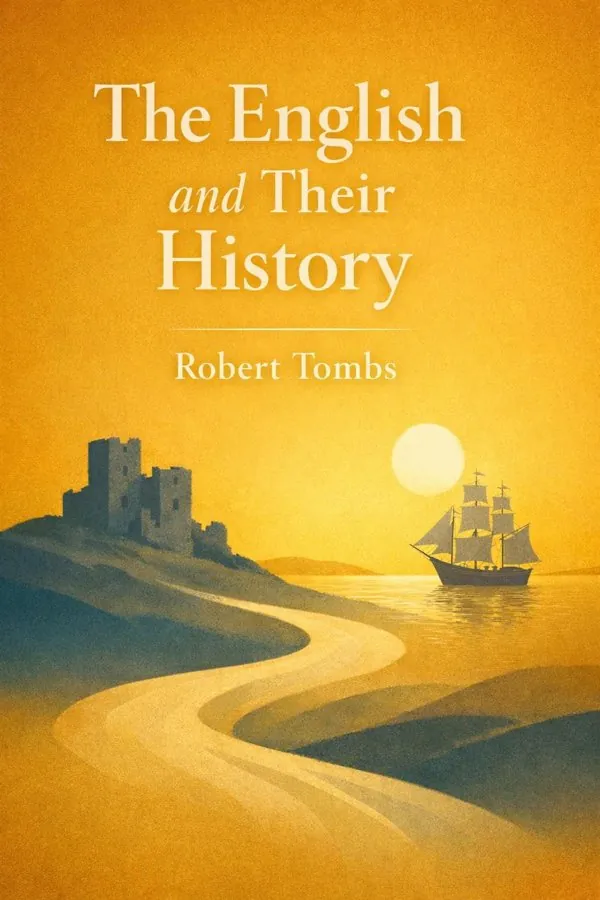
The English and Their History: Summary & Key Insights
by Robert Tombs
 10 min13 chaptersAudio available
What Is The English and Their History About?
The English and Their History by Robert Tombs is a world_history book spanning 13 pages. A comprehensive and deeply researched account of England’s history from its earliest origins to the modern era. Robert Tombs explores the political, social, and cultural evolution of the English people, examining how their identity and institutions have shaped and been shaped by historical events. The book offers a panoramic view of England’s development, emphasizing continuity and change across centuries.
This FizzRead summary covers all 13 key chapters of The English and Their History in approximately 10 minutes, distilling the most important ideas, arguments, and takeaways from Robert Tombs's work. Also available as an audio summary and Key Quotes Podcast.
The English and Their History
A comprehensive and deeply researched account of England’s history from its earliest origins to the modern era. Robert Tombs explores the political, social, and cultural evolution of the English people, examining how their identity and institutions have shaped and been shaped by historical events. The book offers a panoramic view of England’s development, emphasizing continuity and change across centuries.
Who Should Read The English and Their History?
This book is perfect for anyone interested in world_history and looking to gain actionable insights in a short read. Whether you're a student, professional, or lifelong learner, the key ideas from The English and Their History by Robert Tombs will help you think differently.
- ✓Readers who enjoy world_history and want practical takeaways
- ✓Professionals looking to apply new ideas to their work and life
- ✓Anyone who wants the core insights of The English and Their History in just 10 minutes
Want the full summary?
Get instant access to this book summary and 100K+ more with Fizz Moment.
Get Free SummaryAvailable on App Store • Free to download
Key Chapters
The story begins long before there was any notion of “Englishness.” Prehistoric Britain was a landscape of tribes adapting to shifting climates, migrating patterns, and new technologies. When Rome conquered Britain in the first century CE, it introduced urban life, roads, written law, and imperial administration. Yet even Rome’s presence, lasting almost four centuries, remained an overlay: Britain absorbed Roman civilization but remained distinct at its fringes. When Rome retreated, the island was not left desolate—it was left with seeds of identity and habit that would shape later societies.
In these remote centuries I see continuity in geography and in human effort. The combination of isolation and exposure—the island’s separation from the continent, yet its vulnerability to invasion—set the pattern for English history. England would always be both independent and international. The Roman departure around 410 did not erase complexity; it transformed it. Out of local leadership, conflict, and hybrid culture rose something new: a patchwork of kingdoms that began calling themselves *Angli* and *Saxones*, the first to use the term *Englaland*. Their fusion of pagan heroism and Christian faith crafted what became the earliest recognizable English civilization.
The Anglo‑Saxon age gives England its roots in language, law, and governance. From petty kingdoms such as Northumbria, Mercia, and Wessex emerged the first durable sense of community. This era’s kings sought unity through faith and force; Alfred the Great represents its highest ideal—a ruler who combined scholarship and military defense to protect and educate his people.
What fascinates me here is the creative energy of early English culture. Monasteries became centers of learning; vernacular poetry expressed both warrior and spiritual values. The dream of a single ‘English people’ hinted at national consciousness long before modern nationalism existed. The Anglo‑Saxon Chronicle, a remarkable continuous record begun in Alfred’s time, reveals how the English began seeing history as their shared memory.
England’s legal and administrative systems also took shape. Local responsibility, in the form of shires and hundreds, nurtured habits of consultation and self‑government. Christianity bound disparate tribes together through common institutions. By the tenth century, England appeared as a coherent kingdom with its own language and bureaucracy—a rarity in medieval Europe. The foundation had been laid: a people who prized law and local order, speaking an evolving yet remarkably enduring tongue.
+ 11 more chapters — available in the FizzRead app
All Chapters in The English and Their History
About the Author
Robert Tombs is a British historian and professor of history at St John’s College, University of Cambridge. He specializes in modern European and British history and is known for his works on Franco-British relations and national identity. His scholarship combines rigorous historical analysis with accessible narrative.
Get This Summary in Your Preferred Format
Read or listen to the The English and Their History summary by Robert Tombs anytime, anywhere. FizzRead offers multiple formats so you can learn on your terms — all free.
Available formats: App · Audio · PDF · EPUB — All included free with FizzRead
Download The English and Their History PDF and EPUB Summary
Key Quotes from The English and Their History
“The story begins long before there was any notion of “Englishness.”
“The Anglo‑Saxon age gives England its roots in language, law, and governance.”
Frequently Asked Questions about The English and Their History
The English and Their History by Robert Tombs is a world_history book that explores key ideas across 13 chapters. A comprehensive and deeply researched account of England’s history from its earliest origins to the modern era. Robert Tombs explores the political, social, and cultural evolution of the English people, examining how their identity and institutions have shaped and been shaped by historical events. The book offers a panoramic view of England’s development, emphasizing continuity and change across centuries.
You Might Also Like
The Age of Capital
Eric Hobsbawm
10 min
The Gulag Archipelago
Aleksandr Solzhenitsyn
10 min
Jerusalem: The Biography
Simon Sebag Montefiore
10 min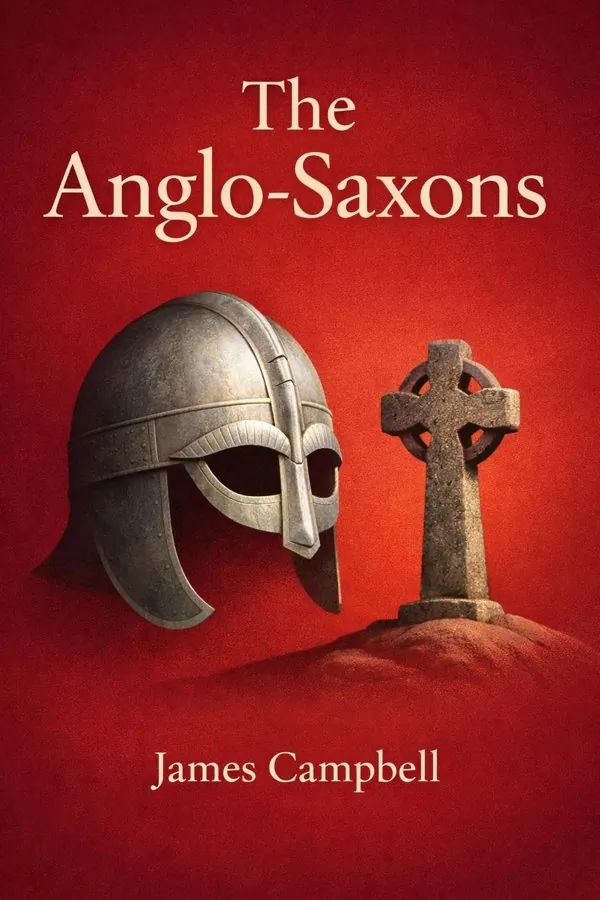
The Anglo-Saxons
James Campbell
10 min
The Boer War
Thomas Pakenham
10 min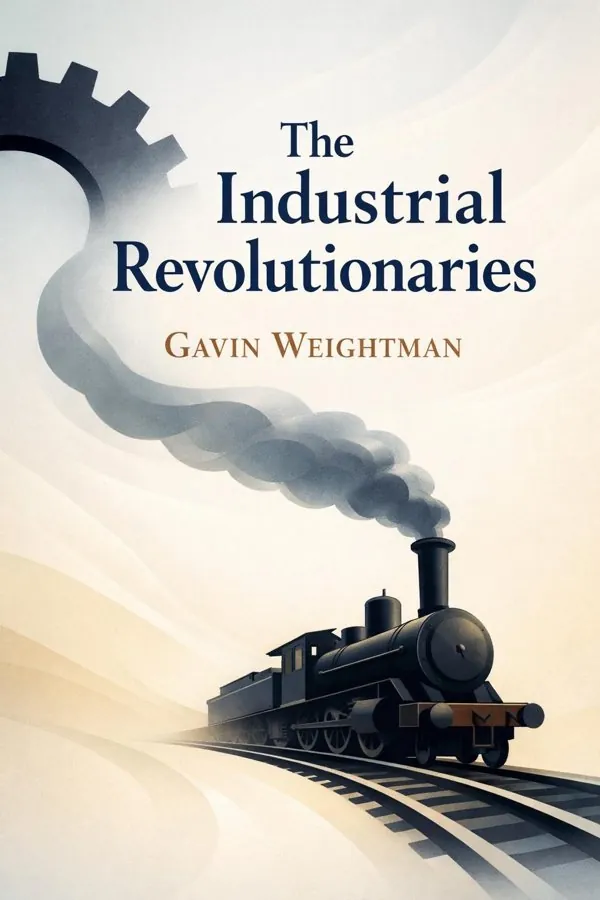
The Industrial Revolutionaries: The Making of the Modern World 1776–1914
Gavin Weightman
10 minBrowse by Category
Ready to read The English and Their History?
Get the full summary and 100K+ more books with Fizz Moment.