
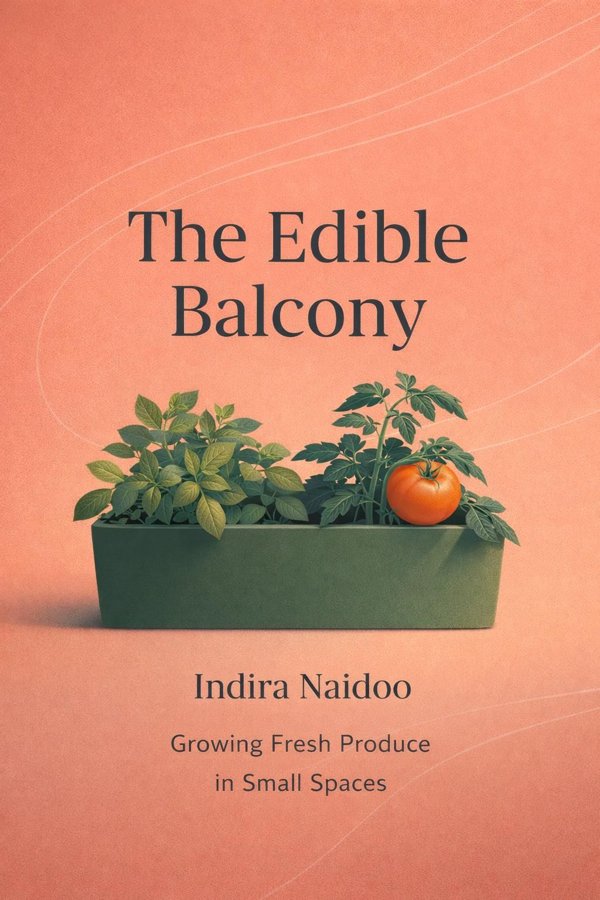
The Edible Balcony: Growing Fresh Produce in Small Spaces: Summary & Key Insights
 10 min9 chaptersAudio available
Key Takeaways from The Edible Balcony: Growing Fresh Produce in Small Spaces
Every successful small-space garden begins with observation, not planting.
A productive garden does not have to look chaotic, and a beautiful garden does not have to be unproductive.
In balcony gardening, the container is your garden bed and the soil is your farm.
The smartest gardeners do not begin by asking what they want to grow; they begin by asking what can thrive where they live.
Most balcony gardens fail not because people lack enthusiasm, but because containers dry out faster than expected.
What Is The Edible Balcony: Growing Fresh Produce in Small Spaces About?
The Edible Balcony: Growing Fresh Produce in Small Spaces by Indira Naidoo is a environment book spanning 8 pages. The Edible Balcony: Growing Fresh Produce in Small Spaces is both a gardening manual and a hopeful urban manifesto. In this practical, visually rich book, Indira Naidoo shows that you do not need a backyard, a suburban block, or years of horticultural training to grow real food. Starting with her own small Sydney balcony, she explains how even the most modest city space can become a productive garden filled with herbs, vegetables, flowers, and fruit. The book covers the essentials of balcony gardening, from assessing sunlight and wind to choosing containers, building healthy soil, managing water, and harvesting what you grow. But it also goes further, connecting home food production with sustainability, wellbeing, and community. Naidoo writes with the authority of someone who has actually lived the experiment: she transformed a concrete apartment balcony into a thriving edible oasis and documented what worked, what failed, and what surprised her. For readers concerned about food quality, environmental impact, or simply the pleasure of growing something with their own hands, this book offers an inspiring and achievable path forward.
This FizzRead summary covers all 9 key chapters of The Edible Balcony: Growing Fresh Produce in Small Spaces in approximately 10 minutes, distilling the most important ideas, arguments, and takeaways from Indira Naidoo's work. Also available as an audio summary and Key Quotes Podcast.
The Edible Balcony: Growing Fresh Produce in Small Spaces
The Edible Balcony: Growing Fresh Produce in Small Spaces is both a gardening manual and a hopeful urban manifesto. In this practical, visually rich book, Indira Naidoo shows that you do not need a backyard, a suburban block, or years of horticultural training to grow real food. Starting with her own small Sydney balcony, she explains how even the most modest city space can become a productive garden filled with herbs, vegetables, flowers, and fruit. The book covers the essentials of balcony gardening, from assessing sunlight and wind to choosing containers, building healthy soil, managing water, and harvesting what you grow. But it also goes further, connecting home food production with sustainability, wellbeing, and community. Naidoo writes with the authority of someone who has actually lived the experiment: she transformed a concrete apartment balcony into a thriving edible oasis and documented what worked, what failed, and what surprised her. For readers concerned about food quality, environmental impact, or simply the pleasure of growing something with their own hands, this book offers an inspiring and achievable path forward.
Who Should Read The Edible Balcony: Growing Fresh Produce in Small Spaces?
This book is perfect for anyone interested in environment and looking to gain actionable insights in a short read. Whether you're a student, professional, or lifelong learner, the key ideas from The Edible Balcony: Growing Fresh Produce in Small Spaces by Indira Naidoo will help you think differently.
- ✓Readers who enjoy environment and want practical takeaways
- ✓Professionals looking to apply new ideas to their work and life
- ✓Anyone who wants the core insights of The Edible Balcony: Growing Fresh Produce in Small Spaces in just 10 minutes
Want the full summary?
Get instant access to this book summary and 100K+ more with Fizz Moment.
Get Free SummaryAvailable on App Store • Free to download
Key Chapters
Every successful small-space garden begins with observation, not planting. One of Naidoo’s most important lessons is that balconies are not generic blank canvases. They are microclimates with their own habits, moods, and constraints. A balcony may receive fierce afternoon sun, only a few hours of morning light, or strong wind that dries containers almost instantly. It may trap heat from nearby walls, collect rain unevenly, or carry weight restrictions that affect what you can place there. Before buying pots or seedlings, Naidoo encourages readers to pause and study the space closely.
This means noticing how sunlight moves across the balcony during the day and across seasons. A corner that looks bright at noon may be shaded for most of the morning. Wind can damage delicate leaves, topple tall plants, and increase water loss, so exposed balconies may need screens, trellises, or sturdier plant choices. Privacy, drainage, access to water, and building rules also matter. If carrying heavy watering cans through your apartment is inconvenient, your irrigation habits may fail over time. If your balcony cannot support many heavy ceramic pots, lighter containers become essential.
Naidoo’s approach is deeply practical because it prevents expensive mistakes. A tomato placed in insufficient sun will disappoint no matter how carefully it is watered. Tender herbs exposed to hot reflected heat may bolt quickly. By reading the site first, you make better decisions about layout, crop selection, and container size.
The larger insight is that gardening is a relationship with place. Instead of forcing a dream garden onto a difficult space, you work with the balcony you actually have. Actionable takeaway: spend one week mapping sunlight, wind, temperature, and access on your balcony before buying any plants, then choose crops that suit those real conditions.
A productive garden does not have to look chaotic, and a beautiful garden does not have to be unproductive. Naidoo treats balcony design as both an aesthetic and practical exercise. In small spaces, every pot must earn its place, so layout matters far more than in a large backyard where mistakes can be hidden. The goal is to create a space that is easy to maintain, pleasant to spend time in, and efficient enough to support edible abundance.
She shows how to think vertically and strategically. Railings, shelves, wall planters, hanging baskets, and stacked arrangements can dramatically increase growing area without crowding the floor. Taller plants can provide shade or shelter for more delicate ones, while trailing herbs or strawberries can soften edges and maximize visual appeal. Grouping plants by water needs or sun preferences also makes maintenance easier. For example, thirsty leafy greens can be clustered together, while drought-tolerant herbs like rosemary and thyme can share a sunnier, drier zone.
Good design also considers movement. You need space to open doors, turn around, water comfortably, and harvest without stepping over containers. If reaching a plant is awkward, it will likely be neglected. Naidoo’s balcony is not simply a display; it is a working ecosystem and a lived-in outdoor room. The emotional value of this matters. A balcony that invites you outside will be cared for more consistently than one that feels cluttered and stressful.
The key point is that planning saves effort later. Design is not decoration added after the gardening work is done; it is part of the gardening work itself. Actionable takeaway: sketch your balcony and assign zones for sun-loving crops, shade-tolerant crops, seating, and watering access before arranging containers.
In balcony gardening, the container is your garden bed and the soil is your farm. Because roots are confined, plants depend entirely on the quality of the growing environment you create. Naidoo emphasizes that choosing the right pots and potting mix is not a minor technical detail but the foundation of success. Poor soil, inadequate drainage, or pots that are too small can limit growth long before pests or weather become an issue.
Different containers offer different benefits. Terracotta breathes but dries out quickly. Plastic is lightweight and retains moisture better but may heat up in direct sun. Recycled containers can work beautifully if they drain well and are safe for food-growing. Window boxes suit herbs and leafy greens, while deeper pots are essential for tomatoes, eggplants, beans, and citrus. Weight is a real concern on balconies, so Naidoo encourages balancing durability, appearance, and structural practicality.
Soil deserves equal attention. Garden soil from the ground is usually too dense for pots and can lead to compaction, poor drainage, and root problems. A good-quality potting mix designed for containers offers aeration, moisture retention, and nutrients. Naidoo also highlights the importance of enriching soil over time with compost, worm castings, or organic fertilizers, because container plants exhaust their resources quickly. Mulch can reduce evaporation and protect surface roots, especially in hot urban conditions.
The broader lesson is that when space is limited, each growing position must perform well. Investing in strong fundamentals pays off with healthier plants, better harvests, and fewer disappointments. Actionable takeaway: match pot depth to plant needs, ensure every container drains properly, and refresh or enrich your potting mix regularly rather than treating it as a one-time setup.
The smartest gardeners do not begin by asking what they want to grow; they begin by asking what can thrive where they live. Naidoo encourages readers to choose plants based on climate, season, light levels, and available space rather than fantasy gardening. This is especially important on balconies, where conditions can be more extreme than on the ground. Heat reflects from walls, wind can be harsher, and root space is limited. Selecting the right crops dramatically increases the odds of success.
Herbs are often the ideal starting point because many are compact, productive, and useful in daily cooking. Basil, parsley, mint, chives, coriander, and thyme can all perform well if matched to the right conditions. Leafy greens such as lettuce, rocket, spinach, and Asian greens are rewarding because they grow quickly and can be harvested repeatedly. For larger rewards, dwarf or compact varieties of tomatoes, chillies, beans, strawberries, and even citrus may suit a sunny balcony. Shade-tolerant options can make use of less-than-perfect spaces, while edible flowers add both pollinator value and visual beauty.
Naidoo also values diversity. A mix of crops spreads risk and extends the harvest season. If one plant struggles, others may thrive. Fast-growing greens provide quick wins, while slower plants such as citrus or climbing beans offer longer-term satisfaction. Companion planting, succession sowing, and choosing varieties bred for containers all help small spaces produce more.
The deeper message is liberating: you do not need to grow everything. You only need to grow what has a good chance of rewarding you. Actionable takeaway: choose three easy, high-use crops that suit your actual light and climate, then expand only after those are growing confidently.
Most balcony gardens fail not because people lack enthusiasm, but because containers dry out faster than expected. Naidoo treats watering as one of the central disciplines of edible gardening. In pots, roots cannot reach deeper reserves of moisture, so plants depend on the gardener’s consistency. Heat, wind, container material, plant size, and season all influence how quickly moisture disappears. Learning to water well is less about following a fixed schedule and more about developing sensitivity to changing conditions.
She explains that overwatering and underwatering can both cause stress. Soggy soil can suffocate roots and encourage disease, while repeated drying weakens growth, reduces yields, and makes plants vulnerable. The solution is observation. Check soil with your finger, notice drooping leaves, and pay attention to how quickly different containers dry. A large tomato in a dark pot on a windy summer balcony may need much more water than a shaded pot of thyme. Grouping plants with similar needs can simplify care.
Maintenance extends beyond watering. Deadheading, pruning, feeding, staking, and regular harvesting all keep plants healthy and productive. Balcony gardening rewards small, frequent actions rather than occasional heroic effort. A few minutes each day can prevent problems from escalating. Automatic watering systems, self-watering pots, saucers used carefully, and mulch can all reduce stress for busy gardeners.
Naidoo’s broader insight is that maintenance creates intimacy. Repeated contact with plants teaches timing, resilience, and patience. This routine is not a burden so much as the rhythm of the garden. Actionable takeaway: inspect your balcony garden briefly every day, water based on soil moisture rather than habit, and set up simple systems like mulch or drip irrigation to support consistency.
A balcony garden may be physically small, but its environmental meaning can be surprisingly large. Naidoo frames edible gardening as an everyday sustainability practice that reconnects people with the origins of food while reducing waste and dependence on long supply chains. Growing even a modest amount of herbs, greens, or tomatoes does not make anyone fully self-sufficient, but it does create a different relationship to consumption. You become more aware of seasons, resources, and the labor behind food.
Her sustainable approach includes composting kitchen scraps, using worm farms, saving water where possible, reusing containers, and favoring organic inputs over chemical-heavy solutions. A worm farm is especially well suited to apartment living because it transforms food scraps into nutrient-rich castings and liquid fertilizer without requiring much room. Collecting rainwater may be possible in some settings, while mulching and thoughtful watering reduce waste. Recycled pots, repurposed crates, and secondhand materials lower costs and environmental impact.
Naidoo also highlights biodiversity. Even a small edible balcony can support bees, beneficial insects, and urban birdlife if it includes flowers, varied plant structures, and avoids toxic sprays. In dense cities, these pockets of habitat matter. They cool hard surfaces, soften the built environment, and contribute to ecological resilience in subtle but meaningful ways.
The key contribution here is perspective. Sustainability is not only the domain of policy or large-scale farming; it can begin with the decisions made in a few square meters. Actionable takeaway: adopt one closed-loop habit in your garden this month, such as composting scraps with worms, reusing containers, or replacing chemical fertilizers with organic alternatives.
Homegrown food is valuable not only because it is fresh, but because it changes your attention. Naidoo shows that harvesting from a balcony garden reshapes everyday cooking. A handful of basil cut minutes before dinner, a chilli picked at peak ripeness, or a bowl of salad greens snipped while still cool from the morning air can transform both flavor and attitude. Food becomes less abstract and more immediate. You waste less, improvise more, and begin to cook according to what is ready rather than what a shopping list dictates.
This is why the book includes recipes and culinary ideas alongside gardening guidance. The edible garden is meant to be used, not merely admired. Naidoo encourages harvesting often, because many herbs and leafy vegetables become more productive when regularly picked. Small-space gardening tends to produce modest but meaningful quantities: enough parsley for a sauce, enough rocket for lunch, enough cherry tomatoes for a salad. These harvests may not fill a pantry, but they enrich daily life.
There is also an emotional reward. Eating something you have grown yourself deepens satisfaction in a way store-bought produce rarely does. Children may become more interested in vegetables they helped grow. Adults may rediscover ingredients they had ignored. Even failures are educational, teaching timing, seasonality, and taste.
The larger message is that growing food changes more than the balcony; it changes the kitchen and the mindset of the cook. Actionable takeaway: plant crops you genuinely use each week, then build simple meals around small harvests so your garden becomes part of your routine rather than a separate hobby.
One balcony may seem private, but gardening rarely remains a solitary act for long. Naidoo illustrates how edible gardening can spark conversations, exchange, and inspiration among neighbors, friends, and wider urban communities. A flourishing balcony attracts attention. People ask what you are growing, how you keep plants alive, or whether they can try it themselves. Seeds, cuttings, advice, and produce begin to circulate. What starts as a personal project can become a social catalyst.
This community dimension matters because urban life can be isolating. Gardening offers a gentle, practical way to reconnect. Sharing excess herbs with a neighbor, swapping seedlings, discussing seasonal successes, or learning from local gardeners builds relationships rooted in reciprocity. In apartment buildings, where people often live close together but know little about each other, plants can become conversation starters and bridges.
Naidoo also places her work within a broader movement toward urban sustainability and local food awareness. Balcony gardeners are part of a cultural shift that values fresh food, ecological mindfulness, and the greening of dense cities. Social media, community gardens, local workshops, and neighborhood networks can extend this inspiration further, giving beginners confidence and experienced growers new ideas.
The important insight is that gardening scales socially as well as physically. Even a tiny harvest can carry meaning when shared. The confidence gained from one successful pot of herbs can ripple outward into collective change. Actionable takeaway: share one cutting, seedling, or harvest with someone nearby and use it as an opening to build a small circle of gardening exchange.
Perfection is one of the biggest barriers to starting an edible garden. Many aspiring gardeners delay because they think they need ideal conditions, expensive equipment, or expert knowledge before they begin. Naidoo’s own journey offers a more encouraging truth: balcony gardening is learned through practice, experimentation, and occasional failure. Plants die. Crops underperform. Pests appear. Seasons surprise you. None of this means you are unsuited to gardening. It means you are gardening.
This mindset is especially valuable in small spaces, where each decision feels high stakes. If you only have room for a few containers, a failed crop can seem discouraging. But Naidoo presents setbacks as information rather than defeat. A plant scorched by sun teaches you about exposure. A pot that dries too quickly teaches you about container material or root volume. A herb that thrives reveals where your conditions are strongest. Over time, the balcony becomes a living notebook.
Starting small helps. A beginner does not need ten crop varieties and a complicated irrigation setup. A few herbs, one tomato, and a tray of greens can teach the essentials of light, feeding, watering, pruning, and harvesting. Confidence grows with competence, and competence grows with repetition. The joy comes not from controlling nature perfectly but from participating in it more skillfully over time.
The main lesson is that edible gardening is accessible because it is iterative. You do not need to master everything at once. Actionable takeaway: begin with a small, manageable planting plan, keep notes on what works and what fails, and treat each season as an experiment rather than a final exam.
All Chapters in The Edible Balcony: Growing Fresh Produce in Small Spaces
About the Author
Indira Naidoo is an Australian journalist, television and radio presenter, and author whose work often focuses on social issues, sustainability, food, and urban life. Known for her thoughtful broadcasting career across major Australian media outlets, she has also become a respected voice in the world of practical environmental living. Naidoo gained particular attention for documenting her transformation of a small inner-city balcony into a lush edible garden, proving that productive food growing is possible even in dense apartment settings. Her writing combines firsthand experimentation with clear communication, making complex ideas about gardening and sustainability approachable for everyday readers. Through books, media work, and public advocacy, she encourages people to adopt greener habits, waste less, and reconnect with the sources of their food.
Get This Summary in Your Preferred Format
Read or listen to the The Edible Balcony: Growing Fresh Produce in Small Spaces summary by Indira Naidoo anytime, anywhere. FizzRead offers multiple formats so you can learn on your terms — all free.
Available formats: App · Audio · PDF · EPUB — All included free with FizzRead
Download The Edible Balcony: Growing Fresh Produce in Small Spaces PDF and EPUB Summary
Key Quotes from The Edible Balcony: Growing Fresh Produce in Small Spaces
“Every successful small-space garden begins with observation, not planting.”
“A productive garden does not have to look chaotic, and a beautiful garden does not have to be unproductive.”
“In balcony gardening, the container is your garden bed and the soil is your farm.”
“The smartest gardeners do not begin by asking what they want to grow; they begin by asking what can thrive where they live.”
“Most balcony gardens fail not because people lack enthusiasm, but because containers dry out faster than expected.”
Frequently Asked Questions about The Edible Balcony: Growing Fresh Produce in Small Spaces
The Edible Balcony: Growing Fresh Produce in Small Spaces by Indira Naidoo is a environment book that explores key ideas across 9 chapters. The Edible Balcony: Growing Fresh Produce in Small Spaces is both a gardening manual and a hopeful urban manifesto. In this practical, visually rich book, Indira Naidoo shows that you do not need a backyard, a suburban block, or years of horticultural training to grow real food. Starting with her own small Sydney balcony, she explains how even the most modest city space can become a productive garden filled with herbs, vegetables, flowers, and fruit. The book covers the essentials of balcony gardening, from assessing sunlight and wind to choosing containers, building healthy soil, managing water, and harvesting what you grow. But it also goes further, connecting home food production with sustainability, wellbeing, and community. Naidoo writes with the authority of someone who has actually lived the experiment: she transformed a concrete apartment balcony into a thriving edible oasis and documented what worked, what failed, and what surprised her. For readers concerned about food quality, environmental impact, or simply the pleasure of growing something with their own hands, this book offers an inspiring and achievable path forward.
You Might Also Like

A Life on Our Planet: My Witness Statement and a Vision for the Future
David Attenborough
10 min
A Sky Full Of Birds
Matt Merritt
10 min
Carbon Zero: Imagining Cities That Can Save the Planet
Alex Steffen
10 min
Eaarth: Making a Life on a Tough New Planet
Bill McKibben
10 min
The Social Contract and Environmental Governance
Various Editors
10 min
The Wild Places
Robert Macfarlane
10 minBrowse by Category
Ready to read The Edible Balcony: Growing Fresh Produce in Small Spaces?
Get the full summary and 100K+ more books with Fizz Moment.