
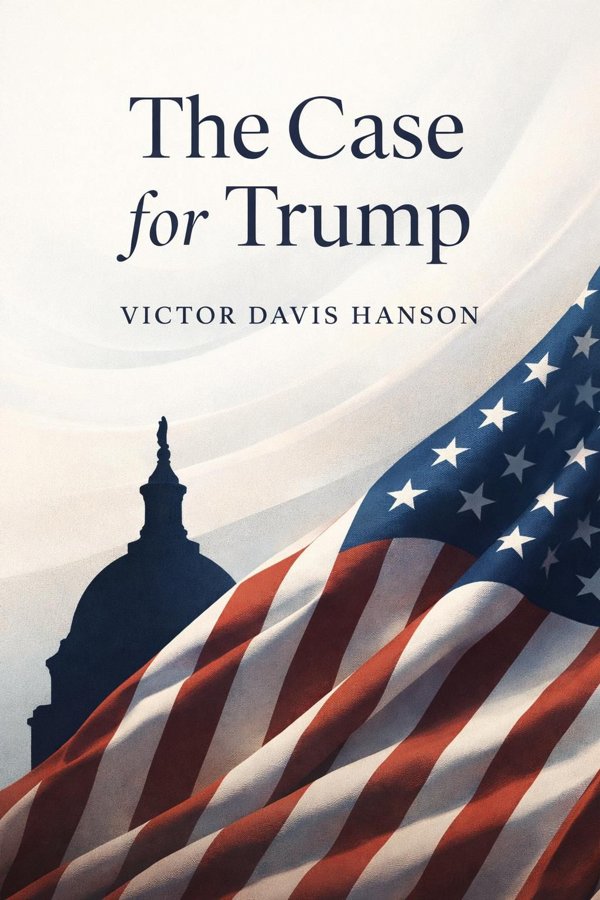
The Case for Trump: Summary & Key Insights
 10 min13 chaptersAudio available
What Is The Case for Trump About?
The Case for Trump by Victor Davis Hanson is a politics book spanning 13 pages. In this book, historian Victor Davis Hanson presents a scholarly yet provocative defense of Donald J. Trump’s presidency. Hanson argues that Trump’s unconventional style and populist approach were necessary correctives to the political and cultural establishment. Drawing on historical parallels, he portrays Trump as a disruptive but effective leader who challenged entrenched elites and reshaped American politics.
This FizzRead summary covers all 13 key chapters of The Case for Trump in approximately 10 minutes, distilling the most important ideas, arguments, and takeaways from Victor Davis Hanson's work. Also available as an audio summary and Key Quotes Podcast.
The Case for Trump
In this book, historian Victor Davis Hanson presents a scholarly yet provocative defense of Donald J. Trump’s presidency. Hanson argues that Trump’s unconventional style and populist approach were necessary correctives to the political and cultural establishment. Drawing on historical parallels, he portrays Trump as a disruptive but effective leader who challenged entrenched elites and reshaped American politics.
Who Should Read The Case for Trump?
This book is perfect for anyone interested in politics and looking to gain actionable insights in a short read. Whether you're a student, professional, or lifelong learner, the key ideas from The Case for Trump by Victor Davis Hanson will help you think differently.
- ✓Readers who enjoy politics and want practical takeaways
- ✓Professionals looking to apply new ideas to their work and life
- ✓Anyone who wants the core insights of The Case for Trump in just 10 minutes
Want the full summary?
Get instant access to this book summary and 100K+ more with Fizz Moment.
Get Free SummaryAvailable on App Store • Free to download
Key Chapters
When analyzing the institutional framework that birthed the Trump rebellion, I begin with what I call the bipartisan establishment—an alliance of corporate, political, and cultural elites who, in my view, came to believe they transcended accountability. Both parties, Republican and Democratic alike, embraced globalization as inevitable and morally righteous. Factories moved abroad; finance and technology industries concentrated wealth along coastal corridors; immigration policy morphed into virtue signaling rather than practical governance. Meanwhile, millions of citizens watched their communities hollow out. Their sense of being dismissed—sometimes openly mocked as 'deplorables' or 'flyover country'—generated a quiet fury that would eventually find its spokesman in Trump.
The establishment’s condescension extended beyond economics into culture. Hollywood, academia, and media created a moral vocabulary in which patriotism was suspect, traditional faith was backward, and rural life was an anthropological curiosity. Professional politicians cultivated a detached technocratic language—poll-tested, consultant-driven, incapable of authentic empathy. Into this brittle hierarchy walked Trump, who, lacking political polish and ignoring elite etiquette, dared to speak bluntly. The resulting shock was not that he insulted conventions, but that he did so effectively. For many, his swagger felt less like vulgarity than recognition—they saw in him a defiant mirror to their own marginalization.
In the heartland of America—those towns stretching from Appalachia to the Central Valley—resided the people I call the forgotten voter. They were not ideologues; they were pragmatic. They wanted work that paid well, borders that were secure, leaders who respected them. These voters were veterans, truck drivers, machinists, farmers—citizens whose livelihoods were upended by policies they didn’t design. While Washington obsessively debated climate accords and gender pronouns, these Americans wanted to fix roads, keep schools open, and maintain affordable health insurance. Trump spoke in their vernacular. He valued bigness, toughness, fairness—the ethos of labor and action.
In analyzing this demographic, I draw comparisons with historical populist bases: Jackson’s frontier soldiers, Roosevelt’s progressive reformers. Each rose in response to elite consolidation, and each provoked outrage precisely because they disturbed the status quo. Though commentators often caricature Trump’s supporters as angry or uneducated, I found the opposite: they were aspirational, disciplined, deeply patriotic. They chose him not for his gentleness but his audacity—because they recognized that compromise had become surrender. For these citizens, Trump was the imperfect vessel of a perfect message: America belongs to its people, not its class of managers.
+ 11 more chapters — available in the FizzRead app
All Chapters in The Case for Trump
About the Author
Victor Davis Hanson is an American classicist, military historian, and political commentator. He is a senior fellow at the Hoover Institution at Stanford University and has written extensively on ancient warfare, contemporary politics, and cultural issues.
Get This Summary in Your Preferred Format
Read or listen to the The Case for Trump summary by Victor Davis Hanson anytime, anywhere. FizzRead offers multiple formats so you can learn on your terms — all free.
Available formats: App · Audio · PDF · EPUB — All included free with FizzRead
Download The Case for Trump PDF and EPUB Summary
Key Quotes from The Case for Trump
“Both parties, Republican and Democratic alike, embraced globalization as inevitable and morally righteous.”
“In the heartland of America—those towns stretching from Appalachia to the Central Valley—resided the people I call the forgotten voter.”
Frequently Asked Questions about The Case for Trump
The Case for Trump by Victor Davis Hanson is a politics book that explores key ideas across 13 chapters. In this book, historian Victor Davis Hanson presents a scholarly yet provocative defense of Donald J. Trump’s presidency. Hanson argues that Trump’s unconventional style and populist approach were necessary correctives to the political and cultural establishment. Drawing on historical parallels, he portrays Trump as a disruptive but effective leader who challenged entrenched elites and reshaped American politics.
More by Victor Davis Hanson
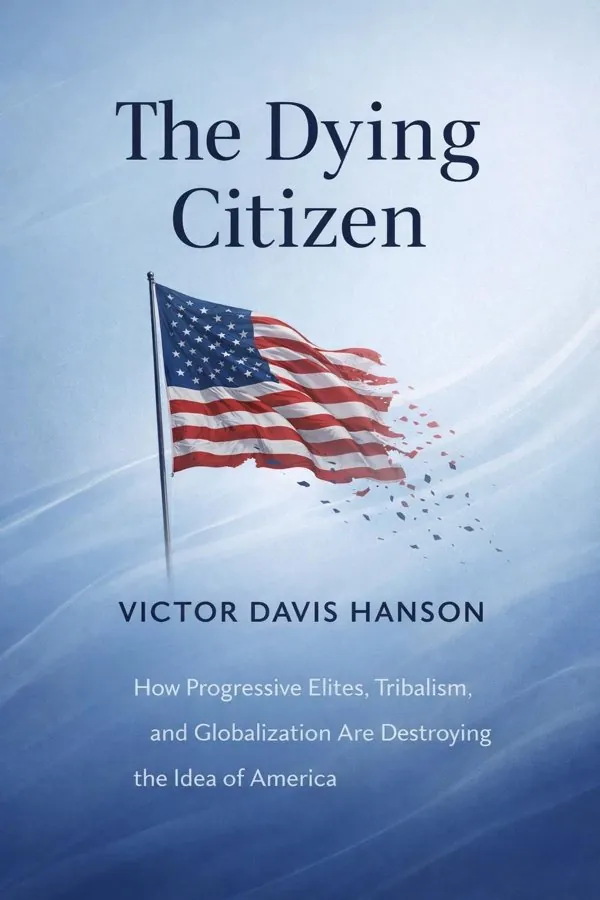
You Might Also Like
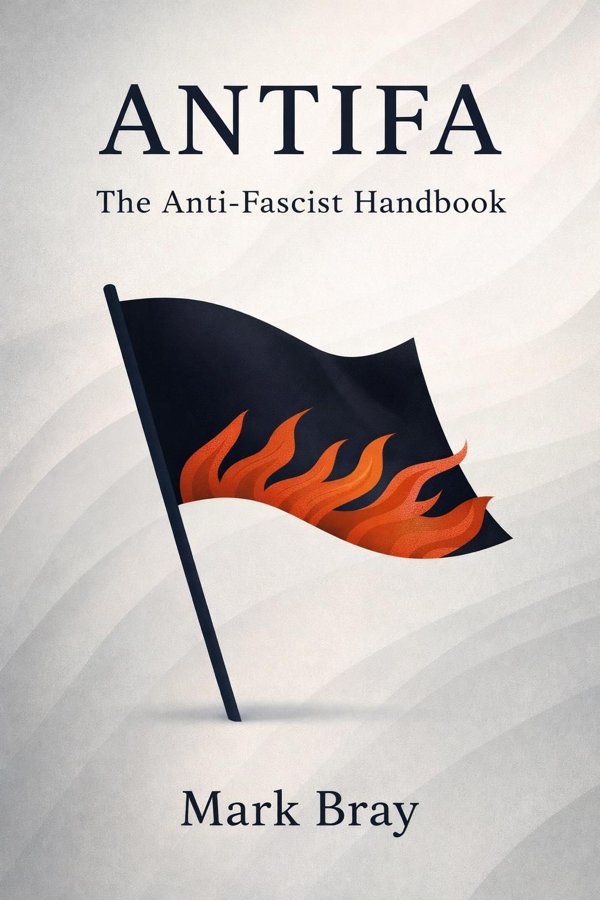
Antifa: The Anti-Fascist Handbook
Mark Bray
10 min
Attack from Within: How Disinformation Is Sabotaging America
Barbara McQuade
10 min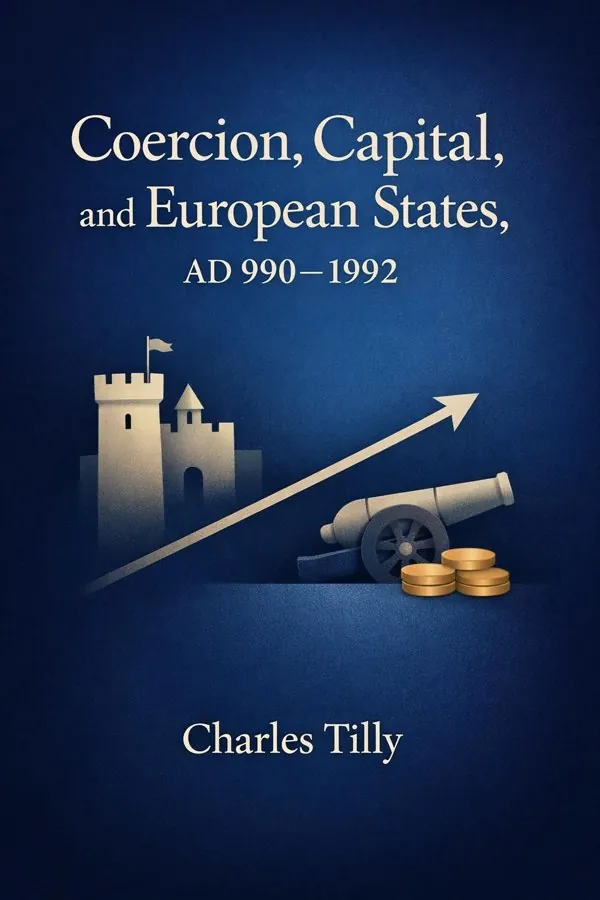
Coercion, Capital, and European States, AD 990–1992
Charles Tilly
10 min
Digital Democracy: Concepts, Methodologies, Tools, and Applications
Various Authors
10 min
Fascism
Stanley G. Payne
10 min
Fire And Fury: Inside The Trump White House
Michael Wolff
10 minBrowse by Category
Ready to read The Case for Trump?
Get the full summary and 100K+ more books with Fizz Moment.