
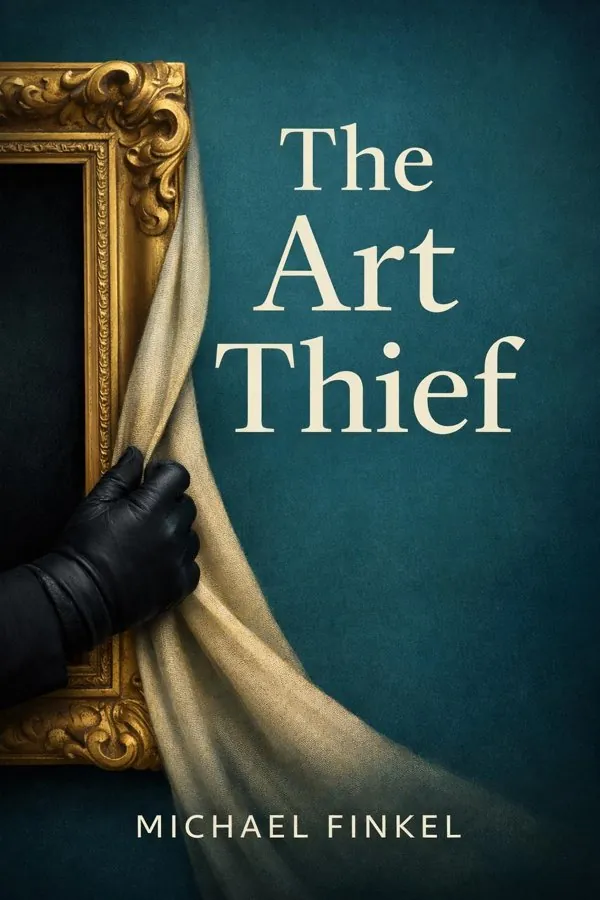
The Art Thief: Summary & Key Insights
 10 min5 chaptersAudio available
What Is The Art Thief About?
The Art Thief by Michael Finkel is a law_crime book spanning 5 pages. A thrilling true story about Stéphane Breitwieser, one of history’s most prolific art thieves, who stole over two hundred works of art from museums across Europe. Michael Finkel explores Breitwieser’s obsession, his meticulous methods, and the psychological complexities behind his compulsion to possess beauty. The book combines investigative journalism with narrative nonfiction, offering insight into the world of art crime and the allure of masterpieces.
This FizzRead summary covers all 5 key chapters of The Art Thief in approximately 10 minutes, distilling the most important ideas, arguments, and takeaways from Michael Finkel's work. Also available as an audio summary and Key Quotes Podcast.
The Art Thief
A thrilling true story about Stéphane Breitwieser, one of history’s most prolific art thieves, who stole over two hundred works of art from museums across Europe. Michael Finkel explores Breitwieser’s obsession, his meticulous methods, and the psychological complexities behind his compulsion to possess beauty. The book combines investigative journalism with narrative nonfiction, offering insight into the world of art crime and the allure of masterpieces.
Who Should Read The Art Thief?
This book is perfect for anyone interested in law_crime and looking to gain actionable insights in a short read. Whether you're a student, professional, or lifelong learner, the key ideas from The Art Thief by Michael Finkel will help you think differently.
- ✓Readers who enjoy law_crime and want practical takeaways
- ✓Professionals looking to apply new ideas to their work and life
- ✓Anyone who wants the core insights of The Art Thief in just 10 minutes
Want the full summary?
Get instant access to this book summary and 100K+ more with Fizz Moment.
Get Free SummaryAvailable on App Store • Free to download
Key Chapters
Stéphane Breitwieser was born into modest circumstances in eastern France, but from an early age he revealed a sensitivity that set him apart. His first encounters with art were not through high culture but through local museums and church walls—small, manageable places where he could stand nose to nose with beauty. He did not see art as a commodity or a symbol of prestige; to him, it was alive, breathing, demanding communion. This intimate relationship was nurtured by his mother, who encouraged his solitary interests, and by a growing dissatisfaction with ordinary life. School bored him; the world seemed coarse compared to the transcendent elegance of painted faces and sculpted light.
As I followed his path, it became clear that Breitwieser’s obsession began not with theft but with love. His early museum visits formed a pattern of longing—for closeness, for continuity, for possession. Standing before a 17th-century still life, he could feel the centuries dissolve. He once told a friend he wanted to rescue these works from neglect, to preserve them from indifference. This sentiment was his moral alibi: he did not see himself as stealing but as saving. What might begin as reverence subtly morphed into ownership, and ownership into compulsion. Beauty, to Breitwieser, was not to be admired from afar—it was to be held, possessed, made personal.
No obsession thrives in isolation. Breitwieser found his accomplice and mirror in Anne-Catherine Kleinklaus, his girlfriend and later his silent partner in crime. She was both his muse and conspirator, the lookout who shared his quiet ecstasies and his dangerous impulses. Their relationship was built on secrecy—a private world of coded glances, rehearsed calm, and the thrill of forbidden intimacy. In many ways, the thefts became their love language, each successful heist a confirmation of their unity against the indifferent world.
In recounting their partnership, I discovered how love can magnify obsession. Anne-Catherine was not merely complicit; she was entranced by his certainty, his devotion. Together they turned museum visits into heists—quick, surgical performances that lasted minutes yet carried the weight of destiny. They would enter in daylight, unarmed but alert. Stéphane’s eye would dart across rooms, fix on one masterpiece, and with movements so practiced they seemed choreographed, he would detach and conceal it. Anne-Catherine would watch doors, smile at guards, and walk out as if beauty belonged naturally to them. Their crimes were acts of passion, rituals of possession so private they seemed intimate rather than criminal.
+ 3 more chapters — available in the FizzRead app
All Chapters in The Art Thief
About the Author
Michael Finkel is an American journalist and author known for his narrative nonfiction works. His writing often explores extraordinary real-life stories with psychological depth. He has contributed to publications such as National Geographic and The New York Times Magazine.
Get This Summary in Your Preferred Format
Read or listen to the The Art Thief summary by Michael Finkel anytime, anywhere. FizzRead offers multiple formats so you can learn on your terms — all free.
Available formats: App · Audio · PDF · EPUB — All included free with FizzRead
Download The Art Thief PDF and EPUB Summary
Key Quotes from The Art Thief
“Stéphane Breitwieser was born into modest circumstances in eastern France, but from an early age he revealed a sensitivity that set him apart.”
“Breitwieser found his accomplice and mirror in Anne-Catherine Kleinklaus, his girlfriend and later his silent partner in crime.”
Frequently Asked Questions about The Art Thief
The Art Thief by Michael Finkel is a law_crime book that explores key ideas across 5 chapters. A thrilling true story about Stéphane Breitwieser, one of history’s most prolific art thieves, who stole over two hundred works of art from museums across Europe. Michael Finkel explores Breitwieser’s obsession, his meticulous methods, and the psychological complexities behind his compulsion to possess beauty. The book combines investigative journalism with narrative nonfiction, offering insight into the world of art crime and the allure of masterpieces.
More by Michael Finkel

You Might Also Like

Abortion and the Law in America: Roe v. Wade to the Present
Mary Ziegler
10 min
Black Edge: Inside Information, Dirty Money, and the Quest to Bring Down the Most Wanted Man on Wall Street
Sheelah Kolhatkar
10 min
Blood Feud: The Man Who Blew the Whistle on One of the Deadliest Prescription Drugs Ever
Kathleen Sharp
10 min
Catch and Kill: Lies, Spies, and a Conspiracy to Protect Predators
Ronan Farrow
10 min
Chaos: Charles Manson, the CIA, and the Secret History of the Sixties
Tom O'Neill with Dan Piepenbring
10 min
Code and Other Laws of Cyberspace
Lawrence Lessig
10 minBrowse by Category
Ready to read The Art Thief?
Get the full summary and 100K+ more books with Fizz Moment.