
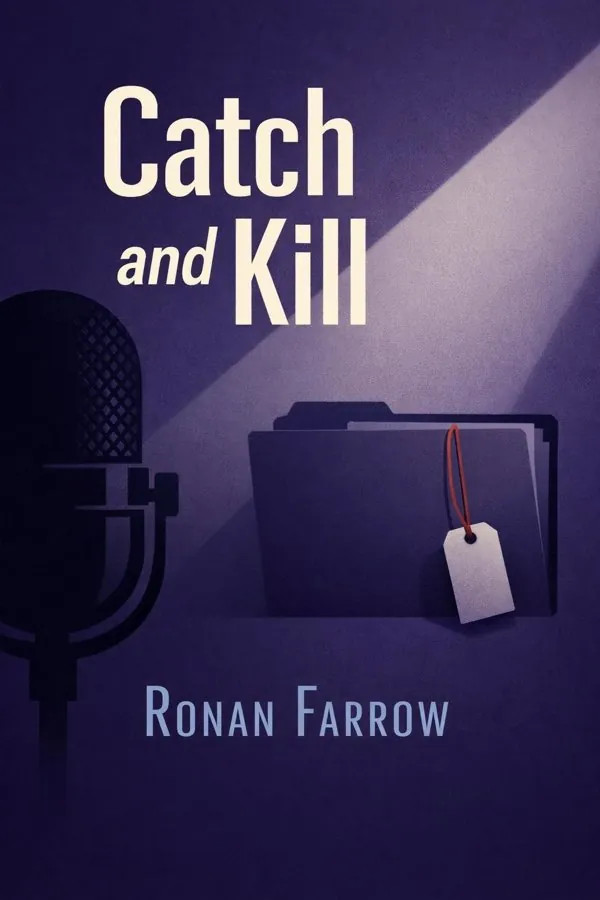
Catch and Kill: Lies, Spies, and a Conspiracy to Protect Predators: Summary & Key Insights
by Ronan Farrow
 10 min9 chaptersAudio available
What Is Catch and Kill: Lies, Spies, and a Conspiracy to Protect Predators About?
Catch and Kill: Lies, Spies, and a Conspiracy to Protect Predators by Ronan Farrow is a law_crime book spanning 9 pages. In this investigative work, journalist Ronan Farrow exposes a network of powerful individuals and institutions that sought to conceal sexual misconduct and silence victims. The book chronicles Farrow’s pursuit of the Harvey Weinstein story, revealing the systemic efforts to suppress the truth through intimidation, surveillance, and media manipulation.
This FizzRead summary covers all 9 key chapters of Catch and Kill: Lies, Spies, and a Conspiracy to Protect Predators in approximately 10 minutes, distilling the most important ideas, arguments, and takeaways from Ronan Farrow's work. Also available as an audio summary and Key Quotes Podcast.
Catch and Kill: Lies, Spies, and a Conspiracy to Protect Predators
In this investigative work, journalist Ronan Farrow exposes a network of powerful individuals and institutions that sought to conceal sexual misconduct and silence victims. The book chronicles Farrow’s pursuit of the Harvey Weinstein story, revealing the systemic efforts to suppress the truth through intimidation, surveillance, and media manipulation.
Who Should Read Catch and Kill: Lies, Spies, and a Conspiracy to Protect Predators?
This book is perfect for anyone interested in law_crime and looking to gain actionable insights in a short read. Whether you're a student, professional, or lifelong learner, the key ideas from Catch and Kill: Lies, Spies, and a Conspiracy to Protect Predators by Ronan Farrow will help you think differently.
- ✓Readers who enjoy law_crime and want practical takeaways
- ✓Professionals looking to apply new ideas to their work and life
- ✓Anyone who wants the core insights of Catch and Kill: Lies, Spies, and a Conspiracy to Protect Predators in just 10 minutes
Want the full summary?
Get instant access to this book summary and 100K+ more with Fizz Moment.
Get Free SummaryAvailable on App Store • Free to download
Key Chapters
At NBC News, I began what I believed was a straightforward piece of reporting: investigating serious allegations of sexual harassment and assault against a major Hollywood producer. Harvey Weinstein’s name came up repeatedly, whispered in cautious tones by people terrified of his reach. My job was simple in theory—verify claims, collect testimony, and produce evidence for broadcast. In practice, it turned into a lesson on how media institutions can betray their mission when the subject threatens their interests.
Inside NBC, I encountered reluctance masked as procedural caution. Executives insisted the story lacked verification, even after extensive corroboration. Behind closed doors, lawyers dissected the material, questioning whether victims could be named. I was told to back down repeatedly, warned that Weinstein’s lawyers were already circling. What began as editorial deliberation quickly evolved into something darker—a conscious effort to slow, and finally halt, an investigation that everyone knew was real.
It became clear to me that fear wasn’t limited to Weinstein’s victims; it haunted the newsroom itself. People were terrified of losing careers, terrified of lawsuits, terrified of crossing powerful allies in media and entertainment. The work we were doing wasn’t simply investigative—it was insurgent. When my editors ordered me to stop making calls, the truth became undeniable: our institution, like many others, was bending to the gravitational pull of power.
What I couldn’t grasp at first was the depth of this complicity—how corporate relationships and mutual dependencies created invisible chains of protection. NBC executives had long-standing ties with Weinstein’s network, relationships built through joint ventures and advertising deals. The implication was unspoken but understood: publishing this story would jeopardize interests far beyond journalism. In that silence, I began to realize that truth can be treated as a liability, something to be managed rather than reported.
The most humbling part of this journey was meeting the women whose stories had been buried for decades. Each conversation felt like walking into a room where the air was poisoned by shame and manipulation. They had faced not only physical violation but a systematic campaign of silencing—contracts, settlements, threats, and public shaming designed to erase their experiences. Convincing these survivors to go on record was not simply about journalism; it was about rebuilding trust in a system that had failed them repeatedly.
Many sources spoke of being blacklisted, of losing jobs, of being made to feel responsible for their own abuse. As I sat across from them, notebook closed, I realized my real task wasn’t extraction—it was listening. What they wanted most was assurance that telling their stories would not lead to another betrayal. The fear was justified: powerful predators had used legal machinery to weaponize secrecy, making silence almost contractual. Non-disclosure agreements and settlements functioned as shields for reputation, effectively erasing the voices of women who had been wronged.
What made their bravery monumental was the awareness that speaking out meant risking everything—careers, safety, sometimes sanity. They knew that exposure might not bring justice; it might instead unleash retaliation. Yet, they chose to speak. Each testimony reminded me that journalism’s ethical responsibility extends beyond evidence. It includes the emotional labor of honoring pain, the patience to let a person reclaim their narrative in their own words.
When these stories finally became public, many of these women found themselves at the center of a cultural shift they had never sought. They didn’t speak for fame. They spoke because silence had become unbearable. Their courage laid the foundation for what would later be called the #MeToo movement—a global reckoning born from individual acts of defiance. Their stories compelled the world to recognize how every system had collaborated, knowingly or not, in keeping the powerful unaccountable.
+ 7 more chapters — available in the FizzRead app
All Chapters in Catch and Kill: Lies, Spies, and a Conspiracy to Protect Predators
About the Author
Ronan Farrow is an American journalist, lawyer, and former government advisor. He is known for his investigative reporting on sexual abuse allegations against powerful figures, which contributed to the #MeToo movement. Farrow has received numerous awards, including the Pulitzer Prize for Public Service.
Get This Summary in Your Preferred Format
Read or listen to the Catch and Kill: Lies, Spies, and a Conspiracy to Protect Predators summary by Ronan Farrow anytime, anywhere. FizzRead offers multiple formats so you can learn on your terms — all free.
Available formats: App · Audio · PDF · EPUB — All included free with FizzRead
Download Catch and Kill: Lies, Spies, and a Conspiracy to Protect Predators PDF and EPUB Summary
Key Quotes from Catch and Kill: Lies, Spies, and a Conspiracy to Protect Predators
“At NBC News, I began what I believed was a straightforward piece of reporting: investigating serious allegations of sexual harassment and assault against a major Hollywood producer.”
“The most humbling part of this journey was meeting the women whose stories had been buried for decades.”
Frequently Asked Questions about Catch and Kill: Lies, Spies, and a Conspiracy to Protect Predators
Catch and Kill: Lies, Spies, and a Conspiracy to Protect Predators by Ronan Farrow is a law_crime book that explores key ideas across 9 chapters. In this investigative work, journalist Ronan Farrow exposes a network of powerful individuals and institutions that sought to conceal sexual misconduct and silence victims. The book chronicles Farrow’s pursuit of the Harvey Weinstein story, revealing the systemic efforts to suppress the truth through intimidation, surveillance, and media manipulation.
You Might Also Like
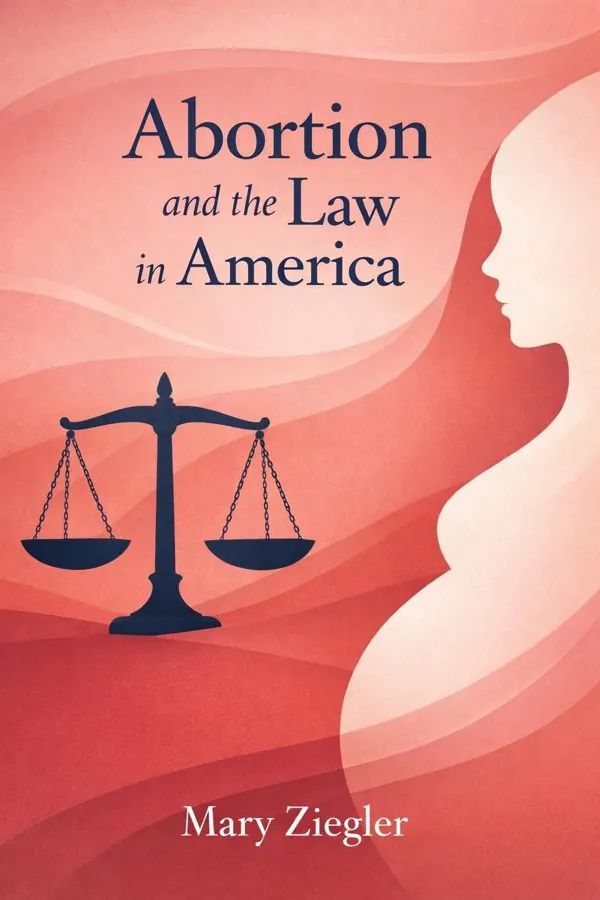
Abortion and the Law in America: Roe v. Wade to the Present
Mary Ziegler
10 min
Black Edge: Inside Information, Dirty Money, and the Quest to Bring Down the Most Wanted Man on Wall Street
Sheelah Kolhatkar
10 min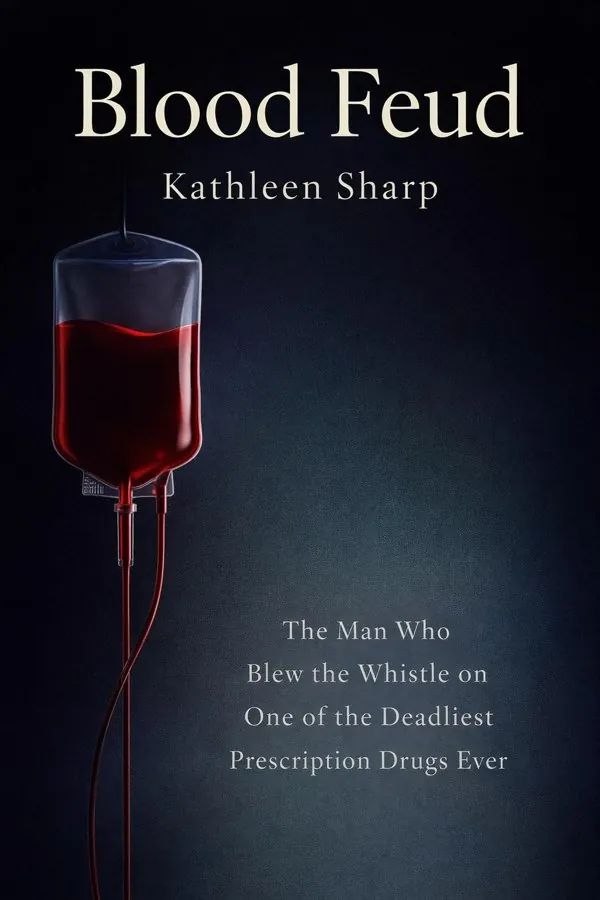
Blood Feud: The Man Who Blew the Whistle on One of the Deadliest Prescription Drugs Ever
Kathleen Sharp
10 min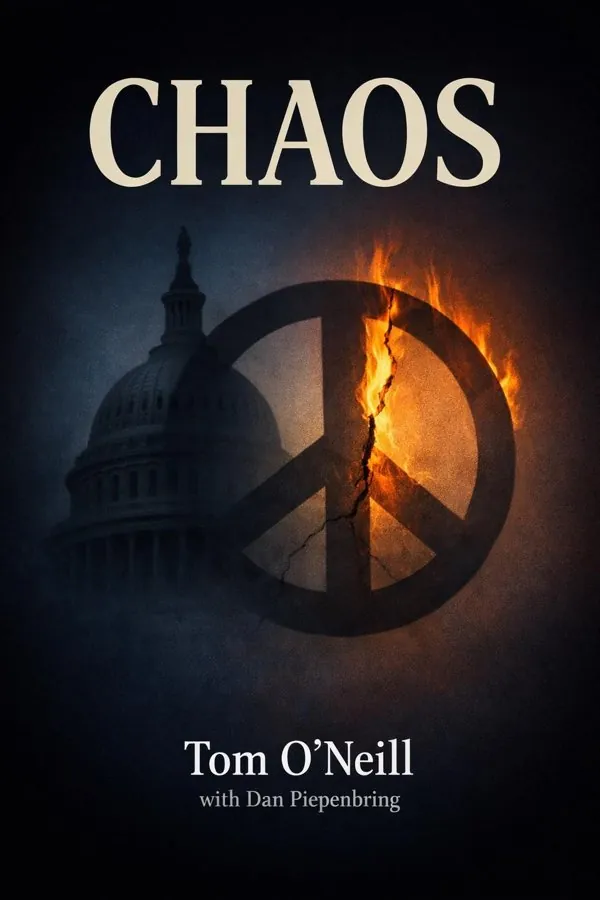
Chaos: Charles Manson, the CIA, and the Secret History of the Sixties
Tom O'Neill with Dan Piepenbring
10 min
Code and Other Laws of Cyberspace
Lawrence Lessig
10 min
Delay, Deny, Defend: Why Insurance Companies Don't Pay Claims and What You Can Do About It
Jay M. Feinman
10 minBrowse by Category
Ready to read Catch and Kill: Lies, Spies, and a Conspiracy to Protect Predators?
Get the full summary and 100K+ more books with Fizz Moment.