
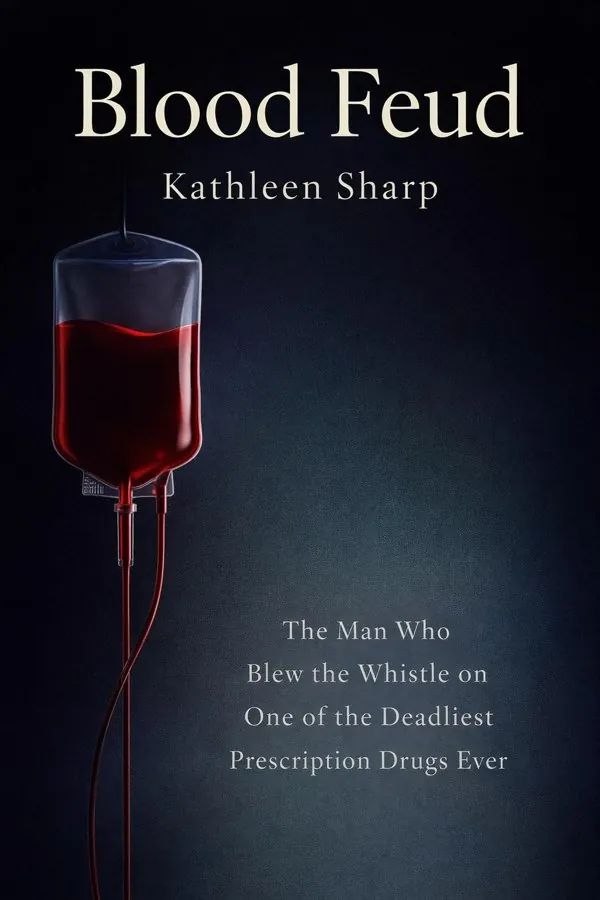
Blood Feud: The Man Who Blew the Whistle on One of the Deadliest Prescription Drugs Ever: Summary & Key Insights
 10 min5 chaptersAudio available
What Is Blood Feud: The Man Who Blew the Whistle on One of the Deadliest Prescription Drugs Ever About?
Blood Feud: The Man Who Blew the Whistle on One of the Deadliest Prescription Drugs Ever by Kathleen Sharp is a law_crime book spanning 5 pages. Blood Feud es una investigación periodística que revela la historia real detrás de un escándalo farmacéutico en los Estados Unidos. La autora, Kathleen Sharp, narra cómo dos hombres descubrieron prácticas corruptas dentro de la industria farmacéutica relacionadas con el medicamento EPO, utilizado para tratar la anemia, y cómo su denuncia destapó una red de engaños, sobornos y riesgos para la salud pública.
This FizzRead summary covers all 5 key chapters of Blood Feud: The Man Who Blew the Whistle on One of the Deadliest Prescription Drugs Ever in approximately 10 minutes, distilling the most important ideas, arguments, and takeaways from Kathleen Sharp's work. Also available as an audio summary and Key Quotes Podcast.
Blood Feud: The Man Who Blew the Whistle on One of the Deadliest Prescription Drugs Ever
Blood Feud es una investigación periodística que revela la historia real detrás de un escándalo farmacéutico en los Estados Unidos. La autora, Kathleen Sharp, narra cómo dos hombres descubrieron prácticas corruptas dentro de la industria farmacéutica relacionadas con el medicamento EPO, utilizado para tratar la anemia, y cómo su denuncia destapó una red de engaños, sobornos y riesgos para la salud pública.
Who Should Read Blood Feud: The Man Who Blew the Whistle on One of the Deadliest Prescription Drugs Ever?
This book is perfect for anyone interested in law_crime and looking to gain actionable insights in a short read. Whether you're a student, professional, or lifelong learner, the key ideas from Blood Feud: The Man Who Blew the Whistle on One of the Deadliest Prescription Drugs Ever by Kathleen Sharp will help you think differently.
- ✓Readers who enjoy law_crime and want practical takeaways
- ✓Professionals looking to apply new ideas to their work and life
- ✓Anyone who wants the core insights of Blood Feud: The Man Who Blew the Whistle on One of the Deadliest Prescription Drugs Ever in just 10 minutes
Want the full summary?
Get instant access to this book summary and 100K+ more with Fizz Moment.
Get Free SummaryAvailable on App Store • Free to download
Key Chapters
In the early 1990s, erythropoietin—marketed as Procrit—was heralded as a breakthrough. Johnson & Johnson’s subsidiary, Ortho Biotech, saw it as a goldmine. EPO stimulated the production of red blood cells and was originally intended for patients suffering from severe anemia caused by kidney failure or chemotherapy. It was a product that could change lives, and that idealistic promise motivated thousands of staff across the company.
But very quickly, the focus shifted from healing to selling. Procrit became a product fought over in boardrooms, marketed aggressively to oncologists, dialysis centers, and hospitals. Behind its success lay a corporate culture fueled by competition and incentives. Sales representatives were rewarded lavishly when they surpassed quotas and punished when they did not. The environment bred secrecy and ambition; success was measured not in patient recovery but in sales volume.
Mark Duxbury entered this arena believing he was part of something important. Coming from a military background, he valued discipline and honesty. His fellow salesman, Dean McClellan, was charismatic and persuasive—a natural in the world of pharmaceutical sales. Together, they thrived in the early years, mastering the art of persuasion and earning bonuses that reflected Ortho’s booming success. Yet they also witnessed the subtle pressure to stretch ethical boundaries, to frame Procrit not merely as useful but essential, even when medical evidence did not fully support its expanded uses. This tension—the clash between scientific caution and business drive—would become the seed of their moral awakening.
Inside Ortho Biotech, leadership pushed salespeople to promote the drug far beyond its approved indications. In training seminars and strategy meetings, they learned how to influence physicians, how to bypass formulary restrictions, and how to create loyalty through rebate schemes. Every sale, every vial, meant profit; and profit was the ultimate metric of success. For Duxbury and McClellan, what began as enthusiasm gradually turned into unease. They started to ask questions—why were some doctors prescribing far more EPO than necessary? Why were rebate contracts structured to encourage overuse? Why did patient reports of adverse reactions seem to vanish in internal communications?
The answers pointed to a deeper truth: the pharmaceutical industry was not just selling medicine—it was engineering dependency. The higher the usage, the stronger the financial ties between the company and the prescribers. EPO wasn’t simply a treatment anymore; it was a tool of market domination.
The turning point came when Duxbury and McClellan began to see patterns that couldn’t be explained away as mere oversight. They discovered that rebate systems—contracts designed to reward hospitals for buying large volumes of EPO—functioned as disguised kickbacks. Larger orders meant higher financial returns, regardless of medical necessity. When Duxbury questioned these practices internally, he was met with stonewalling and veiled threats. What he uncovered touched the very core of how the company operated.
Their realization grew deeper as they learned about the health risks associated with excessive EPO administration. Overuse could cause severe complications such as blood clots, heart attacks, and strokes. Yet, according to internal reports they examined, there were instances when safety data were downplayed or delayed to maintain sales momentum. The corporate message was clear: if negative data reached the public domain, billions of dollars were at stake.
For the two men, the truth became an unbearable burden. They had once believed they were helping patients; now they feared their products might be hurting them. McClellan described a growing sense of betrayal—as if the company’s moral compass had been replaced by a quarterly report. Their conversations turned solemn. Should they speak out? Could they survive the consequences? The dilemma between loyalty and conscience consumed them, reshaping their identity from corporate insiders to reluctant rebels.
When they finally decided to document their findings, they were not armed with legal expertise or institutional support. They were just two ordinary employees who believed that truth still mattered. Collecting records, emails, and contract copies became their only shield against possible retaliation. They began to understand that whistleblowing wasn’t a legal act—it was a moral leap. In revealing what they knew, they would not only risk their livelihoods but also challenge an empire built on silence.
+ 3 more chapters — available in the FizzRead app
All Chapters in Blood Feud: The Man Who Blew the Whistle on One of the Deadliest Prescription Drugs Ever
About the Author
Kathleen Sharp es una periodista y escritora estadounidense reconocida por sus investigaciones sobre la industria farmacéutica y el entretenimiento. Sus trabajos han aparecido en medios como The New York Times, Los Angeles Times y NPR. Es autora de varios libros de no ficción basados en casos reales.
Get This Summary in Your Preferred Format
Read or listen to the Blood Feud: The Man Who Blew the Whistle on One of the Deadliest Prescription Drugs Ever summary by Kathleen Sharp anytime, anywhere. FizzRead offers multiple formats so you can learn on your terms — all free.
Available formats: App · Audio · PDF · EPUB — All included free with FizzRead
Download Blood Feud: The Man Who Blew the Whistle on One of the Deadliest Prescription Drugs Ever PDF and EPUB Summary
Key Quotes from Blood Feud: The Man Who Blew the Whistle on One of the Deadliest Prescription Drugs Ever
“In the early 1990s, erythropoietin—marketed as Procrit—was heralded as a breakthrough.”
“The turning point came when Duxbury and McClellan began to see patterns that couldn’t be explained away as mere oversight.”
Frequently Asked Questions about Blood Feud: The Man Who Blew the Whistle on One of the Deadliest Prescription Drugs Ever
Blood Feud: The Man Who Blew the Whistle on One of the Deadliest Prescription Drugs Ever by Kathleen Sharp is a law_crime book that explores key ideas across 5 chapters. Blood Feud es una investigación periodística que revela la historia real detrás de un escándalo farmacéutico en los Estados Unidos. La autora, Kathleen Sharp, narra cómo dos hombres descubrieron prácticas corruptas dentro de la industria farmacéutica relacionadas con el medicamento EPO, utilizado para tratar la anemia, y cómo su denuncia destapó una red de engaños, sobornos y riesgos para la salud pública.
You Might Also Like
Abortion and the Law in America: Roe v. Wade to the Present
Mary Ziegler
10 min
Black Edge: Inside Information, Dirty Money, and the Quest to Bring Down the Most Wanted Man on Wall Street
Sheelah Kolhatkar
10 min
Catch and Kill: Lies, Spies, and a Conspiracy to Protect Predators
Ronan Farrow
10 min
Chaos: Charles Manson, the CIA, and the Secret History of the Sixties
Tom O'Neill with Dan Piepenbring
10 min
Code and Other Laws of Cyberspace
Lawrence Lessig
10 min
Delay, Deny, Defend: Why Insurance Companies Don't Pay Claims and What You Can Do About It
Jay M. Feinman
10 minBrowse by Category
Ready to read Blood Feud: The Man Who Blew the Whistle on One of the Deadliest Prescription Drugs Ever?
Get the full summary and 100K+ more books with Fizz Moment.