
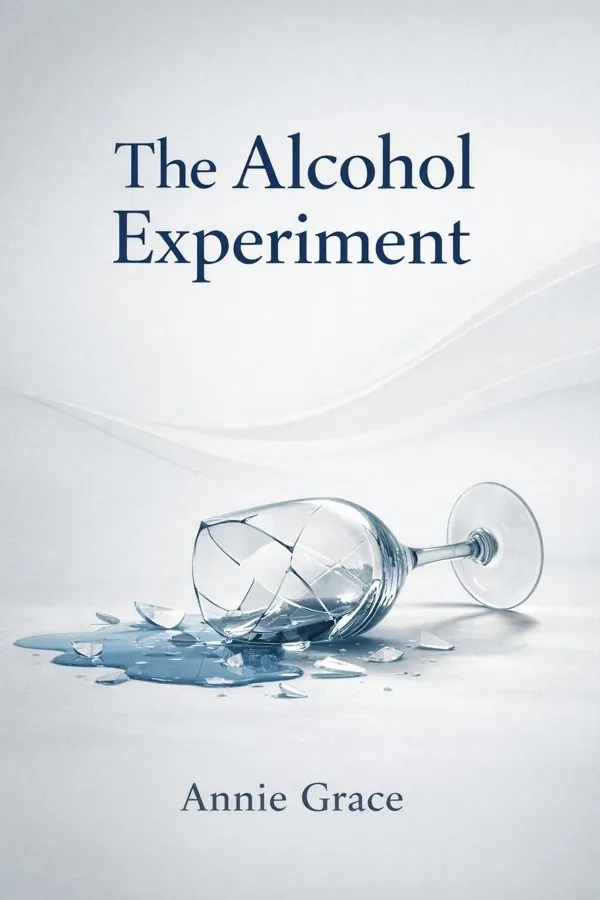
The Alcohol Experiment: A 30-Day, Alcohol-Free Challenge to Interrupt Your Habits and Help You Take Control: Summary & Key Insights
by Annie Grace
 10 min8 chaptersAudio available
Key Takeaways from The Alcohol Experiment: A 30-Day, Alcohol-Free Challenge to Interrupt Your Habits and Help You Take Control
Real change often begins not with action, but with attention.
Many beliefs about alcohol feel personal, but they were often installed long before we chose them.
What feels like a lack of willpower is often a predictable brain-and-body loop.
The way you name an experience determines how you live it.
Confidence does not appear before change; it grows from evidence that change is possible.
What Is The Alcohol Experiment: A 30-Day, Alcohol-Free Challenge to Interrupt Your Habits and Help You Take Control About?
The Alcohol Experiment: A 30-Day, Alcohol-Free Challenge to Interrupt Your Habits and Help You Take Control by Annie Grace is a mental_health book spanning 7 pages. What if the most powerful way to change your drinking was not through shame, willpower, or lifelong promises, but through curiosity? In The Alcohol Experiment, Annie Grace offers a practical 30-day break from alcohol designed to help readers observe their habits, challenge their beliefs, and discover how drinking actually affects their mind and body. Rather than framing change as punishment or deprivation, Grace turns it into an experiment: suspend judgment, gather evidence, and see what happens when alcohol is removed from the equation. This approach matters because many people do not identify as having a “serious” drinking problem, yet still feel stuck in patterns they no longer fully understand or enjoy. Grace addresses that gray area with compassion and clarity. Drawing on neuroscience, psychology, marketing awareness, and behavioral change principles, she explains why alcohol can feel emotionally loaded, socially necessary, and physically difficult to resist. As the bestselling author of This Naked Mind and a leading voice in mindful drinking, Grace brings both research and real-world insight to a subject often clouded by stigma. The result is an empowering guide for anyone ready to reclaim choice.
This FizzRead summary covers all 8 key chapters of The Alcohol Experiment: A 30-Day, Alcohol-Free Challenge to Interrupt Your Habits and Help You Take Control in approximately 10 minutes, distilling the most important ideas, arguments, and takeaways from Annie Grace's work. Also available as an audio summary and Key Quotes Podcast.
The Alcohol Experiment: A 30-Day, Alcohol-Free Challenge to Interrupt Your Habits and Help You Take Control
What if the most powerful way to change your drinking was not through shame, willpower, or lifelong promises, but through curiosity? In The Alcohol Experiment, Annie Grace offers a practical 30-day break from alcohol designed to help readers observe their habits, challenge their beliefs, and discover how drinking actually affects their mind and body. Rather than framing change as punishment or deprivation, Grace turns it into an experiment: suspend judgment, gather evidence, and see what happens when alcohol is removed from the equation.
This approach matters because many people do not identify as having a “serious” drinking problem, yet still feel stuck in patterns they no longer fully understand or enjoy. Grace addresses that gray area with compassion and clarity. Drawing on neuroscience, psychology, marketing awareness, and behavioral change principles, she explains why alcohol can feel emotionally loaded, socially necessary, and physically difficult to resist. As the bestselling author of This Naked Mind and a leading voice in mindful drinking, Grace brings both research and real-world insight to a subject often clouded by stigma. The result is an empowering guide for anyone ready to reclaim choice.
Who Should Read The Alcohol Experiment: A 30-Day, Alcohol-Free Challenge to Interrupt Your Habits and Help You Take Control?
This book is perfect for anyone interested in mental_health and looking to gain actionable insights in a short read. Whether you're a student, professional, or lifelong learner, the key ideas from The Alcohol Experiment: A 30-Day, Alcohol-Free Challenge to Interrupt Your Habits and Help You Take Control by Annie Grace will help you think differently.
- ✓Readers who enjoy mental_health and want practical takeaways
- ✓Professionals looking to apply new ideas to their work and life
- ✓Anyone who wants the core insights of The Alcohol Experiment: A 30-Day, Alcohol-Free Challenge to Interrupt Your Habits and Help You Take Control in just 10 minutes
Want the full summary?
Get instant access to this book summary and 100K+ more with Fizz Moment.
Get Free SummaryAvailable on App Store • Free to download
Key Chapters
Real change often begins not with action, but with attention. Annie Grace starts the experiment by asking readers to step out of autopilot and watch their drinking habits as if from a distance. Instead of labeling behavior as good or bad, she encourages a neutral, almost scientific stance: What time do thoughts about drinking begin? What emotions, routines, or social cues trigger the urge? What stories do you tell yourself about why you want a drink?
This first phase matters because many drinking habits operate below conscious awareness. A glass of wine after work may feel like a decision, but it may actually be a learned response to stress, boredom, or a daily cue such as finishing dinner. By observing without judgment, readers gather information that shame would otherwise obscure. If every night feels “different,” observation often reveals that the pattern is highly predictable.
Grace also helps readers notice the gap between expectation and reality. You may expect alcohol to relax you, make socializing easier, or reward you after a hard day. But when you observe closely, you may find that the first sip brings relief mainly because it ends the discomfort of anticipation, not because alcohol itself creates lasting peace. You may also notice side effects you usually normalize: disrupted sleep, irritability, foggy mornings, or increased anxiety.
A practical way to apply this idea is to keep a brief daily log during the experiment. Write down when cravings arise, what happened just before them, what you believed alcohol would do, and how you actually felt later. Over time, the pattern becomes visible and therefore changeable.
Actionable takeaway: For the next three days, record every drinking thought or urge without trying to fix it. Observation is your first tool for taking back control.
Many beliefs about alcohol feel personal, but they were often installed long before we chose them. Grace spends the next part of the experiment unpacking how culture, advertising, family rituals, and peer behavior shape our assumptions about drinking. Alcohol is marketed not merely as a beverage, but as sophistication, celebration, romance, confidence, adulthood, and stress relief. Over time, these messages become so familiar that they feel like facts.
The problem is that conditioning works best when it goes unnoticed. If every holiday toast, girls’ night, business dinner, or sports celebration includes alcohol, not drinking can seem abnormal even when the consequences of drinking are painful. Grace helps readers see how alcohol has been woven into nearly every emotional and social script. It becomes associated with reward when you are happy, comfort when you are sad, and belonging when you are uncertain.
She invites readers to ask uncomfortable but liberating questions. Does alcohol actually create connection, or does it simply accompany moments that would have been meaningful anyway? Does a drink make you more interesting, or does it reduce self-consciousness temporarily while narrowing awareness? Is relaxation coming from the substance, or from finally sitting down and pausing at the end of the day?
This reframing is practical because it breaks the illusion that alcohol is solving problems. For example, if you believe wine is the only way to unwind, try replacing the ritual while removing the substance: dim lights, sit outside, play music, or drink something cold and special in a wine glass. You may discover that much of the reward came from the pause, not the alcohol.
Actionable takeaway: Identify three beliefs you hold about alcohol, then test each one against your real experience rather than cultural messaging.
What feels like a lack of willpower is often a predictable brain-and-body loop. Grace explains that alcohol habits are reinforced through biology as much as psychology. Drinking affects neurotransmitters related to pleasure, stress, and reward, which is why it can initially feel soothing or stimulating. But that short-term effect comes with a rebound. The brain works to restore balance, which can leave you feeling more anxious, flat, or depleted later. In response, the desire to drink again grows stronger.
This cycle helps explain why cravings can intensify even when alcohol is causing harm. The brain starts to associate alcohol with relief, especially when it becomes a regular answer to discomfort. Sleep is another major part of the science. Many people believe alcohol helps them rest, yet it typically reduces sleep quality, disrupts deep restorative phases, and contributes to waking in the night. The result is fatigue, which increases irritability and lowers resistance the next day.
Grace also highlights how tolerance changes perception. Over time, what once felt like “just enough” becomes the new baseline. You may need more alcohol to feel the same effect, while the downsides become easier to excuse because they arrive gradually. This is one reason the experiment is so revealing: it removes the substance long enough for readers to notice what alcohol was actually doing.
A practical application is to connect physical symptoms with drinking patterns. If you often feel tense at 3 p.m., foggy at 8 a.m., or emotionally fragile after social events, ask whether alcohol may be contributing. Science gives readers a powerful reframe: the struggle is not evidence of weakness, but of conditioning plus chemistry.
Actionable takeaway: When a craving hits, pause and name the loop: trigger, expectation, chemical relief, rebound. Understanding the mechanism weakens its power.
The way you name an experience determines how you live it. One of Grace’s most important mindset shifts is moving from “I can’t drink” to “I’m choosing not to drink for now so I can learn.” If abstaining feels like punishment, the brain interprets alcohol as a valuable prize being withheld. But if the 30 days are framed as an experiment, curiosity replaces resistance. You are not losing something; you are gathering evidence.
This matters because craving is fueled by perceived value. If alcohol remains romanticized in your mind, every social event can feel like a test of deprivation. Grace works to dismantle that false value by asking readers to compare fantasy with reality. The imagined drink is often elegant, relaxing, and rewarding. The actual sequence may include overeating, poor sleep, low energy, guilt, irritability, and dulled presence. Once readers stop editing out the full picture, alcohol can lose much of its appeal.
Grace also challenges the idea that enjoyment depends on intoxication. Many experiences people pair with drinking are inherently pleasurable: laughing with friends, eating great food, dancing, traveling, celebrating. Alcohol can become mentally fused with these moments, but it is not their source. During the experiment, readers are encouraged to rediscover pleasure without numbing, blurring, or borrowing tomorrow’s well-being.
A useful application is to rewrite internal language. Instead of saying, “I have to miss out tonight,” say, “I get to see what this evening is like fully present.” Instead of saying, “I need a drink,” say, “I’m having an urge, and it will pass.” Language shapes perception, and perception shapes habit.
Actionable takeaway: Replace one deprivation-based thought each day with a freedom-based one. Your mindset can either reinforce the old habit or open the door to change.
Confidence does not appear before change; it grows from evidence that change is possible. As the experiment moves forward, Grace focuses on strengthening self-trust. Many readers begin with doubt: Can I get through a weekend? What about dinner with friends? What if I feel awkward, bored, or exposed? Rather than asking for grand declarations, Grace encourages one day, one event, one craving, one decision at a time.
This approach is effective because it turns an overwhelming identity question into manageable behavior. You do not need to decide who you will be forever. You only need to practice what it feels like to pause, choose, and survive discomfort without alcohol. Each successful evening, each social occasion navigated sober, and each morning of clear-headed relief becomes proof that you are more capable than your habit suggested.
Grace also emphasizes preparation. Confidence rises when you have a plan. Before an event, decide what you will drink instead, how you will answer if someone offers alcohol, when you will leave if needed, and what benefit you want to notice the next morning. This is not rigidity; it is self-support. The goal is not to “be strong” in a vague sense, but to reduce friction and protect your intention.
Readers are also encouraged to celebrate invisible wins. Saying no to the first craving, noticing a trigger before reacting, or leaving a gathering without regret are meaningful achievements even if they seem small. These moments rebuild agency.
Actionable takeaway: Before your next challenging situation, make a simple if-then plan: if I feel pressured, then I’ll order a nonalcoholic drink immediately and shift the focus to conversation.
When alcohol leaves the system, clarity often returns in layers rather than all at once. Grace invites readers to pay attention to the cumulative benefits that emerge during the later weeks of the experiment. Better sleep, steadier energy, reduced bloating, improved digestion, clearer skin, lower anxiety, brighter mood, and more emotional consistency are common shifts. These changes can feel subtle at first because many drinkers have normalized feeling slightly off.
One of the book’s key insights is that alcohol often creates some of the very problems it seems to relieve. If you drink to calm anxiety, but alcohol increases next-day unease, the cycle can hide its own source. If you drink to sleep, but wake unrested and edgy, alcohol can appear helpful in the moment while quietly worsening the larger problem. A 30-day break reveals baseline reality more accurately than a single night off ever could.
Grace also explores emotional transformation. Without alcohol, feelings may initially seem sharper because you are no longer muting them on demand. But over time, many readers find they become more resilient, not less. They are better able to process stress, tolerate discomfort, and experience joy without needing chemical permission. Relationships can improve too, because presence increases. You remember conversations, keep commitments, and respond rather than react.
A practical exercise is to make a two-column list: “What I hoped alcohol gave me” and “What being alcohol-free is actually giving me.” Examples might include confidence, rest, connection, or peace. This comparison can permanently shift motivation away from fear and toward lived benefit.
Actionable takeaway: Keep a benefits journal for one week, noting every physical, mental, and emotional improvement you observe, no matter how small.
The end of 30 days is not a finish line; it is a decision point informed by evidence. Grace closes the experiment by encouraging readers to reflect honestly on what they learned rather than rushing back to old habits out of momentum. The most important question is not, “Did I prove I can quit?” but, “What have I discovered about alcohol’s role in my life, and what do I actually want now?”
This reflection matters because many people complete a break only to resume drinking with the same beliefs they started with. Grace wants readers to leave with changed perception, not just temporary discipline. If the month revealed that alcohol brought less pleasure and more cost than you assumed, that insight deserves attention. If you feel physically better, mentally calmer, and more self-respecting, then returning automatically may no longer make sense.
Grace does not insist on a single path for everyone, but she does stress intentionality. Some readers may choose continued abstinence. Others may attempt moderation with new awareness. In either case, the goal is conscious choice rather than default behavior. Reflection can include questions such as: What surprised me most? When was I happiest this month? What triggers remain strongest? What would I lose by drinking again? What would I gain by extending this experiment?
A practical way to consolidate learning is to write a letter to your future self describing how you felt before the experiment, what changed during it, and what you hope to protect going forward. This becomes a valuable reminder if romanticizing alcohol returns.
Actionable takeaway: Before making any decision about drinking again, spend one uninterrupted hour reviewing your notes and writing down what the experiment actually taught you.
Habits are rarely changed by insight alone; they are shaped by the environment around them. Although The Alcohol Experiment is deeply personal, Grace shows that support structures matter. Drinking often lives inside routines, relationships, and physical spaces: the stocked kitchen, the Friday happy hour, the friend group that jokes about “needing wine,” the nightly chair where stress and alcohol meet. If these cues remain untouched, change feels harder than it needs to.
Grace encourages readers to make the experiment easier by adjusting the environment. Remove or reduce alcohol at home. Stock appealing alternatives such as sparkling water, tea, or alcohol-free options that preserve ritual without the aftereffects. Change your evening sequence so you do not walk directly from work stress into old behavior. Take a different route home, exercise before dinner, or set up a calming routine that signals closure and reward.
Community matters too. You do not need universal approval, but you do benefit from honest allies. Telling a trusted friend, partner, or online support group about your 30-day goal creates accountability and reduces isolation. It also helps challenge the false idea that everyone else drinks effortlessly. Many people are privately questioning their own habits, and openness can create connection instead of distance.
A practical example: if social pressure is a major trigger, text a friend before an event and ask them to support your plan. Or arrive with your own drink in hand so you are not repeatedly offered alcohol. Small environmental and social changes can dramatically lower decision fatigue.
Actionable takeaway: Identify one trigger in your environment and one person who can support you, then make a concrete plan to use both in your favor this week.
All Chapters in The Alcohol Experiment: A 30-Day, Alcohol-Free Challenge to Interrupt Your Habits and Help You Take Control
About the Author
Annie Grace is an author, speaker, and educator best known for helping people rethink their relationship with alcohol. She rose to prominence with her bestselling book This Naked Mind, which introduced many readers to a nonjudgmental, psychology-based approach to drinking less or quitting altogether. Rather than relying on shame or rigid labels, Grace focuses on how beliefs, conditioning, and brain chemistry shape alcohol use. She is also the creator of The Alcohol Experiment program and the founder of a global community dedicated to mindful drinking and alcohol-free living. Through books, courses, and public speaking, she has become a leading voice for people seeking greater clarity, freedom, and intentionality around alcohol.
Get This Summary in Your Preferred Format
Read or listen to the The Alcohol Experiment: A 30-Day, Alcohol-Free Challenge to Interrupt Your Habits and Help You Take Control summary by Annie Grace anytime, anywhere. FizzRead offers multiple formats so you can learn on your terms — all free.
Available formats: App · Audio · PDF · EPUB — All included free with FizzRead
Download The Alcohol Experiment: A 30-Day, Alcohol-Free Challenge to Interrupt Your Habits and Help You Take Control PDF and EPUB Summary
Key Quotes from The Alcohol Experiment: A 30-Day, Alcohol-Free Challenge to Interrupt Your Habits and Help You Take Control
“Real change often begins not with action, but with attention.”
“Many beliefs about alcohol feel personal, but they were often installed long before we chose them.”
“What feels like a lack of willpower is often a predictable brain-and-body loop.”
“The way you name an experience determines how you live it.”
“Confidence does not appear before change; it grows from evidence that change is possible.”
Frequently Asked Questions about The Alcohol Experiment: A 30-Day, Alcohol-Free Challenge to Interrupt Your Habits and Help You Take Control
The Alcohol Experiment: A 30-Day, Alcohol-Free Challenge to Interrupt Your Habits and Help You Take Control by Annie Grace is a mental_health book that explores key ideas across 8 chapters. What if the most powerful way to change your drinking was not through shame, willpower, or lifelong promises, but through curiosity? In The Alcohol Experiment, Annie Grace offers a practical 30-day break from alcohol designed to help readers observe their habits, challenge their beliefs, and discover how drinking actually affects their mind and body. Rather than framing change as punishment or deprivation, Grace turns it into an experiment: suspend judgment, gather evidence, and see what happens when alcohol is removed from the equation. This approach matters because many people do not identify as having a “serious” drinking problem, yet still feel stuck in patterns they no longer fully understand or enjoy. Grace addresses that gray area with compassion and clarity. Drawing on neuroscience, psychology, marketing awareness, and behavioral change principles, she explains why alcohol can feel emotionally loaded, socially necessary, and physically difficult to resist. As the bestselling author of This Naked Mind and a leading voice in mindful drinking, Grace brings both research and real-world insight to a subject often clouded by stigma. The result is an empowering guide for anyone ready to reclaim choice.
More by Annie Grace
You Might Also Like
Big Feelings: How to Be Okay When Things Are Not Okay
Liz Fosslien, Mollie West Duffy
10 min
Creative Arts Therapies Handbook: Art, Music and Dance Therapy Practices for Wellbeing
Susan I. Buchalter
10 min
Emotional First Aid: Healing Rejection, Guilt, Failure, and Other Everyday Hurts
Guy Winch
10 min
Lost Connections: Why You're Depressed and How to Find Hope
Johann Hari
10 min
No Time to Panic: How to Stop Worrying and Embrace Life
Matt Gutman
10 min
Overcoming Mobbing: A Recovery Guide for Workplace Aggression and Bullying
Maureen Duffy, Len Sperry
10 minBrowse by Category
Ready to read The Alcohol Experiment: A 30-Day, Alcohol-Free Challenge to Interrupt Your Habits and Help You Take Control?
Get the full summary and 100K+ more books with Fizz Moment.