
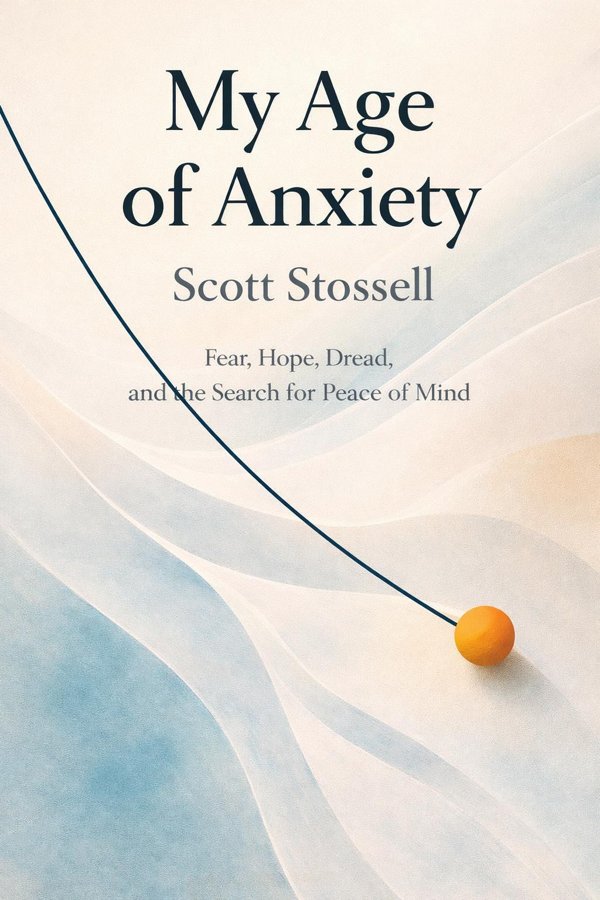
My Age of Anxiety: Fear, Hope, Dread, and the Search for Peace of Mind: Summary & Key Insights
 10 min11 chaptersAudio available
What Is My Age of Anxiety: Fear, Hope, Dread, and the Search for Peace of Mind About?
My Age of Anxiety: Fear, Hope, Dread, and the Search for Peace of Mind by Scott Stossel is a mental_health book spanning 11 pages. In this deeply personal and historically rich exploration, Scott Stossel examines the nature, history, and treatment of anxiety. Combining memoir with scientific and cultural analysis, he traces his lifelong struggle with anxiety disorders while investigating how society has understood and managed anxiety from ancient times to modern psychiatry. The book offers insight into both the suffering and the resilience of those who live with chronic anxiety.
This FizzRead summary covers all 11 key chapters of My Age of Anxiety: Fear, Hope, Dread, and the Search for Peace of Mind in approximately 10 minutes, distilling the most important ideas, arguments, and takeaways from Scott Stossel's work. Also available as an audio summary and Key Quotes Podcast.
My Age of Anxiety: Fear, Hope, Dread, and the Search for Peace of Mind
In this deeply personal and historically rich exploration, Scott Stossel examines the nature, history, and treatment of anxiety. Combining memoir with scientific and cultural analysis, he traces his lifelong struggle with anxiety disorders while investigating how society has understood and managed anxiety from ancient times to modern psychiatry. The book offers insight into both the suffering and the resilience of those who live with chronic anxiety.
Who Should Read My Age of Anxiety: Fear, Hope, Dread, and the Search for Peace of Mind?
This book is perfect for anyone interested in mental_health and looking to gain actionable insights in a short read. Whether you're a student, professional, or lifelong learner, the key ideas from My Age of Anxiety: Fear, Hope, Dread, and the Search for Peace of Mind by Scott Stossel will help you think differently.
- ✓Readers who enjoy mental_health and want practical takeaways
- ✓Professionals looking to apply new ideas to their work and life
- ✓Anyone who wants the core insights of My Age of Anxiety: Fear, Hope, Dread, and the Search for Peace of Mind in just 10 minutes
Want the full summary?
Get instant access to this book summary and 100K+ more with Fizz Moment.
Get Free SummaryAvailable on App Store • Free to download
Key Chapters
Before I could understand my lifelong affliction, I had to define it. Anxiety is not simply fear; it is fear without a clear object, a physiological and psychological alarm that sometimes rings even when the house is not on fire. In my research, I encountered competing interpretations—from Sigmund Freud’s early theories of neurosis to modern psychiatry’s diagnostic categories. Anxiety exists along a continuum: at one end, the adaptive alertness that keeps us alive; at the other, a crippling distortion that can dominate a person’s existence.
I wanted to capture this duality. Anxiety, for all its pain, has evolutionary roots—our bodies are wired to recognize danger. But when that system misfires, when chemicals surge without external threat, we enter a realm of confusion and shame. I learned firsthand how the distinction between ordinary and pathological anxiety blurs. Preparing for an important speech could lead to vomiting and paralysis; meeting new people could provoke sweating and tremors. Yet these were also moments that revealed how anxiety shapes personality and creativity. Some of our greatest artists and thinkers—Darwin, Kierkegaard, Freud himself—channeled their inner unrest into discovery.
Defining anxiety means accepting its paradox: it is both enemy and ally, destruction and fuel. Understanding this paradox became the foundation upon which the rest of this book stands.
Tracing anxiety’s lineage was like reading the diary of humanity’s inner life. In the ancient world, fear was woven into notions of divine punishment. The Greeks saw it as a form of spiritual imbalance—the gods whispering warnings into a trembling heart. By the Enlightenment, philosophers began to reinterpret anxiety as a rational phenomenon: Rousseau and Hume viewed it as a natural byproduct of self-awareness.
I explored how each era reframed the uneasy mind according to its prevailing worldview. The Middle Ages linked anxiety to sin; the rise of Romanticism glorified it as a sign of sensitivity and genius. Then came Freud, whose psychoanalytic lens transformed anxiety into a symptom of inner conflict, the tension between instinct and repression. As medicine evolved, anxiety shifted again—from moral failing to chemical imbalance, from existential condition to psychiatric disorder.
Writing this section, I realized that anxiety has always mirrored cultural priorities. When we worship rationality, we frame it as irrationality. When society values progress, we call it the cost of civilization. Every age invents its own vocabulary for angst, but the underlying distress—the tremor of consciousness—remains constant.
+ 9 more chapters — available in the FizzRead app
All Chapters in My Age of Anxiety: Fear, Hope, Dread, and the Search for Peace of Mind
About the Author
Scott Stossel is an American journalist and editor known for his work at The Atlantic. He has written extensively on psychology, culture, and politics. His candid discussion of his own experiences with anxiety has made him a prominent voice in mental health awareness.
Get This Summary in Your Preferred Format
Read or listen to the My Age of Anxiety: Fear, Hope, Dread, and the Search for Peace of Mind summary by Scott Stossel anytime, anywhere. FizzRead offers multiple formats so you can learn on your terms — all free.
Available formats: App · Audio · PDF · EPUB — All included free with FizzRead
Download My Age of Anxiety: Fear, Hope, Dread, and the Search for Peace of Mind PDF and EPUB Summary
Key Quotes from My Age of Anxiety: Fear, Hope, Dread, and the Search for Peace of Mind
“Before I could understand my lifelong affliction, I had to define it.”
“Tracing anxiety’s lineage was like reading the diary of humanity’s inner life.”
Frequently Asked Questions about My Age of Anxiety: Fear, Hope, Dread, and the Search for Peace of Mind
My Age of Anxiety: Fear, Hope, Dread, and the Search for Peace of Mind by Scott Stossel is a mental_health book that explores key ideas across 11 chapters. In this deeply personal and historically rich exploration, Scott Stossel examines the nature, history, and treatment of anxiety. Combining memoir with scientific and cultural analysis, he traces his lifelong struggle with anxiety disorders while investigating how society has understood and managed anxiety from ancient times to modern psychiatry. The book offers insight into both the suffering and the resilience of those who live with chronic anxiety.
You Might Also Like
Big Feelings: How to Be Okay When Things Are Not Okay
Liz Fosslien, Mollie West Duffy
10 min
Creative Arts Therapies Handbook: Art, Music and Dance Therapy Practices for Wellbeing
Susan I. Buchalter
10 min
Emotional First Aid: Healing Rejection, Guilt, Failure, and Other Everyday Hurts
Guy Winch
10 min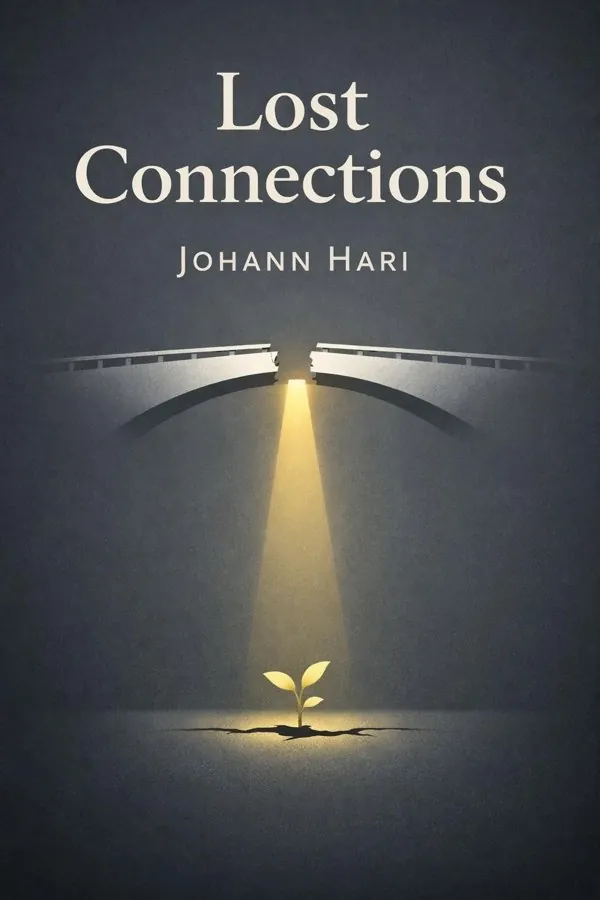
Lost Connections: Why You're Depressed and How to Find Hope
Johann Hari
10 min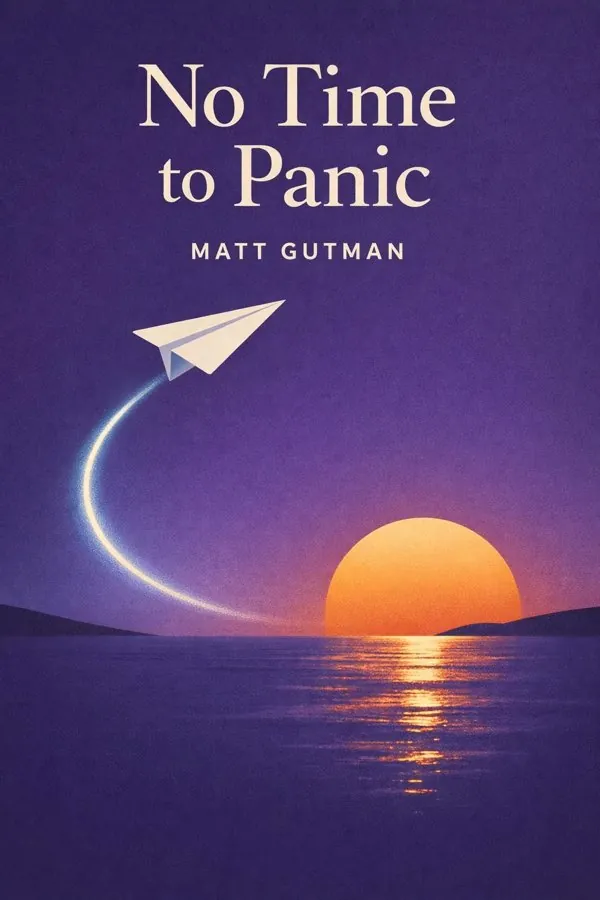
No Time to Panic: How to Stop Worrying and Embrace Life
Matt Gutman
10 min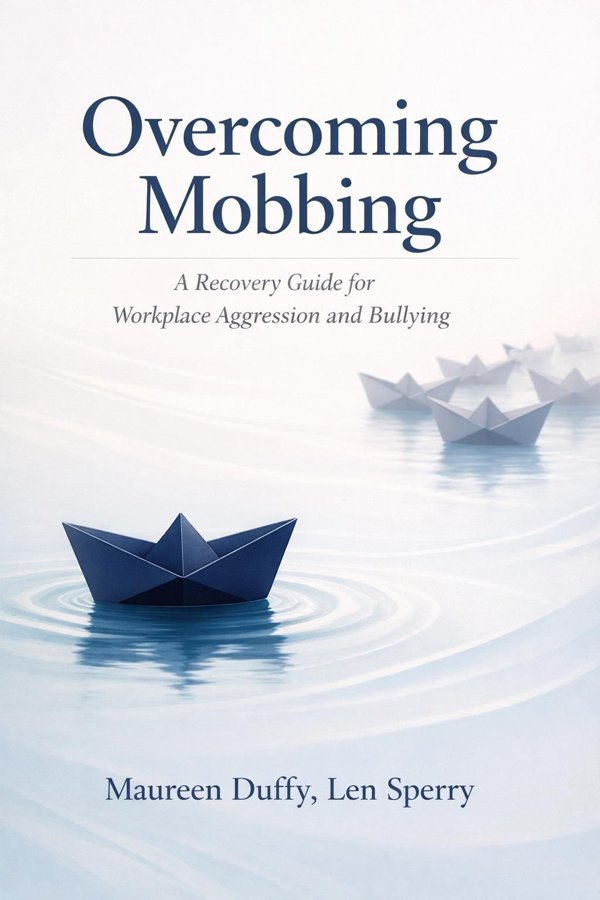
Overcoming Mobbing: A Recovery Guide for Workplace Aggression and Bullying
Maureen Duffy, Len Sperry
10 minBrowse by Category
Ready to read My Age of Anxiety: Fear, Hope, Dread, and the Search for Peace of Mind?
Get the full summary and 100K+ more books with Fizz Moment.