
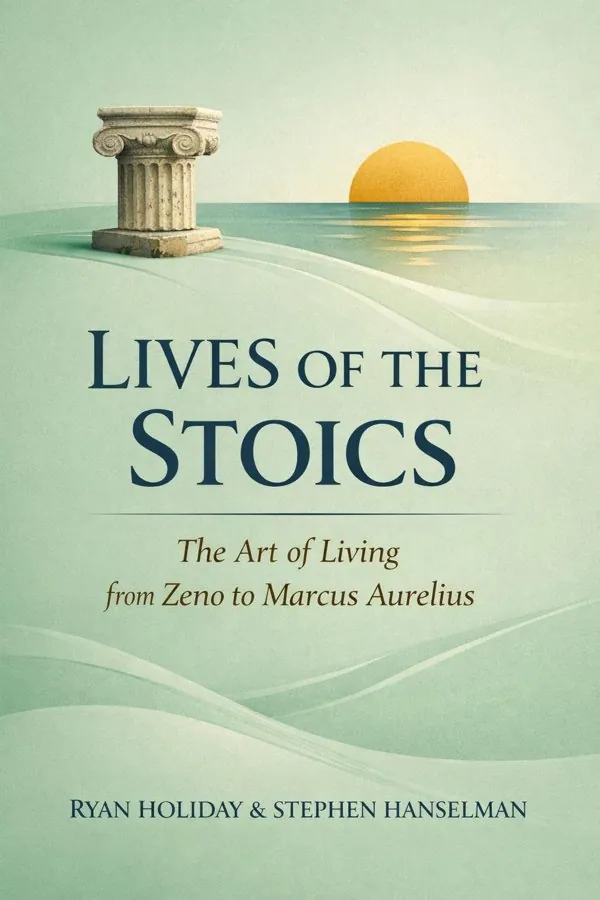
Lives of the Stoics: The Art of Living from Zeno to Marcus Aurelius: Summary & Key Insights
by Ryan Holiday, Stephen Hanselman
 10 min9 chaptersAudio available
What Is Lives of the Stoics: The Art of Living from Zeno to Marcus Aurelius About?
Lives of the Stoics: The Art of Living from Zeno to Marcus Aurelius by Ryan Holiday, Stephen Hanselman is a western_phil book spanning 9 pages. A través de las biografías de los principales filósofos estoicos, desde Zenón hasta Marco Aurelio, Ryan Holiday y Stephen Hanselman exploran cómo los principios del estoicismo —sabiduría, justicia, coraje y templanza— pueden aplicarse a la vida moderna. El libro combina historia, filosofía y ejemplos prácticos para mostrar cómo vivir con virtud y propósito en tiempos de incertidumbre.
This FizzRead summary covers all 9 key chapters of Lives of the Stoics: The Art of Living from Zeno to Marcus Aurelius in approximately 10 minutes, distilling the most important ideas, arguments, and takeaways from Ryan Holiday, Stephen Hanselman's work. Also available as an audio summary and Key Quotes Podcast.
Lives of the Stoics: The Art of Living from Zeno to Marcus Aurelius
A través de las biografías de los principales filósofos estoicos, desde Zenón hasta Marco Aurelio, Ryan Holiday y Stephen Hanselman exploran cómo los principios del estoicismo —sabiduría, justicia, coraje y templanza— pueden aplicarse a la vida moderna. El libro combina historia, filosofía y ejemplos prácticos para mostrar cómo vivir con virtud y propósito en tiempos de incertidumbre.
Who Should Read Lives of the Stoics: The Art of Living from Zeno to Marcus Aurelius?
This book is perfect for anyone interested in western_phil and looking to gain actionable insights in a short read. Whether you're a student, professional, or lifelong learner, the key ideas from Lives of the Stoics: The Art of Living from Zeno to Marcus Aurelius by Ryan Holiday, Stephen Hanselman will help you think differently.
- ✓Readers who enjoy western_phil and want practical takeaways
- ✓Professionals looking to apply new ideas to their work and life
- ✓Anyone who wants the core insights of Lives of the Stoics: The Art of Living from Zeno to Marcus Aurelius in just 10 minutes
Want the full summary?
Get instant access to this book summary and 100K+ more with Fizz Moment.
Get Free SummaryAvailable on App Store • Free to download
Key Chapters
Our journey begins in Athens, where Zeno of Citium, a merchant shipwrecked on foreign shores, stumbled into philosophy almost by accident. After losing everything, he found himself reading about Socrates and realized that the wealth he sought externally had to be cultivated within. Thus, beneath the painted Stoa Poikile, Zeno began teaching a new form of wisdom—a philosophy grounded in reason and virtue rather than fortune.
From Zeno’s teachings emerged the essential Stoic insight: that virtue alone is the highest good. To live well, one must align reason with nature and seek inner harmony over external pleasure. He taught that control lies not in the events themselves but in our judgments of them, a conviction that would echo through the centuries in Epictetus and later Marcus Aurelius. Zeno’s personal austerity—his rejection of luxury, his devotion to self-control—illustrated that philosophy was a lived discipline. He modeled the life he preached: simple, rational, calm in adversity. Through him, Stoicism began not as theory but as a practice of character.
Cleanthes, once a water carrier by night and student by day, epitomized determination. His devotion to mastering Stoicism was so great that he was mocked for his poverty, yet he endured through steadfast effort. When he succeeded Zeno, Cleanthes emphasized the unity of the cosmos under divine reason—the Logos. For him, every part of existence participates in order and meaning, even what appears painful or unjust.
His famous Hymn to Zeus was not a prayer to a deity in the mystical sense but a celebration of rational order. He believed that if we accept life’s trials as expressions of that divine rationality, we can act with serenity rather than resistance. I find Cleanthes inspiring because he demonstrated that Stoicism is not resignation—it’s the active acceptance of reality as worthy of cooperation, not complaint. He suffered poverty, ridicule, and hardship without bitterness, showing that endurance is a form of faith: to trust in the larger, reason-guided design of the world.
+ 7 more chapters — available in the FizzRead app
All Chapters in Lives of the Stoics: The Art of Living from Zeno to Marcus Aurelius
About the Authors
Ryan Holiday es un autor estadounidense conocido por sus obras sobre filosofía estoica y estrategia moderna, entre ellas 'The Obstacle Is the Way' y 'Ego Is the Enemy'. Stephen Hanselman es editor, traductor y coautor de varios libros sobre estoicismo, con formación en filosofía y teología.
Get This Summary in Your Preferred Format
Read or listen to the Lives of the Stoics: The Art of Living from Zeno to Marcus Aurelius summary by Ryan Holiday, Stephen Hanselman anytime, anywhere. FizzRead offers multiple formats so you can learn on your terms — all free.
Available formats: App · Audio · PDF · EPUB — All included free with FizzRead
Download Lives of the Stoics: The Art of Living from Zeno to Marcus Aurelius PDF and EPUB Summary
Key Quotes from Lives of the Stoics: The Art of Living from Zeno to Marcus Aurelius
“Our journey begins in Athens, where Zeno of Citium, a merchant shipwrecked on foreign shores, stumbled into philosophy almost by accident.”
“Cleanthes, once a water carrier by night and student by day, epitomized determination.”
Frequently Asked Questions about Lives of the Stoics: The Art of Living from Zeno to Marcus Aurelius
Lives of the Stoics: The Art of Living from Zeno to Marcus Aurelius by Ryan Holiday, Stephen Hanselman is a western_phil book that explores key ideas across 9 chapters. A través de las biografías de los principales filósofos estoicos, desde Zenón hasta Marco Aurelio, Ryan Holiday y Stephen Hanselman exploran cómo los principios del estoicismo —sabiduría, justicia, coraje y templanza— pueden aplicarse a la vida moderna. El libro combina historia, filosofía y ejemplos prácticos para mostrar cómo vivir con virtud y propósito en tiempos de incertidumbre.
More by Ryan Holiday, Stephen Hanselman
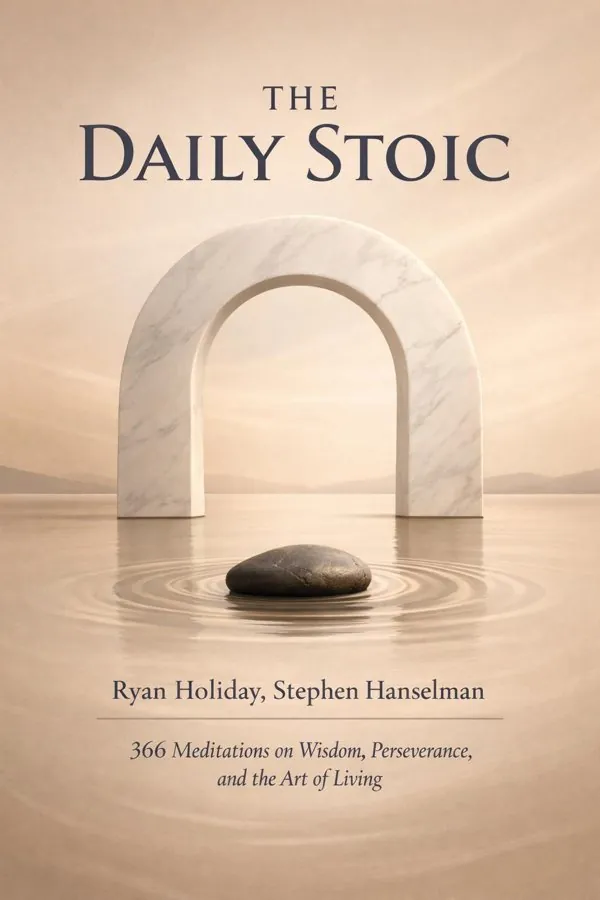
You Might Also Like
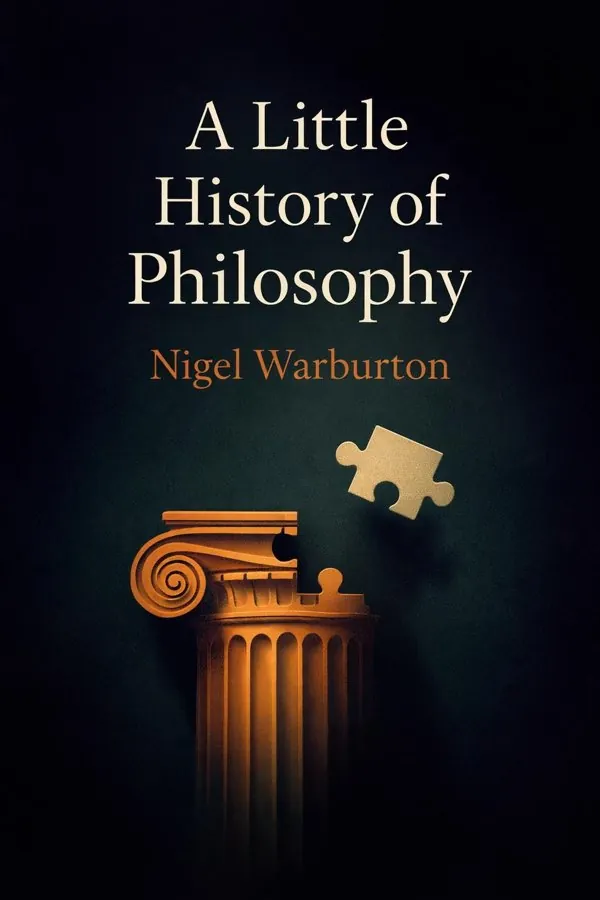
A Little History of Philosophy
Nigel Warburton
10 min
Areopagitica
John Milton
10 min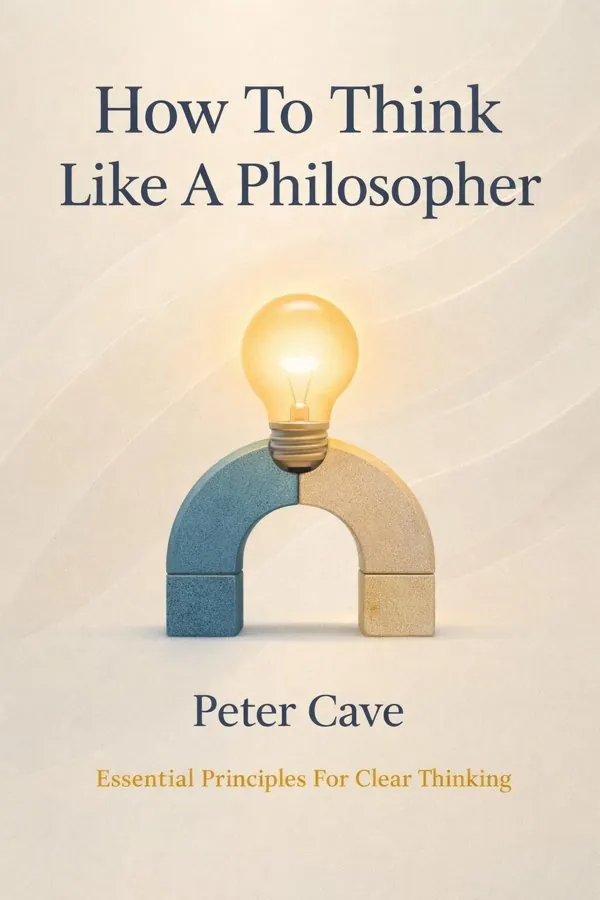
How To Think Like A Philosopher: Essential Principles For Clear Thinking
Peter Cave
10 min
Language, Truth and Logic
A. J. Ayer
10 min
The Age of Reason
Thomas Paine
10 min
The Essays
Michel De Montaigne
10 minBrowse by Category
Ready to read Lives of the Stoics: The Art of Living from Zeno to Marcus Aurelius?
Get the full summary and 100K+ more books with Fizz Moment.