
I Want to Die but I Want to Eat Tteokbokki: Summary & Key Insights
by Baek Sehee
 10 min9 chaptersAudio available
Key Takeaways from I Want to Die but I Want to Eat Tteokbokki
One of the hardest parts of mental suffering is that it often resists clear language.
Many people assume that being harsh with themselves is the same as being realistic.
Some people leave social interactions energized; others leave them replaying every word.
The book is powerful partly because it challenges the stereotype that depression always appears as visible collapse.
We often imagine honesty as a single brave confession, but Baek’s book shows that emotional honesty is usually incremental.
What Is I Want to Die but I Want to Eat Tteokbokki About?
I Want to Die but I Want to Eat Tteokbokki by Baek Sehee is a mental_health book spanning 12 pages. I Want to Die but I Want to Eat Tteokbokki is an unusually intimate memoir about living in the gray zone of depression: not dramatic collapse, but a persistent, exhausting dissatisfaction with being alive. Baek Sehee, a young South Korean woman working in publishing and advertising, records her therapy conversations as she tries to make sense of chronic low mood, anxiety, self-criticism, and the gap between how functional she appears and how fractured she feels inside. The book’s striking title captures its core truth: despair and desire can exist at the same time. A person can feel tired of life and still crave a favorite snack, a good conversation, or a small pleasure that keeps them tethered to the day. What makes this book matter is its honesty. Baek does not offer a dramatic recovery arc or easy inspiration. Instead, she shows what therapy often really looks like: repetitive, awkward, illuminating, and slow. Her authority comes not from clinical expertise but from lived experience, sharpened by careful observation and vulnerability. The result is a deeply relatable account of mental health that helps readers feel seen, especially those who have struggled to explain why they are hurting when everything looks “fine” from the outside.
This FizzRead summary covers all 9 key chapters of I Want to Die but I Want to Eat Tteokbokki in approximately 10 minutes, distilling the most important ideas, arguments, and takeaways from Baek Sehee's work. Also available as an audio summary and Key Quotes Podcast.
I Want to Die but I Want to Eat Tteokbokki
I Want to Die but I Want to Eat Tteokbokki is an unusually intimate memoir about living in the gray zone of depression: not dramatic collapse, but a persistent, exhausting dissatisfaction with being alive. Baek Sehee, a young South Korean woman working in publishing and advertising, records her therapy conversations as she tries to make sense of chronic low mood, anxiety, self-criticism, and the gap between how functional she appears and how fractured she feels inside. The book’s striking title captures its core truth: despair and desire can exist at the same time. A person can feel tired of life and still crave a favorite snack, a good conversation, or a small pleasure that keeps them tethered to the day.
What makes this book matter is its honesty. Baek does not offer a dramatic recovery arc or easy inspiration. Instead, she shows what therapy often really looks like: repetitive, awkward, illuminating, and slow. Her authority comes not from clinical expertise but from lived experience, sharpened by careful observation and vulnerability. The result is a deeply relatable account of mental health that helps readers feel seen, especially those who have struggled to explain why they are hurting when everything looks “fine” from the outside.
Who Should Read I Want to Die but I Want to Eat Tteokbokki?
This book is perfect for anyone interested in mental_health and looking to gain actionable insights in a short read. Whether you're a student, professional, or lifelong learner, the key ideas from I Want to Die but I Want to Eat Tteokbokki by Baek Sehee will help you think differently.
- ✓Readers who enjoy mental_health and want practical takeaways
- ✓Professionals looking to apply new ideas to their work and life
- ✓Anyone who wants the core insights of I Want to Die but I Want to Eat Tteokbokki in just 10 minutes
Want the full summary?
Get instant access to this book summary and 100K+ more with Fizz Moment.
Get Free SummaryAvailable on App Store • Free to download
Key Chapters
One of the hardest parts of mental suffering is that it often resists clear language. Baek Sehee enters therapy not because her life has completely fallen apart, but because she feels emotionally blunted, chronically dissatisfied, and unable to trust her own inner life. This matters because many people delay seeking help when their pain does not look severe enough to “count.” Baek’s early sessions show that numbness, irritability, and a vague sense of disconnection are not trivial problems; they are valid signs that something needs attention.
Her conversations with the psychiatrist reveal how therapy often begins in uncertainty. She does not arrive with a neat diagnosis of herself. Instead, she circles around symptoms: low energy, self-loathing, social discomfort, anxiety, and the exhausting effort of appearing fine. That uncertainty is itself part of the process. The psychiatrist helps by asking precise questions, reflecting patterns back to her, and creating a space where messy feelings can become more legible. Rather than demanding immediate clarity, therapy allows confusion to become data.
This idea is especially practical for readers who feel “not sick enough” to ask for support. You do not need a crisis to deserve care. If you regularly feel detached from your life, dread ordinary tasks, or cannot explain why everything feels heavier than it should, that is already meaningful information. Journaling vague emotions, noting bodily sensations, and tracking recurring situations that worsen your mood can all help put words to what feels shapeless.
Actionable takeaway: Stop waiting for perfect language before seeking help; write down three recurring emotional patterns you cannot ignore and treat them as worthy of attention.
Many people assume that being harsh with themselves is the same as being realistic. Baek’s therapy sessions expose the lie in that assumption. She often interprets her thoughts, behavior, and relationships through a lens of relentless self-criticism, calling herself inadequate, fake, selfish, or weak. On the surface, this can look like self-awareness. In reality, it is a distorted habit of mind that filters out complexity and reduces the self to failure.
A major insight in the book is the difference between honest reflection and emotional punishment. Honest reflection might say, “I was impatient in that conversation.” Self-punishment says, “I am fundamentally unlikeable.” Baek repeatedly confuses the two, which leaves her trapped in a cycle where every mistake confirms a negative identity. The psychiatrist helps her see that self-perception is not always truth; it is often a story shaped by anxiety, shame, and long-practiced inner habits.
This is deeply relevant in daily life. A person who performs well at work may still believe they are a fraud. Someone who receives affection may still feel unworthy of love. These are not signs of humility; they are signs that inner judgment has become detached from reality. One practical application is learning to separate event from identity. Missing a deadline does not mean you are lazy. Feeling awkward at dinner does not mean you are socially defective.
A helpful exercise is to challenge self-accusations with evidence. If you think, “I ruin every relationship,” list actual relationships that include care, effort, and repair. This does not erase responsibility, but it restores proportion.
Actionable takeaway: When you criticize yourself, rewrite the thought in behavioral rather than identity-based terms, and ask whether the evidence truly supports your conclusion.
The book is powerful partly because it challenges the stereotype that depression always appears as visible collapse. Baek’s struggle resembles dysthymia, a persistent, low-grade depression that allows a person to function while still feeling chronically depleted, joyless, and burdened by existence. She goes to work, talks to people, and continues with daily routines, yet her inner world remains clouded. This is precisely why her suffering can be overlooked by others and even minimized by herself.
Baek’s experience expands the conversation around mental health by showing that functionality is not the same as wellness. Someone can meet deadlines and still wake up with dread. Someone can laugh at dinner and still privately wish not to exist. The title itself reflects this split: the desire to die coexists with appetite, habit, and small pleasures. Depression is not always total darkness; sometimes it is a long season of muted color.
For readers, this insight can be liberating. If you have told yourself, “I can’t really be depressed because I still do what I’m supposed to do,” Baek’s story offers a corrective. Quiet suffering is still suffering. It also suggests why healing may require more than waiting for motivation to return. Chronic low mood often becomes normalized, making it harder to recognize the need for treatment, boundaries, rest, or medication.
A practical application is to observe baseline patterns over time rather than reacting only to dramatic moments. If you consistently feel flat, hopeless, or emotionally thin for months, that pattern matters more than isolated good days. Tracking mood, sleep, appetite, and enjoyment can help reveal the persistence of what you may be minimizing.
Actionable takeaway: Do not use your ability to function as proof that you are fine; pay attention to your emotional baseline, not just your outward productivity.
We often imagine honesty as a single brave confession, but Baek’s book shows that emotional honesty is usually incremental. In therapy, she gradually says things she has hidden even from herself: how much she dislikes herself, how often she interprets life through shame, how badly she wants relief, and how suspicious she is of her own motives. Each admission is uncomfortable, yet each one also sharpens the picture of what she is actually dealing with.
This matters because avoidance often keeps suffering vague and therefore harder to treat. If you only speak in softened versions of your pain, neither you nor others can respond accurately. Baek’s sessions model the courage of specificity. Instead of saying “I’m stressed,” she begins to uncover envy, resentment, emptiness, dependence, fear of rejection, and the need to be approved of. Naming these feelings does not make her weak. It makes change possible.
In ordinary life, vulnerability can look less dramatic than confession. It may mean telling a friend, “I seem fine, but I’ve been struggling more than I let on.” It may mean admitting in a journal that you are angry rather than merely tired. It may mean recognizing that your irritability is covering hurt. Baek reminds readers that clarity often arrives only after discomfort.
A useful practice is emotional precision. Instead of relying on broad labels like bad, stressed, or overwhelmed, expand your language: ashamed, lonely, guilty, disappointed, threatened, invisible. The more precise the feeling, the more precise the response can be.
Actionable takeaway: Choose one recurring emotion you usually conceal, describe it in exact terms, and share it honestly with a trusted person or in writing without minimizing it.
Modern life encourages a dangerous equation: productivity equals value. Baek’s reflections on work show how deeply this belief can shape mental health. She does not simply want to do her job well; she experiences work performance as evidence of whether she deserves respect, belonging, and even self-acceptance. That creates a fragile emotional economy in which criticism feels devastating and rest feels undeserved.
The problem is not ambition itself but overidentification. When work becomes the main source of self-definition, every task acquires emotional stakes far beyond its practical importance. A difficult email can trigger shame. A missed expectation can feel like moral failure. Even success offers only temporary relief, because the next task immediately threatens the self again. Baek’s therapy helps reveal how this pattern keeps her trapped in constant evaluation.
This dynamic is common among high-functioning anxious people. They may appear responsible and accomplished while internally running on fear. Practical examples include checking messages compulsively, overpreparing to avoid judgment, feeling empty after achievements, or panicking when performance slips. The book invites readers to ask not just “How am I doing at work?” but “What am I asking work to prove about me?”
A healthier approach is to broaden the sources of identity. You are not only your output, title, or efficiency. Relationships, values, interests, care, humor, curiosity, and integrity also count. Setting boundaries around work hours, allowing imperfect performance in low-stakes situations, and noticing the guilt that appears during rest can help loosen the bond between labor and worth.
Actionable takeaway: Identify one belief linking your value to your performance, then deliberately practice a boundary that proves your worth does not vanish when productivity decreases.
Closeness can comfort us, but it can also expose our deepest insecurities. In Baek’s case, relationships often become the stage on which fears of abandonment, neediness, and inadequacy play out. She wants connection, reassurance, and understanding, yet those desires are accompanied by anxiety about burdening others or being disliked. This tension makes intimacy emotionally complicated: the very thing she seeks can also activate her distress.
The book handles dependency with unusual nuance. Baek does not simply portray herself as lonely or independent; she explores the uncomfortable middle ground where wanting support feels shameful. Many readers will recognize this. They want people to stay close but feel humiliated by how much they care. They monitor others’ moods, overinterpret distance, and then criticize themselves for being emotionally needy. Therapy helps Baek see that dependency is not inherently pathological. The real issue is when unmet emotional needs become fused with fear and self-rejection.
In practical terms, this insight encourages more mature forms of connection. Instead of testing people, withdrawing defensively, or seeking constant proof of love, one can practice direct communication. Saying “I’ve been feeling insecure and could use reassurance” is healthier than resenting someone for not guessing. Likewise, distinguishing preference from necessity can reduce panic. Wanting a reply soon is not the same as being unable to survive delay.
Readers can apply this by examining their relational triggers. Do you become distressed when plans change? Do you interpret independence as rejection? Do you silence your needs until they erupt? Awareness does not eliminate vulnerability, but it makes it easier to respond with honesty rather than reflex.
Actionable takeaway: Notice one recurring insecurity in your relationships and express the underlying need directly instead of acting it out through withdrawal, overthinking, or resentment.
Healing is often romanticized as a breakthrough, but Baek’s experience suggests something quieter and more realistic: progress usually arrives in fragments. A therapist’s question lingers. A repeated pattern becomes visible. A thought once accepted as truth starts to seem less absolute. None of these moments instantly transform her life, yet together they alter how she sees herself. This is one of the book’s most important contributions: it teaches readers to value incremental insight.
Baek does not leave therapy suddenly cured. She remains ambivalent, self-conscious, and vulnerable. But she becomes more able to observe her mental habits rather than being fully ruled by them. That shift is subtle but powerful. Awareness creates distance, and distance creates choice. When she notices a familiar spiral of self-hatred or social anxiety, she is no longer entirely inside it; she can begin to question it.
This matters because many people quit on themselves when change feels slow. They assume that if therapy, reflection, or medication does not produce immediate relief, nothing is working. Baek’s story offers a more compassionate timeline. Progress may mean fewer catastrophic interpretations, slightly kinder self-talk, or a better understanding of why certain situations hurt so much. Those changes are not small in effect, even if they appear modest from the outside.
A practical application is to track progress by patterns, not perfection. Ask: Am I noticing triggers earlier? Recovering more quickly? Judging myself less harshly? Reaching out for help sooner? These are meaningful signs that the inner system is shifting.
Actionable takeaway: Once a week, record one small mental or emotional change you have noticed, and treat consistency in awareness as real progress rather than dismissing it because it is not dramatic.
The book’s title is unforgettable because it captures a profound psychological truth: the wish to disappear can coexist with the desire for something ordinary, comforting, and specific. Tteokbokki is not just food here; it symbolizes the stubborn persistence of appetite, preference, and attachment even in the midst of depression. Baek’s central paradox refuses simplistic narratives. A person can be exhausted by life and still be reached by taste, routine, beauty, or small pleasure.
This idea matters because severe emotional pain often convinces people that only grand solutions count. But survival is frequently built from humble anchors. A favorite meal, a familiar street, a text from a friend, a pet’s routine, a television show, or the obligation to water a plant can interrupt despair just enough to get someone through the next hour. These are not trivial distractions. They are evidence that some part of the self remains in contact with life.
Baek does not present desire as a cure. Wanting tteokbokki does not solve dysthymia. Yet it does challenge total hopelessness. It suggests that even when meaning feels inaccessible, sensory and relational threads still exist. In practical terms, this encourages a more grounded approach to coping. Instead of demanding immediate purpose, one can collect small reasons to stay present: warm tea, a walk at dusk, music, a favorite snack, or a gentle errand.
Readers can create a personal list of “life anchors” for difficult days. The key is to choose concrete, low-effort comforts rather than abstract aspirations. When the mind becomes catastrophic, specificity helps.
Actionable takeaway: Make a written list of ten small, ordinary things that still connect you to life, and use it as a first-response tool when despair starts to narrow your world.
All Chapters in I Want to Die but I Want to Eat Tteokbokki
About the Author
Baek Sehee is a South Korean author best known for I Want to Die but I Want to Eat Tteokbokki, a breakout memoir based on her therapy sessions and personal experience with depression and anxiety. Before publishing the book, she worked in publishing and advertising, fields that exposed her to the pressures of performance, image, and emotional restraint that later shaped her writing. Baek’s voice is marked by candor, restraint, and a willingness to describe uncomfortable inner contradictions without turning them into easy lessons. Her work resonated widely because it gave language to forms of suffering that are often hidden behind competence and routine. Through intimate self-examination, she became an important contemporary voice in mental health writing, especially for readers seeking honesty over polished inspiration.
Get This Summary in Your Preferred Format
Read or listen to the I Want to Die but I Want to Eat Tteokbokki summary by Baek Sehee anytime, anywhere. FizzRead offers multiple formats so you can learn on your terms — all free.
Available formats: App · Audio · PDF · EPUB — All included free with FizzRead
Download I Want to Die but I Want to Eat Tteokbokki PDF and EPUB Summary
Key Quotes from I Want to Die but I Want to Eat Tteokbokki
“One of the hardest parts of mental suffering is that it often resists clear language.”
“Many people assume that being harsh with themselves is the same as being realistic.”
“Some people leave social interactions energized; others leave them replaying every word.”
“The book is powerful partly because it challenges the stereotype that depression always appears as visible collapse.”
“We often imagine honesty as a single brave confession, but Baek’s book shows that emotional honesty is usually incremental.”
Frequently Asked Questions about I Want to Die but I Want to Eat Tteokbokki
I Want to Die but I Want to Eat Tteokbokki by Baek Sehee is a mental_health book that explores key ideas across 9 chapters. I Want to Die but I Want to Eat Tteokbokki is an unusually intimate memoir about living in the gray zone of depression: not dramatic collapse, but a persistent, exhausting dissatisfaction with being alive. Baek Sehee, a young South Korean woman working in publishing and advertising, records her therapy conversations as she tries to make sense of chronic low mood, anxiety, self-criticism, and the gap between how functional she appears and how fractured she feels inside. The book’s striking title captures its core truth: despair and desire can exist at the same time. A person can feel tired of life and still crave a favorite snack, a good conversation, or a small pleasure that keeps them tethered to the day. What makes this book matter is its honesty. Baek does not offer a dramatic recovery arc or easy inspiration. Instead, she shows what therapy often really looks like: repetitive, awkward, illuminating, and slow. Her authority comes not from clinical expertise but from lived experience, sharpened by careful observation and vulnerability. The result is a deeply relatable account of mental health that helps readers feel seen, especially those who have struggled to explain why they are hurting when everything looks “fine” from the outside.
You Might Also Like
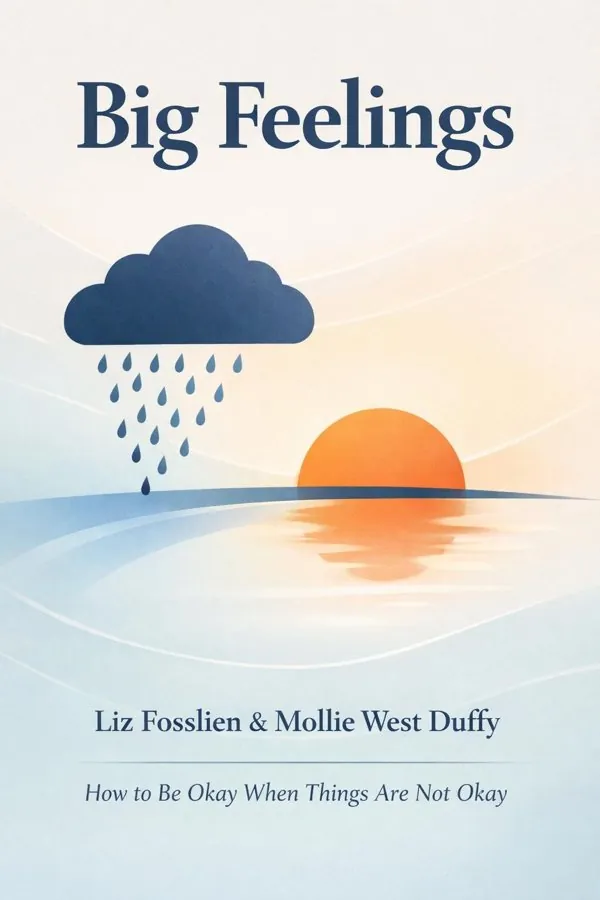
Big Feelings: How to Be Okay When Things Are Not Okay
Liz Fosslien, Mollie West Duffy
10 min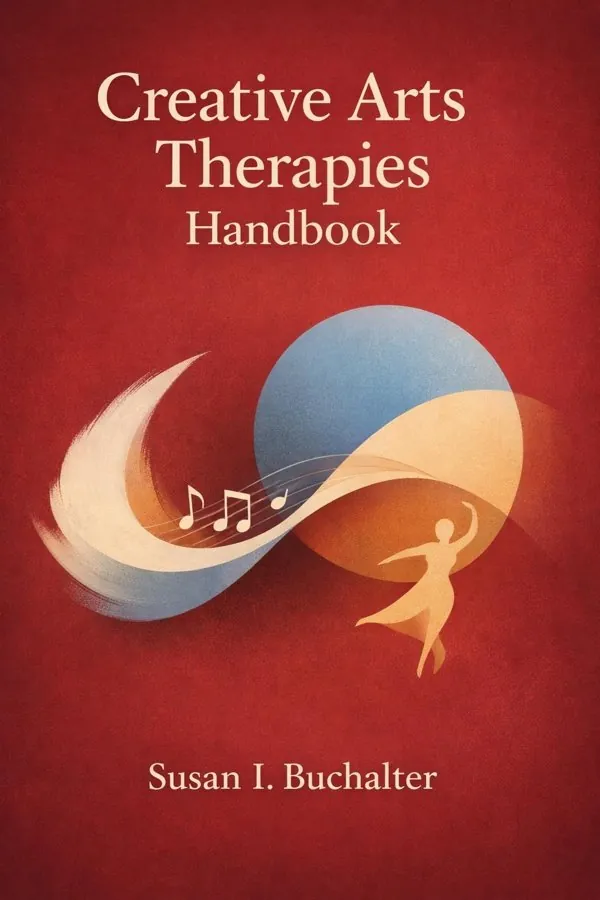
Creative Arts Therapies Handbook: Art, Music and Dance Therapy Practices for Wellbeing
Susan I. Buchalter
10 min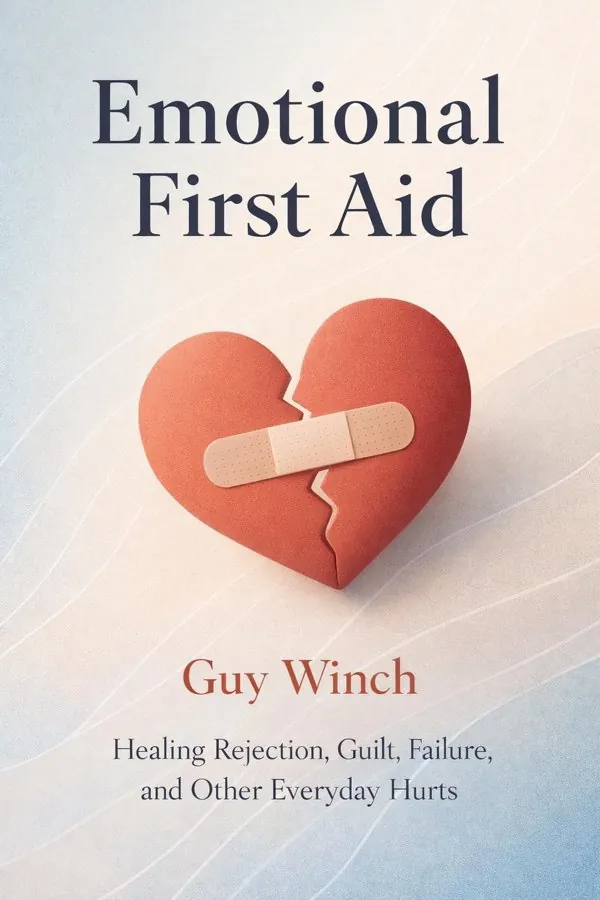
Emotional First Aid: Healing Rejection, Guilt, Failure, and Other Everyday Hurts
Guy Winch
10 min
Lost Connections: Why You're Depressed and How to Find Hope
Johann Hari
10 min
No Time to Panic: How to Stop Worrying and Embrace Life
Matt Gutman
10 min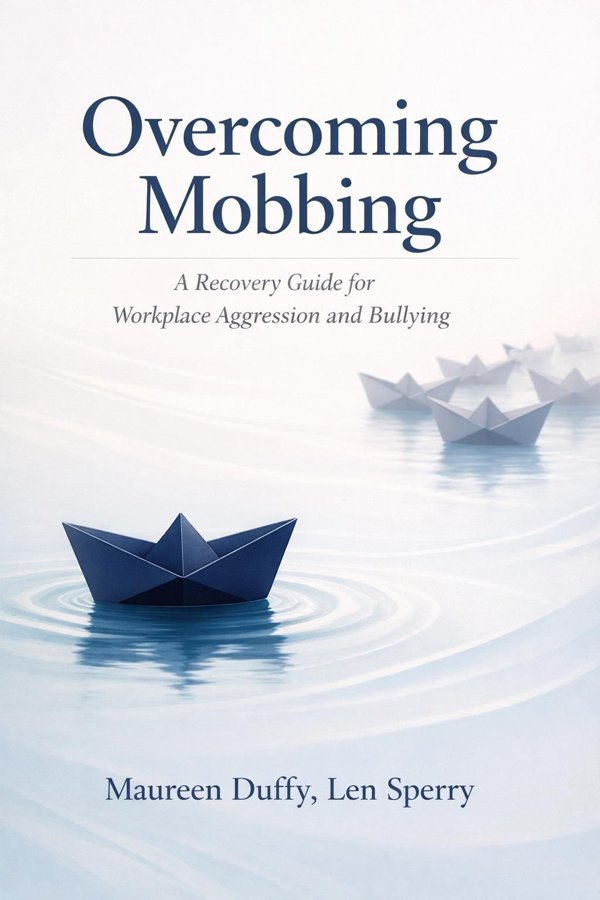
Overcoming Mobbing: A Recovery Guide for Workplace Aggression and Bullying
Maureen Duffy, Len Sperry
10 minBrowse by Category
Ready to read I Want to Die but I Want to Eat Tteokbokki?
Get the full summary and 100K+ more books with Fizz Moment.