

I Loved You First: Summary & Key Insights
by Jenna Bush Hager, Barbara Pierce Bush
 10 min9 chaptersAudio available
Key Takeaways from I Loved You First
The place where you begin often becomes the compass you carry for life.
Fame magnifies everything, including the private moments people usually take for granted.
Closeness is a gift, but even the strongest bond cannot replace individual identity.
People remember what families live more than what families preach.
The deepest relationships are not defined by constant harmony, but by reliable return.
What Is I Loved You First About?
I Loved You First by Jenna Bush Hager, Barbara Pierce Bush is a biographies book spanning 11 pages. I Loved You First is a warm, intimate memoir about family, identity, and the lifelong bond between sisters. Written by twins Jenna Bush Hager and Barbara Pierce Bush, the book moves beyond the familiar headlines of presidential politics to reveal a more personal story: two girls raised in a close Texas family, growing up under extraordinary public attention while trying to preserve ordinary love, humor, and connection. Told in alternating voices, the memoir traces their childhood, the shock of White House life, the awkwardness of young adulthood, and the evolving meaning of family as they become wives, mothers, and professionals in their own right. What makes this book matter is its emotional honesty. Rather than presenting a polished public image, Jenna and Barbara reflect on insecurity, grief, missteps, privilege, and responsibility with surprising openness. Their story becomes less about politics and more about what sustains any family through change: loyalty, forgiveness, perspective, and shared memory. They write with unusual authority not only because they witnessed history up close, but because they experienced it as daughters, sisters, and women learning to define themselves beyond their famous name. The result is a memoir that feels both singular and widely relatable.
This FizzRead summary covers all 9 key chapters of I Loved You First in approximately 10 minutes, distilling the most important ideas, arguments, and takeaways from Jenna Bush Hager, Barbara Pierce Bush's work. Also available as an audio summary and Key Quotes Podcast.
I Loved You First
I Loved You First is a warm, intimate memoir about family, identity, and the lifelong bond between sisters. Written by twins Jenna Bush Hager and Barbara Pierce Bush, the book moves beyond the familiar headlines of presidential politics to reveal a more personal story: two girls raised in a close Texas family, growing up under extraordinary public attention while trying to preserve ordinary love, humor, and connection. Told in alternating voices, the memoir traces their childhood, the shock of White House life, the awkwardness of young adulthood, and the evolving meaning of family as they become wives, mothers, and professionals in their own right.
What makes this book matter is its emotional honesty. Rather than presenting a polished public image, Jenna and Barbara reflect on insecurity, grief, missteps, privilege, and responsibility with surprising openness. Their story becomes less about politics and more about what sustains any family through change: loyalty, forgiveness, perspective, and shared memory. They write with unusual authority not only because they witnessed history up close, but because they experienced it as daughters, sisters, and women learning to define themselves beyond their famous name. The result is a memoir that feels both singular and widely relatable.
Who Should Read I Loved You First?
This book is perfect for anyone interested in biographies and looking to gain actionable insights in a short read. Whether you're a student, professional, or lifelong learner, the key ideas from I Loved You First by Jenna Bush Hager, Barbara Pierce Bush will help you think differently.
- ✓Readers who enjoy biographies and want practical takeaways
- ✓Professionals looking to apply new ideas to their work and life
- ✓Anyone who wants the core insights of I Loved You First in just 10 minutes
Want the full summary?
Get instant access to this book summary and 100K+ more with Fizz Moment.
Get Free SummaryAvailable on App Store • Free to download
Key Chapters
The place where you begin often becomes the compass you carry for life. For Jenna and Barbara Bush, Midland and later Texas family life formed the emotional foundation that steadied them through far less ordinary experiences. Before White House corridors, international scrutiny, and political symbolism, there were dusty landscapes, family traditions, school routines, and parents who emphasized decency over display. The sisters present Texas not just as a setting but as a value system: directness, humor, humility, loyalty, and resilience.
This early environment matters because it gave them a sense of self that was not entirely dependent on public approval. Their parents worked to create a home where kindness mattered more than status and where the girls understood that being part of a prominent family did not exempt them from ordinary responsibilities. Even when their father’s career thrust them into the national spotlight, the sisters repeatedly return to childhood memories as proof that identity is built long before the world starts labeling you.
Readers can apply this idea by asking what early influences still anchor them today. Family rituals, regional culture, values passed down by grandparents, and even childhood hardships often become hidden strengths later in life. When circumstances change quickly, those roots help prevent emotional drift.
The memoir suggests that maturity is not about rejecting where you came from, but about understanding how your beginnings shaped your instincts, relationships, and moral center. Actionable takeaway: make a short list of the three values your upbringing gave you, and use them as a guide when life feels uncertain or overly performative.
Fame magnifies everything, including the private moments people usually take for granted. One of the book’s most striking themes is how dramatically Jenna and Barbara’s daily lives changed when George W. Bush became president. Moving into the White House meant entering one of the world’s most recognizable buildings, but it also meant losing anonymity, privacy, and spontaneity. Security details followed them, media attention intensified, and every misstep could become public conversation.
Yet the sisters resist reducing this experience to glamour. They describe the White House as both extraordinary and isolating: historic, beautiful, and full of symbolic weight, but also strangely quiet, heavily managed, and emotionally complicated. Their story reveals the tension between inhabiting a national institution and still wanting a normal young adult life. They were not policymakers, yet they were often treated as extensions of the administration. That pressure shaped how they dated, socialized, traveled, and even made mistakes.
The broader lesson is that major life transitions often look more enviable from the outside than they feel on the inside. A dream job, a public role, or a high-status environment can bring hidden emotional costs. What matters is maintaining perspective and creating pockets of normalcy within the unusual.
For readers, this chapter offers a practical reminder to avoid idealizing someone else’s life based on appearances. It also encourages building routines that preserve your humanity in demanding settings: trusted friendships, private rituals, and boundaries around public expectations. Actionable takeaway: if you are entering a high-pressure environment, decide in advance which personal habits and relationships will keep you grounded.
Closeness is a gift, but even the strongest bond cannot replace individual identity. A central tension in I Loved You First is the sisters’ need to grow not only together but apart. As twins, Jenna and Barbara were linked from birth in ways few people can fully understand. They shared milestones, public perceptions, family experiences, and often a merged identity in the eyes of others. But growing up required them to discover who each one was beyond the pair.
Their college years and early adulthood represent this developmental push. Independence did not mean emotional distance; it meant allowing different personalities, choices, and ambitions to emerge without seeing divergence as betrayal. One sister could be drawn to media and storytelling, another to advocacy and social impact. One could take one path in love or work, and the other another, without weakening the underlying relationship.
This is a powerful lesson for siblings, close friends, business partners, and even parents with children who are often compared. Love becomes healthier when it makes room for distinction. Relationships suffer when identity is overly fused and every difference feels threatening.
In practical terms, the memoir models how to support someone without controlling their path. It suggests replacing comparison with curiosity: What genuinely fits this person’s temperament, not my expectations? Healthy closeness includes cheering for choices you would not make yourself.
The sisters show that separation, when rooted in trust, can deepen rather than diminish attachment. Actionable takeaway: identify one relationship where roles or expectations have become too fixed, and start one conversation that honors individuality instead of sameness.
People remember what families live more than what families preach. Throughout the memoir, Jenna and Barbara reflect on lessons absorbed from parents and grandparents not as abstract moral speeches, but as repeated patterns of behavior. George W. Bush and Laura Bush, along with the older Bush generation, modeled humor in difficulty, loyalty in public pressure, service as a duty, and tenderness behind closed doors. These examples shaped the sisters’ understanding of how to move through both privilege and pain.
Importantly, the book does not present family wisdom as perfection. The lessons that mattered most emerged through ordinary gestures: being present, calling regularly, showing up in crisis, treating staff and strangers with respect, and maintaining perspective during public turbulence. The authors imply that character is transmitted quietly, almost invisibly, through what children watch adults do over time.
Readers can apply this insight in their own lives whether or not they are parents. Everyone teaches by example in some sphere: at home, at work, in friendship, in leadership. The values you claim matter only become credible when others repeatedly experience them through your conduct. Kindness, steadiness, humility, and responsibility are contagious when practiced consistently.
This section also encourages reflection on inherited strengths. Many people carry useful family lessons without naming them. Identifying those patterns can make them easier to preserve and pass on intentionally. In a culture that often celebrates reinvention, the sisters remind us that inheritance can be a moral resource, not just a burden.
Actionable takeaway: write down one family lesson you want to continue and one you want to improve upon, then choose a concrete weekly action that turns that intention into behavior.
The deepest relationships are not defined by constant harmony, but by reliable return. One of the memoir’s most resonant ideas is that sisterhood is built through showing up across seasons of change, disagreement, embarrassment, joy, and grief. Jenna and Barbara do not portray their bond as magically effortless simply because they are twins. Instead, they show it as a living relationship that endured because of loyalty, humor, memory, and a willingness to keep choosing each other.
Their closeness is especially meaningful because much of their life unfolded under public scrutiny. In such conditions, a sibling can become one of the few people who remembers who you were before the world projected identities onto you. That shared history creates emotional safety. A sister knows your childhood fears, family dynamics, secret language, and private strengths. She can remind you of yourself when public narratives become distorted.
The book’s broader relevance goes beyond literal sisterhood. It applies to any enduring bond where mutual witness matters: best friends, cousins, partners, or chosen family. Strong relationships are sustained less by dramatic declarations than by calls returned, difficult truths spoken kindly, and practical help given at the right moment.
Readers may also notice that support is not the same as sameness. The sisters support each other’s distinct lives while remaining deeply connected. That is a model of mature love.
Actionable takeaway: strengthen one core relationship this week through a specific act of presence, such as a thoughtful check-in, a shared memory, or showing up for something important without being asked.
When the world assigns you a role, it becomes harder to hear your own voice. Jenna and Barbara grew up not only as daughters and sisters but as symbols in the public imagination: presidential children, political heirs, cultural figures, and tabloid subjects. The memoir thoughtfully explores the strain of living in the overlap between public expectation and private selfhood. They were expected to represent family dignity, navigate politics they did not control, and absorb attention they did not seek.
This creates a universal lesson. While most readers will never live in the White House, many know what it feels like to be cast into a role by others: the responsible child, the troublemaker, the achiever, the caretaker, the “public face” of a family or organization. Such roles can become limiting when they flatten a person’s complexity. The sisters’ reflections show that one of adulthood’s hardest tasks is learning to distinguish identity from image.
The book also demonstrates that privacy is not secrecy. Maintaining some boundaries is necessary for mental and emotional health, especially when outside narratives grow loud. Choosing what to share and what to protect is part of self-respect, not selfishness.
Practically, readers can use this insight by noticing where performance has replaced authenticity. Are you acting from conviction, or from a script others handed you? What private truths need more room in your life? The memoir encourages small acts of reclaiming self-definition.
Actionable takeaway: identify one label or role that no longer fits, and make one decision this month based on your real priorities rather than others’ expectations.
Romantic love becomes meaningful not when it feels cinematic, but when it makes room for honesty, growth, and steadiness. In discussing relationships and marriage, Jenna and Barbara present love as an extension of the family lessons they inherited: humor, patience, perspective, and the ability to stay grounded through change. Their reflections suggest that healthy partnerships are not escapes from family history but new spaces where old lessons are tested and reshaped.
What stands out is their attention to the ordinary architecture of love. Lasting relationships are built through trust, not performance; through mutual respect, not idealization. Public families often invite speculation about romance, but the sisters redirect attention away from spectacle and toward substance. Love is shown through reliability, shared values, and the willingness to keep learning another person over time.
This perspective is useful because it counters a common myth that the right relationship eliminates uncertainty. Instead, the memoir implies that love matures when people remain generous through imperfection. Grace matters because everyone changes, and no partnership survives on feeling alone. It needs habits of communication, forgiveness, and support.
Readers can apply this by evaluating relationships according to deeper indicators: Do I feel respected? Can we be honest? Do we handle stress with care? Are we building something stable? Such questions are more valuable than asking whether a relationship simply looks successful from the outside.
Actionable takeaway: strengthen a key relationship by initiating one candid, kind conversation about values, needs, or routines that would help your connection grow with more trust and intention.
Inheritance may open doors, but meaning still has to be earned. Another important theme in I Loved You First is the sisters’ effort to build lives of purpose beyond the identity they were born into. Jenna pursued writing, journalism, and television, while Barbara devoted energy to public health and social impact. Their careers differ, but both reflect an attempt to translate upbringing into contribution.
This matters because the memoir avoids the shallow storyline of simply escaping a famous family. Instead, Jenna and Barbara show that purpose can involve both honoring legacy and stepping outside it. They acknowledge privilege while also recognizing the responsibility that comes with visibility and access. Their work becomes a way of turning inherited opportunity into service, communication, advocacy, and human connection.
For readers, this chapter offers a useful framework for thinking about vocation. Purpose is not only about prestige or passion in the abstract; it often emerges where personal gifts meet responsibility. The question is not merely, “What do I want to do?” but “What can I meaningfully give?” That shift can make career decisions feel less ego-driven and more grounded.
The sisters also model that it is acceptable for siblings or peers from the same background to define success differently. One person may be called to public communication, another to institutional reform, another to caregiving or entrepreneurship. Comparison weakens purpose; alignment strengthens it.
Actionable takeaway: define purpose in one sentence that includes both your strengths and who you hope to serve, then use that sentence to guide your next professional decision.
Nothing clarifies love like realizing time is limited. In the later emotional arc of the memoir, themes of loss, generational change, motherhood, and legacy come into focus. As Jenna and Barbara move from being daughters and granddaughters to becoming mothers and family stewards themselves, their understanding of love deepens. Memory becomes less nostalgic and more urgent. The people who shaped them are no longer just providers of wisdom; they become part of a legacy the sisters must now preserve and reinterpret.
This shift is especially powerful because it shows how adulthood changes the meaning of family stories. Childhood memories once felt immediate and personal; later they become inheritance. Loss heightens gratitude, but it also creates responsibility. Which traditions will endure? Which family values are worth carrying forward? How do you honor those you loved without idealizing them into distance?
Motherhood sharpens these questions. Raising children makes the sisters newly aware of what their own parents gave them and what they hope to pass on. The book suggests that legacy is not grand monument-making. It lives in repeated gestures: reading to children, telling family stories, laughing in difficult moments, writing letters, showing tenderness, and making people feel secure.
Readers can apply this insight by taking family memory more seriously before time passes. Record stories, ask elders questions, preserve photographs, and be intentional about the values you model daily. Legacy is built in ordinary time.
Actionable takeaway: have one meaningful conversation with a parent, grandparent, or child this week about a family story or value you want remembered and carried forward.
All Chapters in I Loved You First
About the Authors
Jenna Bush Hager and Barbara Pierce Bush are American authors, public figures, and twin sisters best known as the daughters of former U.S. President George W. Bush and former First Lady Laura Bush. Jenna Bush Hager is a journalist, television host, and bestselling author who gained wide recognition as a co-host of NBC’s Today show, where she is known for her warmth and storytelling. Barbara Pierce Bush is an activist and nonprofit leader who co-founded Global Health Corps, an organization focused on health equity and leadership development. Together, they have written about family, service, and sisterhood with unusual intimacy and perspective. Their work reflects both their public upbringing and their individual commitments to communication, compassion, and meaningful impact.
Get This Summary in Your Preferred Format
Read or listen to the I Loved You First summary by Jenna Bush Hager, Barbara Pierce Bush anytime, anywhere. FizzRead offers multiple formats so you can learn on your terms — all free.
Available formats: App · Audio · PDF · EPUB — All included free with FizzRead
Download I Loved You First PDF and EPUB Summary
Key Quotes from I Loved You First
“The place where you begin often becomes the compass you carry for life.”
“Fame magnifies everything, including the private moments people usually take for granted.”
“Closeness is a gift, but even the strongest bond cannot replace individual identity.”
“People remember what families live more than what families preach.”
“The deepest relationships are not defined by constant harmony, but by reliable return.”
Frequently Asked Questions about I Loved You First
I Loved You First by Jenna Bush Hager, Barbara Pierce Bush is a biographies book that explores key ideas across 9 chapters. I Loved You First is a warm, intimate memoir about family, identity, and the lifelong bond between sisters. Written by twins Jenna Bush Hager and Barbara Pierce Bush, the book moves beyond the familiar headlines of presidential politics to reveal a more personal story: two girls raised in a close Texas family, growing up under extraordinary public attention while trying to preserve ordinary love, humor, and connection. Told in alternating voices, the memoir traces their childhood, the shock of White House life, the awkwardness of young adulthood, and the evolving meaning of family as they become wives, mothers, and professionals in their own right. What makes this book matter is its emotional honesty. Rather than presenting a polished public image, Jenna and Barbara reflect on insecurity, grief, missteps, privilege, and responsibility with surprising openness. Their story becomes less about politics and more about what sustains any family through change: loyalty, forgiveness, perspective, and shared memory. They write with unusual authority not only because they witnessed history up close, but because they experienced it as daughters, sisters, and women learning to define themselves beyond their famous name. The result is a memoir that feels both singular and widely relatable.
You Might Also Like

An American Marriage
Tayari Jones
10 min
Benjamin Franklin: An American Life
Walter Isaacson
10 min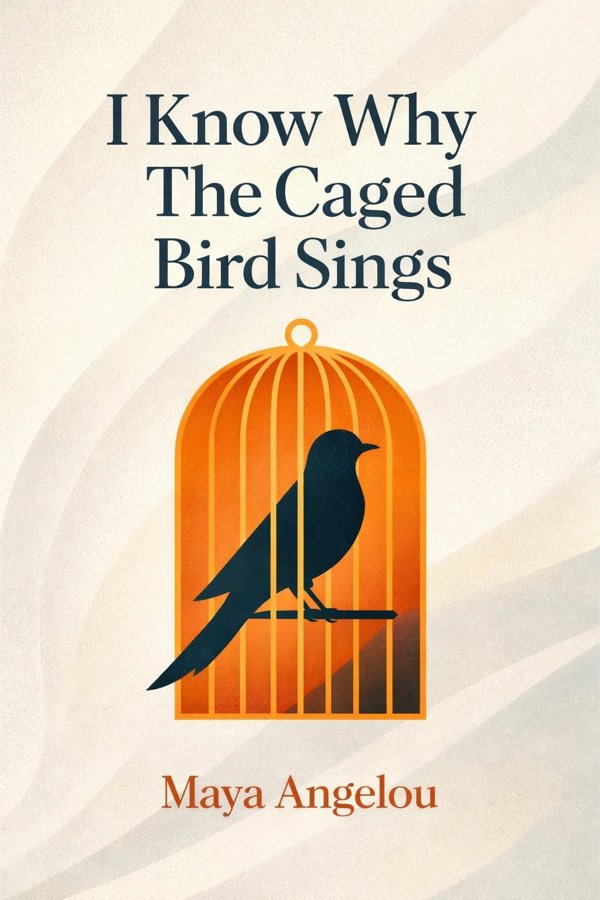
I Know Why The Caged Bird Sings
Maya Angelou
10 min
Long Walk to Freedom
Nelson Mandela
10 min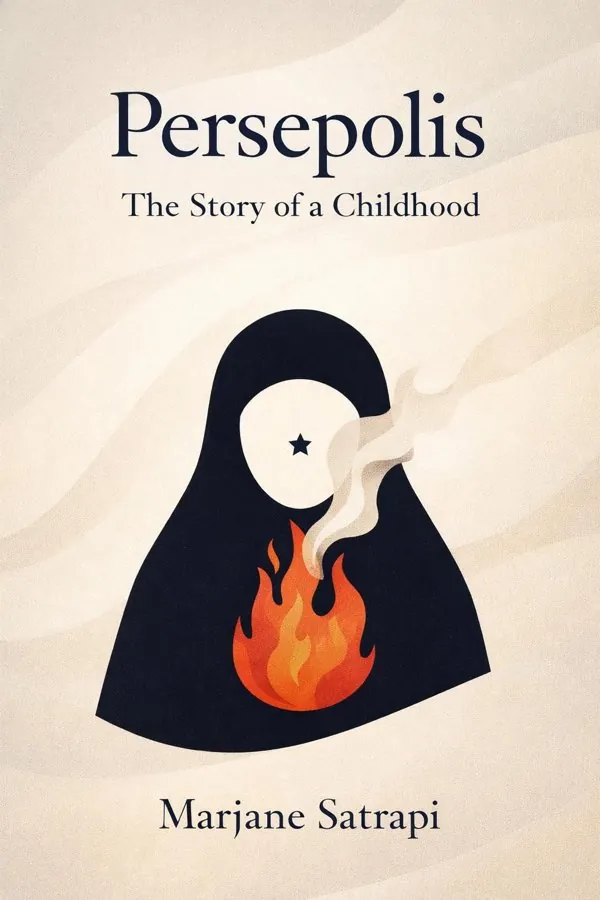
Persepolis
Marjane Satrapi
10 min
Surely You're Joking, Mr. Feynman!
Richard P. Feynman
10 minBrowse by Category
Ready to read I Loved You First?
Get the full summary and 100K+ more books with Fizz Moment.