
How to Catch a Loveosaurus: Summary & Key Insights
 10 min8 chaptersAudio available
Key Takeaways from How to Catch a Loveosaurus
One of the smartest things children’s books can do is teach big emotions through small, joyful experiences.
Some of the best children’s stories teach an important lesson without making it feel like a lecture.
Children often remember feelings best when those feelings are attached to vivid images.
Holiday stories are rarely just about the holiday.
Children notice effort long before they understand symbolism.
What Is How to Catch a Loveosaurus About?
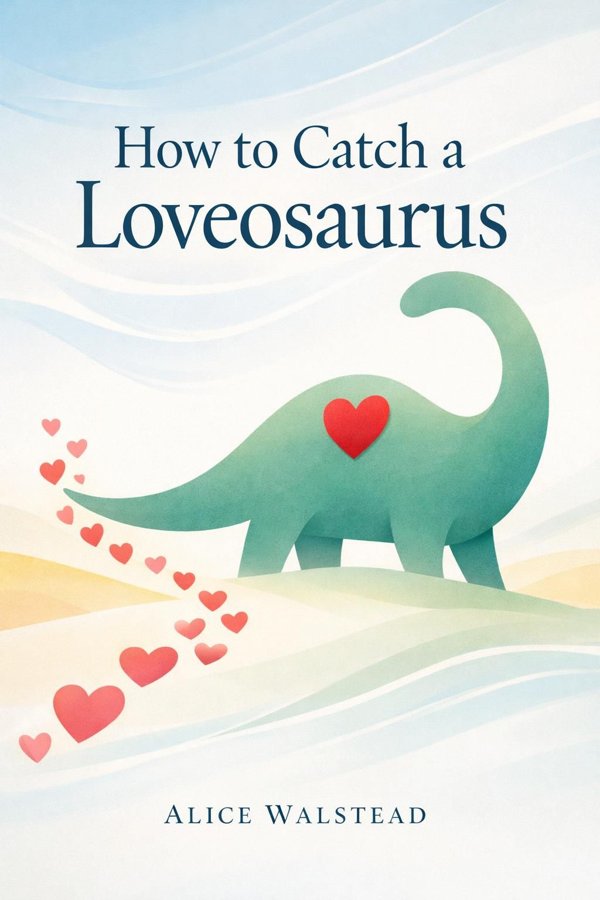
How to Catch a Loveosaurus by Alice Walstead is a bestsellers book. How do you show someone you care in a way that feels playful, memorable, and sincere? How to Catch a Loveosaurus by Alice Walstead answers that question through a bright, funny, and imaginative picture-book adventure that blends the excitement of a chase story with the warmth of a Valentine’s Day celebration. Part of the bestselling How to Catch series, the book follows children as they try to trap the elusive Loveosaurus, a charming dinosaur linked with friendship, affection, surprises, and heartfelt gestures. Along the way, readers encounter colorful schemes, clever traps, and a gentle reminder that love cannot really be captured by force, only shared through kindness and joy. The book matters because it turns a simple holiday theme into something deeper: a lesson about expressing love, building connection, and enjoying the effort of making others feel special. Walstead has become a trusted voice in children’s publishing through her contributions to the wildly popular series, known for combining rhyme, humor, and interactive fun in ways that appeal to both kids and adults. This installment stands out as a sweet, energetic read-aloud that celebrates creativity, caring, and the magic of trying.
This FizzRead summary covers all 8 key chapters of How to Catch a Loveosaurus in approximately 10 minutes, distilling the most important ideas, arguments, and takeaways from Alice Walstead's work. Also available as an audio summary and Key Quotes Podcast.
How to Catch a Loveosaurus
How do you show someone you care in a way that feels playful, memorable, and sincere? How to Catch a Loveosaurus by Alice Walstead answers that question through a bright, funny, and imaginative picture-book adventure that blends the excitement of a chase story with the warmth of a Valentine’s Day celebration. Part of the bestselling How to Catch series, the book follows children as they try to trap the elusive Loveosaurus, a charming dinosaur linked with friendship, affection, surprises, and heartfelt gestures. Along the way, readers encounter colorful schemes, clever traps, and a gentle reminder that love cannot really be captured by force, only shared through kindness and joy.
The book matters because it turns a simple holiday theme into something deeper: a lesson about expressing love, building connection, and enjoying the effort of making others feel special. Walstead has become a trusted voice in children’s publishing through her contributions to the wildly popular series, known for combining rhyme, humor, and interactive fun in ways that appeal to both kids and adults. This installment stands out as a sweet, energetic read-aloud that celebrates creativity, caring, and the magic of trying.
Who Should Read How to Catch a Loveosaurus?
This book is perfect for anyone interested in bestsellers and looking to gain actionable insights in a short read. Whether you're a student, professional, or lifelong learner, the key ideas from How to Catch a Loveosaurus by Alice Walstead will help you think differently.
- ✓Readers who enjoy bestsellers and want practical takeaways
- ✓Professionals looking to apply new ideas to their work and life
- ✓Anyone who wants the core insights of How to Catch a Loveosaurus in just 10 minutes
Want the full summary?
Get instant access to this book summary and 100K+ more with Fizz Moment.
Get Free SummaryAvailable on App Store • Free to download
Key Chapters
One of the smartest things children’s books can do is teach big emotions through small, joyful experiences. How to Catch a Loveosaurus uses play as the main gateway into understanding affection. Rather than presenting love as an abstract concept, the story gives readers a concrete, exciting mission: catch the mysterious Loveosaurus. That playful premise invites children into a world where planning, imagining, and trying are all part of showing that someone matters.
This matters because young readers often understand feelings through action before they understand them through explanation. A child may not define love in words, but they understand making a card, setting up a surprise, or laughing with someone they trust. In the book, the trap-building and adventurous tone keep the story energetic, yet the emotional core quietly suggests that caring for others can be creative and fun rather than formal or complicated.
Parents, teachers, and caregivers can apply this idea easily. Instead of asking children only to talk about love, adults can encourage them to express it through playful acts: decorating a Valentine’s box, planning a family surprise, baking simple treats, or inventing a homemade game for a sibling or friend. These activities help children connect affection with participation, attention, and delight.
The book’s brilliance lies in showing that the attempt itself matters. Whether or not the Loveosaurus is truly “caught,” the process creates excitement, togetherness, and emotional meaning. That reflects a real-life truth: relationships grow through shared effort and joyful rituals.
Actionable takeaway: Turn love into an activity by inviting children to create one playful gesture of care this week, such as a handmade note, a surprise game, or a small act of kindness for someone they appreciate.
Some of the best children’s stories teach an important lesson without making it feel like a lecture. In How to Catch a Loveosaurus, the central joke is that the children keep trying to catch a magical, affectionate dinosaur. Yet beneath the humor is a deeper truth: love is not something you control, possess, or trap. It is something you invite, share, and experience.
This is a powerful message for young readers because it reframes how they think about relationships. Children naturally want certainty. They may want a best friend to always play with them, a sibling to always be nice, or a parent’s attention exactly when they want it. But affection does not work like a prize to be won and held. The Loveosaurus symbolizes a gentler understanding: connection appears through warmth, sincerity, and generosity.
In practical terms, adults can use the story to discuss healthy social behavior. For example, if a child wants to make a friend, the answer is not to demand closeness but to offer it through inclusive play, kind words, and patience. If they want someone to feel special on Valentine’s Day, the point is not grand perfection but a thoughtful act that says, “I thought of you.”
The trap motif becomes especially useful here. Every elaborate plan in the story is entertaining, but the real emotional success lies not in controlling the Loveosaurus but in discovering the spirit it represents. Children learn that the effort to create happiness may matter more than the outcome they originally imagined.
Actionable takeaway: Use the story as a conversation starter about friendship and care by asking children, “What are ways we can invite kindness instead of trying to force it?” Then help them choose one respectful, generous action to practice.
Children often remember feelings best when those feelings are attached to vivid images. A dinosaur of love is exactly the kind of imaginative hook that makes an emotional lesson stick. How to Catch a Loveosaurus transforms Valentine-themed ideas into an adventure filled with whimsy, making affection feel exciting rather than overly sentimental.
This imaginative framing matters because emotional education can easily become too abstract for very young readers. Telling a child to “be loving” or “show appreciation” may not mean much on its own. But imagining a sparkly, elusive dinosaur that leaves behind signs of sweetness and cheer creates a mental picture they can engage with. Fantasy becomes a bridge to emotional understanding.
The book also encourages inventive thinking. As children follow attempts to catch the Loveosaurus, they encounter problem-solving, anticipation, and experimentation. Those elements support cognitive development while keeping the story emotionally rich. A classroom teacher might pair the book with an art activity where students design their own “kindness creature” and describe what it would do. A parent might ask, “If a Loveosaurus visited our house, what clues would it leave behind?” Such questions help children connect imagination with empathy.
The story’s playful fantasy also lowers emotional pressure. Some children are shy about openly discussing love or affection. A fictional creature gives them enough distance to explore those ideas safely. They can talk about what the Loveosaurus represents before talking directly about their own feelings.
That is one reason the book works so well as a read-aloud: it invites laughter, speculation, and participation while quietly shaping emotional vocabulary and awareness.
Actionable takeaway: After reading, ask children to invent a magical creature that represents a positive feeling, then describe three ways people could recognize its presence through kind actions.
Holiday stories are rarely just about the holiday. At their best, they show how rituals bring people closer. How to Catch a Loveosaurus uses a festive Valentine’s setting to emphasize togetherness, anticipation, and shared joy. The traps, decorations, and hopeful excitement create the sense that celebration is not only about receiving something special, but about joining in a communal moment.
This is especially meaningful for children because rituals help them understand belonging. A child who helps decorate, prepare surprises, or participate in themed activities learns that celebrations are built through contribution. The book gently models this idea by focusing on action and participation rather than passive observation.
In homes, this can translate into simple traditions: making cards together, setting out small surprises, creating a Valentine breakfast, or having family members share one thing they appreciate about each other. In classrooms, teachers can use the story to support collaborative activities such as kindness chains, compliment stations, or group art projects. The goal is not extravagance but inclusion. Even very small traditions can create emotional memory.
The story also reminds adults that children thrive on ritualized excitement. Preparing for a special occasion can be just as meaningful as the occasion itself. Waiting for the Loveosaurus, imagining what it might do, and trying to welcome it all reinforce the emotional value of shared expectation.
What makes this message lasting is that it extends beyond Valentine’s Day. Any seasonal event or family milestone can become an opportunity to reinforce love, gratitude, and connection through repeated practices.
Actionable takeaway: Create one simple recurring ritual inspired by the book, such as writing appreciation notes at breakfast or hiding cheerful surprise messages for children to find during a celebration.
Children notice effort long before they understand symbolism. A handmade card, a decorated trap, or a carefully planned surprise communicates something powerful: you were worth my time. How to Catch a Loveosaurus makes effort visible through the characters’ energetic attempts to attract or capture the creature, and in doing so, it highlights one of the most practical truths about love—care is often shown through preparation and attention.
This lesson is valuable because children sometimes equate affection with gifts alone. The book quietly widens that understanding. What matters is not just what someone receives, but the intention and energy behind the gesture. The trap-building in the story may be funny and exaggerated, but it reflects a recognizable emotional pattern: people work hard when they care.
Adults can reinforce this by praising process rather than price. If a child scribbles a Valentine, folds paper unevenly, or invents a clumsy surprise, the important thing is the effort to make someone happy. Likewise, adults can model effort in everyday ways—packing a favorite snack, remembering a child’s small preference, or leaving a note in a lunchbox. These are the real-world equivalents of preparing for the Loveosaurus.
This perspective also nurtures gratitude. When children learn to look for effort, they become better at recognizing love in forms that are easy to overlook. They may begin to see that a caregiver cooking dinner, a teacher preparing an activity, or a sibling saving them a seat are all meaningful gestures.
The book’s playful plot makes this emotional idea easy to absorb: trying counts, and thoughtful trying counts a lot.
Actionable takeaway: Invite children to make one effort-based gift this week—something homemade, planned, or personalized—and encourage them to notice one effort-based act of love that someone else shows them.
The experience of a children’s book is not only in its message but in its sound. As part of the How to Catch series, How to Catch a Loveosaurus benefits from lively rhyming patterns, energetic pacing, and a call-and-response quality that makes it especially effective as a read-aloud. That rhythm does more than entertain; it creates connection between reader and listener.
For young children, shared reading is one of the most reliable forms of emotional bonding. When an adult reads with expression, pauses for prediction, and invites participation, the child experiences attention, warmth, and engagement all at once. In that sense, the book doesn’t just talk about love—it can become an act of love in practice.
The chase structure further supports interaction. Children naturally want to guess what will happen next, point out clues, and react to each new plan. This turns reading into a collaborative event rather than a passive one. Teachers can use the book to encourage classroom participation by asking students to predict the next trap or identify details in the illustrations. Parents can make the story more immersive by reading dramatically, using silly dinosaur voices, or asking children where they think the Loveosaurus might be hiding.
There is also a literacy benefit. Repetition, rhyme, and patterned storytelling help children develop phonemic awareness, listening skills, and story comprehension. The book’s fun premise keeps those educational gains wrapped in delight.
When a story feels joyful to hear aloud, it tends to become a repeated favorite, and repetition deepens both memory and meaning.
Actionable takeaway: Make the book interactive during read-aloud time by pausing at key moments to ask children what they predict, what they notice, and how they would design their own Loveosaurus trap.
Humor is one of the safest doors into emotion. How to Catch a Loveosaurus understands that children are far more likely to embrace a story about affection when it arrives wrapped in silliness, suspense, and surprise. The idea of catching a Valentine-themed dinosaur is funny on its face, and that humor lowers resistance to a topic that might otherwise feel too sentimental or unclear for young readers.
This approach matters because emotional learning works best when children feel relaxed. A child may shy away from direct discussions of love, especially in group settings, but they will eagerly discuss a mischievous creature, a goofy trap, or a comic near-miss. Once they are engaged, adults can guide the conversation toward deeper ideas like caring, inclusion, and appreciation.
Humor also helps normalize imperfection. In stories like this, plans often go awry, surprises happen, and the expected outcome slips away. That can reassure children that not every attempt to show affection has to be flawless. A crooked card, a misspelled note, or a failed surprise can still communicate genuine feeling. Laughter makes emotional risk feel manageable.
In practical settings, adults can borrow this tone. A teacher planning a Valentine activity does not need to make it overly serious; playful prompts, funny crafts, and imaginative challenges often produce more authentic engagement. Families can do the same with lighthearted traditions such as silly love notes, joke-filled cards, or a “kindness hunt” around the house.
By using humor as a delivery system, the book makes warmth feel inviting instead of heavy.
Actionable takeaway: Pair affection with laughter by encouraging children to create one funny but kind message, drawing, or surprise for someone they care about, showing that warmth and play can go together.
Not every expression of love needs to be dramatic to be lasting. One of the quiet strengths of How to Catch a Loveosaurus is its celebration of little gestures—preparing, noticing, sharing, and trying. Even though the story operates on a big, colorful premise, its emotional world is built from small actions that children can recognize and imitate.
This is an important lesson because many children encounter holidays through consumer culture, where excitement is often tied to candy, gifts, and spectacle. The book gently redirects attention toward simpler acts of thoughtfulness. The real delight comes from the clues of care, the signs of effort, and the feeling that someone wanted to make the day special.
For adults, this idea offers a useful corrective. Meaningful connection does not require elaborate planning. A quick note tucked into a backpack, a shared cookie after school, or a compliment spoken at the right moment can have a lasting effect. In classrooms, children can practice this through activities like secret kindness missions, thank-you drawings, or partner appreciation cards.
Teaching children to value small gestures also builds emotional confidence. Grand displays can feel intimidating, but simple kindness is accessible. A child who learns that holding a door, sharing supplies, or inviting someone to play are meaningful forms of affection becomes more capable of creating positive relationships every day.
The book’s Valentine theme makes the lesson timely, but its application is universal. Love often reveals itself not in major moments, but in repeated, ordinary care.
Actionable takeaway: Help children identify three small ways to show affection today—such as sharing, complimenting, or helping—and praise those acts as real expressions of love, not just “little things.”
All Chapters in How to Catch a Loveosaurus
About the Author
Alice Walstead is a children’s book author known for her work on the bestselling How to Catch series, a popular collection of picture books that combines rhyme, humor, imaginative creatures, and playful problem-solving. Her stories are especially loved by young readers, parents, teachers, and librarians for their energetic read-aloud quality and their ability to turn seasonal or fantastical topics into engaging adventures. Walstead’s writing often centers on curiosity, creativity, and the fun of trying to catch the impossible, while also weaving in gentle lessons about kindness, celebration, and connection. Through books like How to Catch a Loveosaurus, she has helped create memorable reading experiences that entertain children while encouraging participation, laughter, and emotional learning.
Get This Summary in Your Preferred Format
Read or listen to the How to Catch a Loveosaurus summary by Alice Walstead anytime, anywhere. FizzRead offers multiple formats so you can learn on your terms — all free.
Available formats: App · Audio · PDF · EPUB — All included free with FizzRead
Download How to Catch a Loveosaurus PDF and EPUB Summary
Key Quotes from How to Catch a Loveosaurus
“One of the smartest things children’s books can do is teach big emotions through small, joyful experiences.”
“Some of the best children’s stories teach an important lesson without making it feel like a lecture.”
“Children often remember feelings best when those feelings are attached to vivid images.”
“Holiday stories are rarely just about the holiday.”
“Children notice effort long before they understand symbolism.”
Frequently Asked Questions about How to Catch a Loveosaurus
How to Catch a Loveosaurus by Alice Walstead is a bestsellers book that explores key ideas across 8 chapters. How do you show someone you care in a way that feels playful, memorable, and sincere? How to Catch a Loveosaurus by Alice Walstead answers that question through a bright, funny, and imaginative picture-book adventure that blends the excitement of a chase story with the warmth of a Valentine’s Day celebration. Part of the bestselling How to Catch series, the book follows children as they try to trap the elusive Loveosaurus, a charming dinosaur linked with friendship, affection, surprises, and heartfelt gestures. Along the way, readers encounter colorful schemes, clever traps, and a gentle reminder that love cannot really be captured by force, only shared through kindness and joy. The book matters because it turns a simple holiday theme into something deeper: a lesson about expressing love, building connection, and enjoying the effort of making others feel special. Walstead has become a trusted voice in children’s publishing through her contributions to the wildly popular series, known for combining rhyme, humor, and interactive fun in ways that appeal to both kids and adults. This installment stands out as a sweet, energetic read-aloud that celebrates creativity, caring, and the magic of trying.
More by Alice Walstead
You Might Also Like

The Godfather
Mario Puzo
10 min
The Handmaid's Tale
Margaret Atwood
10 min
The Hunger Games
Suzanne Collins
10 min
The Nightingale
Kristin Hannah
10 min
The Seven Husbands of Evelyn Hugo
Taylor Jenkins Reid
10 min
Backwater Justice
Fern Michaels
10 minBrowse by Category
Ready to read How to Catch a Loveosaurus?
Get the full summary and 100K+ more books with Fizz Moment.