
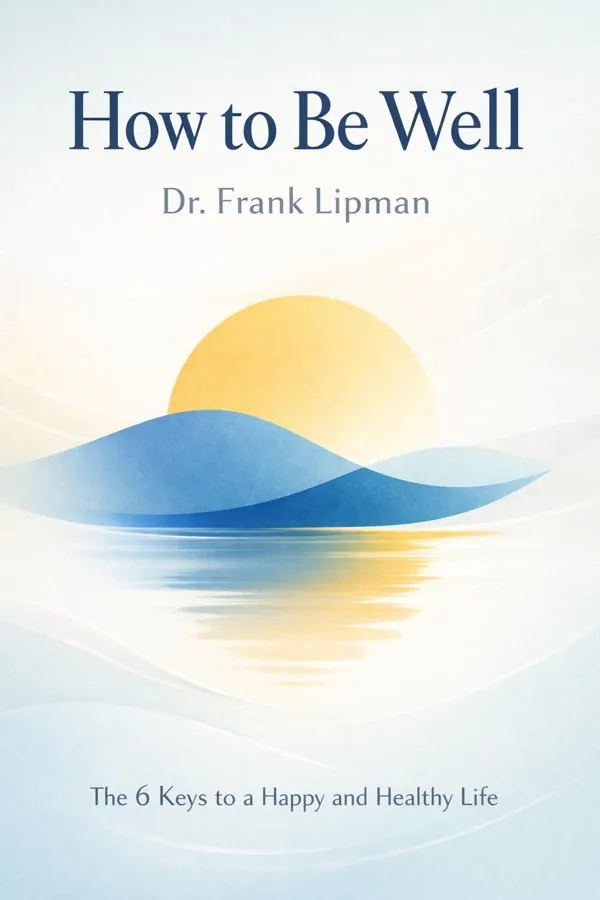
How to Be Well: The 6 Keys to a Happy and Healthy Life: Summary & Key Insights
 10 min8 chaptersAudio available
Key Takeaways from How to Be Well: The 6 Keys to a Happy and Healthy Life
Every bite you take is sending instructions to your body.
You cannot heal in a state of constant wakefulness.
The body was designed for motion, not for long hours of sitting interrupted by occasional bursts of exercise.
Health is shaped not only by what you do intentionally but also by what you are exposed to repeatedly.
Stress is not only an emotion; it is a full-body biological state.
What Is How to Be Well: The 6 Keys to a Happy and Healthy Life About?
How to Be Well: The 6 Keys to a Happy and Healthy Life by Dr. Frank Lipman is a health_med book spanning 7 pages. In How to Be Well, Dr. Frank Lipman argues that real health is not built through quick fixes, single supplements, or emergency medicine alone. It comes from the small, repeated choices that shape how we eat, sleep, move, handle stress, relate to our environment, and connect with other people. Organized around six essential pillars—Eat, Sleep, Move, Protect, Unwind, and Connect—the book offers a practical roadmap for building resilience, energy, and emotional balance in a world that constantly pushes us toward exhaustion and disconnection. What makes the book especially compelling is Lipman’s perspective as a physician trained in both conventional and integrative medicine. Rather than choosing between science and holistic wisdom, he combines the strengths of both. He explains how inflammation, poor sleep, stress, loneliness, and toxic overload quietly undermine wellbeing, then translates those insights into realistic daily habits readers can actually adopt. The result is a wellness guide that feels both grounded and humane: less about perfection, more about restoring the body’s natural capacity to heal. For anyone feeling depleted, overstimulated, or stuck in unhealthy routines, this book offers a clear and encouraging path forward.
This FizzRead summary covers all 8 key chapters of How to Be Well: The 6 Keys to a Happy and Healthy Life in approximately 10 minutes, distilling the most important ideas, arguments, and takeaways from Dr. Frank Lipman's work. Also available as an audio summary and Key Quotes Podcast.
How to Be Well: The 6 Keys to a Happy and Healthy Life
In How to Be Well, Dr. Frank Lipman argues that real health is not built through quick fixes, single supplements, or emergency medicine alone. It comes from the small, repeated choices that shape how we eat, sleep, move, handle stress, relate to our environment, and connect with other people. Organized around six essential pillars—Eat, Sleep, Move, Protect, Unwind, and Connect—the book offers a practical roadmap for building resilience, energy, and emotional balance in a world that constantly pushes us toward exhaustion and disconnection.
What makes the book especially compelling is Lipman’s perspective as a physician trained in both conventional and integrative medicine. Rather than choosing between science and holistic wisdom, he combines the strengths of both. He explains how inflammation, poor sleep, stress, loneliness, and toxic overload quietly undermine wellbeing, then translates those insights into realistic daily habits readers can actually adopt. The result is a wellness guide that feels both grounded and humane: less about perfection, more about restoring the body’s natural capacity to heal. For anyone feeling depleted, overstimulated, or stuck in unhealthy routines, this book offers a clear and encouraging path forward.
Who Should Read How to Be Well: The 6 Keys to a Happy and Healthy Life?
This book is perfect for anyone interested in health_med and looking to gain actionable insights in a short read. Whether you're a student, professional, or lifelong learner, the key ideas from How to Be Well: The 6 Keys to a Happy and Healthy Life by Dr. Frank Lipman will help you think differently.
- ✓Readers who enjoy health_med and want practical takeaways
- ✓Professionals looking to apply new ideas to their work and life
- ✓Anyone who wants the core insights of How to Be Well: The 6 Keys to a Happy and Healthy Life in just 10 minutes
Want the full summary?
Get instant access to this book summary and 100K+ more with Fizz Moment.
Get Free SummaryAvailable on App Store • Free to download
Key Chapters
Every bite you take is sending instructions to your body. That is the starting insight behind Lipman’s first key: food is not merely calories but biological information. What you eat influences inflammation, blood sugar, hormones, the gut microbiome, immune function, mood, and even how your genes are expressed. Many people think of diet in terms of weight control, but Lipman asks a more useful question: does this food help your body thrive or push it toward dysfunction?
He encourages readers to move away from ultra-processed foods, excess sugar, refined grains, and industrial oils that overstimulate appetite and contribute to chronic disease. In their place, he recommends a whole-food approach centered on vegetables, healthy fats, clean protein, herbs, fermented foods, and fiber-rich ingredients that support gut health. He is less interested in rigid dietary labels than in helping people choose foods that reduce inflammation and stabilize energy. For some, that may also involve identifying personal triggers such as gluten or dairy.
The practical application is simple but powerful: build meals around real food. A breakfast of eggs, avocado, and greens will support the body very differently than a muffin and sweet coffee. A dinner of salmon, roasted vegetables, and olive oil gives the body nutrients it can use to repair and regulate itself. Lipman also highlights mindful eating—slowing down, chewing properly, and paying attention to how foods make you feel.
Actionable takeaway: for one week, eliminate the most processed foods in your diet and replace them with whole-food meals built from vegetables, protein, and healthy fats.
You cannot heal in a state of constant wakefulness. Lipman treats sleep not as a luxury but as one of the body’s most important repair mechanisms. During sleep, the brain clears waste, hormones reset, memories consolidate, tissues recover, and the immune system recalibrates. When sleep is shortened or disrupted, nearly every system suffers: appetite becomes harder to control, stress reactivity rises, insulin sensitivity drops, focus weakens, and mood becomes more volatile.
A major problem, he notes, is that modern life is built to interfere with sleep. Artificial light, late-night screen use, caffeine dependence, irregular schedules, overwork, alcohol, and constant stimulation train the body to remain alert when it should be winding down. Many people normalize poor sleep because it is common, but common does not mean healthy.
Lipman advises creating a sleep-supportive rhythm. That means going to bed and waking up at roughly the same time, limiting blue light exposure at night, cooling and darkening the bedroom, and reducing stimulants later in the day. He also emphasizes the importance of a wind-down ritual: reading, stretching, bathing, journaling, or breathing exercises can help shift the nervous system from alert mode into recovery mode. Good sleep begins long before your head touches the pillow.
Imagine two versions of the same person: one scrolling in bed after a stressful day, the other turning off devices an hour early and dimming the lights. Over time, those routines produce very different levels of health and resilience.
Actionable takeaway: create a 30-minute nightly shutdown routine and keep it consistent for the next seven days.
The body was designed for motion, not for long hours of sitting interrupted by occasional bursts of exercise. Lipman’s third key reframes movement as a continuous part of daily life rather than a task confined to the gym. While structured workouts can be valuable, they cannot fully compensate for a sedentary routine. When movement disappears from everyday life, metabolism slows, joints stiffen, posture collapses, circulation worsens, and energy often declines.
Lipman encourages readers to think broadly about movement quality, frequency, and variety. Walking, mobility work, strength training, stretching, balance practice, and playful physical activity all contribute to health. The goal is not simply to burn calories but to maintain functional capacity: a body that is strong, flexible, coordinated, and capable of aging well. This matters because loss of muscle, poor balance, and stiffness are not just inconveniences; they shape long-term independence and vitality.
His approach is practical. Take walking meetings. Use stairs. Stand up every hour. Lift weights a few times a week to preserve muscle and bone density. Try yoga or mobility drills to maintain joint health. If you are already exercising hard, make sure you are also recovering well and not treating your body like a machine that can be pushed endlessly.
A useful example is the office worker who spends ten hours seated, then does one spin class and assumes the day was healthy. Lipman would say that person needs more movement woven into the full day: short walks, standing, stretching, and resistance work across the week.
Actionable takeaway: set a timer to stand and move for at least three to five minutes every hour, and add two weekly strength sessions to your schedule.
Health is shaped not only by what you do intentionally but also by what you are exposed to repeatedly. Lipman’s Protect pillar addresses the often invisible burden of modern living: environmental toxins, endocrine disruptors, polluted air, excessive medication, harmful personal care products, and other low-level stressors that accumulate over time. While no one can eliminate every exposure, becoming more aware of what enters your body and home can significantly reduce the total load your system must process.
Lipman does not promote fear. Instead, he promotes thoughtful reduction. Many people clean up their diets but still store food in plastic, use harsh household chemicals, apply fragranced products to their skin, and sleep in rooms filled with off-gassing materials and electronic stimulation. The body must continually detoxify these inputs, and when that burden becomes too heavy, it may contribute to fatigue, hormonal disruption, inflammation, and chronic symptoms.
Practical protections include filtering drinking water, avoiding microwaving food in plastic, choosing cleaner beauty and cleaning products, improving indoor air quality, and being cautious about unnecessary antibiotics or overmedication when other options may be appropriate. He also emphasizes the body’s natural detoxification systems: a healthy liver, good digestion, sweating, sleep, hydration, and nutrient-dense food all support elimination.
This key is especially valuable because it reminds readers that wellness is not only about adding good habits; it is also about removing obstacles to healing. You do not need a perfect home or a completely toxin-free life. You need a more informed and intentional one.
Actionable takeaway: make three protective swaps this week, such as using a water filter, replacing plastic food storage, or choosing a fragrance-free cleaning product.
Stress is not only an emotion; it is a full-body biological state. Lipman’s Unwind key argues that many modern health problems are worsened by a nervous system stuck in chronic overdrive. When the body remains in a fight-or-flight pattern, digestion weakens, sleep suffers, inflammation rises, hormone balance shifts, and mental clarity narrows. People often try to solve these downstream problems separately without addressing the constant state of internal tension driving them.
Lipman does not suggest that stress can be eliminated. Rather, he teaches that recovery must become a deliberate practice. Unwinding means giving the body regular signals of safety. That can happen through meditation, breathwork, mindfulness, restorative yoga, time in nature, music, massage, spiritual practice, prayer, creative hobbies, or simply pausing before reacting. Different techniques work for different personalities, but the goal is the same: move from hypervigilance into regulation.
He is especially persuasive in showing how small rituals can have outsized effects. A few minutes of slow breathing before a meal can improve digestion. A short walk outside after work can interrupt accumulated stress. Five minutes of meditation each morning can help you respond rather than react throughout the day. These are not indulgences; they are maintenance practices for a strained mind-body system.
The deeper message is that many people are trying to be healthy while living in a constant emergency mode. That is not sustainable. Wellness requires moments of stillness and restoration built into ordinary life.
Actionable takeaway: choose one daily unwinding practice—such as ten minutes of breathing, meditation, or nature time—and do it at the same time each day for two weeks.
Loneliness can be as damaging as many physical risk factors, and Lipman treats human connection as a core wellness practice rather than an optional extra. The Connect key emphasizes that we are profoundly social beings. Relationships affect stress hormones, immune function, emotional resilience, motivation, and even longevity. In a hyperconnected digital culture, people can appear socially engaged while feeling deeply isolated. Lipman pushes back against the idea that health is an individual project accomplished through perfect personal habits alone.
Real connection includes family bonds, friendships, romantic partnership, community belonging, shared values, touch, empathy, and meaningful conversation. It also includes connection to purpose and to something larger than the self. People who feel seen, supported, and useful often navigate illness, stress, and change more effectively than those who try to manage life in isolation.
Lipman encourages readers to evaluate the quality, not just the quantity, of their relationships. Who energizes you? Who drains you? Where do you feel authentic? Practical applications include making time for device-free meals, calling a friend instead of sending a quick text, participating in a local group, volunteering, or rebuilding rituals of togetherness that modern busyness has eroded. Even small moments of presence can regulate the nervous system and improve wellbeing.
The key insight is that isolation is not merely sad; it is physiologically stressful. A healthier life is rarely built alone. It grows in supportive environments where people feel emotionally nourished and connected.
Actionable takeaway: schedule one meaningful, undistracted interaction this week—such as a walk, meal, or conversation—with someone who strengthens your sense of belonging.
One of Lipman’s most important contributions is his rejection of the quick-fix mindset. People often search for a miracle supplement, a 30-day detox, or a dramatic intervention that will undo years of depletion. But sustainable wellbeing is less glamorous and more dependable: it comes from systems. The six keys work because they reinforce one another. Eating better improves sleep. Better sleep improves stress tolerance. Lower stress supports digestion. Movement lifts mood. Connection buffers pressure. Protection lowers the load the body must manage.
This integrated perspective is central to the book. Lipman wants readers to stop treating symptoms in isolation and start seeing patterns. A person who is anxious, inflamed, exhausted, and craving sugar may not need six separate solutions. They may need a rhythm of life that supports the whole body. That is why he focuses on habits that compound over time rather than heroic efforts that collapse after a week.
A practical example is morning routine design. Instead of waking to email, skipping breakfast, relying on caffeine, and rushing into the day, someone might begin with light exposure, water, a protein-rich meal, and a few minutes of movement. That one system can influence energy, appetite, focus, and mood for hours. The same logic applies to evenings, meal planning, digital boundaries, and weekly scheduling.
This idea is liberating because it reduces the pressure to do everything perfectly. You do not need mastery overnight. You need repeatable structures that make good choices easier.
Actionable takeaway: choose one part of your day—morning, workday, or evening—and design a simple repeatable wellness routine you can follow most days.
There is no single lifestyle formula that works for everyone. Lipman consistently reminds readers that health is deeply individual. Two people can eat the same meal, follow the same workout plan, or use the same supplement and have very different outcomes. Genetics, age, stress load, medical history, digestion, environment, and personality all influence what helps or harms. This is one reason he blends functional medicine thinking with practical self-observation.
Rather than blindly adopting health trends, Lipman encourages readers to become students of their own bodies. How do you feel after certain foods? What kind of movement leaves you energized instead of depleted? Do you need solitude to recover, or community? Are your symptoms random, or do they follow clear triggers such as poor sleep, alcohol, overtraining, or conflict? Paying attention turns wellness from a set of borrowed rules into a responsive relationship with your own biology.
This does not mean reinventing everything. The six keys provide a broad framework that applies widely, but the details should be tailored. One person may thrive on more intense exercise; another may need gentler movement while healing from burnout. One person may digest dairy well; another may feel better without it. One person may unwind through meditation; another through gardening or prayer.
The practical value here is huge because it protects readers from all-or-nothing thinking and health shame. If a trend does not suit you, that does not mean you failed. It means you need a better fit.
Actionable takeaway: keep a simple two-week wellness journal tracking sleep, food, mood, energy, and stress so you can identify what genuinely supports your health.
All Chapters in How to Be Well: The 6 Keys to a Happy and Healthy Life
About the Author
Dr. Frank Lipman is a South African-born physician and a leading voice in integrative and functional medicine. After training in conventional Western medicine, he expanded his approach to include nutrition, lifestyle medicine, stress regulation, and other holistic practices that support long-term health. He is the founder of the Eleven Eleven Wellness Center in New York City, where he has worked with patients seeking more comprehensive answers to fatigue, chronic stress, and lifestyle-related illness. Lipman is also a bestselling author known for translating complex health concepts into practical daily habits. His work consistently emphasizes resilience, prevention, and the body’s innate ability to heal when given the right conditions. Through his writing, speaking, and clinical practice, he has helped popularize a more personalized, whole-person approach to wellbeing.
Get This Summary in Your Preferred Format
Read or listen to the How to Be Well: The 6 Keys to a Happy and Healthy Life summary by Dr. Frank Lipman anytime, anywhere. FizzRead offers multiple formats so you can learn on your terms — all free.
Available formats: App · Audio · PDF · EPUB — All included free with FizzRead
Download How to Be Well: The 6 Keys to a Happy and Healthy Life PDF and EPUB Summary
Key Quotes from How to Be Well: The 6 Keys to a Happy and Healthy Life
“Every bite you take is sending instructions to your body.”
“You cannot heal in a state of constant wakefulness.”
“The body was designed for motion, not for long hours of sitting interrupted by occasional bursts of exercise.”
“Health is shaped not only by what you do intentionally but also by what you are exposed to repeatedly.”
“Stress is not only an emotion; it is a full-body biological state.”
Frequently Asked Questions about How to Be Well: The 6 Keys to a Happy and Healthy Life
How to Be Well: The 6 Keys to a Happy and Healthy Life by Dr. Frank Lipman is a health_med book that explores key ideas across 8 chapters. In How to Be Well, Dr. Frank Lipman argues that real health is not built through quick fixes, single supplements, or emergency medicine alone. It comes from the small, repeated choices that shape how we eat, sleep, move, handle stress, relate to our environment, and connect with other people. Organized around six essential pillars—Eat, Sleep, Move, Protect, Unwind, and Connect—the book offers a practical roadmap for building resilience, energy, and emotional balance in a world that constantly pushes us toward exhaustion and disconnection. What makes the book especially compelling is Lipman’s perspective as a physician trained in both conventional and integrative medicine. Rather than choosing between science and holistic wisdom, he combines the strengths of both. He explains how inflammation, poor sleep, stress, loneliness, and toxic overload quietly undermine wellbeing, then translates those insights into realistic daily habits readers can actually adopt. The result is a wellness guide that feels both grounded and humane: less about perfection, more about restoring the body’s natural capacity to heal. For anyone feeling depleted, overstimulated, or stuck in unhealthy routines, this book offers a clear and encouraging path forward.
You Might Also Like

On Immunity
Eula Biss
10 min
The Three-Body Problem
Liu Cixin
10 min
Community Health Volunteer Toolkit: Training and Practical Activities
World Health Organization
10 min
Healing Back Pain: The Mind-Body Connection
John E. Sarno
10 min
Health Literacy for All: Practical Guides to Communicate Health Information (Compilations)
World Health Organization
10 min
The Complete Guide to Sports Supplements: An Evidence-Based Review
Anita Bean
10 minBrowse by Category
Ready to read How to Be Well: The 6 Keys to a Happy and Healthy Life?
Get the full summary and 100K+ more books with Fizz Moment.