
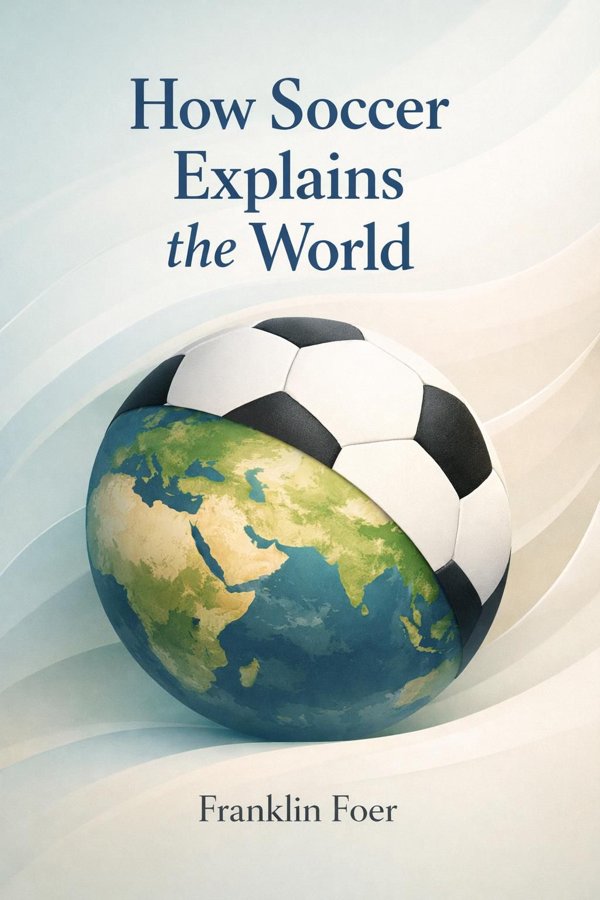
How Soccer Explains the World: An Unlikely Theory of Globalization: Summary & Key Insights
 10 min9 chaptersAudio available
What Is How Soccer Explains the World: An Unlikely Theory of Globalization About?
How Soccer Explains the World: An Unlikely Theory of Globalization by Franklin Foer is a world_history book spanning 9 pages. This book explores how soccer serves as a lens through which to understand globalization, politics, economics, and cultural identity. Franklin Foer travels across continents to reveal how the world's most popular sport reflects and shapes social and political realities, from post-war Serbia to the streets of Brazil and the stadiums of Europe.
This FizzRead summary covers all 9 key chapters of How Soccer Explains the World: An Unlikely Theory of Globalization in approximately 10 minutes, distilling the most important ideas, arguments, and takeaways from Franklin Foer's work. Also available as an audio summary and Key Quotes Podcast.
How Soccer Explains the World: An Unlikely Theory of Globalization
This book explores how soccer serves as a lens through which to understand globalization, politics, economics, and cultural identity. Franklin Foer travels across continents to reveal how the world's most popular sport reflects and shapes social and political realities, from post-war Serbia to the streets of Brazil and the stadiums of Europe.
Who Should Read How Soccer Explains the World: An Unlikely Theory of Globalization?
This book is perfect for anyone interested in world_history and looking to gain actionable insights in a short read. Whether you're a student, professional, or lifelong learner, the key ideas from How Soccer Explains the World: An Unlikely Theory of Globalization by Franklin Foer will help you think differently.
- ✓Readers who enjoy world_history and want practical takeaways
- ✓Professionals looking to apply new ideas to their work and life
- ✓Anyone who wants the core insights of How Soccer Explains the World: An Unlikely Theory of Globalization in just 10 minutes
Want the full summary?
Get instant access to this book summary and 100K+ more with Fizz Moment.
Get Free SummaryAvailable on App Store • Free to download
Key Chapters
When I arrived in Belgrade, the remains of war still lingered—not just in the buildings, but in the people’s eyes. Here, the connection between soccer and nationalism was raw and frighteningly direct. Red Star Belgrade, one of the country’s premier clubs, became a rallying point for Serbian identity during the splintering of Yugoslavia.
The story begins with the Red Star fan group known as the 'Delije.' Their leader, Željko Ražnatović—better known as Arkan—would later become a paramilitary commander responsible for atrocities during the Yugoslav Wars. On match days, Arkan’s militia blended seamlessly with the supporters, their chants and banners echoing the rhetoric of ethnic purity. What I came to see was that soccer offered fertile ground for nationalist mobilization: it created community, pride, and an emotional outlet for grievances that politics alone could not satisfy.
Through Red Star, we see how globalization’s promise of unity met its darker twin—fragmentation through identity. The fall of communism was supposed to deliver new openness, but in Serbia, it unleashed forces that used the symbols of sport to justify violence. The global spread of the sport did not smooth over differences; instead, it helped crystallize them, showing how local passions can become weapons when manipulated by ambitious men.
In Glasgow, soccer’s glow is colored in green and blue, the hues of two rival sects locked in an emotional and historical standoff. Celtic and Rangers are not merely clubs—they are embodiments of religious and political identity. Celtic stands for the Catholic, often Irish-descended community; Rangers for the Protestant, unionist establishment.
A match between them, the famous Old Firm derby, is not only about sport. It’s about pride, history, and deep wounds carried through generations. As I spoke to fans on both sides, I found that this rivalry encapsulates the essence of how globalization operates unevenly. In the pubs and on the terraces, there was the same longing for authenticity that globalization threatens to erode. Supporting one’s club became a way of asserting, 'We are still us.'
Yet the modern forces transforming soccer—television deals, international owners, global branding—were seeping into even this insular world. While the chants still recalled sectarian struggle, the clubs increasingly behaved like global businesses. Celtic sought sponsors in Asia; Rangers marketed themselves to North American audiences. The tension between a global sport and a deeply local feud illustrated how globalization behaves: it commodifies tradition even as it relies upon it.
+ 7 more chapters — available in the FizzRead app
All Chapters in How Soccer Explains the World: An Unlikely Theory of Globalization
About the Author
Franklin Foer is an American journalist and author known for his work on culture, politics, and globalization. He served as editor of The New Republic and has written extensively for major publications such as The Atlantic and Slate.
Get This Summary in Your Preferred Format
Read or listen to the How Soccer Explains the World: An Unlikely Theory of Globalization summary by Franklin Foer anytime, anywhere. FizzRead offers multiple formats so you can learn on your terms — all free.
Available formats: App · Audio · PDF · EPUB — All included free with FizzRead
Download How Soccer Explains the World: An Unlikely Theory of Globalization PDF and EPUB Summary
Key Quotes from How Soccer Explains the World: An Unlikely Theory of Globalization
“When I arrived in Belgrade, the remains of war still lingered—not just in the buildings, but in the people’s eyes.”
“In Glasgow, soccer’s glow is colored in green and blue, the hues of two rival sects locked in an emotional and historical standoff.”
Frequently Asked Questions about How Soccer Explains the World: An Unlikely Theory of Globalization
How Soccer Explains the World: An Unlikely Theory of Globalization by Franklin Foer is a world_history book that explores key ideas across 9 chapters. This book explores how soccer serves as a lens through which to understand globalization, politics, economics, and cultural identity. Franklin Foer travels across continents to reveal how the world's most popular sport reflects and shapes social and political realities, from post-war Serbia to the streets of Brazil and the stadiums of Europe.
More by Franklin Foer

You Might Also Like
The Age of Capital
Eric Hobsbawm
10 min
The Gulag Archipelago
Aleksandr Solzhenitsyn
10 min
Jerusalem: The Biography
Simon Sebag Montefiore
10 min
The Anglo-Saxons
James Campbell
10 min
The Boer War
Thomas Pakenham
10 min
The Industrial Revolutionaries: The Making of the Modern World 1776–1914
Gavin Weightman
10 minBrowse by Category
Ready to read How Soccer Explains the World: An Unlikely Theory of Globalization?
Get the full summary and 100K+ more books with Fizz Moment.