
Groundwork of the Metaphysics of Morals: Summary & Key Insights
 10 min3 chaptersAudio available
What Is Groundwork of the Metaphysics of Morals About?
Groundwork of the Metaphysics of Morals by Immanuel Kant is a western_phil book spanning 3 pages. Immanuel Kant's Groundwork of the Metaphysics of Morals, first published in 1785, is one of the foundational works in moral philosophy. In this text, Kant seeks to establish the supreme principle of morality, known as the categorical imperative, which asserts that moral actions must be guided by universal laws derived from reason. This Cambridge University Press edition features the acclaimed translation by Mary Gregor and an introduction by Christine M. Korsgaard, providing context and analysis of Kant’s ethical framework and its enduring influence on modern philosophy.
This FizzRead summary covers all 3 key chapters of Groundwork of the Metaphysics of Morals in approximately 10 minutes, distilling the most important ideas, arguments, and takeaways from Immanuel Kant's work. Also available as an audio summary and Key Quotes Podcast.
Groundwork of the Metaphysics of Morals
Immanuel Kant's Groundwork of the Metaphysics of Morals, first published in 1785, is one of the foundational works in moral philosophy. In this text, Kant seeks to establish the supreme principle of morality, known as the categorical imperative, which asserts that moral actions must be guided by universal laws derived from reason. This Cambridge University Press edition features the acclaimed translation by Mary Gregor and an introduction by Christine M. Korsgaard, providing context and analysis of Kant’s ethical framework and its enduring influence on modern philosophy.
Who Should Read Groundwork of the Metaphysics of Morals?
This book is perfect for anyone interested in western_phil and looking to gain actionable insights in a short read. Whether you're a student, professional, or lifelong learner, the key ideas from Groundwork of the Metaphysics of Morals by Immanuel Kant will help you think differently.
- ✓Readers who enjoy western_phil and want practical takeaways
- ✓Professionals looking to apply new ideas to their work and life
- ✓Anyone who wants the core insights of Groundwork of the Metaphysics of Morals in just 10 minutes
Want the full summary?
Get instant access to this book summary and 100K+ more with Fizz Moment.
Get Free SummaryAvailable on App Store • Free to download
Key Chapters
We begin, as every rational observer must, with common moral understanding. In daily life, people admire those who act honestly, who fulfill promises, or who help others out of kindness. Yet there is a crucial distinction between acting ‘in accordance with duty’ and acting ‘from duty.’ If a shopkeeper charges fair prices merely to attract customers and preserve reputation, his action conforms to duty but lacks true moral worth. Only if he acts honestly out of respect for moral law does his deed acquire genuine value.
This distinction arises from the concept of the ‘good will.’ A good will is the only thing good without qualification—it is good not because of the results it produces but because its maxim embodies respect for moral law. Intelligence, courage, and wealth can be used well or ill; they are good conditionally. The good will alone is unconditionally good, even if it fails to achieve its purpose.
In clarifying this idea, I insist that moral worth cannot rest on natural inclinations or outcomes. The moral law commands categorically, not hypothetically. A hypothetical imperative tells you what to do if you want a certain outcome; a categorical imperative tells you what you must do, regardless of outcome. Hence, virtue and moral worth depend on motive: acting out of duty in accordance with law that reason alone prescribes.
Consider a person struggling against despair, who continues living and acting dutifully because reason commands it. Such conduct has the highest moral worth, for it manifests pure respect for law. Respect here is not mere emotion—it is the recognition that reason demands obedience to principles that could govern all rational beings. Through that respect, the moral agent acknowledges their participation in a rational order, not merely in natural causality. Thus begins our transition: from the empirical and contingent to the pure and necessary domain of moral law.
With the foundation of a good will and duty established, we now advance to the philosophical articulation of the moral law itself. The question is this: by what principle can we determine the moral worth of any action? The answer is what I term the ‘categorical imperative,’ the supreme principle of morality derived from reason alone.
The categorical imperative is not dependent on experience or particular ends; it expresses the form of law that an autonomous will gives itself. The first formulation states: act only according to that maxim through which you can at the same time will that it should become a universal law. This test of universality is the touchstone for moral evaluation. If my maxim cannot be willed universally without contradiction, it cannot be moral.
Take, for example, the maxim ‘to make a false promise when in need.’ If universalized, promise-making itself would become meaningless; therefore, the proposed maxim destroys the very practice it relies on. Thus reason forbids it categorically. The moral law emerges not through empirical calculation but through the logical necessity inherent in universalizable action.
The second formulation reveals the inner dignity of rational beings: act so that you treat humanity, whether in your own person or in that of another, always as an end and never merely as a means. Here lies the moral recognition that rational beings are not instruments for other people’s purposes but possess absolute worth. Respect for persons is respect for reason itself. In every human being resides the capacity to legislate moral law; thus all are equal in moral status.
The third formulation—the Formula of Autonomy—unites the first two, declaring that every rational being must regard themselves as giving universal law through their maxims. To be autonomous is to be self-legislating according to reason. To be heteronomous—to let our actions be determined by external desires, inclinations, or authorities—is to surrender freedom. Only autonomy, grounded in pure practical reason, makes morality possible.
These formulations show how morality, universality, and dignity converge. Morality is not a system imposed from above; it is the expression of rational nature itself. By obeying the categorical imperative, you align your will with reason’s universal legislation and thereby realize the pure form of freedom: self-governance by the moral law.
+ 1 more chapters — available in the FizzRead app
All Chapters in Groundwork of the Metaphysics of Morals
About the Author
Immanuel Kant (1724–1804) was a German philosopher and a central figure in modern philosophy. His critical philosophy, particularly the Critique of Pure Reason, transformed metaphysics and epistemology. Kant’s moral philosophy, emphasizing autonomy and duty, remains a cornerstone of ethical theory.
Get This Summary in Your Preferred Format
Read or listen to the Groundwork of the Metaphysics of Morals summary by Immanuel Kant anytime, anywhere. FizzRead offers multiple formats so you can learn on your terms — all free.
Available formats: App · Audio · PDF · EPUB — All included free with FizzRead
Download Groundwork of the Metaphysics of Morals PDF and EPUB Summary
Key Quotes from Groundwork of the Metaphysics of Morals
“We begin, as every rational observer must, with common moral understanding.”
“With the foundation of a good will and duty established, we now advance to the philosophical articulation of the moral law itself.”
Frequently Asked Questions about Groundwork of the Metaphysics of Morals
Groundwork of the Metaphysics of Morals by Immanuel Kant is a western_phil book that explores key ideas across 3 chapters. Immanuel Kant's Groundwork of the Metaphysics of Morals, first published in 1785, is one of the foundational works in moral philosophy. In this text, Kant seeks to establish the supreme principle of morality, known as the categorical imperative, which asserts that moral actions must be guided by universal laws derived from reason. This Cambridge University Press edition features the acclaimed translation by Mary Gregor and an introduction by Christine M. Korsgaard, providing context and analysis of Kant’s ethical framework and its enduring influence on modern philosophy.
More by Immanuel Kant
You Might Also Like
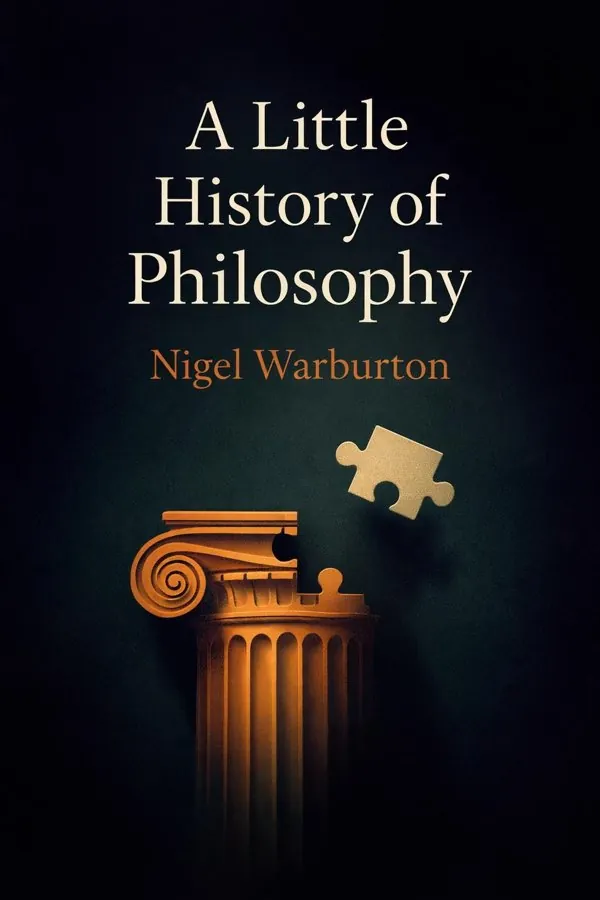
A Little History of Philosophy
Nigel Warburton
10 min
Areopagitica
John Milton
10 min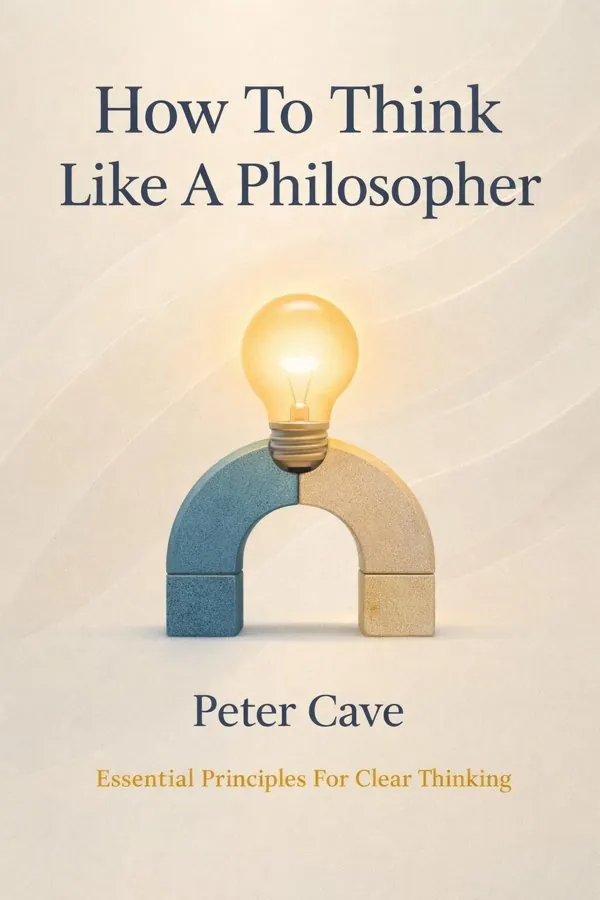
How To Think Like A Philosopher: Essential Principles For Clear Thinking
Peter Cave
10 min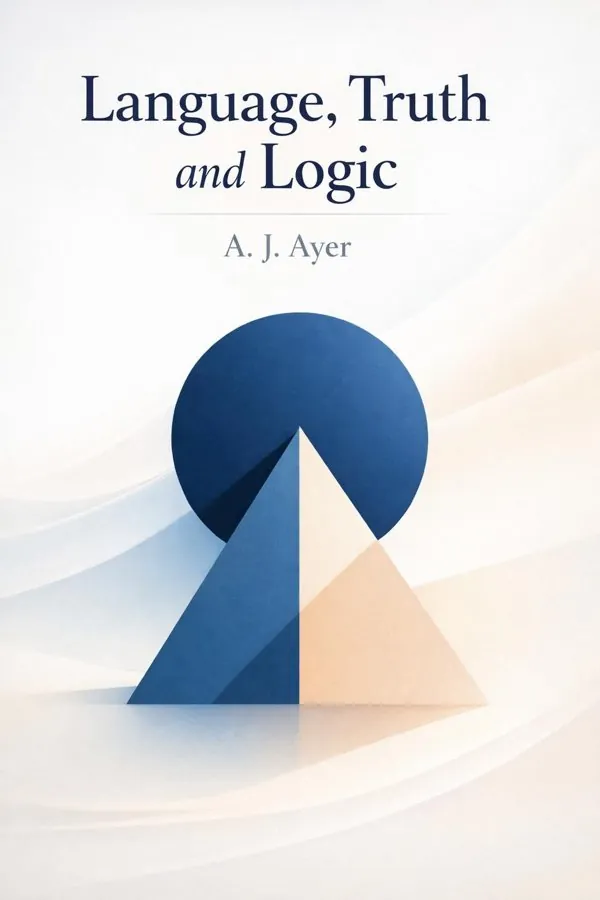
Language, Truth and Logic
A. J. Ayer
10 min
The Age of Reason
Thomas Paine
10 min
The Essays
Michel De Montaigne
10 minBrowse by Category
Ready to read Groundwork of the Metaphysics of Morals?
Get the full summary and 100K+ more books with Fizz Moment.