
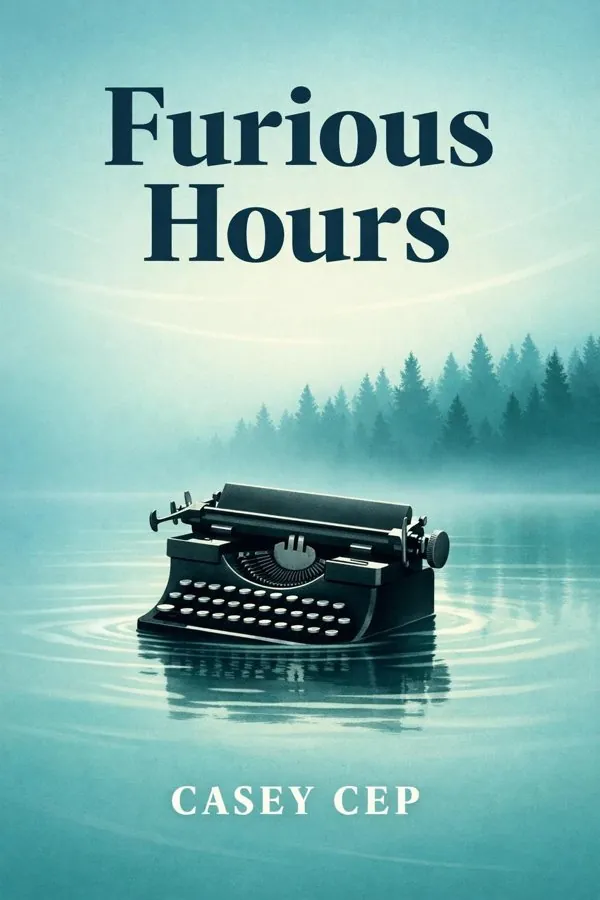
Furious Hours: Murder, Fraud, and the Last Trial of Harper Lee: Summary & Key Insights
by Casey Cep
 10 min5 chaptersAudio available
What Is Furious Hours: Murder, Fraud, and the Last Trial of Harper Lee About?
Furious Hours: Murder, Fraud, and the Last Trial of Harper Lee by Casey Cep is a law_crime book spanning 5 pages. Furious Hours is a nonfiction narrative that intertwines the story of Reverend Willie Maxwell, an Alabama preacher accused of multiple murders, his lawyer Tom Radney, and author Harper Lee, who became fascinated by the case. The book explores themes of justice, storytelling, and the blurred lines between fact and fiction as Lee attempted to write her own true-crime book after the success of To Kill a Mockingbird.
This FizzRead summary covers all 5 key chapters of Furious Hours: Murder, Fraud, and the Last Trial of Harper Lee in approximately 10 minutes, distilling the most important ideas, arguments, and takeaways from Casey Cep's work. Also available as an audio summary and Key Quotes Podcast.
Furious Hours: Murder, Fraud, and the Last Trial of Harper Lee
Furious Hours is a nonfiction narrative that intertwines the story of Reverend Willie Maxwell, an Alabama preacher accused of multiple murders, his lawyer Tom Radney, and author Harper Lee, who became fascinated by the case. The book explores themes of justice, storytelling, and the blurred lines between fact and fiction as Lee attempted to write her own true-crime book after the success of To Kill a Mockingbird.
Who Should Read Furious Hours: Murder, Fraud, and the Last Trial of Harper Lee?
This book is perfect for anyone interested in law_crime and looking to gain actionable insights in a short read. Whether you're a student, professional, or lifelong learner, the key ideas from Furious Hours: Murder, Fraud, and the Last Trial of Harper Lee by Casey Cep will help you think differently.
- ✓Readers who enjoy law_crime and want practical takeaways
- ✓Professionals looking to apply new ideas to their work and life
- ✓Anyone who wants the core insights of Furious Hours: Murder, Fraud, and the Last Trial of Harper Lee in just 10 minutes
Want the full summary?
Get instant access to this book summary and 100K+ more with Fizz Moment.
Get Free SummaryAvailable on App Store • Free to download
Key Chapters
Reverend Willie Maxwell stood at the uneasy frontier of faith and fraud. Outwardly, he was a devoted preacher, respected in his small Alabama town. Inwardly, he was a man whose series of insurance claims raised suspicions too glaring to ignore. Over the course of several years, people close to Maxwell died — his wife, his brother, his nephew, even his stepdaughter — each under mysterious circumstances, each covered by multiple insurance policies naming him as beneficiary.
I was struck, in my research, by how communities often fail to confront the uncomfortable. Maxwell’s parishioners whispered that he practiced witchcraft, that he possessed dark powers to protect himself from the consequences of evil. These rumors reflected both fear and fascination — a way for people to make sense of the improbable. In this mixture of superstition and legal loopholes lies the truth of how violence persists unpunished.
The insurance industry, investigators, and neighbors all struggled to reconcile the preacher’s calm demeanor with the trail of death surrounding him. Autopsies revealed little; law enforcement faltered. At every turn, the bureaucracy of justice proved weaker than Maxwell’s cynicism. To understand him is to see how morality can bend under the pressure of greed, and how a small community can enable that bending when poverty and race cloud accountability.
Enter Tom Radney — the lawyer whose defense of Willie Maxwell revealed the paradoxes at the heart of justice itself. Radney was ambitious, astute, and proudly liberal in a conservative state. He represented Maxwell despite the public outcry, crafting arguments that exposed loopholes and demanded procedural integrity. To outsiders, it looked as if Radney was defending evil, but in his own mind, he was defending the rule of law.
When the legal system could not convict Maxwell, the community turned increasingly desperate. The gap between legal truth and moral truth widened, and Radney himself began to occupy a strange moral territory. He was both admired and criticized, finding himself drawn repeatedly into cases where faith and legality clashed.
Then came the turning point: during the funeral of one of Maxwell’s alleged victims, a man named Robert Burns, the victim’s uncle, walked up to the preacher and shot him dead — in front of hundreds of witnesses. The setting was surreal, the act of justice brutally direct. And yet, the law demanded another trial. What followed was the ultimate irony: Radney, who had defended Maxwell, now defended Maxwell’s killer.
+ 3 more chapters — available in the FizzRead app
All Chapters in Furious Hours: Murder, Fraud, and the Last Trial of Harper Lee
About the Author
Get This Summary in Your Preferred Format
Read or listen to the Furious Hours: Murder, Fraud, and the Last Trial of Harper Lee summary by Casey Cep anytime, anywhere. FizzRead offers multiple formats so you can learn on your terms — all free.
Available formats: App · Audio · PDF · EPUB — All included free with FizzRead
Download Furious Hours: Murder, Fraud, and the Last Trial of Harper Lee PDF and EPUB Summary
Key Quotes from Furious Hours: Murder, Fraud, and the Last Trial of Harper Lee
“Reverend Willie Maxwell stood at the uneasy frontier of faith and fraud.”
“Enter Tom Radney — the lawyer whose defense of Willie Maxwell revealed the paradoxes at the heart of justice itself.”
Frequently Asked Questions about Furious Hours: Murder, Fraud, and the Last Trial of Harper Lee
Furious Hours: Murder, Fraud, and the Last Trial of Harper Lee by Casey Cep is a law_crime book that explores key ideas across 5 chapters. Furious Hours is a nonfiction narrative that intertwines the story of Reverend Willie Maxwell, an Alabama preacher accused of multiple murders, his lawyer Tom Radney, and author Harper Lee, who became fascinated by the case. The book explores themes of justice, storytelling, and the blurred lines between fact and fiction as Lee attempted to write her own true-crime book after the success of To Kill a Mockingbird.
You Might Also Like
Abortion and the Law in America: Roe v. Wade to the Present
Mary Ziegler
10 min
Black Edge: Inside Information, Dirty Money, and the Quest to Bring Down the Most Wanted Man on Wall Street
Sheelah Kolhatkar
10 min
Blood Feud: The Man Who Blew the Whistle on One of the Deadliest Prescription Drugs Ever
Kathleen Sharp
10 min
Catch and Kill: Lies, Spies, and a Conspiracy to Protect Predators
Ronan Farrow
10 min
Chaos: Charles Manson, the CIA, and the Secret History of the Sixties
Tom O'Neill with Dan Piepenbring
10 min
Code and Other Laws of Cyberspace
Lawrence Lessig
10 minBrowse by Category
Ready to read Furious Hours: Murder, Fraud, and the Last Trial of Harper Lee?
Get the full summary and 100K+ more books with Fizz Moment.