
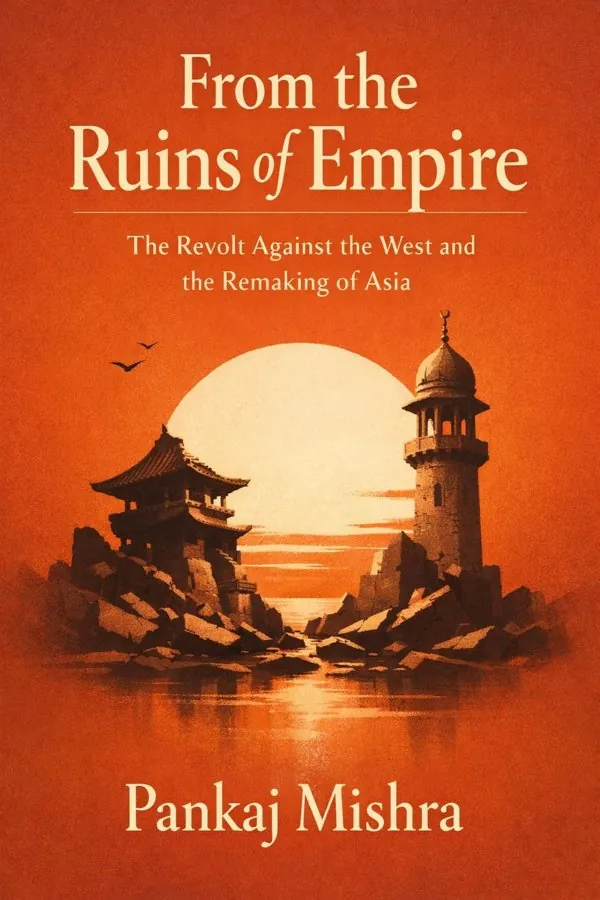
From the Ruins of Empire: The Revolt Against the West and the Remaking of Asia: Summary & Key Insights
 10 min10 chaptersAudio available
What Is From the Ruins of Empire: The Revolt Against the West and the Remaking of Asia About?
From the Ruins of Empire: The Revolt Against the West and the Remaking of Asia by Pankaj Mishra is a world_history book spanning 10 pages. This book explores how Asian intellectuals and reformers responded to Western imperialism from the nineteenth century onward, tracing the ideological and political movements that reshaped Asia. Mishra examines figures such as Jamal al-Din al-Afghani, Liang Qichao, and Rabindranath Tagore, showing how their ideas influenced the modern transformation of Asia and the global balance of power.
This FizzRead summary covers all 10 key chapters of From the Ruins of Empire: The Revolt Against the West and the Remaking of Asia in approximately 10 minutes, distilling the most important ideas, arguments, and takeaways from Pankaj Mishra's work. Also available as an audio summary and Key Quotes Podcast.
From the Ruins of Empire: The Revolt Against the West and the Remaking of Asia
This book explores how Asian intellectuals and reformers responded to Western imperialism from the nineteenth century onward, tracing the ideological and political movements that reshaped Asia. Mishra examines figures such as Jamal al-Din al-Afghani, Liang Qichao, and Rabindranath Tagore, showing how their ideas influenced the modern transformation of Asia and the global balance of power.
Who Should Read From the Ruins of Empire: The Revolt Against the West and the Remaking of Asia?
This book is perfect for anyone interested in world_history and looking to gain actionable insights in a short read. Whether you're a student, professional, or lifelong learner, the key ideas from From the Ruins of Empire: The Revolt Against the West and the Remaking of Asia by Pankaj Mishra will help you think differently.
- ✓Readers who enjoy world_history and want practical takeaways
- ✓Professionals looking to apply new ideas to their work and life
- ✓Anyone who wants the core insights of From the Ruins of Empire: The Revolt Against the West and the Remaking of Asia in just 10 minutes
Want the full summary?
Get instant access to this book summary and 100K+ more with Fizz Moment.
Get Free SummaryAvailable on App Store • Free to download
Key Chapters
The nineteenth century marked the high tide of European imperial expansion. For many Asian societies, centuries of indigenous political, cultural, and economic systems crumbled under the pressure of technological and military superiority. Britain’s domination stretched from India to the Malay Peninsula; France seized Indochina; Russia pushed into Central Asia; and Western powers even carved spheres of influence out of a once-mighty China. The wealth of Asia—its industries, crafts, and knowledge—was systematically reoriented to serve European economies.
In the book, I describe how this collapse felt to those who experienced it. The fall was not just territorial; it was psychological. Centuries-old empires—the Mughal, the Qing, the Ottoman—found themselves facing humiliation by powers they had once dismissed as peripheral barbarians. Asian elites were forced to confront a painful reality: the West’s dynamism and ruthlessness had created a new global hierarchy.
Everywhere, reformers asked what had gone wrong. Why did their civilizations—possessors of rich traditions—fail to modernize? The answers were complex, mixing frustration, admiration, and resistance. These emotional currents formed the backdrop against which new thinkers began to articulate visions of renewal. As the old order decayed, a new intellectual ferment stirred across the continent, seeking to reclaim agency from foreign domination.
Jamal al-Din al-Afghani stands as one of the earliest figures in this intellectual awakening. A restless traveler across the Muslim world—from Iran to Egypt, from Istanbul to Paris—he became a prophetic voice calling for unity and resistance. I portray him as an itinerant philosopher caught between admiration for Western science and abhorrence of Western arrogance.
Al-Afghani’s central idea was that Islamic civilization had fallen behind because it had turned away from rational inquiry and collective solidarity. He urged Muslims to reclaim the spirit of intellectual vigor once embodied in the early Islamic centuries. At the same time, he believed only a united Muslim front could resist Western imperialism’s divide-and-rule tactics.
Through his debates with European intellectuals, al-Afghani revealed deeper questions: Could Islam modernize without mimicking the West? Was spiritual faith compatible with rational progress? His answers were ambivalent but charged with urgency. He did not reject modernity; he wanted a modernity rooted in Islam’s own moral universe. His disciples—from Egypt’s Muhammad Abduh to later reformers—helped shape early twentieth-century movements that sought constitutional government and scientific education within Muslim societies.
In this sense, al-Afghani was less a politician than a catalyst—a man who awakened the possibility of an Islamic response to empire. He gave voice to a generation that saw reform not as surrender but as a struggle for dignity, paving the intellectual ground for subsequent nationalist and revivalist currents in the Middle East.
+ 8 more chapters — available in the FizzRead app
All Chapters in From the Ruins of Empire: The Revolt Against the West and the Remaking of Asia
About the Author
Pankaj Mishra is an Indian essayist and novelist known for his works on politics, history, and culture. His writings often explore the intellectual and moral consequences of colonialism and globalization. He contributes regularly to major publications such as The Guardian, The New Yorker, and The New York Review of Books.
Get This Summary in Your Preferred Format
Read or listen to the From the Ruins of Empire: The Revolt Against the West and the Remaking of Asia summary by Pankaj Mishra anytime, anywhere. FizzRead offers multiple formats so you can learn on your terms — all free.
Available formats: App · Audio · PDF · EPUB — All included free with FizzRead
Download From the Ruins of Empire: The Revolt Against the West and the Remaking of Asia PDF and EPUB Summary
Key Quotes from From the Ruins of Empire: The Revolt Against the West and the Remaking of Asia
“The nineteenth century marked the high tide of European imperial expansion.”
“Jamal al-Din al-Afghani stands as one of the earliest figures in this intellectual awakening.”
Frequently Asked Questions about From the Ruins of Empire: The Revolt Against the West and the Remaking of Asia
From the Ruins of Empire: The Revolt Against the West and the Remaking of Asia by Pankaj Mishra is a world_history book that explores key ideas across 10 chapters. This book explores how Asian intellectuals and reformers responded to Western imperialism from the nineteenth century onward, tracing the ideological and political movements that reshaped Asia. Mishra examines figures such as Jamal al-Din al-Afghani, Liang Qichao, and Rabindranath Tagore, showing how their ideas influenced the modern transformation of Asia and the global balance of power.
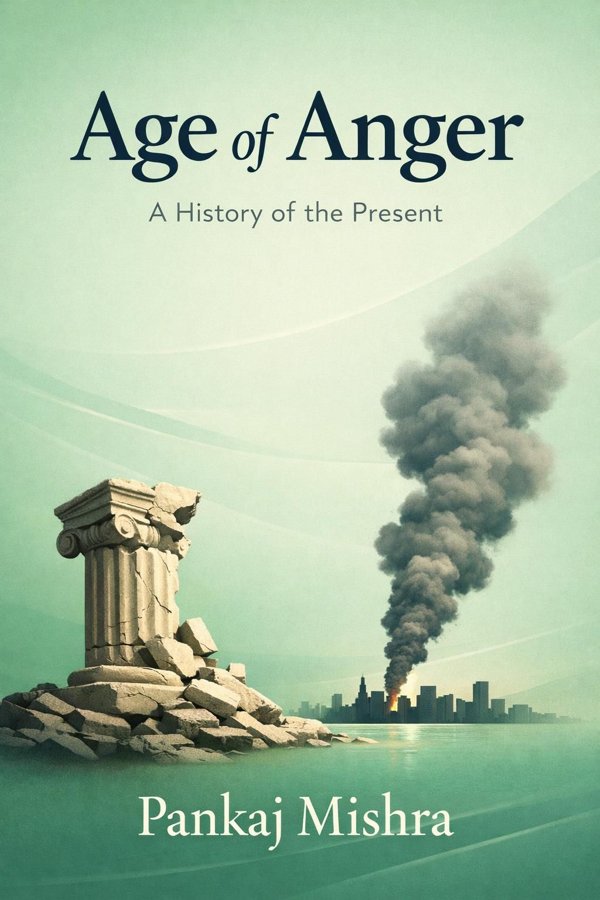
More by Pankaj Mishra
You Might Also Like
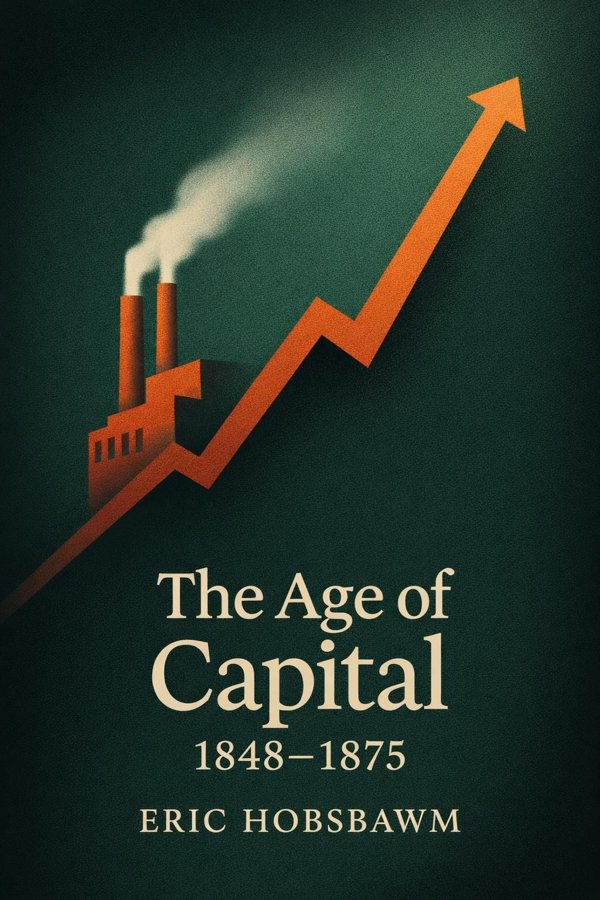
The Age of Capital
Eric Hobsbawm
10 min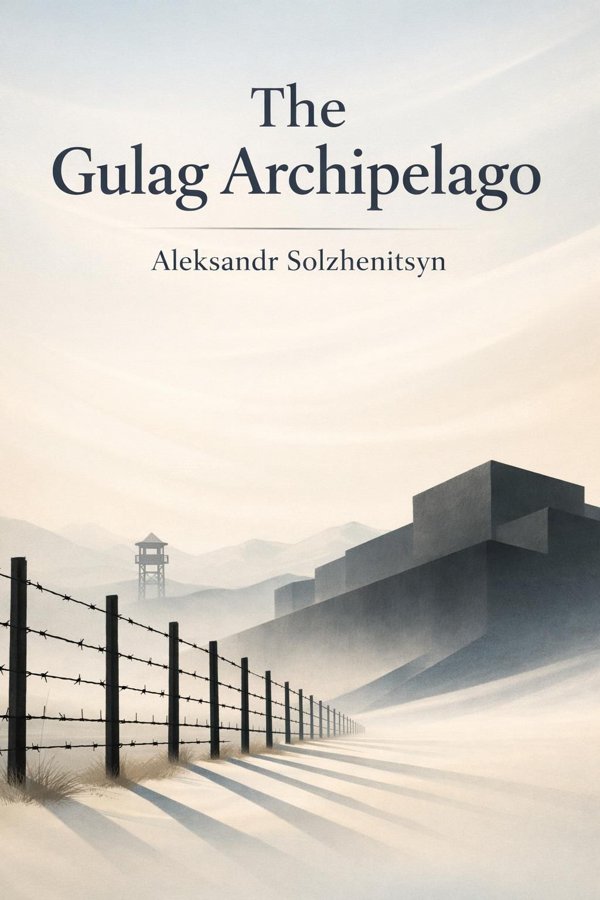
The Gulag Archipelago
Aleksandr Solzhenitsyn
10 min
Jerusalem: The Biography
Simon Sebag Montefiore
10 min
The Anglo-Saxons
James Campbell
10 min
The Boer War
Thomas Pakenham
10 min
The Industrial Revolutionaries: The Making of the Modern World 1776–1914
Gavin Weightman
10 minBrowse by Category
Ready to read From the Ruins of Empire: The Revolt Against the West and the Remaking of Asia?
Get the full summary and 100K+ more books with Fizz Moment.