
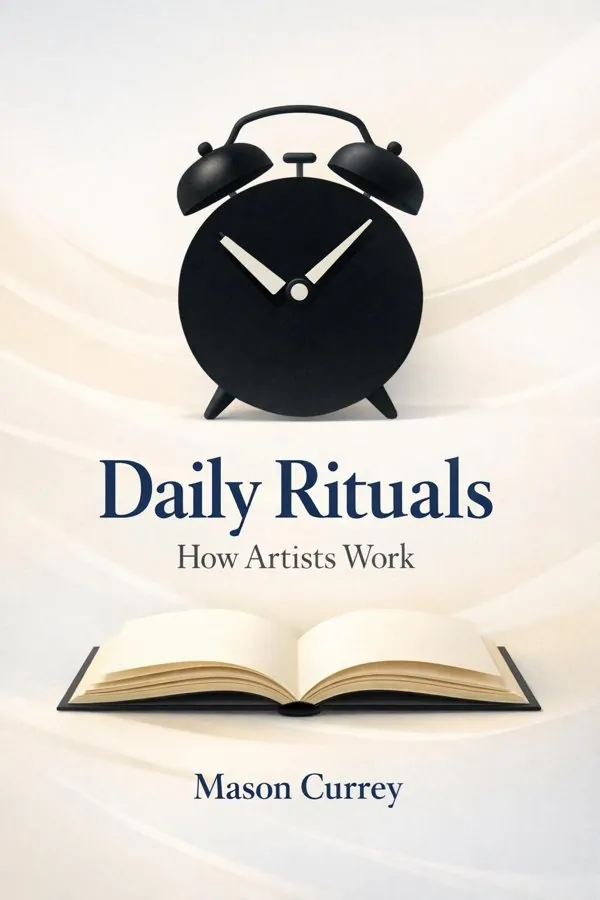
Daily Rituals: How Artists Work: Summary & Key Insights
by Mason Currey
 10 min7 chaptersAudio available
What Is Daily Rituals: How Artists Work About?
Daily Rituals: How Artists Work by Mason Currey is a creativity book spanning 7 pages. A collection of short profiles detailing the daily routines and working habits of more than 160 creative figures, including writers, artists, composers, and thinkers. The book explores how these individuals structured their days to foster creativity and productivity, revealing the diverse and often idiosyncratic ways in which great works were produced.
This FizzRead summary covers all 7 key chapters of Daily Rituals: How Artists Work in approximately 10 minutes, distilling the most important ideas, arguments, and takeaways from Mason Currey's work. Also available as an audio summary and Key Quotes Podcast.
Daily Rituals: How Artists Work
A collection of short profiles detailing the daily routines and working habits of more than 160 creative figures, including writers, artists, composers, and thinkers. The book explores how these individuals structured their days to foster creativity and productivity, revealing the diverse and often idiosyncratic ways in which great works were produced.
Who Should Read Daily Rituals: How Artists Work?
This book is perfect for anyone interested in creativity and looking to gain actionable insights in a short read. Whether you're a student, professional, or lifelong learner, the key ideas from Daily Rituals: How Artists Work by Mason Currey will help you think differently.
- ✓Readers who enjoy creativity and want practical takeaways
- ✓Professionals looking to apply new ideas to their work and life
- ✓Anyone who wants the core insights of Daily Rituals: How Artists Work in just 10 minutes
Want the full summary?
Get instant access to this book summary and 100K+ more with Fizz Moment.
Get Free SummaryAvailable on App Store • Free to download
Key Chapters
Across centuries, creative work has always been shaped by its time. Artists in the Renaissance, for instance, operated within strict patronage systems that dictated their schedules and constraints. Writers in the age of Enlightenment engaged with salons, correspondence, and civic life, blending social ritual with solitary creative labor. As technology began to change, so did the texture of daily life. Electricity, typewriters, and telephones redefined how people organized their days, influencing not only productivity but the very rhythms of thought.
In 'Daily Rituals,' I wanted to present this historical continuum not as a linear evolution, but as a mosaic—each era infusing the concept of routine with its own tone and tempo. Benjamin Franklin’s methodical self-improvement practices in the eighteenth century differ markedly from the fragmented modern schedules of twentieth-century writers like William Styron or Simone de Beauvoir. Yet both reveal how external structures—social norms, available tools, cultural expectations—intersect with internal needs.
The Victorians, for example, lived by clockwork precision, and their routines reflect the industrial age’s obsession with productivity. By contrast, Romantic artists cultivated moods and seasons of inspiration, often embracing a more fluid approach to time. Then, in the modern age, as cities grew noisy and deadlines proliferated, creators had to negotiate between autonomy and efficiency, often finding refuge in disciplined solitude.
Recognizing this historical texture reminds us that routine is not just personal—it’s cultural. What looks like eccentricity today may have been necessity in another era. Understanding this helps us appreciate how creative individuals continually reinvent the balance between freedom and structure against the backdrop of their historical moment.
Morning, for many creators, is sacred. It’s the bridge between the unconscious dream world and the labor of the day. In the quiet hours before distraction awakens, one can slip more easily into focused thought. That’s why so many of the figures I studied began their days early, deliberately protecting that fragile window of clarity.
Benjamin Franklin famously rose at five and performed a self-interrogation about how he would employ his hours. Beethoven went through a meticulous process to prepare coffee, counting out exactly sixty beans per cup before settling down to compose. Haruki Murakami runs and writes both as ritual—his mornings are a blend of physical and mental discipline, proof that creativity thrives in sync with well-practiced bodily rhythm.
What unites these examples is not the hour itself but the intention. Morning rituals often serve as a form of self-command, a way of asserting agency over one’s time before the world intrudes. Some creators meditate, others read or walk. For most, these patterns are not arbitrary—they mediate between the chaos of the mind and the clarity required for creation. The morning becomes a sanctuary, a stage set for focused performance.
Personally, I think of these hours as a dialogue between consciousness and preparation. The way you begin your day shapes the current that will carry you forward. Readers frequently note the diversity of approaches, yet what matters is the consistent devotion to the act of beginning. Creativity favors those who honor the start.
+ 5 more chapters — available in the FizzRead app
All Chapters in Daily Rituals: How Artists Work
About the Author
Mason Currey is an American writer and editor known for exploring the intersection of creativity and daily life. He has written for publications such as Slate, Metropolis, and Print, and is the author of 'Daily Rituals' and its follow-up, 'Daily Rituals: Women at Work.'
Get This Summary in Your Preferred Format
Read or listen to the Daily Rituals: How Artists Work summary by Mason Currey anytime, anywhere. FizzRead offers multiple formats so you can learn on your terms — all free.
Available formats: App · Audio · PDF · EPUB — All included free with FizzRead
Download Daily Rituals: How Artists Work PDF and EPUB Summary
Key Quotes from Daily Rituals: How Artists Work
“Across centuries, creative work has always been shaped by its time.”
“It’s the bridge between the unconscious dream world and the labor of the day.”
Frequently Asked Questions about Daily Rituals: How Artists Work
Daily Rituals: How Artists Work by Mason Currey is a creativity book that explores key ideas across 7 chapters. A collection of short profiles detailing the daily routines and working habits of more than 160 creative figures, including writers, artists, composers, and thinkers. The book explores how these individuals structured their days to foster creativity and productivity, revealing the diverse and often idiosyncratic ways in which great works were produced.
More by Mason Currey
You Might Also Like
Dimensions Of Creativity
Margaret A. Boden
10 min
How to Fly a Horse: The Secret History of Creation, Invention, and Discovery
Kevin Ashton
10 min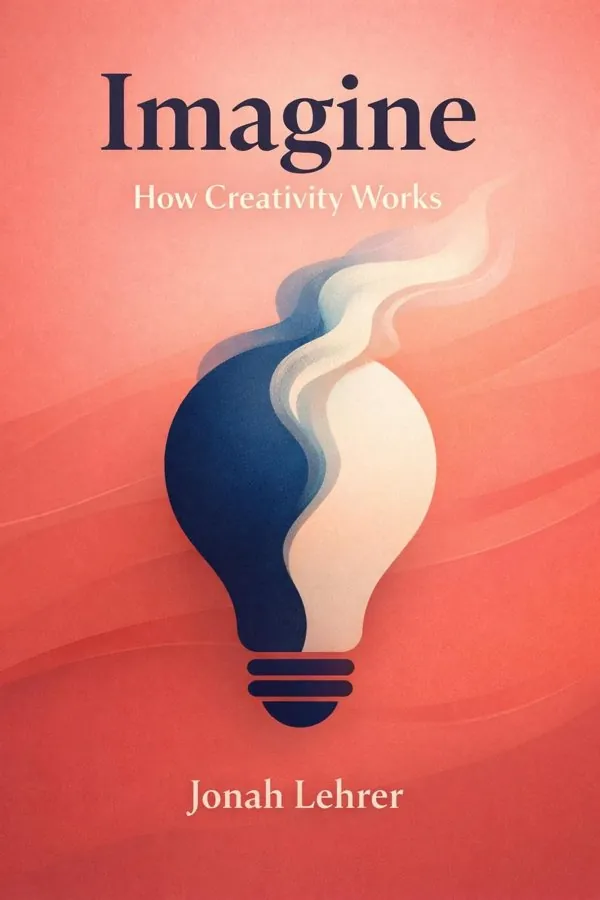
Imagine: How Creativity Works
Jonah Lehrer
10 min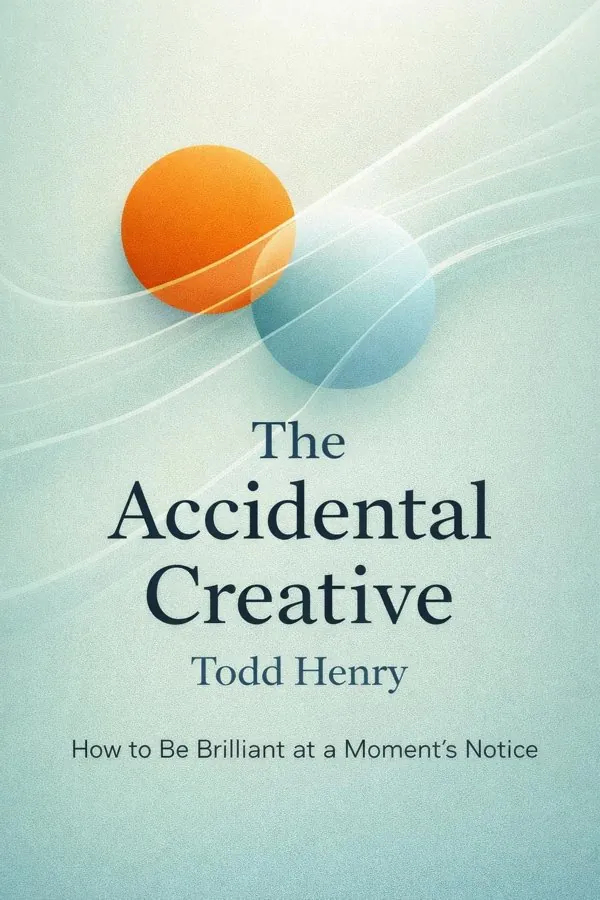
The Accidental Creative: How to Be Brilliant at a Moment's Notice
Todd Henry
10 min
The Origins of Creativity
Edward O. Wilson
10 min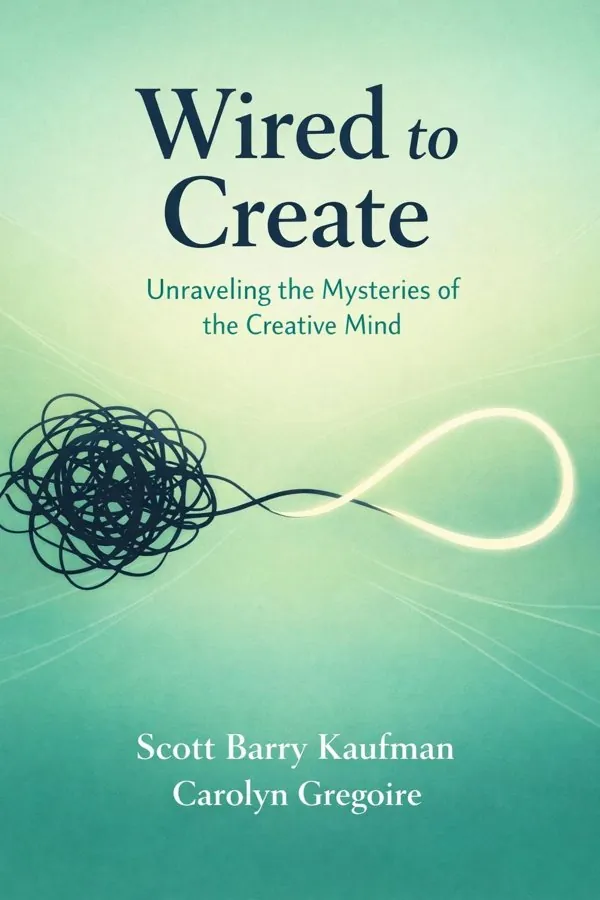
Wired to Create: Unraveling the Mysteries of the Creative Mind
Scott Barry Kaufman, Carolyn Gregoire
10 minBrowse by Category
Ready to read Daily Rituals: How Artists Work?
Get the full summary and 100K+ more books with Fizz Moment.