
The Kite Runner vs The Midnight Library: Which Should You Read?
A detailed comparison of The Kite Runner by Khaled Hosseini and The Midnight Library by Matt Haig. Discover the key differences, strengths, and which book is right for you.
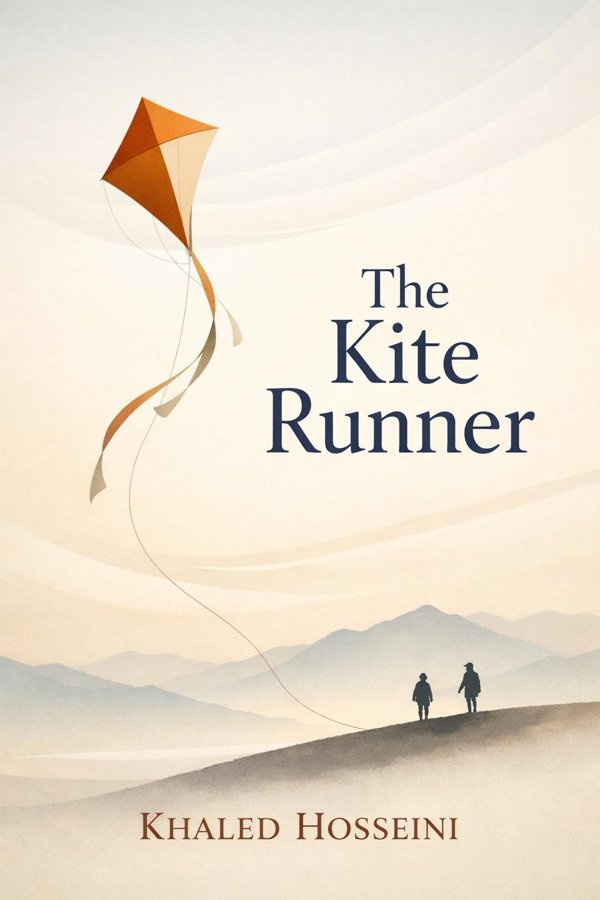
The Kite Runner
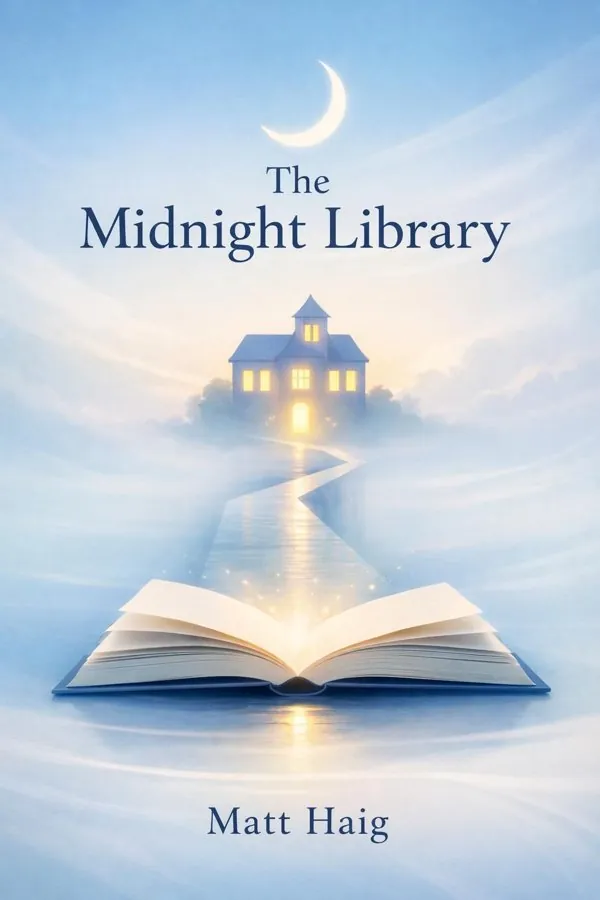
The Midnight Library
In-Depth Analysis
At first glance, The Kite Runner and The Midnight Library seem to belong to very different fictional universes. Khaled Hosseini’s novel is a realist, historically grounded story of friendship, betrayal, exile, and national collapse, while Matt Haig’s novel is a speculative, metaphysical exploration of regret staged in a library between life and death. Yet both books are organized around a similar human obsession: the unbearable weight of the life one has already lived. Each asks what a person does after a defining failure, loss, or misjudgment. The difference is that Hosseini approaches that question through irreversible history, whereas Haig approaches it through imagined alternatives.
The Kite Runner is fundamentally a novel about moral consequence. Amir’s betrayal of Hassan after the kite tournament is not treated as a passing childhood error but as the axis on which the rest of his life turns. The famous sequence in which Amir wins Baba’s approval by triumphing in the kite tournament only to sacrifice Hassan in the alley gives the novel its core paradox: public victory coincides with private collapse. Hosseini makes this devastating because Amir is not ignorant of what he is doing. He witnesses Hassan’s assault and chooses self-protection over loyalty. The novel’s power comes from that clarity. Amir is not merely unfortunate; he is culpable.
By contrast, The Midnight Library begins with a protagonist whose pain is diffuse rather than tied to one defining betrayal. Nora Seed is crushed by accumulated disappointments: a dead-end life, estranged relationships, abandoned ambitions, and the belief that she has failed in every direction. Where Amir’s torment is linked to one scene he cannot forget, Nora’s despair emerges from the multiplying branches of all the lives she did not choose. Haig literalizes this through the library, where each book opens into an alternate version of her existence. The structure externalizes a common mental habit: replaying decisions and imagining that happiness was always elsewhere.
This structural difference shapes each novel’s moral imagination. In The Kite Runner, time is linear and ethically binding. What happened happened. Hassan cannot be unhurt; Amir cannot return to innocence. Even the later revelation that Hassan was Amir’s half-brother deepens the wound rather than transforming it into a clever twist. The secret exposes how family silence, ethnic hierarchy, and personal cowardice intertwine. Baba’s hidden sin mirrors Amir’s open one, suggesting that masculinity and honor in the novel are often built atop concealment. Redemption, therefore, must occur not through emotional self-forgiveness alone but through risk. When Rahim Khan tells Amir, 'There is a way to be good again,' the novel does not promise cleansing; it promises obligation. Amir’s return to Taliban-controlled Afghanistan and his attempt to rescue Sohrab are meaningful precisely because they are dangerous, inadequate, and late.
In The Midnight Library, however, the protagonist’s transformation comes through reframing rather than restitution. Nora enters lives in which she becomes an Olympic swimmer, a rock star, a glaciologist, a wife, and more. Each scenario reveals that the supposedly perfect life contains hidden pain, compromise, or estrangement. Haig’s point is not that choices do not matter, but that regret distorts reality by idealizing unlived paths. Nora gradually sees that her worth is not contingent on maximizing achievement. The emotional movement is from self-erasure toward acceptance. Unlike Amir, she does not need to make amends to a specific wronged person in the same direct, plot-driving way. Her task is existential: to rediscover reasons to live without the fantasy of an error-free self.
The novels also differ sharply in social scope. The Kite Runner links private guilt to public history. Kabul’s transformation from a vivid prewar city to a landscape reshaped by Soviet invasion, refugee displacement, and Taliban brutality gives Amir’s personal story historical gravity. His migration to America does not free him from Afghanistan; instead, exile becomes another medium through which memory works. Hosseini repeatedly shows that personal and political violence cannot be fully separated. Hassan’s vulnerability as a Hazara servant is not incidental background but a social fact that enables Amir’s betrayal and Assef’s cruelty. The novel therefore invites analysis of class, ethnicity, and power alongside its emotional drama.
The Midnight Library is much more inward and universalized. Its setting is intentionally abstract: the library is a conceptual space where the focus remains on Nora’s psyche. That gives the novel broad accessibility, especially for readers dealing with depression or self-reproach, but it also means the world beyond Nora is less textured than Hosseini’s Afghanistan and immigrant America. Haig sacrifices historical density for therapeutic clarity. The result is not shallow, but it is less layered in terms of social systems and collective trauma.
Stylistically, Hosseini’s emotional directness has a tragic intensity. Symbols recur with cumulative force: the kite as love, competition, and betrayal; the pomegranate tree as a damaged emblem of childhood intimacy; the split lip and later scars as bodily traces of violence and kinship. Haig’s style is lighter, cleaner, and more aphoristic. His scenes are designed to generate insight efficiently. A life opens, reveals its hidden costs, and closes. This episodic architecture makes The Midnight Library highly readable and often comforting, but it rarely achieves the same density of dread, shame, and historical sorrow that The Kite Runner sustains.
Ultimately, the two books offer different kinds of hope. The Kite Runner insists that hope is inseparable from responsibility and that love may demand painful confrontation with the past. The Midnight Library suggests that hope begins when one stops worshipping unlived possibilities and chooses the flawed present. Hosseini asks whether one can morally endure oneself after betrayal; Haig asks whether one can emotionally endure oneself after disappointment. Both are compelling, but The Kite Runner is the deeper and more devastating novel, while The Midnight Library is the more immediately soothing and accessible one.
Side-by-Side Comparison
| Aspect | The Kite Runner | The Midnight Library |
|---|---|---|
| Core Philosophy | The Kite Runner argues that moral failure cannot be erased, but redemption may still be pursued through costly action. Amir’s life is shaped by the idea that a single act of cowardice can haunt a person across decades, yet also that one can still choose responsibility later. | The Midnight Library centers on regret, possibility, and the value of imperfect existence. Nora learns that the fantasy of a perfect alternate life is less meaningful than accepting the complexity, pain, and contingency of the life she already has. |
| Writing Style | Hosseini writes in an emotionally direct, realist mode, combining intimate first-person confession with sweeping historical change. His prose is accessible but often weighted with memory, shame, and symbolic motifs such as kites, the pomegranate tree, and the scarred lip. | Haig uses a clean, contemporary, highly readable style shaped by speculative premises and short reflective scenes. The prose favors clarity over ornament, often moving quickly through alternate scenarios to foreground ideas about mental health and regret. |
| Practical Application | Its application is moral and emotional rather than instructional: readers are pushed to reflect on complicity, class privilege, ethnic prejudice, family silence, and what amends might actually require. It is especially useful for discussions of guilt, loyalty, and the ethics of delayed courage. | The novel has immediate practical resonance for readers struggling with self-blame, rumination, or 'what if' thinking. By dramatizing many possible lives, it encourages perspective-taking and can help readers reconsider perfectionism and catastrophic regret. |
| Target Audience | Best suited to readers who want emotionally intense literary-commercial fiction with historical depth and difficult ethical questions. It also appeals to book clubs and students interested in diaspora, memory, and the human cost of political upheaval. | Best suited to readers who enjoy uplifting philosophical fiction, speculative frameworks, and mental-health-centered narratives. It is particularly accessible to newer fiction readers because of its straightforward language and episodic structure. |
| Scientific Rigor | As a realist novel, it is not concerned with scientific rigor but with social and historical plausibility. Its authority comes from emotional truth and its embedding of personal story in Afghanistan’s political history rather than from research-driven argument. | The Midnight Library uses a quantum-adjacent multiverse concept metaphorically rather than scientifically. The speculative mechanism is intentionally more philosophical and therapeutic than rigorous, serving as a narrative device for exploring regret. |
| Emotional Impact | The emotional effect is devastating and cumulative, especially in the assault scene’s aftermath, Baba’s decline, and Amir’s return to Taliban-controlled Kabul. Its pain comes from betrayal, silence, and the recognition that innocence once lost cannot be restored. | Haig’s emotional impact is gentler but still potent, particularly for readers familiar with depression, loneliness, or feelings of failure. The novel aims less to wound than to console, offering catharsis through Nora’s gradual movement from despair toward renewed desire to live. |
| Actionability | It offers no step-by-step guidance, but it can motivate readers to confront unresolved guilt, repair damaged relationships, and think critically about social hierarchies. Its lessons emerge through narrative consequence rather than explicit takeaways. | Its lessons are more immediately actionable: challenge idealized alternate futures, examine the distortions of regret, and notice the hidden impact of small choices. Readers can translate its message into self-reflection, journaling, or therapeutic conversations quite easily. |
| Depth of Analysis | The Kite Runner supports layered interpretation across politics, masculinity, father-son conflict, ethnic inequality, migration, and trauma. Its central betrayal radiates into nearly every relationship, giving the novel substantial interpretive density. | The Midnight Library is intellectually engaging but more concentrated in thematic range. Its main depth lies in philosophical reflection on possibility, identity, and meaning rather than in dense social or historical complexity. |
| Readability | Despite heavy subject matter, the novel is highly readable because of its linear storytelling, strong suspense, and emotionally clear stakes. However, some readers may find its intensity and traumatic scenes difficult. | Exceptionally readable, with short chapters, a hook-driven premise, and an easily grasped conceptual structure. It is often the easier entry point for readers returning to fiction or seeking an emotionally supportive read. |
| Long-term Value | It tends to linger because its images and moral questions are unforgettable: running kites, alleyway silence, Baba’s moral contradictions, and the refrain 'There is a way to be good again.' Many readers revisit it for its ethical complexity and historical resonance. | Its long-term value lies in reassurance and reorientation, especially during periods of personal crisis. Readers may return to it less for narrative intricacy than for its comforting reminder that no imagined perfect life can replace lived meaning. |
Key Differences
Irreversible Past vs Revisitable Possibilities
The Kite Runner is built on the fact that the past cannot be undone; Amir must live with one irrevocable moment in the alley and everything that follows from it. The Midnight Library imagines the opposite structure, where Nora can test alternate lives and see how different choices might have changed her story.
Historical Realism vs Philosophical Speculation
Hosseini anchors his novel in Afghanistan’s social and political upheaval, from prewar Kabul to exile in America and Taliban rule. Haig works in a conceptual mode, using the library as a metaphysical device to explore regret rather than to depict a historically specific world.
Moral Guilt vs Existential Dissatisfaction
Amir suffers because he failed Hassan in a concrete ethical situation and then compounded that failure through silence and cruelty. Nora suffers more from diffuse regret, loneliness, and the belief that she has chosen wrongly at every crossroads.
Redemption Through Action vs Healing Through Perspective
In The Kite Runner, redemption requires bodily risk and concrete responsibility, especially in Amir’s return to Afghanistan and his effort to save Sohrab. In The Midnight Library, healing comes from seeing that supposedly ideal lives also contain pain and that meaning depends on how one inhabits the present.
Social Hierarchy as Central Force
The relationship between Amir and Hassan is inseparable from ethnic and class inequality: Pashtun privilege and Hazara marginalization shape every interaction. In The Midnight Library, social structures matter less than Nora’s internal state; the novel is primarily psychological and philosophical rather than sociopolitical.
Tragic Intensity vs Therapeutic Warmth
The Kite Runner is designed to unsettle, grieve, and haunt, especially through scenes of betrayal, war, and damaged childhood. The Midnight Library begins darkly but is oriented toward reassurance, often leaving readers with a sense of comfort rather than devastation.
Dense Symbolism vs Conceptual Framework
Hosseini uses recurring symbols such as kites, scars, and the pomegranate tree to deepen memory and moral resonance. Haig relies more on the governing concept of the infinite library and the life-books, a framework that prioritizes thematic clarity over layered symbolism.
Who Should Read Which?
Reader seeking emotional depth and serious literary discussion
→ The Kite Runner
This reader will likely value Hosseini’s layered treatment of betrayal, fatherhood, class, ethnicity, and exile. The novel offers more to analyze and debate, especially because its emotional force is tied to concrete moral failures rather than abstract reflection.
Reader struggling with regret, indecision, or burnout
→ The Midnight Library
Haig’s novel directly addresses the fantasy that another choice would have produced a perfect life. Its accessible style and hopeful arc make it especially suitable for readers who want fiction that feels supportive without being overly demanding.
Book club or classroom reader interested in culture and ethics
→ The Kite Runner
It opens discussion across personal and political levels at once, from Amir’s betrayal of Hassan to the broader realities of Afghan history and immigrant identity. Readers can engage both emotionally and analytically with its portrayal of power, loyalty, and redemption.
Which Should You Read First?
If you plan to read both, start with The Midnight Library and follow with The Kite Runner. Haig’s novel is the easier entry point: its premise is immediately engaging, its chapters are short, and its emotional trajectory moves toward encouragement. Beginning there helps establish a reflective mood around regret, missed chances, and self-judgment without demanding the same level of emotional endurance. Then read The Kite Runner when you are ready for a more intense and morally challenging experience. In some ways, it deepens questions that The Midnight Library raises. Haig asks whether imagined alternate lives are really better; Hosseini asks what happens when the real life you lived contains a moment you can never excuse. Reading Haig first can therefore prepare you for Hosseini by making you think about regret in broad human terms before confronting guilt in a much harsher historical and ethical form. If you prefer to begin with the stronger literary work and do not mind emotional heaviness, reverse the order. But for most readers, The Midnight Library first is the smoother progression.
Want the full summary?
Get instant access to this book summary and 100K+ more with Fizz Moment.
Get Free SummaryAvailable on App Store • Free to download
Frequently Asked Questions
Is The Kite Runner better than The Midnight Library for beginners?
If by 'beginners' you mean readers who are just getting back into fiction, The Midnight Library is usually the easier starting point. Its chapters are short, its premise is instantly understandable, and Matt Haig’s prose is simple and contemporary. The Kite Runner is also very readable, but it is emotionally heavier and includes traumatic material, especially around violence, betrayal, and war. That said, many first-time literary fiction readers are gripped by Hosseini because the plot is so compelling. So for accessibility and low barrier to entry, The Midnight Library is better for beginners; for emotional depth and stronger dramatic momentum, The Kite Runner may be more rewarding.
Which book is more emotional: The Kite Runner or The Midnight Library?
The Kite Runner is generally more emotionally devastating, while The Midnight Library is more emotionally consoling. Hosseini builds heartbreak through specific acts of cowardice, family secrecy, the destruction of childhood, and the long afterlife of guilt. Scenes involving Hassan, Baba’s decline, and Sohrab carry a tragic weight that is hard to shake. Haig’s novel certainly engages intense feelings, especially around depression, hopelessness, and regret, but its aim is ultimately restorative. It wants readers to emerge feeling less alone and more open to life. So if you want to cry and confront moral pain, choose The Kite Runner; if you want catharsis and reassurance, choose The Midnight Library.
Is The Kite Runner or The Midnight Library better for readers dealing with regret and depression?
For regret specifically, The Midnight Library may feel more immediately relevant because it is built entirely around the fantasy of alternate lives. Nora’s journey directly addresses the thought pattern, 'My life would have been better if I had chosen differently.' For depression, many readers find Haig’s novel validating because it names despair in accessible terms and then gently challenges it. The Kite Runner also deals with regret, but in a more morally specific and painful way: Amir regrets not just choices, but betrayal. It is less therapeutic in tone. If you want a book that may help soften self-blame, start with The Midnight Library; if you want a profound exploration of guilt and accountability, read The Kite Runner.
Which has more literary depth, The Kite Runner or The Midnight Library?
The Kite Runner has greater literary depth in terms of characterization, symbolism, historical context, and moral ambiguity. Its story operates simultaneously as a coming-of-age novel, a father-son narrative, a study of class and ethnic hierarchy, and a portrait of Afghanistan’s upheaval. Details such as the kite tournament, the pomegranate tree, and the phrase 'There is a way to be good again' resonate across the whole novel. The Midnight Library is thoughtful and emotionally effective, but it is more concept-driven than socially textured. Its philosophical inquiry into regret is sharp and accessible, yet it does not sustain as many layers of interpretation as Hosseini’s novel.
Should I read The Midnight Library or The Kite Runner first for a book club?
For a book club, the better choice depends on the kind of discussion you want. The Kite Runner usually generates richer and more contentious conversation because it raises questions about betrayal, ethnicity, privilege, masculinity, immigration, forgiveness, and political violence. There is a lot to unpack beyond plot. The Midnight Library works well if your group prefers reflective discussion about mental health, regret, unrealized ambitions, and the pressure to live the 'right' life. It is also a safer pick if your club wants something emotionally uplifting by the end. In general, choose The Kite Runner for deeper debate and The Midnight Library for broader accessibility and personal reflection.
Is The Midnight Library better than The Kite Runner if I want an uplifting fiction book?
Yes, if your main goal is to read something uplifting, The Midnight Library is the stronger choice. Even though it begins in despair, its overall movement is toward hope, self-acceptance, and renewed commitment to life. The narrative is designed to show that happiness is not hiding in one perfect decision and that a flawed life can still be meaningful. The Kite Runner does contain redemption, but it is earned through suffering, danger, and irreparable loss. It is ultimately humane, yet not exactly comforting. If you want to close a novel feeling steadied and encouraged, pick The Midnight Library; if you can handle pain in exchange for greater emotional and moral complexity, pick The Kite Runner.
The Verdict
If you want the more powerful novel in artistic and emotional terms, The Kite Runner is the stronger book. It offers a richer fusion of intimate psychology and historical reality, and its central betrayal reverberates through family, class, ethnicity, exile, and political collapse. Hosseini does not just tell a sad story; he constructs a moral landscape in which guilt has consequences and redemption demands action. The result is a novel that stays with readers because it is not content with easy healing. The Midnight Library, however, succeeds on a different register. It is more immediately accessible, more openly therapeutic, and more likely to help readers who are wrestling with regret, indecision, or depressive 'what if' thinking. Its speculative device makes abstract anxiety vivid and understandable, and its message about the value of imperfect life is delivered with real warmth. So the recommendation depends on your purpose. Choose The Kite Runner if you want depth, historical resonance, unforgettable scenes, and a book that challenges you morally. Choose The Midnight Library if you want a hopeful, fast-moving, idea-driven novel that offers comfort and perspective. If forced to pick one as the more substantial literary achievement, The Kite Runner wins clearly. If forced to pick one as the more beginner-friendly or emotionally restorative read, The Midnight Library has the advantage.
Related Comparisons


Want to read both books?
Get AI-powered summaries of both The Kite Runner and The Midnight Library in just 20 minutes total.