
The Midnight Library vs Lessons in Chemistry: Which Should You Read?
A detailed comparison of The Midnight Library by Matt Haig and Lessons in Chemistry by Bonnie Garmus. Discover the key differences, strengths, and which book is right for you.

The Midnight Library
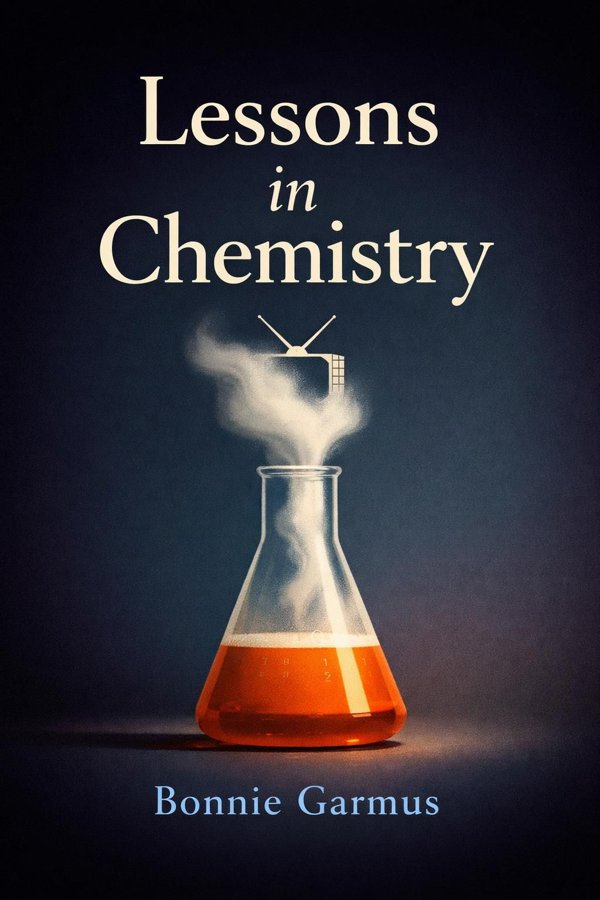
Lessons in Chemistry
In-Depth Analysis
Matt Haig’s The Midnight Library and Bonnie Garmus’s Lessons in Chemistry are both accessible, emotionally engaging novels about women confronting lives narrowed by disappointment and social pressure. Yet they operate on very different narrative planes. Haig writes a metaphysical thought experiment about regret and self-acceptance; Garmus writes a socially grounded, often satirical historical novel about sexism, expertise, and survival. Put simply, The Midnight Library asks, “What if you could test every life you regret not living?” while Lessons in Chemistry asks, “What happens when a woman refuses to become legible on patriarchal terms?” The difference between inward existential inquiry and outward social critique is the key to understanding their contrast.
The Midnight Library begins with Nora Seed at a point of extreme despair. Her job is gone, her cat has died, and her relationships feel depleted. The library she enters between life and death, overseen by Mrs. Elm, functions as an architectural metaphor for counterfactual thinking. Each book allows Nora to inhabit a life produced by one altered choice: becoming an Olympic swimmer, continuing with her band, pursuing glaciology, marrying differently, or otherwise following one of her abandoned possibilities. Haig’s insight is that regret distorts reality by treating unlived lives as complete solutions. Nora initially imagines these lives as cleaner, more meaningful alternatives; instead, each reveals a different arrangement of trade-offs, wounds, and constraints. The novel’s emotional logic is therapeutic: it dismantles the fantasy that happiness resides in some singular missed path.
Lessons in Chemistry, by contrast, begins not from metaphysical possibility but from material exclusion. Elizabeth Zott is a gifted chemist at Hastings Research Institute, where male colleagues routinely diminish, exploit, or sideline her. Garmus uses the setting of the early 1960s not merely as backdrop but as pressure chamber. Scientific institutions, domestic ideology, and television culture all attempt to force Elizabeth into a narrower identity than she can accept. Her relationship with Calvin Evans offers one of the book’s most moving exceptions: a bond based on intellectual recognition rather than condescension. When Calvin dies, the novel shifts into another mode, following Elizabeth through single motherhood, professional marginalization, and her unexpected emergence as host of Supper at Six. The brilliance of this premise is that cooking television, usually coded as domestic containment, becomes a vehicle for subversion. Elizabeth teaches chemistry through recipes and tells women to approach their lives as changeable systems rather than fixed destinies.
Structurally, the two books produce meaning in opposite ways. The Midnight Library is recursive and episodic. Nora enters life after life, and the pattern itself teaches her that no single achievement can resolve existential dissatisfaction. This repetition can feel schematic, but it is also the point: the novel wants readers to feel the exhaustion of perfectionism and the illusion of ideal alternatives. Lessons in Chemistry is more cumulative. Elizabeth’s setbacks build a social argument about how institutions absorb or punish female brilliance. The television show is especially important because it dramatizes adaptation without surrender. Elizabeth does not become less intelligent to succeed in mass media; she changes the medium’s purpose.
The protagonists are likewise distinct in what they represent. Nora is everyreader-adjacent: uncertain, emotionally bruised, haunted by roads not taken. Her relatability is broad and intentional. Elizabeth is less universally average and more sharply exceptional. She is abrasive to some characters because she refuses performative softness, and Garmus deliberately preserves that difficulty. Nora’s journey is toward self-forgiveness. Elizabeth’s is toward self-possession under hostile conditions. One learns to live with imperfection; the other refuses to let injustice define competence.
Tone is another major difference. Haig’s prose is earnest, consoling, and transparent. It often reads like literary fiction inflected by the vocabulary of mental health and self-help. For many readers, that directness is its strength: the novel makes painful ideas emotionally legible. Others may find it overly explicit. Garmus, on the other hand, uses wit as a blade. Her humor exposes absurd social rituals, from patronizing male colleagues to media expectations about femininity. Even the inclusion of Six-Thirty, the dog, contributes to the novel’s tonal elasticity, preventing the book from hardening into pure indignation.
In terms of theme, both novels examine identity as contingent rather than fixed. Nora discovers that different circumstances produce different selves; Elizabeth demonstrates that social roles are often coercive performances rather than truths. But Haig’s contingency is philosophical, tied to possibility and choice. Garmus’s contingency is political, tied to power and recognition. That distinction affects each book’s emotional afterlife. The Midnight Library tends to leave readers with a private question: which regrets are stealing energy from the life I have? Lessons in Chemistry leaves a more public question: how many talented people are being wasted because institutions reward compliance over excellence?
For readers deciding between them, the choice depends on what kind of nourishment they want from fiction. If they want solace, a high-concept premise, and a direct meditation on depression and regret, The Midnight Library is the stronger fit. If they want sharper characterization, more robust plotting, feminist anger, and a historically situated critique of who gets to be taken seriously, Lessons in Chemistry offers more density and bite. Both are emotionally generous. But Haig comforts by collapsing fantasies of the perfect life, while Garmus energizes by showing a woman reengineering the tools meant to contain her. One heals through acceptance; the other galvanizes through resistance.
Side-by-Side Comparison
| Aspect | The Midnight Library | Lessons in Chemistry |
|---|---|---|
| Core Philosophy | The Midnight Library is built around regret, possibility, and existential choice. Nora Seed’s movement through alternate lives argues that meaning is not found in the perfect path but in accepting the partial, flawed life one actually inhabits. | Lessons in Chemistry centers on intellectual integrity, gender inequality, and self-definition under social pressure. Elizabeth Zott’s story insists that truth, competence, and independence matter even when institutions are designed to deny them. |
| Writing Style | Matt Haig writes in a clear, accessible, fable-like mode that blends speculative premise with therapeutic reflection. The prose is direct and often aphoristic, designed to foreground emotional insight rather than stylistic complexity. | Bonnie Garmus uses a brisk, witty, satirical style with period detail and sharp dialogue. The narration balances humor and outrage, especially in scenes exposing the absurdity of sexist assumptions in the 1960s scientific and media worlds. |
| Practical Application | Its practical value lies in reframing regret and depressive thinking. Readers may use Nora’s experiences to question counterfactual fantasies and recognize how imagined alternate lives often conceal new forms of pain and compromise. | Its practical application is more social and behavioral: it encourages readers to challenge limiting norms, claim expertise, and resist reductive roles. Elizabeth’s scientific mindset also models disciplined thinking applied to everyday life. |
| Target Audience | This novel suits readers interested in mental health themes, existential fiction, and emotionally accessible speculative concepts. It especially appeals to those drawn to stories about second chances and inner transformation. | This novel is ideal for readers who enjoy feminist historical fiction, character-driven satire, and stories about women confronting institutional sexism. It also attracts readers who like smart, plot-forward fiction with humor and righteous anger. |
| Scientific Rigor | Scientific rigor is not a primary concern; the library functions as a metaphysical device rather than a system grounded in hard science. Its speculative structure serves philosophical inquiry more than plausibility. | While still a novel rather than a technical text, Lessons in Chemistry treats science as a real discipline with vocabulary, method, and professional stakes. Chemistry is used both literally and metaphorically, and Elizabeth’s expertise is integral to the plot. |
| Emotional Impact | The Midnight Library aims directly at vulnerability, despair, and hope. Nora’s grief over her cat, estrangement from her brother, and accumulated disappointments make the novel emotionally immediate for readers familiar with burnout or depression. | Lessons in Chemistry produces a broader emotional range: anger at injustice, grief after Calvin Evans’s death, admiration for Elizabeth’s defiance, and warmth through her bond with Madeline and even Six-Thirty. Its pathos is often sharpened by irony. |
| Actionability | Its lessons are inward and reflective rather than procedural: examine regrets, resist idealizing unlived lives, and notice the value of ordinary existence. Readers may come away with a changed mindset more than a plan of action. | It offers more externally actionable inspiration by showing a protagonist who insists on standards, names bias plainly, and reshapes a platform like Supper at Six into a form of public education. It can motivate readers to advocate for themselves more concretely. |
| Depth of Analysis | The book explores major themes—depression, identity, possibility—but in a deliberately simplified, parabolic way. Its depth comes from emotional resonance and conceptual clarity rather than psychological or structural complexity. | Lessons in Chemistry digs more concretely into systems: workplace sexism, media performance, motherhood, and classed expectations of femininity. Though still highly readable, it offers a denser social critique through plot and setting. |
| Readability | Highly readable and fast-moving, it uses short chapters and a repetitive but effective structure as Nora samples different lives. The conceptual hook makes it easy for a wide audience to enter. | Also very readable, but somewhat richer in subplot, ensemble characterization, and historical texture. Readers looking for momentum with more social detail may find it especially satisfying. |
| Long-term Value | Its long-term value lies in its memorable central metaphor: every unlived life may look ideal from afar, but no life is free of loss. Many readers return to it during periods of regret or transition. | Its enduring value comes from its portrait of competence under oppression and its critique of who gets recognized as authoritative. It remains relevant wherever women’s expertise is trivialized or repackaged for public comfort. |
Key Differences
Existential Premise vs Historical Realism
The Midnight Library uses a fantastical between-life library to test alternate selves, making its world intentionally symbolic. Lessons in Chemistry remains grounded in the 1960s, where sexism in research institutes and television studios drives the plot through realistic social constraints.
Internal Healing vs External Defiance
Nora’s main battle is with despair, regret, and the belief that she ruined her life through bad choices. Elizabeth’s main battle is against institutions and cultural scripts that refuse to recognize her authority, from the lab to the kitchen set of Supper at Six.
Parable Structure vs Expansive Social Narrative
Haig builds his novel through repeated visits to alternate lives, each illustrating a lesson about trade-offs and perspective. Garmus builds momentum through accumulated events—romance, bereavement, motherhood, career reinvention, and public influence.
Emotional Transparency vs Satirical Edge
The Midnight Library tells readers quite directly what Nora is learning, often in language close to self-help or therapeutic insight. Lessons in Chemistry is more oblique and biting, letting absurd situations and sharp dialogue expose the culture around Elizabeth.
Universal Relatability vs Singular Protagonist Force
Nora is designed as a broadly relatable figure whose regrets mirror common anxieties about unlived potential. Elizabeth is more singular—brilliant, uncompromising, socially unconventional—and the novel’s power partly comes from refusing to make her easier or softer for reader comfort.
Metaphysical Device vs Professional Competence
In The Midnight Library, the central engine is the magical library and the possibility of trying on different lives. In Lessons in Chemistry, the engine is Elizabeth’s actual expertise in chemistry, which shapes her relationships, career conflicts, and television philosophy.
Private Meaning vs Public Critique
Haig asks what makes one life worth living and how people can release themselves from corrosive regret. Garmus asks who is allowed to be taken seriously, and how cultural systems disguise exclusion as normality.
Who Should Read Which?
Readers dealing with regret, burnout, or a major life crossroads
→ The Midnight Library
Nora Seed’s journey directly addresses the fantasy that a different choice would have produced a perfect life. The novel is especially effective for readers who want reassurance, perspective, and an emotionally accessible meditation on choosing to keep living.
Readers who want feminist historical fiction with a sharp, intelligent heroine
→ Lessons in Chemistry
Elizabeth Zott is a compelling choice for readers tired of stories that ask women to shrink in order to be liked. The book pairs social critique with momentum, humor, and a satisfying portrayal of competence under pressure.
Book club readers seeking discussion on both personal and political themes
→ Lessons in Chemistry
While both novels are discussable, Lessons in Chemistry usually produces broader conversation because it touches on sexism, media, motherhood, grief, and the public performance of expertise. It gives groups more angles for debate while still remaining highly readable.
Which Should You Read First?
Read The Midnight Library first if you want a quicker, more contemplative entry into these two books. Its structure is simple to grasp, its chapters move rapidly, and Nora’s emotional journey prepares you to think about identity, fulfillment, and the stories people tell themselves about missed chances. Starting here gives you the philosophical frame: a life cannot be judged only by its imagined alternatives. Then move to Lessons in Chemistry, which takes some of those same questions—Who might I have been? What constrains a life?—and roots them in a denser social world. Elizabeth Zott’s story adds historical pressure, institutional conflict, and more expansive plotting. Reading it second can be especially rewarding because it complicates the more inward lessons of Haig’s novel: not every diminished life comes from personal regret alone; some are narrowed by sexism, gatekeeping, and cultural expectation. If, however, you are currently craving energy rather than solace, you could reverse the order. But for most readers, The Midnight Library first and Lessons in Chemistry second creates the strongest progression from introspection to social critique.
Want the full summary?
Get instant access to this book summary and 100K+ more with Fizz Moment.
Get Free SummaryAvailable on App Store • Free to download
Frequently Asked Questions
Is The Midnight Library better than Lessons in Chemistry for beginners?
For many beginners, The Midnight Library is the easier entry point because its prose is simpler, its chapters are short, and its central premise is instantly understandable: Nora gets to try different versions of her life. It reads quickly and foregrounds emotional clarity over historical or social complexity. Lessons in Chemistry is also accessible, but it has more subplot, more tonal shifts, and a richer social context tied to 1960s sexism, science, and television culture. If a beginner wants a reflective, high-concept novel, start with The Midnight Library. If they prefer stronger plot momentum and a sharper external conflict, Lessons in Chemistry may be the better first read.
Which book is more emotionally powerful: The Midnight Library or Lessons in Chemistry?
The answer depends on what kind of emotional impact you respond to. The Midnight Library is more intimate in its treatment of despair, regret, and the seductive fantasy that a different decision would have fixed everything. Nora’s grief, loneliness, and eventual rediscovery of reasons to live can hit very hard for readers who have struggled with depression or self-reproach. Lessons in Chemistry delivers a wider emotional spectrum: grief after Calvin’s death, fury at institutional sexism, admiration for Elizabeth’s competence, and tenderness in her relationship with Madeline. If you want a direct inner emotional journey, choose Haig; if you want emotion braided with social outrage and resilience, choose Garmus.
Is Lessons in Chemistry more feminist than The Midnight Library?
Yes, in a much more explicit and historically grounded way. Lessons in Chemistry is centrally concerned with how sexism operates in laboratories, workplaces, domestic expectations, and media. Elizabeth Zott’s struggles are not abstract; they arise from concrete social structures that dismiss women’s intelligence and attempt to package them into acceptable roles. The Midnight Library includes a female protagonist and explores emotional autonomy, but its concerns are existential rather than overtly feminist. Nora’s central conflict is internal and philosophical, focused on regret and self-worth. So if you are specifically looking for feminist fiction with institutional critique, Lessons in Chemistry is clearly the stronger choice.
Which book has more substance, The Midnight Library or Lessons in Chemistry?
Lessons in Chemistry generally has more social and narrative substance, while The Midnight Library has a cleaner conceptual core. Haig’s novel is intentionally parable-like: the alternate lives exist to illuminate a central lesson about regret, meaning, and choosing life. That gives it focus but can also make it feel simplified. Garmus’s novel contains more layers—scientific identity, motherhood, grief, television, class-coded femininity, and professional exclusion. Its world feels fuller and more contested. If by “substance” you mean sociological richness and stronger secondary plotting, Lessons in Chemistry wins. If you mean distilled philosophical insight delivered with maximum accessibility, The Midnight Library has its own kind of concentrated substance.
Should I read The Midnight Library or Lessons in Chemistry if I want an uplifting novel?
Both are uplifting, but they arrive there differently. The Midnight Library is uplifting in a restorative way: Nora learns that no perfect life exists, and that realization opens a path back to hope. The novel is designed to reassure readers that regret can loosen its grip and that ordinary life may still contain meaning. Lessons in Chemistry is uplifting in a more defiant mode. Elizabeth does not simply heal inwardly; she confronts a rigged system and still creates influence, dignity, and connection. If you want comfort and perspective, choose The Midnight Library. If you want empowerment and righteous energy, choose Lessons in Chemistry.
How do The Midnight Library and Lessons in Chemistry compare on audiobook and book club appeal?
Both work well for book clubs, but for different reasons. The Midnight Library sparks immediate discussion about regret, alternate lives, mental health, and the question of what truly makes a life meaningful. Nearly every reader can identify with at least one of Nora’s unrealized possibilities, which makes it highly discussable. Lessons in Chemistry may generate even richer conversation because it combines character, history, feminism, science, and satire; readers can debate Elizabeth’s personality, the novel’s treatment of sexism, and the politics of expertise. On audio, both are accessible, but Lessons in Chemistry often benefits from its dialogue and tonal variety, while The Midnight Library gains from its emotional directness and momentum.
The Verdict
If you are choosing between these two novels, the best recommendation depends on whether you want inward consolation or outward resistance. The Midnight Library is the stronger pick for readers in a reflective mood—especially those drawn to stories about regret, mental health, and the haunting idea of roads not taken. Its speculative premise is elegant and immediately engaging, and Matt Haig uses it to deliver a humane, accessible argument: the perfect life is an illusion, and meaning begins when we stop idealizing what might have been. It is not the more complex novel, but it is often the more immediately therapeutic one. Lessons in Chemistry is the stronger overall novel if you want richer characterization, sharper social commentary, and a protagonist whose struggle extends beyond private sadness into public systems of exclusion. Bonnie Garmus gives Elizabeth Zott not just adversity but a fully realized historical environment—scientific institutions, television, domestic ideology—in which intelligence itself becomes political. The novel is funny, angry, moving, and often exhilarating. So the short verdict is this: choose The Midnight Library for emotional reassurance and existential clarity; choose Lessons in Chemistry for feminist bite, narrative breadth, and a more layered portrait of how a woman’s brilliance survives hostile structures. If possible, read both. They complement each other unusually well: one teaches acceptance of life’s imperfections, the other teaches refusal of society’s limitations.
Related Comparisons

Want to read both books?
Get AI-powered summaries of both The Midnight Library and Lessons in Chemistry in just 20 minutes total.