
The Midnight Library vs The Death of Ivan Ilyich: Which Should You Read?
A detailed comparison of The Midnight Library by Matt Haig and The Death of Ivan Ilyich by Leo Tolstoy. Discover the key differences, strengths, and which book is right for you.
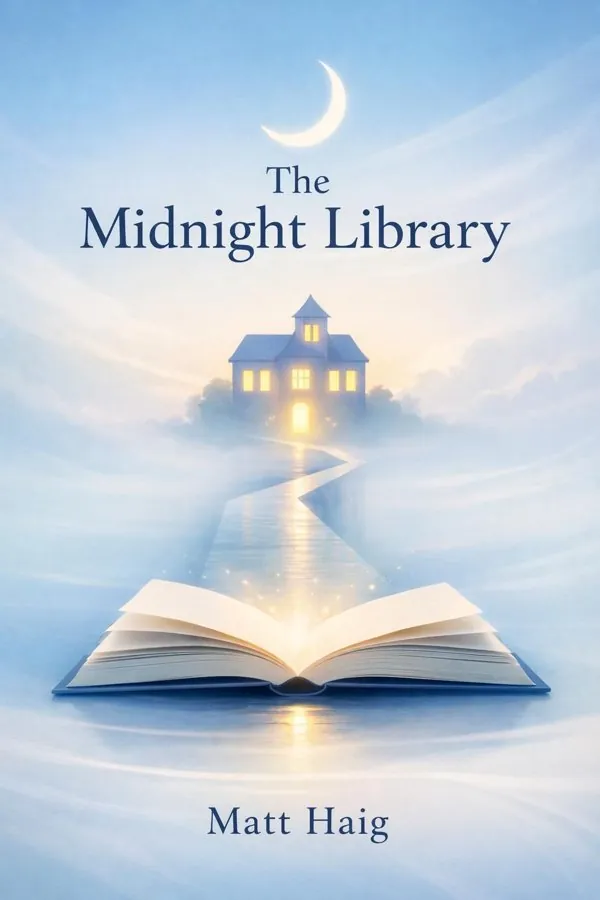
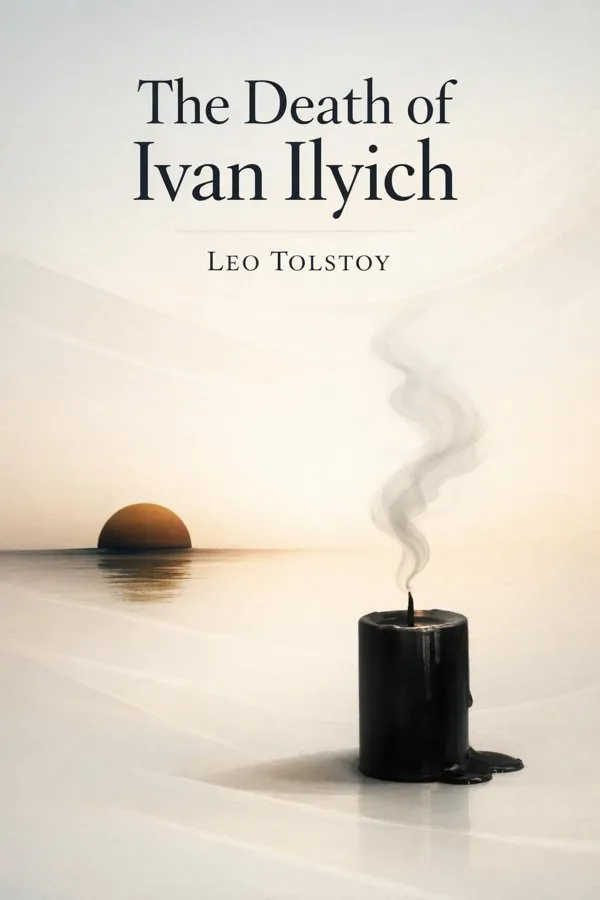
The Midnight Library
The Death of Ivan Ilyich
In-Depth Analysis
Matt Haig’s The Midnight Library and Leo Tolstoy’s The Death of Ivan Ilyich are both novels of existential reckoning, but they approach the crisis of a human life from opposite directions. Haig begins at the brink of self-erasure and imagines a metaphysical space in which regret can be tested, revised, and finally released. Tolstoy begins with social success and strips it bare through terminal illness, revealing a life built on convention rather than truth. Both books ask what makes life worth living, yet one frames the answer through possibility and emotional repair, while the other frames it through suffering, exposure, and moral judgment.
The most obvious contrast is structural. The Midnight Library is built on multiplicity. Nora Seed enters a library between life and death where each book opens into an alternative version of the life she might have lived if she had made different choices. One life makes her a glaciologist, another a successful musician, another an Olympic swimmer, another a wife and mother. The narrative engine is comparative: each new life tests one of Nora’s major regrets. She believes, for instance, that if she had stayed with her band, pursued elite athletics, or committed to a different relationship, she might have found stable meaning. But each incarnation reveals hidden costs, compromises, griefs, or estrangements. The novel’s thesis emerges through repetition: no alternate life can eliminate human limitation.
Tolstoy’s structure is almost the reverse. The Death of Ivan Ilyich narrows rather than expands. It opens with Ivan’s death already announced and with his colleagues reacting not with grief but with calculations about promotions and social obligations. This bitter opening immediately situates Ivan inside a world of professional decorum and moral shallowness. The novella then moves backward and inward, showing how Ivan constructed a respectable life—career advancement, a proper marriage, tasteful furnishings—only for illness to reveal the emptiness beneath that smooth surface. Where Haig disperses the self across many possible lives, Tolstoy compresses the self into one inescapable body moving toward death.
Their protagonists also differ in how they misunderstand themselves. Nora is defined by regret and depressive absolutism. She believes her life is uniquely ruined, and she mythologizes roads not taken. Her error is counterfactual idealization: she assumes the unlived life is coherent, superior, and somehow free from pain. The library becomes a corrective to fantasy. In one of the novel’s most important insights, the supposedly better life often contains losses she could never have predicted from the outside. A glamorous or accomplished version of existence does not automatically produce intimacy, peace, or self-respect.
Ivan’s misunderstanding is less about missed alternatives than about accepted norms. He does not dream of other lives; he takes pride in having lived the correct one. Tolstoy’s attack is therefore more severe. Ivan’s marriage is arranged around convenience and appearances, his career around advancement, his domestic life around propriety. Even his pleasure in furnishing a new house becomes morally revealing: aesthetics and order are substitutes for depth. Once illness arrives, the falsity of this arrangement becomes unbearable. The medical consultations mirror the superficiality of his earlier life—formal language, procedural seriousness, no true human encounter. Ivan wants honesty about death, but everyone around him protects social comfort instead.
This difference leads to distinct emotional effects. Haig writes toward consolation. The Midnight Library acknowledges despair, but it is built to move readers toward relief. The presence of Mrs. Elm as a guide, the logic of the library, and the sequence of alternative lives all create a therapeutic pattern. Readers are invited to recognize themselves in Nora’s regrets and then loosen their grip on them. The book’s emotional promise is that one may return to ordinary life with renewed willingness to inhabit it.
Tolstoy offers no such soft landing. The Death of Ivan Ilyich is terrifying because it suggests that a life can be widely admired and still fundamentally miss the truth. Ivan’s pain is not only physical but metaphysical: he begins to suspect, against all his habits, that he has not lived as he should have. One of the novella’s most devastating contrasts is between the artificiality of his family’s responses and the simple compassion of Gerasim, the servant who helps support Ivan’s legs and acknowledges openly that dying is natural. In Gerasim, Tolstoy gives us the moral center absent from Ivan’s polished world. Genuine human presence, not status, becomes the standard of reality.
The books also differ in philosophical ambition. Haig’s thought is broad and democratic. He translates existential concerns into a narrative device accessible to contemporary readers, especially those wrestling with mental health, regret, or stalled identity. The idea that every life includes sorrow is not radically new, but the novel packages it with unusual clarity and emotional generosity. Tolstoy, by contrast, is not merely asking readers to feel better about their choices. He is interrogating the entire framework by which bourgeois society defines a good life. Success, taste, duty, and even medicine are shown to be capable of masking spiritual emptiness. His insight cuts deeper because it implicates not just an individual mood but a whole social order.
If The Midnight Library asks, “What if I chose differently?” then The Death of Ivan Ilyich asks, “What if the standards by which I chose were false from the beginning?” That distinction explains why Haig often feels therapeutic while Tolstoy feels revelatory. Haig helps readers survive regret; Tolstoy helps readers confront self-deception.
Taken together, the two books form a powerful dialogue. Haig reminds us that perfection is a fantasy and that life must be accepted in its incompleteness. Tolstoy reminds us that acceptance is not enough if the life being accepted is built on evasion, vanity, and moral sleepwalking. One heals the imagination; the other judges the soul. Both are valuable, but they leave very different marks on the reader.
Side-by-Side Comparison
| Aspect | The Midnight Library | The Death of Ivan Ilyich |
|---|---|---|
| Core Philosophy | The Midnight Library argues that regret distorts self-understanding and that meaning comes less from finding a perfect life than from inhabiting one imperfect life more consciously. Nora’s movement through alternate lives becomes a philosophical exercise in self-acceptance rather than optimization. | The Death of Ivan Ilyich presents a harsher moral vision: a socially successful life can still be spiritually false if it is organized around status, propriety, and comfort. Tolstoy insists that authentic living requires moral truth, compassion, and a confrontation with death stripped of illusion. |
| Writing Style | Matt Haig writes in a clear, accessible, contemporary style that blends speculative fantasy with direct emotional narration. The prose is deliberately uncluttered, often aphoristic, and designed to make existential themes feel immediate and readable. | Tolstoy’s novella is concise but psychologically dense, moving with classical control from social satire to metaphysical terror. The style is more restrained and ironical, especially in its opening treatment of Ivan’s colleagues, before turning inward toward agony and revelation. |
| Practical Application | The novel invites readers to rethink counterfactual regret: the life not chosen is not necessarily the better one. Its practical takeaway is therapeutic, encouraging gratitude, perspective, and gentler self-judgment. | Tolstoy offers a moral rather than therapeutic application, pushing readers to examine whether their ambitions, relationships, and habits are genuinely lived or merely socially performed. The book can prompt deep self-audit about careerism, family life, and the denial of mortality. |
| Target Audience | This book suits readers who enjoy emotionally driven contemporary fiction, accessible philosophy, and redemptive narratives about depression, regret, and second chances. It also works well for readers who are newer to literary fiction but want meaningful themes without stylistic difficulty. | This novella is ideal for readers interested in classics, moral seriousness, and psychologically intense examinations of death. It especially rewards those willing to sit with discomfort and ambiguity rather than seek reassurance. |
| Scientific Rigor | Although it occasionally gestures toward quantum possibilities and multiverse-like thinking, the novel uses these ideas metaphorically rather than rigorously. Its authority comes from emotional plausibility, not scientific argument. | Tolstoy makes no scientific claims in the modern sense; even the medical scenes serve to expose the evasions and formalism of institutional medicine. Its rigor is ethical and psychological rather than empirical. |
| Emotional Impact | The Midnight Library aims for catharsis through recognition, offering sorrow, tenderness, and eventual hope as Nora discovers that every life contains losses. Many readers experience it as consoling because it reframes failure without denying pain. | The Death of Ivan Ilyich hits with escalating dread, humiliation, and finally a severe kind of grace. Its emotional force comes from watching Ivan’s terror sharpen into insight as he realizes that those around him prefer decorum to honesty. |
| Actionability | Its lessons are easy to translate into everyday reflection: stop idealizing unlived alternatives, notice the value of your present life, and revise your narrative of regret. Readers can immediately apply its mindset to personal disappointments. | Its actionability is less procedural but more radical, asking readers to change how they measure a life. It pushes one toward difficult actions—honest relationships, moral seriousness, and less dependence on social approval. |
| Depth of Analysis | Haig explores existential questions through a high-concept narrative device, but the analysis often remains broad and reader-friendly rather than philosophically intricate. The novel is strongest in emotional synthesis, not in sustained metaphysical complexity. | Tolstoy compresses extraordinary depth into a short work, exposing legal bureaucracy, marriage, class performance, bodily suffering, and spiritual crisis. Ivan’s interior collapse becomes a profound analysis of self-deception under the pressure of death. |
| Readability | Highly readable and fast-paced, the novel uses short chapters and a premise that naturally pulls the reader forward. Even heavy themes are presented in digestible scenes and emotionally legible turns. | Despite being short, the novella can feel heavier because its subject matter is unrelenting and its irony depends on close attention. Still, its narrative is clear, and its brevity makes it approachable for readers willing to engage seriously. |
| Long-term Value | The Midnight Library has enduring value as a comfort read and as a gateway text for conversations about regret, depression, and purpose. Its ideas may remain with readers during moments of life reevaluation. | The Death of Ivan Ilyich tends to deepen with age and rereading because its central question—whether one’s life has been truly lived—grows sharper over time. It is a canonical work precisely because it continues to unsettle and illuminate. |
Key Differences
Possibility vs. Finality
The Midnight Library is structured around endless alternatives: Nora can try on multiple unlived lives and compare them. The Death of Ivan Ilyich offers no such elasticity; Ivan’s illness makes time and choice feel brutally finite, which gives the novella its suffocating intensity.
Therapeutic Insight vs. Moral Judgment
Haig’s novel works like a guided emotional reframing of regret, showing Nora that self-condemnation is often built on fantasy. Tolstoy is less interested in easing pain than in judging the hollowness of a socially approved life, especially one organized around rank, propriety, and appearances.
Contemporary Accessibility vs. Classical Compression
The Midnight Library uses plain, inviting prose and a speculative device that makes its themes easy to grasp quickly. Tolstoy achieves greater density in fewer pages, compressing social critique, bodily terror, and spiritual crisis into a tightly controlled classical form.
Regret as Plot Engine vs. Illness as Revelation
Nora’s regrets drive every major episode, from athletic ambition to romance to career reinvention, because each alternate life tests an imagined better outcome. In Tolstoy, the real revelation comes not from revisiting choices but from illness stripping away the lies Ivan has lived by.
Hopeful Re-entry into Life vs. Severe Awakening at Death
Haig’s novel ultimately points back toward living, with Nora learning to value her actual life despite its pain and incompleteness. Tolstoy’s novella allows insight to emerge only at the edge of death, making redemption feel narrower, harder, and more tragic.
Individual Psychology vs. Social Critique
The Midnight Library focuses primarily on Nora’s inner landscape—her depression, disappointments, and self-narratives. The Death of Ivan Ilyich broadens the lens to expose a whole social world of bureaucrats, doctors, and family members whose manners conceal indifference and fear.
Metaphysical Device vs. Realist Precision
Haig relies on an imaginative liminal setting—the library between life and death—to externalize psychological and philosophical questions. Tolstoy needs no fantasy mechanism; realist details like medical examinations, drawing-room conversations, and Ivan’s physical pain generate the metaphysical weight.
Who Should Read Which?
Reader struggling with regret, burnout, or the feeling that one wrong choice ruined everything
→ The Midnight Library
Nora’s journey directly addresses the fantasy that happiness exists in some alternate version of your life. The novel’s accessible form and compassionate tone make it especially useful for readers seeking emotional clarity rather than harsh judgment.
Reader who wants a classic that confronts death, meaning, and social hypocrisy with maximum seriousness
→ The Death of Ivan Ilyich
Tolstoy offers a far more uncompromising examination of what it means to realize, under the pressure of dying, that one may not have lived truthfully. It is ideal for readers who want literature that unsettles and transforms rather than reassures.
Book club or discussion-oriented reader looking for rich thematic conversation
→ The Midnight Library
Its alternate-life premise naturally sparks debate about regret, identity, success, and whether different choices would really produce fulfillment. While Tolstoy may yield deeper literary discussion, Haig often generates broader participation because readers can easily map Nora’s dilemmas onto their own lives.
Which Should You Read First?
Read The Midnight Library first if you want an easier entry into existential fiction. Its speculative structure gives readers a familiar contemporary hook: the fantasy of revisiting life choices and discovering what might have happened. Because the prose is straightforward and the emotional arc moves toward hope, it prepares you to think about mortality, regret, and purpose without immediately demanding the severity of a classic tragic work. Then read The Death of Ivan Ilyich. Tolstoy will feel sharper and more destabilizing after Haig because he removes the safety net of alternative lives. Once you have seen Haig dismantle the illusion that another choice guarantees happiness, Tolstoy can take you further by asking whether the values behind your choices were ever sound. That sequence creates a productive progression: first from regret to acceptance, then from acceptance to moral scrutiny. If, however, you are already comfortable with classics and want the strongest work first, start with Tolstoy and treat Haig as a more contemporary echo of related concerns.
Want the full summary?
Get instant access to this book summary and 100K+ more with Fizz Moment.
Get Free SummaryAvailable on App Store • Free to download
Frequently Asked Questions
Is The Midnight Library better than The Death of Ivan Ilyich for beginners?
For most beginners, The Midnight Library is the easier starting point. Its contemporary prose, short chapters, and high-concept premise make difficult themes like suicide, regret, and purpose feel narratively approachable. The Death of Ivan Ilyich is also short, but its emotional severity and moral intensity can be more challenging because Tolstoy offers less reassurance and more confrontation. If by “better for beginners” you mean easier to read and emotionally process, Haig usually wins. If you mean more profound as an introduction to serious literary themes, Tolstoy may ultimately offer the richer first classic.
Which book handles mortality more powerfully: The Midnight Library or The Death of Ivan Ilyich?
The Death of Ivan Ilyich handles mortality more powerfully in the strict literary sense because death is not a premise or backdrop but the central pressure that exposes the falseness of Ivan’s life. Tolstoy’s portrayal of physical decline, fear, denial, and the social discomfort surrounding the dying remains devastatingly precise. The Midnight Library treats mortality more as a threshold that opens a speculative inquiry into regret and possibility. Haig is often moving, especially in showing how despair narrows perception, but Tolstoy is unmatched in depicting what the approach of death does to self-deception and moral consciousness.
What are the main philosophical differences between The Midnight Library and The Death of Ivan Ilyich?
The Midnight Library is fundamentally about regret, unrealized possibility, and the discovery that no alternative life would be free of pain. Its philosophy leans toward self-forgiveness and existential gratitude. The Death of Ivan Ilyich is about authenticity, moral falseness, and the terror of realizing too late that one has lived according to social expectations rather than truth. Haig asks readers to stop idealizing other versions of themselves; Tolstoy asks whether the self they have become is ethically real at all. One is therapeutic in orientation, the other moral and spiritual.
Should I read The Midnight Library or The Death of Ivan Ilyich if I want a book about regret and life choices?
If your main interest is regret and life choices, The Midnight Library is the more direct match. Nora literally revisits lives built from different decisions, so the novel dramatizes the fantasy that a single better choice could have fixed everything. It is especially strong on the psychological habit of overvaluing roads not taken. The Death of Ivan Ilyich also concerns life choices, but more indirectly. Ivan’s tragedy is not that he chose the wrong hobby or relationship at a turning point; it is that he accepted an entire social script without examining whether it led to genuine life.
Is The Death of Ivan Ilyich too bleak compared with The Midnight Library?
It is certainly bleaker in atmosphere, but not merely bleak. Tolstoy’s novella contains a hard-won form of illumination in Ivan’s final inner shift, when he begins to move beyond self-pity and toward compassion and truth. Still, readers looking for comfort will usually find The Midnight Library more emotionally supportive because it guides Nora toward renewed desire to live. Tolstoy offers less emotional cushioning and more spiritual exposure. So yes, it is darker, but its darkness is purposeful: it clears away illusion so that a different kind of grace can appear.
Which has more long-term reread value: The Midnight Library or The Death of Ivan Ilyich?
The Death of Ivan Ilyich generally has greater reread value because its social satire, psychological nuance, and metaphysical questions deepen as readers age. A younger reader may notice Ivan’s fear; an older one may recognize the seductions of propriety, careerism, and denial. The Midnight Library also rewards rereading, especially during periods of transition or regret, because its message about unlived possibilities can feel newly relevant at different life stages. But Tolstoy’s novella tends to expand more dramatically over time, partly because it interrogates not only emotion but the structure of an entire way of living.
The Verdict
If you want the more accessible, immediately comforting, and conversation-friendly book, choose The Midnight Library. Matt Haig takes existential distress—especially regret, depression, and the temptation to imagine that another life would have solved everything—and turns it into a compassionate narrative experiment. It is not philosophically exhaustive, but it is emotionally effective, highly readable, and often genuinely helpful for readers who feel trapped by roads not taken. If you want the more profound, unsettling, and enduring literary achievement, choose The Death of Ivan Ilyich. Tolstoy’s novella is sharper in its diagnosis of self-deception, more exact in its psychological observation, and more radical in the questions it asks about success, family, illness, and authenticity. It does not aim to soothe; it aims to reveal. For that reason, it often lingers longer. On pure literary depth, Tolstoy is the stronger writer and The Death of Ivan Ilyich is the more essential work. On accessibility and immediate emotional resonance for contemporary readers, The Midnight Library has the advantage. Ideally, read both: Haig can help you examine your regrets, while Tolstoy can help you examine the standards by which you have built your life. If forced to recommend one universally, I would give the edge to The Death of Ivan Ilyich for its unmatched moral seriousness and lasting interpretive power.
Related Comparisons
Want to read both books?
Get AI-powered summaries of both The Midnight Library and The Death of Ivan Ilyich in just 20 minutes total.