
The Mountain Is You vs The Gifts of Imperfection: Which Should You Read?
A detailed comparison of The Mountain Is You by Brianna Wiest and The Gifts of Imperfection by Brene Brown. Discover the key differences, strengths, and which book is right for you.
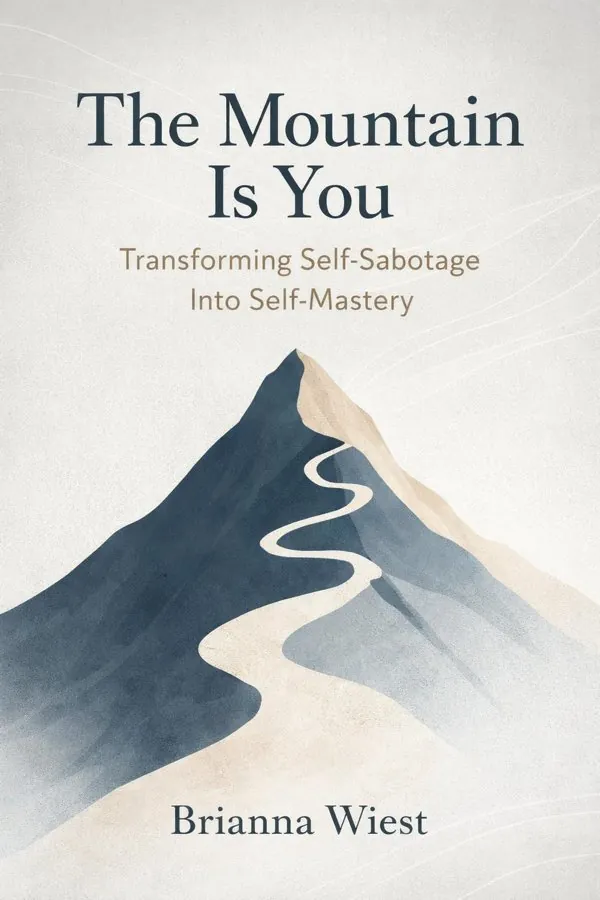
The Mountain Is You
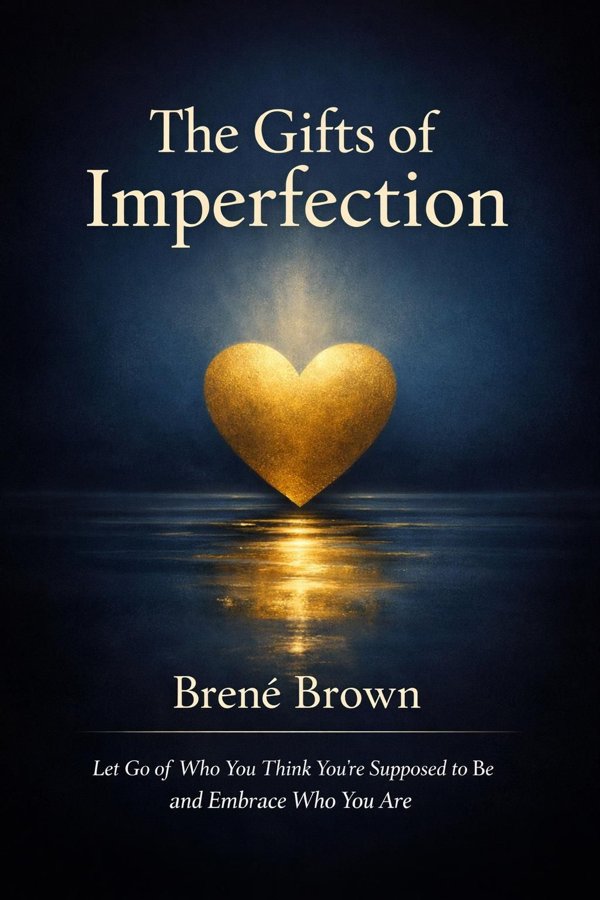
The Gifts of Imperfection
In-Depth Analysis
Both Brianna Wiest’s 'The Mountain Is You' and Brené Brown’s 'The Gifts of Imperfection' occupy influential positions in the self-help genre, yet they diverge sharply in their philosophical underpinnings, methodologies, and practical applications. Wiest’s work is fundamentally introspective, inviting readers to explore the labyrinth of their own internal barriers with the assertion that 'the mountain is you.' Her central thesis is that self-sabotage is not a sign of weakness, but rather a misguided effort at self-protection. Through this lens, Wiest encourages readers to identify their limiting beliefs, emotional triggers, and the subconscious fears that fuel cycles of self-defeat.
Wiest structures her book into five parts, beginning with recognizing self-sabotage and culminating with reframing thought patterns. She uses a blend of narrative storytelling and poetic prose, punctuated by reflective exercises. For example, in the section on facing pain and fear, Wiest writes, 'You are not afraid of the mountain; you are afraid of what climbing it will demand.' This evocative style is designed to provoke deep emotional engagement, helping readers unearth the roots of their behaviors. However, her approach leans heavily on personal insight and philosophical musings, relying less on external research or empirical validation.
In contrast, Brown’s 'The Gifts of Imperfection' is built on a decade of qualitative research into shame, vulnerability, and resilience. Brown’s methodology is rooted in grounded theory, conducting interviews and analyzing narratives to extract universal themes. Her ten guideposts for wholehearted living—such as 'Cultivating Authenticity' and 'Letting Go of Perfectionism'—are distilled from this research. Brown’s tone is conversational and accessible, often sharing her own struggles with perfectionism. She writes, 'Owning our story and loving ourselves through that process is the bravest thing we will ever do,' encapsulating her message of self-acceptance.
The philosophical differences are pronounced. Wiest posits that self-sabotage is a signal to be decoded—a call to examine the ways we undermine ourselves in service of outdated emotional needs. Her focus is on transformation through deep self-awareness and emotional alchemy. For instance, she encourages readers to 'sit with discomfort' and identify the payoffs of self-sabotage, such as avoiding risk or maintaining familiarity. This process is introspective and, for some, potentially challenging.
Brown, meanwhile, frames imperfection as an inherent aspect of being human. Her research demonstrates that the pursuit of perfection fuels shame and disconnection, while embracing vulnerability cultivates resilience and connection. The ten guideposts are structured as actionable shifts, like 'Cultivating Gratitude and Joy: Letting Go of Scarcity and Fear of the Dark.' Brown’s guideposts are intentionally non-linear, inviting readers to revisit them throughout their lives.
Practically, Wiest’s book provides exercises and reflective prompts, but these often require deep introspection and a willingness to confront uncomfortable truths. For readers ready to excavate their own psychology, this can be transformative. For example, in 'Cultivating Self-Awareness,' Wiest suggests journaling on emotional triggers and mapping out patterns of avoidance. Brown’s practical tools are more externalized and community-oriented. She recommends practices like gratitude journaling, setting boundaries, and engaging in creative expression as means to build shame resilience and foster connection.
In terms of scientific rigor, Brown’s work is more robustly anchored in research. She cites her qualitative studies and contextualizes her findings within broader psychological literature. Wiest’s insights, while resonant, are derived from synthesis and personal observation rather than formal studies.
The emotional impact of each book also differs. 'The Mountain Is You' is likely to provoke catharsis for readers grappling with persistent self-sabotage, offering hope through the promise of self-mastery. 'The Gifts of Imperfection' delivers comfort and inspiration by normalizing struggle and affirming that vulnerability is not a liability but a source of strength.
Ultimately, both books offer enduring value, but they serve readers at different points in their journeys. Wiest’s work is a call to deep, sometimes challenging introspection, while Brown’s is an invitation to compassionate self-acceptance and connection. The choice between them depends on whether the reader seeks transformation through internal excavation or through the embrace of imperfection and belonging.
Side-by-Side Comparison
| Aspect | The Mountain Is You | The Gifts of Imperfection |
|---|---|---|
| Core Philosophy | The Mountain Is You centers on the idea that self-sabotage is a form of self-protection and that by understanding and dismantling our internal obstacles, we can achieve self-mastery. | The Gifts of Imperfection is grounded in the belief that embracing vulnerability and imperfection is the key to wholehearted living, emphasizing self-acceptance and authenticity over striving for perfection. |
| Writing Style | Brianna Wiest employs an introspective, poetic, and motivational tone, often blending personal anecdotes with actionable advice. | Brené Brown uses a warm, conversational style backed by research, weaving in personal stories and empirical findings to make her points relatable and credible. |
| Practical Application | Wiest offers step-by-step strategies for identifying and overcoming self-sabotaging behaviors, with reflective exercises and prompts for self-examination. | Brown provides ten clear guideposts for practice, each with actionable suggestions for building courage, compassion, and connection in daily life. |
| Target Audience | Ideal for readers seeking to understand and break free from self-defeating cycles, especially those interested in deep emotional introspection. | Best suited for individuals striving to let go of perfectionism and embrace vulnerability, including those drawn to evidence-based self-help. |
| Scientific Rigor | Wiest's approach is largely experiential and anecdotal, drawing from psychological concepts but without heavy reference to empirical research. | Brown’s work is deeply rooted in her qualitative research on shame, vulnerability, and resilience, frequently citing her studies and data. |
| Emotional Impact | The Mountain Is You is emotionally evocative, encouraging readers to confront pain and fear directly, often resulting in catharsis. | The Gifts of Imperfection inspires hope and self-compassion by normalizing struggle and encouraging readers to embrace their whole selves. |
| Actionability | Practical exercises are woven throughout, though some suggestions may be broadly framed or require deep self-reflection to implement. | Brown’s guideposts are explicit and actionable, making it easy for readers to apply her insights immediately to their lives. |
| Depth of Analysis | Wiest delves deeply into inner conflict and emotional triggers, offering nuanced insights into the roots of self-sabotage. | Brown’s analysis is thorough, drawing on years of research to dissect the cultural and psychological underpinnings of perfectionism and shame. |
| Long-term Value | Provides a framework for ongoing self-exploration and growth, valuable for those willing to revisit and deepen their self-awareness over time. | The guideposts serve as enduring principles that readers can return to repeatedly as they navigate different life stages. |
| Readability | Wiest’s poetic style may resonate more with reflective readers but could feel abstract to those preferring direct, research-based approaches. | Brown’s accessible language and structured guideposts make her work highly readable and approachable for a broad audience. |
Key Differences
Philosophical Focus
'The Mountain Is You' centers on overcoming self-sabotage through self-mastery, while 'The Gifts of Imperfection' emphasizes embracing vulnerability and imperfection as pathways to wholehearted living.
Research Foundation
Brown’s book is grounded in extensive qualitative research and data, whereas Wiest relies on personal insight, psychological concepts, and experiential wisdom.
Writing Style
Wiest adopts a poetic, introspective style that encourages deep reflection, while Brown uses a conversational, accessible tone with clear guideposts and relatable anecdotes.
Practical Tools
'The Mountain Is You' offers introspective exercises and prompts geared toward understanding inner conflict, while 'The Gifts of Imperfection' features ten structured guideposts with actionable practices for daily life.
Primary Audience
Wiest’s book is suited for readers ready for deep emotional work and self-examination, whereas Brown’s is ideal for those seeking evidence-based strategies to build self-compassion and resilience.
Emotional Approach
'The Mountain Is You' provokes catharsis by encouraging the confrontation of pain and fear, while 'The Gifts of Imperfection' creates a sense of comfort and community through shared human experience.
Scope of Content
Wiest focuses specifically on self-sabotage and its roots, while Brown addresses a broader range of issues including perfectionism, shame, and the pursuit of authenticity.
Who Should Read Which?
The Overwhelmed Beginner
→ The Gifts of Imperfection
Brown’s approachable tone, research-based insights, and clearly defined guideposts make this book ideal for readers just starting their self-help journey. It offers practical tools and emotional reassurance without overwhelming the reader with introspective demands.
The Deep Diver
→ The Mountain Is You
For those ready to confront longstanding patterns of self-sabotage and interested in deep emotional introspection, Wiest’s book provides the philosophical depth and reflective exercises necessary for transformative personal growth.
The Evidence-Seeker
→ The Gifts of Imperfection
Readers who value empirical research and actionable frameworks will appreciate Brown’s data-driven approach and practical, guidepost-oriented structure, which provides both credibility and clear steps for personal development.
Which Should You Read First?
For readers new to self-help or those seeking a welcoming entry point, it is advisable to start with 'The Gifts of Imperfection.' Brown’s structured guideposts, accessible language, and research-backed insights provide a solid foundation for developing self-compassion and understanding the importance of vulnerability. This groundwork can make the more introspective and emotionally demanding journey in 'The Mountain Is You' less daunting and more fruitful, as readers will have already begun to accept their imperfections and build resilience. For those already familiar with self-help concepts or actively seeking to dismantle patterns of self-sabotage, beginning with Wiest’s book may offer more immediate relevance. However, even experienced readers may benefit from starting with Brown’s work to establish a compassionate mindset before delving into the deep emotional excavation required by Wiest. Ultimately, reading Brown first and Wiest second creates a logical progression from embracing imperfection to mastering the self.
Want the full summary?
Get instant access to this book summary and 100K+ more with Fizz Moment.
Get Free SummaryAvailable on App Store • Free to download
Frequently Asked Questions
Is 'The Mountain Is You' better than 'The Gifts of Imperfection' for beginners to self-help books?
'The Gifts of Imperfection' is often more accessible for beginners due to its structured guideposts, conversational tone, and reliance on research-backed principles. Brené Brown’s approachable language and relatable anecdotes make the concepts easy to grasp, even for those new to personal development. In contrast, 'The Mountain Is You' delves deeply into introspective exercises and uses a more poetic style, which might be challenging for newcomers. Beginners may benefit from starting with Brown’s book before moving on to Wiest’s more introspective and emotionally demanding approach.
Which book offers more actionable steps for overcoming self-sabotage?
'The Mountain Is You' is specifically designed to address self-sabotage, offering readers reflective exercises, journaling prompts, and strategies for identifying and transforming limiting beliefs. While 'The Gifts of Imperfection' provides actionable guideposts for living authentically, its focus is broader—addressing perfectionism, shame, and vulnerability. If your primary concern is self-sabotage, Wiest’s book provides more targeted, step-by-step strategies for breaking these patterns.
How do the scientific foundations of 'The Mountain Is You' and 'The Gifts of Imperfection' compare?
'The Gifts of Imperfection' stands out for its scientific rigor, as it is grounded in Brené Brown’s extensive qualitative research on shame, vulnerability, and resilience. Brown frequently references her studies and draws conclusions based on empirical data. In contrast, 'The Mountain Is You' is more experiential and philosophical, drawing from psychological concepts but relying primarily on the author’s synthesis and personal observations rather than formal research studies.
For readers struggling with perfectionism, which book is more suitable?
'The Gifts of Imperfection' is the definitive choice for readers grappling with perfectionism. Brown’s entire framework is dedicated to dismantling the myth of perfection and replacing it with self-compassion, authenticity, and connection. Her ten guideposts provide concrete strategies for letting go of the illusion of 'should' and embracing one’s whole self. While 'The Mountain Is You' touches on perfectionism as a component of self-sabotage, it does not address it as comprehensively or directly as Brown’s work.
Do either of these books provide long-term frameworks for personal growth?
Both books offer frameworks intended for long-term personal development. 'The Mountain Is You' encourages ongoing self-exploration and repeated introspection to overcome new layers of self-sabotage as they arise. 'The Gifts of Imperfection' introduces ten guideposts that readers can return to repeatedly as their lives and challenges evolve. Brown’s principles are particularly well-suited for continual application, serving as reminders to practice self-compassion and authenticity throughout life.
Which book is better for readers seeking a research-based approach to self-help?
'The Gifts of Imperfection' is the superior choice for readers who prioritize research-backed frameworks. Brené Brown’s work is deeply rooted in her academic research, blending empirical findings with practical advice. Those who value data and scientific credibility will find her approach more robust and reassuring compared to the more experiential and anecdotal style of 'The Mountain Is You.'
The Verdict
Both 'The Mountain Is You' by Brianna Wiest and 'The Gifts of Imperfection' by Brené Brown are transformative self-help books, yet their impact depends largely on the reader’s specific needs and readiness for introspection or change. Wiest’s book is best suited for those who are ready to confront the roots of their self-sabotage head-on and are comfortable with deep self-reflection. Its poetic language and introspective exercises provide a framework for readers seeking to break through personal obstacles and achieve self-mastery. This is especially beneficial for individuals who have identified recurring self-defeating patterns and are seeking targeted strategies for transformation. Brown’s 'The Gifts of Imperfection,' on the other hand, is ideal for readers seeking a research-backed, compassionate guide to embracing vulnerability and imperfection. Its structured, accessible guideposts and practical exercises make it highly approachable, especially for beginners or those struggling with perfectionism and shame. Brown’s warmth and empirical insights create a supportive environment for personal growth, making her book a modern classic in the genre. In summary, readers seeking depth, introspection, and a focus on self-sabotage will gain the most from Wiest’s book, while those desiring a scientifically grounded, compassionate, and practical approach to living authentically will find Brown’s work invaluable.
Related Comparisons



Want to read both books?
Get AI-powered summaries of both The Mountain Is You and The Gifts of Imperfection in just 20 minutes total.