
The Mountain Is You vs Daring Greatly: Which Should You Read?
A detailed comparison of The Mountain Is You by Brianna Wiest and Daring Greatly by Brené Brown. Discover the key differences, strengths, and which book is right for you.
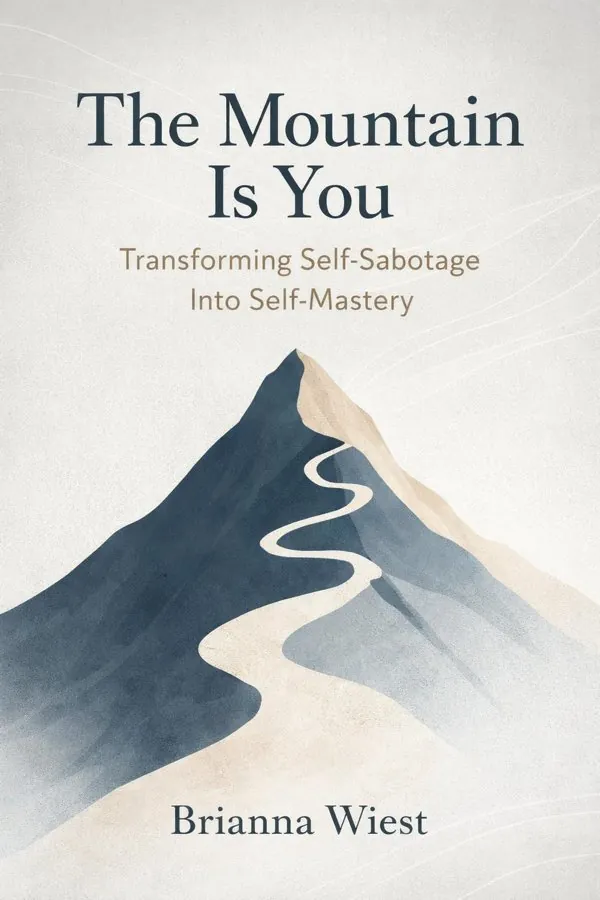

The Mountain Is You
Daring Greatly
In-Depth Analysis
Although The Mountain Is You by Brianna Wiest and Daring Greatly by Brené Brown belong to adjacent corners of the nonfiction landscape, they diagnose human struggle from different angles. Wiest is primarily concerned with why people undermine themselves from within; Brown is concerned with why people protect themselves so fiercely that they stop living fully. Both books are, in effect, about defense mechanisms. The difference is that Wiest examines the self-defeating consequences of those defenses inside the individual psyche, while Brown studies their relational and cultural consequences in families, workplaces, and communities.
The Mountain Is You begins from a psychologically intuitive premise: self-sabotage is not random incompetence. It is often a learned strategy of emotional protection. This idea is crucial because it reframes behaviors like procrastination, perfectionism, inconsistency, and emotional volatility. Rather than asking, “What is wrong with me?” Wiest asks, “What is this pattern trying to protect me from?” That move gives the book its therapeutic feel. When she describes inner conflict as a split between the part of the self that wants growth and the part that clings to familiar pain, she captures a common but difficult-to-articulate experience: people often prefer predictable suffering to uncertain freedom. A reader who keeps delaying a career change, sabotaging stable relationships, or abandoning good routines can see those behaviors not as evidence of laziness, but as attempts to avoid the vulnerability of change.
Brown’s Daring Greatly makes a parallel but distinct argument. Instead of centering self-sabotage, Brown centers vulnerability and shame. Her claim is that uncertainty, emotional exposure, and risk are not signs of weakness; they are the conditions under which courage, love, innovation, and belonging become possible. Where Wiest says, in effect, “your obstacle may be your own protective pattern,” Brown says, “your armor may be keeping you safe from pain, but it is also cutting you off from a wholehearted life.” Her language of the “arena,” borrowed from Theodore Roosevelt, is especially important because it turns emotional openness into an act of courage rather than confession. To love, create, lead, parent, apologize, or ask for help is to step into the arena and risk judgment.
One major difference between the books lies in the object of analysis. Wiest is intrapsychic. She examines patterns of thought, fear, and emotional avoidance inside the self. Her emphasis on self-awareness, pain tolerance, and reframing thought patterns makes the book especially valuable for readers who feel trapped in repetitive internal cycles. The focus is less on social systems and more on private emotional mechanics. Brown, by contrast, is relational and cultural. Shame in Daring Greatly is not merely an internal feeling; it is a social force reinforced by expectations around perfection, stoicism, performance, and control. Brown’s discussion of “armor” shows how people use cynicism, numbing, perfectionism, and emotional withdrawal to avoid being hurt. These are internal strategies, but they are triggered and sustained in relationship to other people.
That distinction also affects how each book feels in practice. The Mountain Is You reads like an extended mirror. It is strongest when a reader is trying to decode a recurring personal pattern: Why do I ruin momentum when things are going well? Why do I avoid what I most want? Why do I keep choosing what is familiar over what is healthy? Wiest’s answer is often that the nervous system prioritizes safety over fulfillment, and the mind sustains that priority with stories and habits. Her treatment of pain avoidance is one of the book’s sharpest insights. Many self-defeating choices are not failures of ambition but strategies to avoid discomfort now, even at the cost of suffering later.
Daring Greatly, however, is stronger when the reader’s central struggle involves exposure to others: fear of criticism, fear of being ordinary, fear of emotional honesty, fear of leadership, fear of parenting imperfectly. Brown’s distinction between guilt and shame is especially clarifying here. Guilt says, “I did something bad”; shame says, “I am bad.” That distinction matters because it explains why some people can learn from mistakes while others collapse under them. Once shame becomes identity-level, people do not merely avoid failure; they avoid visibility. Brown’s emphasis on shame resilience gives readers more explicit interpersonal tools than Wiest typically does.
In terms of evidence, Brown has the advantage. Daring Greatly is more clearly shaped by research language and conceptual consistency. Readers who want named frameworks and a stronger sense of empirical grounding will likely trust Brown more quickly. Wiest is persuasive in a different way: through emotional accuracy, interpretive clarity, and the feeling that she has named an internal reality many readers already sense. Her work is more intuitive than methodological.
The two books also differ in emotional tone. Wiest often provokes painful recognition. Her central message can be confronting because it implies that the mountain to overcome is, in many cases, one’s own unresolved emotional adaptation. Brown is also confronting, but in a more reassuring register. She tells readers that the very feelings they try to hide are part of what makes deep connection possible. Brown therefore often leaves readers feeling less defective; Wiest often leaves them feeling more responsible.
Ultimately, these books complement each other well. The Mountain Is You helps readers understand why they block their own growth. Daring Greatly helps them understand what kind of courage is required to live beyond that blockage. Wiest diagnoses the internal resistance; Brown teaches the emotional posture needed to move through it. If Wiest asks readers to stop running from pain, Brown asks them to stop armoring against it. Both are valuable, but they serve slightly different moments in a reader’s development: one is for deciphering the hidden logic of self-sabotage, the other for building a life in which openness is stronger than fear.
Side-by-Side Comparison
| Aspect | The Mountain Is You | Daring Greatly |
|---|---|---|
| Core Philosophy | The Mountain Is You argues that self-sabotage is not irrational failure but a protective adaptation. Brianna Wiest frames growth as the process of understanding, integrating, and transforming the internal patterns that keep people attached to familiar pain. | Daring Greatly centers on the claim that vulnerability is the foundation of courage, intimacy, creativity, and leadership. Brené Brown argues that the real threat to a meaningful life is not weakness, but the defensive armor people build to avoid shame and uncertainty. |
| Writing Style | Wiest writes in a reflective, lyrical, and aphoristic style typical of contemporary self-help. Her language often feels intimate and emotionally interpretive, emphasizing insight and reframing over formal argumentation. | Brown writes in a warmer but more structured voice, blending storytelling, research summaries, and practical frameworks. Her prose is accessible yet grounded in recurring concepts like shame, armor, and the arena, which gives the book a clearer conceptual scaffold. |
| Practical Application | The book is most useful for readers trying to identify recurring cycles such as procrastination, perfectionism, emotional avoidance, or self-defeating relationships. Its practical value lies in helping readers trace behaviors back to unmet needs, fear responses, and internal conflict. | Brown applies her ideas broadly to parenting, marriage, work, and leadership. Readers can use her frameworks to spot shame triggers, reduce perfectionistic defenses, and practice showing up more honestly in high-risk emotional situations. |
| Target Audience | The Mountain Is You is especially suited to readers in a period of personal transition, burnout, heartbreak, or self-reinvention. It speaks most directly to those who feel stuck in patterns they can sense but have trouble naming. | Daring Greatly serves a wider audience, including professionals, parents, teams, and readers interested in emotional intelligence. It is particularly effective for people whose main struggle is fear of judgment, disconnection, or chronic self-protection. |
| Scientific Rigor | Wiest relies more on psychological insight, synthesis, and self-development reasoning than on visible empirical scaffolding. The book feels psychologically plausible and often perceptive, but it is not primarily organized as a research-driven text. | Brown’s work is much more explicitly anchored in qualitative research on shame, vulnerability, and connection. Even in a popular format, Daring Greatly presents its claims with stronger methodological framing and more clearly defined concepts. |
| Emotional Impact | The Mountain Is You often lands with the force of personal recognition: readers may feel exposed by its insistence that their habits have hidden emotional logic. Its strongest emotional effect is introspective discomfort followed by a sense of possibility. | Daring Greatly tends to be both validating and liberating, especially for readers who equate emotional exposure with failure. Brown’s discussion of shame and worthiness often creates a feeling of relief because it normalizes struggles people usually conceal. |
| Actionability | Its action steps are more inward-facing than procedural, asking readers to build self-awareness, examine thought patterns, and stop organizing life around pain avoidance. The advice is useful, but often requires self-honesty and independent reflection to operationalize. | Brown offers more clearly transferable frameworks, such as identifying one’s emotional armor, recognizing shame messages, and practicing courage in 'arena' situations. The book translates well into concrete interpersonal changes at home and at work. |
| Depth of Analysis | Wiest goes deep on the interior mechanics of self-sabotage, especially the split between the self that wants change and the self that fears it. Her analysis is strongest when explaining how destructive habits can be attempts at regulation, safety, or identity preservation. | Brown’s analysis is broader and more socially embedded, tracing how shame culture, scarcity thinking, and perfectionism shape relationships and institutions. She is less focused on one intrapsychic pattern and more interested in how vulnerability affects whole ways of living. |
| Readability | The book is easy to read in short sessions because its insights are broken into emotionally resonant passages and digestible reflections. Some readers may find its style repetitive or abstract if they prefer tightly argued chapters. | Daring Greatly is highly readable despite its conceptual seriousness, partly because Brown uses anecdotes and recurring metaphors to reinforce key points. Its chapter structure makes it easier for readers to retain and revisit specific lessons. |
| Long-term Value | The Mountain Is You has lasting value as a mirror for recurring inner resistance, particularly during moments when readers notice themselves slipping back into avoidance or self-sabotage. It is the kind of book people return to when they need emotional recalibration. | Daring Greatly offers durable value because its ideas apply repeatedly across roles and seasons of life, from career risk to intimate conversation to parenting. Brown’s frameworks for shame and vulnerability often become a long-term vocabulary for self-understanding and leadership. |
Key Differences
Inner Conflict vs Social Vulnerability
The Mountain Is You concentrates on internal division: the self that wants change versus the self that fears it. Daring Greatly focuses more on what happens when that fear meets other people, especially in moments of visibility, intimacy, criticism, and belonging.
Self-Sabotage vs Shame
Wiest’s primary lens is self-sabotage, so she interprets procrastination, avoidance, and emotional inconsistency as protective patterns. Brown’s central lens is shame, showing how fear of unworthiness drives perfectionism, numbing, and defensive behavior.
Reflective Insight vs Research Framework
The Mountain Is You relies on emotionally perceptive reflection and psychological reframing. Daring Greatly is more formally organized around research-backed concepts like vulnerability, shame resilience, and armor, which gives it a stronger theoretical backbone.
Private Healing vs Public Courage
Wiest is most effective when helping readers untangle private habits and emotional loops, such as repeatedly avoiding difficult change. Brown is most effective when asking readers to show up visibly in life, whether that means speaking honestly in a relationship or taking risks at work.
Pain Avoidance vs Armor
A core idea in The Mountain Is You is that people organize their lives around avoiding pain, even when that avoidance creates larger suffering later. In Daring Greatly, Brown gives that protective tendency a more social vocabulary by describing the armor people wear to avoid shame and emotional exposure.
Best Use Case
Choose The Mountain Is You if you are trying to understand why you keep repeating harmful patterns despite wanting better. Choose Daring Greatly if you want to build courage, emotional honesty, and resilience in relationships, leadership, or creative life.
Who Should Read Which?
The introspective reader stuck in recurring personal patterns
→ The Mountain Is You
This reader will likely benefit from Wiest’s focus on self-sabotage, inner conflict, and pain avoidance. The book is especially strong for someone who keeps repeating habits they understand intellectually but cannot seem to break emotionally.
The professional, leader, or parent working on emotional openness
→ Daring Greatly
Brown’s ideas apply naturally to leadership, family life, teamwork, and conflict. Her frameworks around vulnerability, shame, and armor give this reader language they can use immediately in relationships and high-stakes environments.
The reader who wants both emotional depth and conceptual clarity
→ Daring Greatly
While both books are insightful, Brown offers a more structured system and more visible research grounding. Readers who want to understand themselves without feeling lost in abstraction will often find Daring Greatly easier to absorb and revisit.
Which Should You Read First?
If you plan to read both, start with The Mountain Is You and follow it with Daring Greatly. Wiest works well as a diagnostic first step because she helps readers identify the hidden motives beneath self-sabotage: fear of change, attachment to familiar pain, emotional avoidance, and conflicting internal desires. That kind of self-recognition creates a strong foundation. Once you can see how your protective patterns operate, Brown’s book becomes even more useful because it offers a broader philosophy for living differently. Reading Daring Greatly second helps translate insight into posture. Brown asks what it would look like to stop armoring against judgment, uncertainty, and shame and instead show up with courage. In other words, Wiest helps you understand why you retreat, and Brown helps you practice what it means not to. If, however, you are highly skeptical of self-help and prefer a more research-grounded entry point, reverse the order. Brown may win your trust first, and Wiest may then feel more personally revealing.
Want the full summary?
Get instant access to this book summary and 100K+ more with Fizz Moment.
Get Free SummaryAvailable on App Store • Free to download
Frequently Asked Questions
Is The Mountain Is You better than Daring Greatly for beginners?
It depends on what kind of beginner you are. If you are new to self-help and your main issue is feeling stuck in recurring habits like procrastination, avoidance, perfectionism, or self-sabotaging relationships, The Mountain Is You may feel more immediately personal. It speaks directly to private inner conflict and often gives readers a strong sense of recognition. If, however, you want a more structured entry point into emotional growth with clearer concepts and stronger research framing, Daring Greatly is often better for beginners. Brown defines vulnerability, shame, and emotional armor in very accessible ways, which can make the book easier to discuss and apply.
Which book is more practical for overcoming self-sabotage: The Mountain Is You or Daring Greatly?
For the specific problem of self-sabotage, The Mountain Is You is more directly targeted. Wiest repeatedly returns to the idea that destructive habits are protective responses, and she helps readers identify the emotional payoff hidden inside behaviors that look irrational from the outside. That makes it particularly useful for people trying to understand why they derail progress. Daring Greatly is practical too, but in a broader way. Brown helps readers recognize shame, perfectionism, and emotional armoring, which often contribute to self-sabotage indirectly. So if you want direct analysis of internal resistance, choose Wiest; if you want to work on the fear and shame underneath that resistance, Brown is excellent.
Is Daring Greatly more research-based than The Mountain Is You?
Yes, Daring Greatly is noticeably more research-based in tone, structure, and authority. Brené Brown builds her argument around years of work on shame, vulnerability, and connection, and the book presents ideas as part of a larger research-informed framework. Concepts like shame resilience and vulnerability armor are defined clearly and repeated consistently. The Mountain Is You is psychologically insightful, but it feels more interpretive and reflective than empirical. Wiest’s strength is not methodological rigor but emotional diagnosis. Readers who value evidence-driven popular psychology will likely prefer Brown, while those who connect more with intuitive self-analysis may find Wiest just as transformative.
Which is more helpful for anxiety and overthinking: The Mountain Is You or Daring Greatly?
The Mountain Is You is usually more immediately helpful for anxiety-driven overthinking because it focuses on inner conflict, emotional avoidance, and the thought patterns that sustain self-defeating behavior. Wiest is especially strong on the idea that many mental loops are attempts to avoid pain, uncertainty, or identity disruption. That can resonate deeply with readers who live in analysis paralysis. Daring Greatly helps too, especially when overthinking is tied to fear of judgment, shame, or perfectionism. Brown is excellent at showing why people become hyper-controlled in order to avoid emotional exposure. In short, Wiest speaks more directly to internal looping; Brown speaks more directly to the social-emotional fear behind it.
Should I read The Mountain Is You or Daring Greatly if I struggle with perfectionism?
Both books address perfectionism, but they approach it from different directions. The Mountain Is You treats perfectionism as one expression of self-sabotage and internal fear, often tied to the need for safety, control, or avoidance of failure. It helps readers see perfectionism as a survival strategy rather than a personality trait. Daring Greatly is often stronger if your perfectionism is rooted in fear of judgment, shame, or not being enough in the eyes of others. Brown explicitly connects perfectionism to emotional armor and disconnection. If your perfectionism feels private and self-defeating, start with Wiest. If it feels social, shame-based, and tied to image management, start with Brown.
Is The Mountain Is You or Daring Greatly better for relationships and emotional intimacy?
Daring Greatly is generally better for relationships and emotional intimacy because Brown’s central concern is how shame and vulnerability shape the way people connect. Her insights apply naturally to marriage, friendship, parenting, leadership, and conflict, and she explains why people withdraw, perform, or armor up when closeness feels risky. The Mountain Is You can still help relationships by showing readers how unresolved inner conflict creates avoidance, defensiveness, and emotional inconsistency. But Wiest is more inward-facing overall. If your main goal is to become more open, courageous, and emotionally available with others, Daring Greatly is the stronger choice.
The Verdict
These two books are best seen not as rivals but as solving different parts of the same problem. The Mountain Is You is the sharper pick for readers who feel trapped in recurring cycles of self-sabotage and want to understand the hidden emotional logic beneath them. Brianna Wiest is particularly good at explaining why people cling to painful familiarity, avoid discomfort, or undermine progress just as life starts to improve. If you need a book that feels like a direct confrontation with your own patterns, this one is powerful. Daring Greatly is the better choice for readers who want a more research-informed, broadly applicable framework for courage, shame, and human connection. Brené Brown excels at translating vulnerability into something practical and honorable rather than sentimental. Her concepts are easier to carry into relationships, workplaces, and leadership contexts, and her treatment of shame is more precise and memorable. If forced to recommend just one for the average reader, Daring Greatly has the broader reach and stronger conceptual architecture. It is easier to trust, easier to discuss, and more useful across multiple areas of life. But for a reader in a deeply introspective season—especially one dealing with procrastination, inner conflict, avoidance, or repeated self-defeat—The Mountain Is You may hit harder and feel more personally transformative. Ideally, read Wiest for diagnosis and Brown for practice: first understand your defenses, then learn how to live with more courage and less armor.
Related Comparisons




Want to read both books?
Get AI-powered summaries of both The Mountain Is You and Daring Greatly in just 20 minutes total.