
Can't Hurt Me vs The Mountain Is You: Which Should You Read?
A detailed comparison of Can't Hurt Me by David Goggins and The Mountain Is You by Brianna Wiest. Discover the key differences, strengths, and which book is right for you.
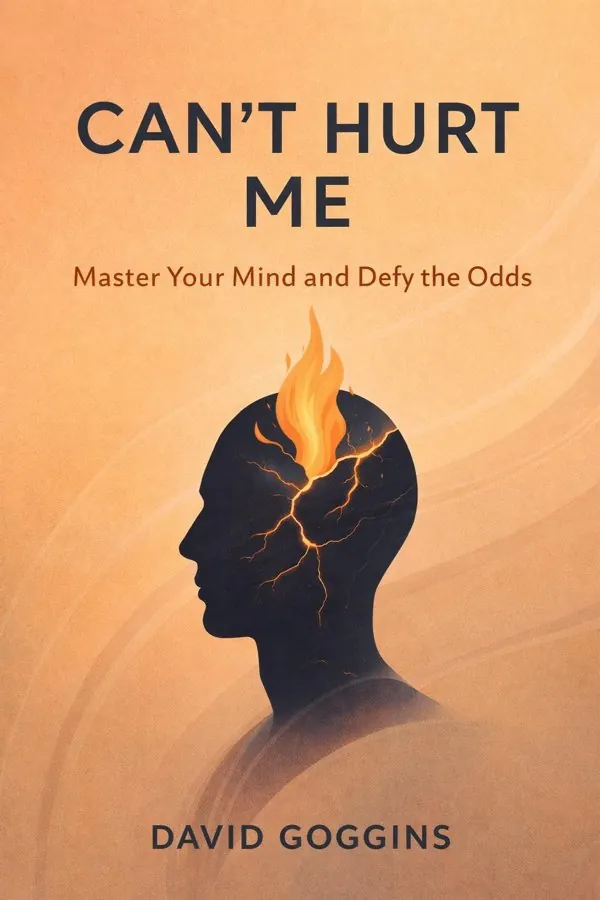
Can't Hurt Me
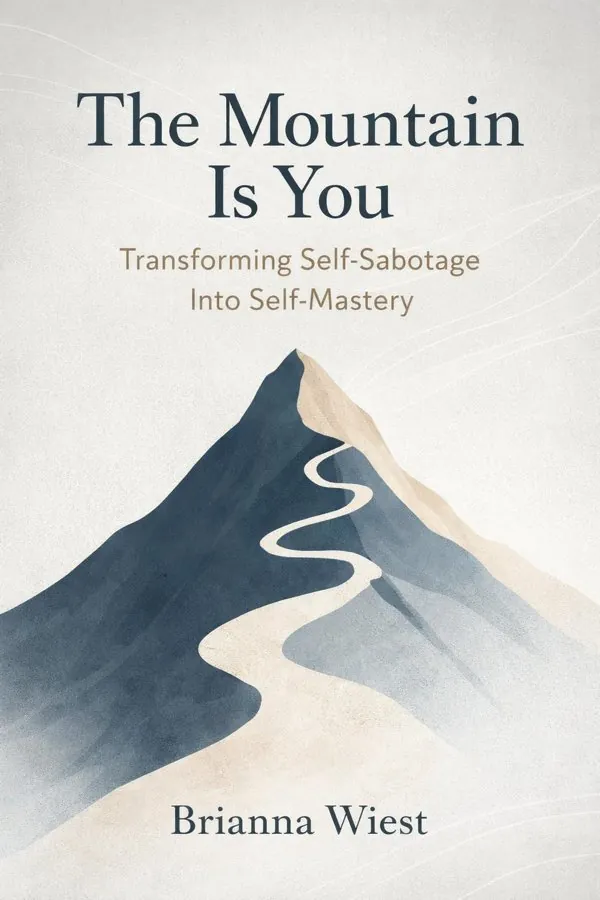
The Mountain Is You
In-Depth Analysis
David Goggins's "Can't Hurt Me" and Brianna Wiest's "The Mountain Is You" are both books about transformation, but they disagree—sometimes sharply—about what most needs to change in a person and how that change happens. Goggins believes the central human problem is surrender to weakness: excuses, comfort, fear, and the stories we tell ourselves about our limitations. Wiest believes the central problem is internal misalignment: self-sabotage rooted in emotional wounds, unconscious protection, and unexamined thought patterns. Both books ask readers to stop living passively, but one treats personal growth as war and the other as excavation.
"Can't Hurt Me" is built on autobiography. Its authority comes from ordeal. Goggins begins with a childhood defined by abuse, fear, poverty, and racism, and he makes that suffering the foundation of the book's argument: your past may injure you, but it does not have to define your ceiling. His period of obesity and hopelessness is especially important because it shows that his transformation was not linear or inevitable. He presents that phase not just as a physical decline but as evidence of what happens when a person avoids pain and settles into self-protective numbness. The dramatic turn comes when he decides to stop identifying as a victim and instead hold himself brutally accountable. From there, the book escalates through military training and endurance competition, using physical pain as a proving ground for mental freedom.
Wiest's "The Mountain Is You" is structured very differently. It is not a memoir of external achievement but a conceptual map of internal resistance. Her key claim is that self-sabotage is rarely irrational in origin; it usually begins as a protective adaptation. Someone procrastinates not because they are lazy in some essential sense, but because finishing creates exposure, judgment, or identity change. Someone clings to perfectionism because uncertainty feels unsafe. Someone repeatedly chooses destabilizing relationships because familiar pain can feel more manageable than unfamiliar peace. This is one of Wiest's strongest contributions: she gives behavior a hidden logic. Instead of condemning the self-sabotaging person as weak, she asks what that behavior is trying to prevent.
That contrast reveals the books' deepest difference. Goggins asks, "How much more can you do than you think you can?" Wiest asks, "Why are you blocking what you say you want?" Goggins's answer is to increase your tolerance for discomfort and gather evidence of your own capacity. This is where tools like the Accountability Mirror and the Cookie Jar matter. The mirror forces direct confrontation with reality; the Cookie Jar stores past victories as proof to draw on during future hardship. Both techniques are grounded in performance under stress. Wiest's equivalent tools are less theatrical but often more psychologically precise: identify the trigger, name the inner conflict, question the narrative, and stop organizing life around pain avoidance. Her method is not about defeating the self so much as understanding and retraining it.
In practical terms, the books will affect readers differently. Goggins is unusually effective for readers trapped in inertia. If someone knows exactly what they need to do but keeps shrinking from effort, "Can't Hurt Me" can function like a defibrillator. The stories of rapid weight loss, impossible training deadlines, and brutal endurance feats create a contagious sense that ordinary limits are often negotiated rather than fixed. The weakness of this approach is that it can imply that discipline is the master key to nearly every problem. For some readers—especially those dealing with trauma, burnout, anxiety disorders, or shame spirals—that message may feel inspiring at first but unsustainable if it bypasses deeper emotional patterns.
Wiest is stronger precisely where Goggins is narrower. She is attentive to the way people unconsciously protect old identities, even painful ones. Her discussion of inner conflict—one part seeking growth, another attached to familiarity—captures a common reality that many motivational books ignore. A person may genuinely want change and still resist it because change threatens belonging, stability, or the coping structure they built years ago. This makes "The Mountain Is You" particularly useful for readers whose obstacles are repetitive and subtle rather than dramatic. However, its weakness is the inverse of Goggins's strength: it may not jolt a passive reader into immediate action. A reader in need of urgency may appreciate the insight but still fail to convert it into momentum.
Stylistically, the books produce very different emotional climates. Goggins writes to provoke. Even his story architecture reinforces pressure: each hardship is followed by a harder test, as if identity is forged only through intensification. Wiest writes to illuminate. Her prose often distills feelings into clean formulations that readers can apply to themselves. Goggins gives the reader an adversary to fight; Wiest gives the reader a pattern to decode.
The best way to understand the relationship between these books is that they solve different failures in the change process. "Can't Hurt Me" addresses the failure of courage: when people know the truth but refuse the cost of acting on it. "The Mountain Is You" addresses the failure of coherence: when people want change consciously but undermine it unconsciously. One builds force. The other builds clarity.
For many readers, they are not competing books so much as sequential ones. Goggins can get you moving when your standards have collapsed. Wiest can help ensure that movement is not built on denial, compensation, or repeated self-abandonment. If Goggins teaches you to climb despite pain, Wiest teaches you why the mountain keeps reappearing in your life. Together, they suggest that lasting transformation requires both disciplined action and honest self-understanding.
Side-by-Side Comparison
| Aspect | Can't Hurt Me | The Mountain Is You |
|---|---|---|
| Core Philosophy | "Can't Hurt Me" argues that radical self-discipline, deliberate suffering, and relentless accountability can transform trauma into strength. Goggins frames growth as a confrontation with weakness through extreme effort and refusal to accept self-imposed limits. | "The Mountain Is You" argues that transformation comes from understanding and healing the internal patterns behind self-sabotage. Wiest treats growth less as a battle of willpower and more as a process of emotional integration, self-awareness, and behavioral rewiring. |
| Writing Style | Goggins writes in a blunt, confrontational, memoir-driven voice filled with intense scenes from abuse, military training, and endurance racing. The tone is urgent and aggressive, designed to provoke readers into action rather than soothe them. | Wiest writes in a reflective, calm, and aphoristic style that feels closer to guided insight than personal memoir. Her tone is therapeutic and interpretive, often unpacking emotional patterns in concise, quotable passages. |
| Practical Application | The book uses concrete mindset tools such as the Accountability Mirror, the Cookie Jar, and setting seemingly impossible goals tied to disciplined routines. Its practices are highly actionable but often embedded in an extreme personal framework that may feel hard to scale for average readers. | Wiest offers practical application through self-observation, reframing thought loops, identifying emotional triggers, and tracing present behavior back to unmet needs or old coping mechanisms. Her advice is more adaptable to everyday life and relationships than to physical performance challenges. |
| Target Audience | This book is best suited to readers who respond to challenge, toughness, and high-intensity narratives of reinvention. It particularly appeals to people feeling stuck in passivity, excuses, or low standards who want a forceful push. | This book is ideal for readers interested in emotional healing, introspection, and understanding why they repeatedly undermine their own goals. It speaks strongly to those dealing with avoidance, perfectionism, anxiety-driven habits, or relational self-sabotage. |
| Scientific Rigor | Goggins relies primarily on lived experience rather than research, using his own transformation as proof of concept. The psychological claims are compelling on a motivational level, but the book is not especially rigorous in grounding its ideas in formal behavioral science. | Wiest uses psychologically informed language about trauma responses, coping strategies, and internal conflict, though the book is still more interpretive than academic. It feels closer to popular psychology than evidence-heavy self-help, but it is conceptually more aligned with therapeutic frameworks than Goggins's memoir. |
| Emotional Impact | The emotional force comes from the extremity of Goggins's life: childhood abuse, racism, obesity, military hardship, and punishing endurance feats. Readers often feel shocked, energized, and challenged, sometimes even overwhelmed by the book's intensity. | The emotional impact is quieter but deeply resonant, especially for readers who recognize themselves in patterns of self-protection and fear. Instead of adrenaline, it offers recognition, relief, and the discomfort of honest self-confrontation. |
| Actionability | Its action model is immediate: stop making excuses, define the goal, embrace discomfort, and build proof through repeated hard effort. The book excels at getting readers to start, especially when they need momentum more than nuance. | Its action model is more internal and gradual: notice the behavior, understand the need beneath it, regulate the emotion, and choose differently. It is highly actionable for psychological habits, though less likely to create the instant surge of motivation that Goggins delivers. |
| Depth of Analysis | Goggins goes deep on grit, identity, and self-imposed limits, but he tends to interpret most problems through the lens of discipline and mental toughness. This gives the book focus and power, though sometimes at the expense of emotional complexity. | Wiest offers a broader analysis of why people repeat destructive patterns, including fear of change, attachment to familiar pain, and unconscious protection strategies. Her framework captures nuance around internal conflict in ways that feel more psychologically layered. |
| Readability | The narrative momentum is extremely high because readers are carried through dramatic life episodes and escalating physical challenges. Even readers who do not usually read self-help may find it gripping because it works as a survival and achievement story. | The book is easy to read in short sections and accessible for reflective reading, journaling, or gradual study. Its abstract style is smooth and digestible, though some readers may find it less narratively compelling than Goggins's memoir. |
| Long-term Value | "Can't Hurt Me" has long-term value as a motivational reset text readers return to when they need courage, discipline, or an identity jolt. Its lessons are memorable because they are attached to vivid stories and repeated mental frameworks. | "The Mountain Is You" has long-term value as an interpretive guide for recurring emotional patterns, especially during transitions, burnout, or relational difficulty. Readers may revisit it more often for reflection than for adrenaline, using it as a language-making tool for self-understanding. |
Key Differences
Transformation Through Force vs Transformation Through Insight
Goggins believes people change by confronting pain, increasing discipline, and proving they can do more than they think. Wiest believes people change by understanding the unconscious emotional patterns that create resistance. One says push harder; the other says understand deeper.
Memoir-Driven Narrative vs Conceptual Self-Help
"Can't Hurt Me" teaches primarily through story: abuse, obesity, SEAL training, and ultramarathons become the argument. "The Mountain Is You" teaches through frameworks and reflections, such as the idea that self-sabotage is a protective response rather than simple laziness.
Extreme Performance vs Everyday Emotional Patterns
Goggins's examples come from extraordinary contexts—rapid physical transformation, elite military selection, and endurance racing. Wiest focuses more on ordinary but persistent struggles like avoidance, perfectionism, emotional reactivity, and fear of change in daily life.
Accountability as Central Tool vs Self-Awareness as Central Tool
In Goggins's book, growth begins when you stop lying to yourself and impose standards, exemplified by tools like the Accountability Mirror. In Wiest's book, growth begins when you notice your patterns, identify what they are protecting, and gradually rewire your responses.
Adversarial Tone vs Therapeutic Tone
Goggins writes as if he is challenging the reader to a fight against mediocrity and weakness. Wiest writes more like a reflective guide helping the reader decode inner conflict with compassion and clarity.
Immediate Motivation vs Sustained Interpretation
"Can't Hurt Me" often produces a fast surge of motivation because its stories demand a response. "The Mountain Is You" is less likely to create instant intensity, but it may offer more staying power for readers trying to understand recurring emotional cycles.
Single Dominant Lens vs Multi-Layered Psychological Lens
Goggins interprets many obstacles through grit, discipline, and tolerance for discomfort, which gives his message clarity and power. Wiest uses a broader lens that includes fear, trauma responses, attachment to familiarity, and distorted thought patterns, giving her analysis more nuance.
Who Should Read Which?
The stalled achiever who feels capable of more but has become passive, distracted, or soft on personal standards
→ Can't Hurt Me
This reader does not primarily need explanation; they need activation. Goggins's emphasis on accountability, discomfort, and testing limits is ideal for someone who knows they are underperforming and needs a hard reset.
The reflective reader who keeps repeating patterns like procrastination, perfectionism, emotional avoidance, or unstable relationships
→ The Mountain Is You
Wiest is better at showing how self-sabotage can be a protective adaptation rather than a character flaw. This reader will benefit from her focus on inner conflict, pain avoidance, and reframing the beliefs that sustain harmful cycles.
The ambitious self-improvement reader who wants both discipline and emotional understanding
→ Can't Hurt Me, then The Mountain Is You
This reader will get the most value from combining the books. Goggins supplies drive and standards, while Wiest helps ensure that ambition is supported by self-awareness rather than undermined by unconscious resistance.
Which Should You Read First?
If you are deciding which book to read first, start by asking what kind of obstacle you are facing right now. If you feel apathetic, undisciplined, or trapped in excuses, read "Can't Hurt Me" first. Goggins is excellent at breaking inertia. His story of moving from an abusive childhood and an overweight, hopeless adulthood into military and endurance excellence can create the urgency many readers need before deeper reflection is even possible. If, however, you already know how to work hard but keep repeating destructive emotional patterns, start with "The Mountain Is You." Wiest helps readers understand why they delay, overthink, self-protect, or cling to familiar pain. That insight can prevent you from using discipline as another form of avoidance. For most people, the strongest sequence is "Can't Hurt Me" followed by "The Mountain Is You." First build momentum and personal responsibility. Then examine the hidden patterns that could sabotage the life you are trying to build. In that order, Goggins provides the energy and Wiest provides the integration.
Want the full summary?
Get instant access to this book summary and 100K+ more with Fizz Moment.
Get Free SummaryAvailable on App Store • Free to download
Frequently Asked Questions
Is "Can't Hurt Me" better than "The Mountain Is You" for beginners?
It depends on what kind of beginner you are. If you are new to self-help and want a gripping, story-driven book that hits hard and makes you want to act immediately, "Can't Hurt Me" is often the more accessible starting point. Its memoir structure keeps the pages turning, and Goggins's tools like the Accountability Mirror are easy to remember. But if you are a beginner who is more interested in understanding anxiety, self-sabotage, perfectionism, or emotional patterns, "The Mountain Is You" may be better because it explains why change feels hard in the first place. For motivation, choose Goggins; for self-understanding, choose Wiest.
Which book is better for self-sabotage: "Can't Hurt Me" or "The Mountain Is You"?
"The Mountain Is You" is more directly focused on self-sabotage. Brianna Wiest treats self-defeating behavior as a protective adaptation and explores causes like fear of change, inner conflict, emotional avoidance, and limiting narratives. That makes it especially useful if your problem is not lack of ambition but repeated patterns that derail relationships, work, or healing. "Can't Hurt Me" can still help by attacking excuses and passivity, but it frames the issue more as a discipline problem than a psychological pattern. If you specifically want a self-help book for understanding self-sabotage in depth, Wiest is the stronger choice.
Should I read "The Mountain Is You" after "Can't Hurt Me"?
For many readers, yes. "Can't Hurt Me" can provide the initial jolt of energy, responsibility, and willingness to tolerate discomfort. After that, "The Mountain Is You" can deepen the work by helping you understand the emotional and cognitive patterns that might otherwise sabotage your progress. This order works especially well if you tend to start strong and then slip back into old habits. Goggins helps you build force; Wiest helps you build insight. Reading Wiest after Goggins can prevent your transformation from becoming purely performance-driven and can make your discipline more sustainable and self-aware.
Which is more practical for everyday life: "Can't Hurt Me" or "The Mountain Is You"?
"The Mountain Is You" is generally more practical for everyday emotional life, relationships, and recurring mental habits. Its guidance applies to common problems like avoidance, overthinking, perfectionism, and emotional reactivity. "Can't Hurt Me" is practical in a different way: it is powerful when you need to build discipline, attack complacency, or push through a demanding goal. However, Goggins's examples are drawn from extreme contexts like SEAL training and ultramarathons, so some readers may need to translate his lessons into ordinary routines. Wiest's examples are less dramatic but often easier to apply on a daily basis.
Is "Can't Hurt Me" too extreme compared with "The Mountain Is You"?
In tone and example, yes—Goggins is far more extreme. His book is filled with severe physical challenges, military hardship, and a philosophy that often treats discomfort as the path to freedom. That intensity is exactly why many readers love it, but it can also make the book feel less relatable or too harsh if you are in a fragile season. "The Mountain Is You" is gentler without being soft; it still demands honesty, but it approaches resistance through emotional understanding rather than extreme tests. If you are energized by intensity, Goggins works. If you need insight without a combat tone, Wiest may fit better.
Which book has more lasting value: "Can't Hurt Me" or "The Mountain Is You"?
They have different kinds of lasting value. "Can't Hurt Me" tends to be a book readers revisit when they need a motivational reset, a reminder of personal responsibility, or the courage to do hard things. Its stories and phrases stick because they are dramatic and memorable. "The Mountain Is You" often has longer reflective value because readers return to it during transitions, emotional setbacks, or periods of confusion to understand recurring patterns. If you want a book that repeatedly fires you up, choose Goggins. If you want one that continues to help you interpret yourself over time, choose Wiest.
The Verdict
If your main problem is stagnation, excuse-making, fear of effort, or a collapse in personal standards, "Can't Hurt Me" is the stronger recommendation. David Goggins offers one of the most forceful arguments in modern self-help for radical accountability, and he backs it with unforgettable episodes from a life shaped by abuse, obesity, military trial, and endurance sport. This is a book that can shock readers into movement. If your main problem is inconsistency, emotional avoidance, perfectionism, repeated self-sabotage, or confusion about why you keep undermining your own goals, "The Mountain Is You" is the better fit. Brianna Wiest is more nuanced about inner conflict and better at explaining the hidden emotional logic behind destructive habits. Her book is less electrifying, but often more psychologically sustainable. Taken purely as literature, Goggins is more narratively gripping; taken as a guide to internal behavioral patterns, Wiest is more analytically precise. The best choice depends on whether you need ignition or interpretation. For raw motivation and personal discipline, pick "Can't Hurt Me." For emotional healing and understanding self-sabotage, pick "The Mountain Is You." For many readers, the ideal answer is not either/or. Read Goggins when you need to build momentum and Wiest when you need to understand what might quietly undo that momentum. Together, they cover both the outer work of effort and the inner work of alignment.
Related Comparisons
Want to read both books?
Get AI-powered summaries of both Can't Hurt Me and The Mountain Is You in just 20 minutes total.