
It Ends with Us vs Verity: Which Should You Read?
A detailed comparison of It Ends with Us by Colleen Hoover and Verity by Colleen Hoover. Discover the key differences, strengths, and which book is right for you.
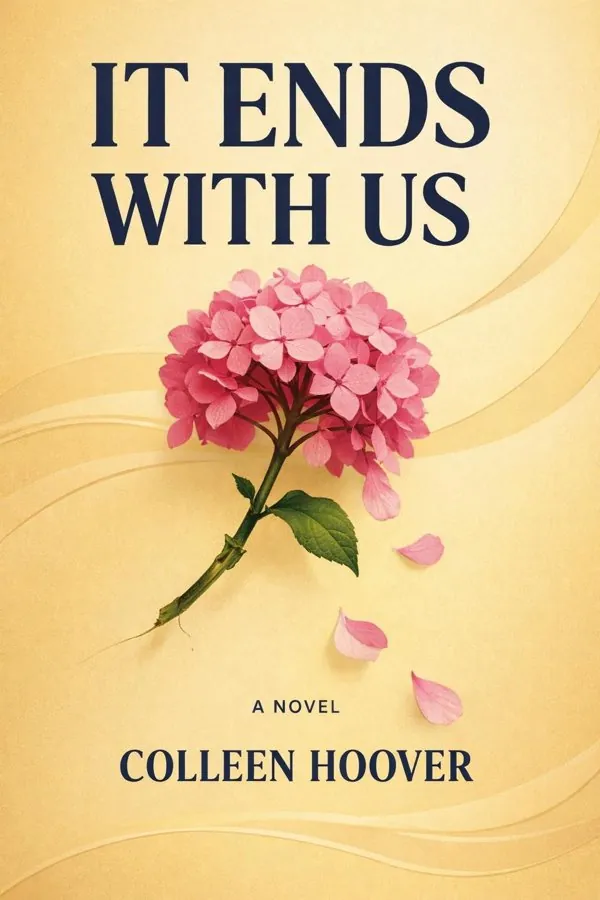
It Ends with Us
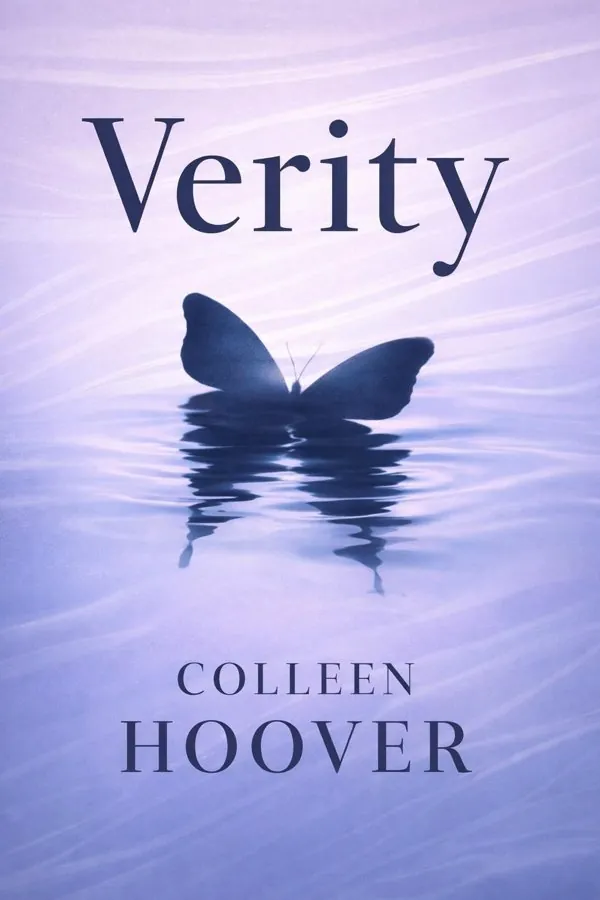
Verity
In-Depth Analysis
Although both It Ends with Us and Verity are by Colleen Hoover and contain romantic plots, they operate according to very different narrative contracts with the reader. It Ends with Us begins by inviting conventional romance expectations: Lily Bloom moves to Boston, opens a flower shop, meets the magnetic neurosurgeon Ryle Kincaid, and appears poised for a hard-won, adult love story. Verity, by contrast, destabilizes the reader almost immediately. Lowen Ashleigh enters the Crawford home under financial strain and emotional vulnerability, but the novel’s real engine is not romantic fulfillment; it is the hidden manuscript that transforms the house into a site of dread. One novel asks how love becomes entangled with violence and denial. The other asks whether intimacy can ever survive radical uncertainty.
The clearest difference lies in moral orientation. It Ends with Us has one. Its deepest question is why intelligent, strong people remain in abusive relationships, especially when those relationships do not begin in obvious monstrosity. Hoover structures Lily’s relationship with Ryle so that readers first experience his appeal: his rooftop honesty, his intensity, his ambition, his seeming refusal to play manipulative dating games. That initial charisma matters because the novel’s argument depends on it. Abuse is not presented as something only monstrous strangers commit; it emerges through charm, stress, remorse, and the victim’s understandable desire to preserve the version of the person she first loved. The flashback journals to Ellen DeGeneres deepen this by tying Lily’s adulthood to what she saw her mother endure. Lily believes she understands her mother’s choices from the outside, until she finds herself making similar accommodations from the inside.
Verity resists that kind of ethical clarity. Its central device, Verity Crawford’s manuscript, is one of Hoover’s boldest uses of nested narration. Once Lowen begins reading the autobiography, the novel becomes a contest between textual authority and lived perception. Is the manuscript a confession of monstrous acts and desires, especially concerning Verity’s children and her obsession with Jeremy? Or is it itself a crafted performance, a dark writing exercise later weaponized by the circumstances of its discovery? The brilliance of the structure is that Lowen’s reading changes her behavior long before she can verify anything. She becomes less a neutral observer than a woman whose fear and attraction are being curated by a text. In It Ends with Us, journals illuminate truth. In Verity, a manuscript contaminates it.
Their approaches to romance also sharply diverge. In It Ends with Us, romance is interrogated. Atlas Corrigan is crucial because he embodies a form of love unlike Ryle’s: patient, attentive, and fundamentally non-coercive. Atlas is not merely the superior romantic option; he is evidence that tenderness does not have to threaten autonomy. Ryle, by contrast, exposes how quickly passion can become control. The novel’s romantic triangle therefore is not primarily about chemistry but about competing definitions of care. In Verity, the erotic charge between Lowen and Jeremy is deliberately compromised from the start. Their connection grows in a house haunted by an incapacitated wife, dead children, and a manuscript that may or may not reveal unimaginable cruelty. Desire in Verity is inseparable from trespass. If Atlas clarifies moral possibility, Jeremy deepens ambiguity.
Stylistically, Hoover adapts her strengths to different ends. It Ends with Us uses transparency: straightforward prose, emotionally legible dialogue, and a structure that allows readers to see denial forming in real time. Its most powerful scenes do not depend on plot twists but on reinterpretation. Incidents Lily initially rationalizes must later be named accurately, and the reader undergoes that painful shift with her. The novel’s emotional climax is effective because it rejects fantasy solutions. Lily does not fix Ryle through love; she chooses to protect her child from inheritance of harm. That decision reframes the title as an ethical vow rather than a romantic slogan.
Verity relies on propulsion and enclosure. The Crawford home functions almost like a gothic mansion, while the manuscript chapters create a second, more lurid narrative that keeps interrupting the present. Hoover uses this interruption strategically: every revelation alters how readers interpret Verity’s smallest movements, Jeremy’s grief, and Lowen’s own reliability. The result is less emotionally healing than compulsively destabilizing. Even the ending refuses closure. The final letter does not simply explain the mystery; it converts the whole novel into a referendum on interpretation. Readers must decide whether they believe the manuscript or the letter, and in doing so expose their own assumptions about motherhood, ambition, feminine performance, and evil.
In terms of emotional afterlife, It Ends with Us tends to stay with readers because it names recognizable realities. Its scenes of apology, minimization, and self-blame feel painfully familiar to many readers, and Lily’s final act of boundary-setting gives the novel social weight beyond romance. Verity lingers differently. It is less likely to offer recognition than obsession: readers replay clues, debate the ending, and question whether they were manipulated by Hoover just as Lowen was manipulated by text and desire.
If read together, the books reveal Hoover’s range. She can use accessibility to produce empathy, as in Lily’s story, or to smuggle readers into moral panic, as in Lowen’s. But the stronger and more mature book is It Ends with Us, because its emotional architecture serves a deeper human purpose. Verity may be the more addictive reading experience, yet It Ends with Us is the one more likely to alter how readers understand love, harm, and the difficult courage required to end a cycle rather than repeat it.
Side-by-Side Comparison
| Aspect | It Ends with Us | Verity |
|---|---|---|
| Core Philosophy | It Ends with Us is built around the idea that love is not enough when harm, fear, and inherited trauma are present. Lily’s central moral struggle is whether compassion for Ryle can coexist with the courage to break an abusive cycle she witnessed in her parents’ marriage. | Verity is driven by uncertainty: truth may be inaccessible, desire may distort judgment, and intimacy can become a form of danger. Rather than offering a stable moral center, it asks readers to decide whether confession, performance, and manipulation can ever be cleanly separated. |
| Writing Style | Hoover writes in a direct, emotionally transparent style, using Lily’s journals to Ellen DeGeneres and a linear romantic arc to create intimacy before gradually darkening the tone. The prose is accessible and plainspoken, prioritizing emotional clarity over stylistic ambiguity. | Verity uses a more sensational, claustrophobic style, blending present-tense unease with the lurid pull of the discovered manuscript. Its pacing is tighter and more suspense-driven, with chapter-to-chapter hooks designed to escalate dread and obsession. |
| Practical Application | The novel has practical value as a conversation starter about domestic abuse, grooming through charm, apology cycles, and why leaving is psychologically difficult. Lily’s rationalizations, her comparisons to her mother, and her final decision provide readers with language for discussing boundary-setting and intergenerational trauma. | Verity has less real-world guidance but is useful for discussing unreliable narration, coercive relationships, and the danger of acting on incomplete evidence. Its practical application is interpretive rather than behavioral: it sharpens readers’ attention to motive, self-deception, and narrative framing. |
| Target Audience | It Ends with Us best suits readers who want emotionally intense contemporary fiction with romance elements but are open to serious themes of abuse and resilience. It especially appeals to book club readers interested in morally complicated but accessible novels. | Verity is better for readers who want a compulsive, dark, crossover read between romance, domestic suspense, and psychological thriller. It attracts readers who enjoy plot twists, dangerous chemistry, and endings that provoke debate. |
| Scientific Rigor | As a novel about trauma and abuse, it is psychologically observant rather than scientifically rigorous. Still, its depiction of escalation, minimization, and emotional conflict feels grounded in recognizable patterns of abusive relationships. | Verity is not concerned with realism in a clinical or research-based sense; it operates through extremity and gothic exaggeration. Its psychology is effective dramatically, but it is designed to unsettle more than to model plausible therapeutic or forensic accuracy. |
| Emotional Impact | The emotional impact comes from recognition and heartbreak: readers experience Lily’s hope, denial, shame, and eventual resolve from the inside. The hospital scenes, the recurrence of violence, and Lily’s choice after becoming a mother give the novel its lasting ache. | Verity shocks more than it consoles, creating anxiety through the manuscript’s revelations about motherhood, jealousy, sexuality, and death. Its emotional force lies in paranoia and revulsion, especially as Lowen’s attraction to Jeremy collides with her fear of Verity. |
| Actionability | Readers can take away concrete ethical questions: What does an apology mean without change? How do childhood models shape adult attachment? When Lily decides that 'it ends with us,' the novel offers a memorable framework for ending inherited harm. | Verity is less actionable in a self-help sense, but it does invite readers to test evidence, question first impressions, and notice how desire contaminates interpretation. Its lessons are cognitive and moral rather than practical steps for life change. |
| Depth of Analysis | The novel’s strongest depth lies in the contrast between attraction and danger, and in Lily’s repeated effort to distinguish her mother’s choices from her own until she realizes how easily patterns repeat. Atlas functions as more than a love interest; he is a moral counterpoint and memory of non-possessive care. | Verity’s depth comes from its layered narrative architecture: Lowen reading Verity, then reconstructing Jeremy, then being forced to reinterpret everything through the final letter. The book invites analysis of authorship, performance, and whether confession itself can be a manipulative genre. |
| Readability | It Ends with Us is highly readable because the language is simple, the emotional stakes are immediate, and the story unfolds clearly. Even readers who do not usually read romance can move through it quickly because Hoover emphasizes scene-level tension and confession. | Verity may be even more bingeable due to its thriller pacing and constant revelations. Its readability depends less on emotional realism and more on irresistible momentum: readers often continue for answers even when they distrust the characters. |
| Long-term Value | It Ends with Us tends to linger because of its social and emotional relevance; readers often return to specific scenes when thinking about abuse, motherhood, and self-respect. Its long-term value is strongest in discussion, empathy-building, and the way it reframes romance tropes through harm and survival. | Verity has strong reread value for readers interested in clues, omissions, and the ambiguous final reversal. Its long-term value lies less in life guidance and more in interpretive debate: which document is true, and what does that choice reveal about the reader? |
Key Differences
Moral Clarity vs Moral Ambiguity
It Ends with Us ultimately knows what it wants to say: abuse cannot be excused by love, history, or potential. Verity deliberately muddies judgment, especially through the manuscript and the final letter, forcing readers to decide whether apparent confession is more trustworthy than later explanation.
Romance as Critique vs Romance as Contamination
In It Ends with Us, romance is examined and corrected; Lily’s experiences with Ryle and Atlas reveal the difference between intensity and safety. In Verity, romance is inseparable from trespass, because Lowen and Jeremy’s attraction unfolds inside grief, suspicion, and possible manipulation.
Real-World Trauma vs Gothic Sensationalism
Lily’s story is grounded in recognizable patterns of domestic abuse: escalation, denial, remorse, and fear of repeating family history. Verity leans into an exaggerated, almost gothic atmosphere, where hidden manuscripts, eerie behavior, and interpretive traps create a more theatrical darkness.
Revelation Through Memory vs Revelation Through Documents
It Ends with Us uses Lily’s journals to connect past and present, showing how childhood witnessing shapes adult choices. Verity turns the discovered manuscript into a destabilizing object; instead of clarifying the past, it infects the present and changes how Lowen reads every event.
Healing Arc vs Interpretive Puzzle
The movement of It Ends with Us is toward painful self-recognition and a boundary that protects the future. The movement of Verity is toward uncertainty, because even its final explanation reopens the mystery rather than settling it.
Character Function of the Second Love Interest
Atlas Corrigan serves as a moral and emotional contrast to Ryle, reminding Lily and the reader what nonviolent care looks like. Jeremy Crawford is not a stabilizing alternative in the same way; he becomes part of Verity’s web of doubt, desire, and possible self-deception.
Why Readers Keep Thinking About Them
Readers return to It Ends with Us because of what it says about relationships they may have seen or experienced, especially the line between love and harm. Readers return to Verity because they are still arguing over evidence, clues, and whether the book manipulated them into the wrong conclusion.
Who Should Read Which?
The emotionally driven contemporary fiction reader
→ It Ends with Us
This reader values character growth, relational complexity, and themes that connect directly to real life. Lily’s internal conflict, her history with Atlas, and her painful recognition of Ryle’s abuse provide the kind of emotional layering that rewards empathy and reflection.
The thriller-first binge reader
→ Verity
This reader wants momentum, dread, and a plot that becomes harder to put down with every chapter. The hidden manuscript, the unsettling atmosphere of the Crawford house, and the final letter make Verity far better suited to readers who prioritize suspense over comfort.
The book club discussion reader
→ It Ends with Us
While both books generate conversation, It Ends with Us usually produces deeper discussion about abuse, accountability, family patterns, and what healthy love should look like. Verity sparks debates about the ending, but It Ends with Us tends to sustain broader and more meaningful conversations.
Which Should You Read First?
If you plan to read both, start with It Ends with Us and then move to Verity. That order makes sense because It Ends with Us introduces Hoover in her more emotionally grounded mode: intimate first-person narration, accessible prose, and a relationship story that deepens into an examination of abuse, family history, and resilience. It gives you a strong sense of her ability to build attachment to characters before complicating that attachment. Reading Verity second lets you appreciate how differently Hoover can use many of the same tools. You will notice her shift from emotional transparency to deliberate narrative manipulation, from healing-oriented conflict to psychological destabilization. Verity is also tonally harsher and more sensational, so reading it after It Ends with Us can feel like watching an author move from social-emotional realism into gothic suspense. The only reason to reverse the order is if you are primarily a thriller reader and want the fastest, darkest entry point. Otherwise, It Ends with Us first offers the richer introduction, while Verity works well as the sharper, stranger follow-up.
Want the full summary?
Get instant access to this book summary and 100K+ more with Fizz Moment.
Get Free SummaryAvailable on App Store • Free to download
Frequently Asked Questions
Is It Ends with Us better than Verity for beginners?
For most beginners, It Ends with Us is the easier starting point because its structure is clearer, its emotional stakes are more legible, and its prose is more straightforward. Even though it deals with difficult material, the novel moves in a mostly linear way through Lily’s relationships with Ryle and Atlas, so new readers are less likely to feel disoriented. Verity is faster and more addictive for some, but it depends on ambiguity, nested documents, and psychological manipulation. If you are asking, "Is It Ends with Us better than Verity for beginners?" the answer is usually yes if you want emotional realism, and no only if you specifically prefer dark thrillers over contemporary relationship fiction.
Which Colleen Hoover book is darker: It Ends with Us or Verity?
Verity is darker in tone, atmosphere, and shock value, while It Ends with Us is darker in real-world emotional realism. Verity includes disturbing material involving the manuscript, the Crawford children, and the possibility that nearly every relationship in the house is contaminated by deception or obsession. It Ends with Us, however, can hit harder because its darkness is recognizable: the cycle of abuse, the appeal of a harmful partner, and the difficulty of leaving someone who is not cruel all the time. So if you mean sensationally dark, choose Verity; if you mean psychologically and socially painful, It Ends with Us may feel heavier.
Should I read Verity or It Ends with Us if I want romance with suspense?
If you want romance with suspense, Verity is the stronger fit because suspense is the book’s dominant mode. Lowen’s attraction to Jeremy unfolds under the pressure of the manuscript, Verity’s eerie presence, and the constant question of what is true. In It Ends with Us, suspense exists, but it emerges through the escalation of relationship violence rather than through mystery plotting. Readers searching specifically for page-turning tension, hidden documents, and an ending to debate will likely prefer Verity. Readers who want a romance that becomes a serious emotional examination of harm, accountability, and survival should choose It Ends with Us instead.
Is Verity or It Ends with Us more emotionally impactful?
That depends on what kind of emotional impact you value. It Ends with Us is more moving in a sustained, human way because Lily’s inner conflict feels intimate and recognizable. Her struggle to reconcile love, memory, and self-protection creates sorrow that builds rather than merely shocks. Verity is emotionally impactful in a sharper, more immediate sense: it produces dread, disgust, fascination, and paranoia, especially through the manuscript’s confessions and the final letter. If your question is whether Verity or It Ends with Us is more emotionally impactful, the answer is usually It Ends with Us for empathy and reflection, Verity for adrenaline and lingering unease.
Which book has the better ending: It Ends with Us or Verity?
It Ends with Us has the more thematically satisfying ending, while Verity has the more provocative ending. Lily’s final choice completes the book’s central idea that cycles of abuse end not through fantasy redemption but through painful boundaries. The ending feels earned because it grows directly from the novel’s exploration of her mother, Ryle, Atlas, and the future Lily wants for her child. Verity’s ending is memorable for a different reason: it destabilizes everything that came before and invites argument rather than resolution. If you want closure with moral weight, It Ends with Us has the better ending. If you want an ending that sparks debates and rereads, Verity wins.
Who should read It Ends with Us vs Verity?
Readers who should read It Ends with Us are those interested in contemporary fiction about relationships, trauma, resilience, and difficult choices. It works especially well for book clubs, readers who appreciate emotionally direct prose, and anyone open to romance that critiques romantic idealization. Readers who should read Verity are those who enjoy domestic suspense, unreliable narratives, and dark relationship dynamics. If you like feeling unsettled, questioning every document, and racing through chapters to uncover the next revelation, Verity is the better match. In short, choose It Ends with Us for emotional depth and social relevance; choose Verity for tension, ambiguity, and psychological disturbance.
The Verdict
If you want the stronger novel in terms of emotional intelligence, thematic coherence, and lasting human relevance, It Ends with Us is the better book. Its portrayal of Lily Bloom’s relationship with Ryle Kincaid, framed by her memories of her mother’s abuse and her history with Atlas Corrigan, gives the story a moral seriousness that extends beyond romance. Hoover uses accessibility not to simplify the issue of abuse, but to show how denial, longing, apology, and hope can trap someone inside a damaging relationship. The book’s power comes from recognition and from Lily’s refusal to let the cycle continue. If, however, you want the more compulsively readable, twist-driven experience, Verity is the one to choose. It is bolder in structure, more sensational in content, and more designed to keep readers turning pages through dread and curiosity. Lowen’s discovery of Verity Crawford’s manuscript, her attraction to Jeremy, and the notorious final reversal make it ideal for readers who prioritize suspense and interpretive ambiguity over emotional realism. Overall recommendation: read It Ends with Us for substance, Verity for propulsion. Among the two, It Ends with Us is the more mature and meaningful work, while Verity is the more addictive one-night binge. The better choice depends on whether you want to feel understood or unsettled.
Related Comparisons

Want to read both books?
Get AI-powered summaries of both It Ends with Us and Verity in just 20 minutes total.