
It Ends with Us vs Ugly Love: Which Should You Read?
A detailed comparison of It Ends with Us by Colleen Hoover and Ugly Love by Colleen Hoover. Discover the key differences, strengths, and which book is right for you.
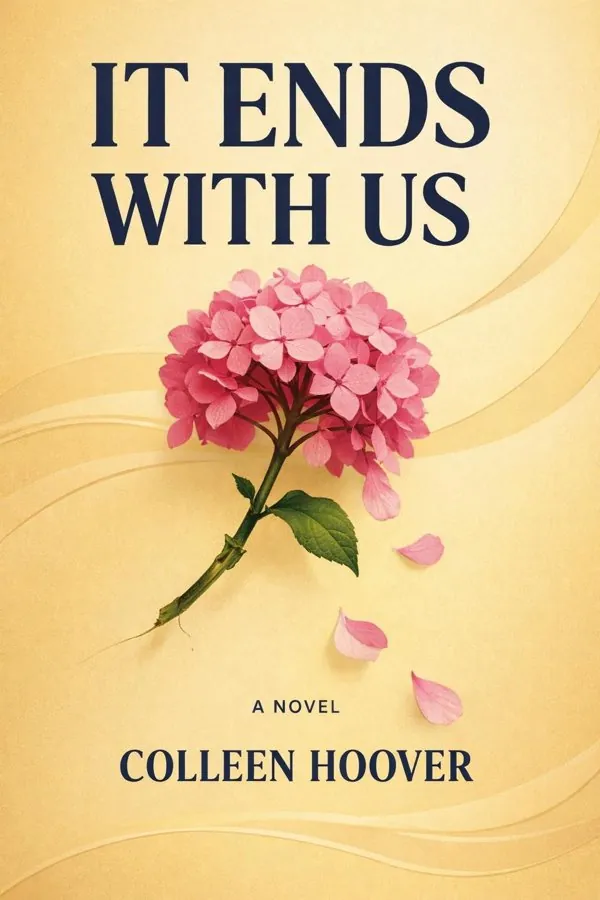
It Ends with Us
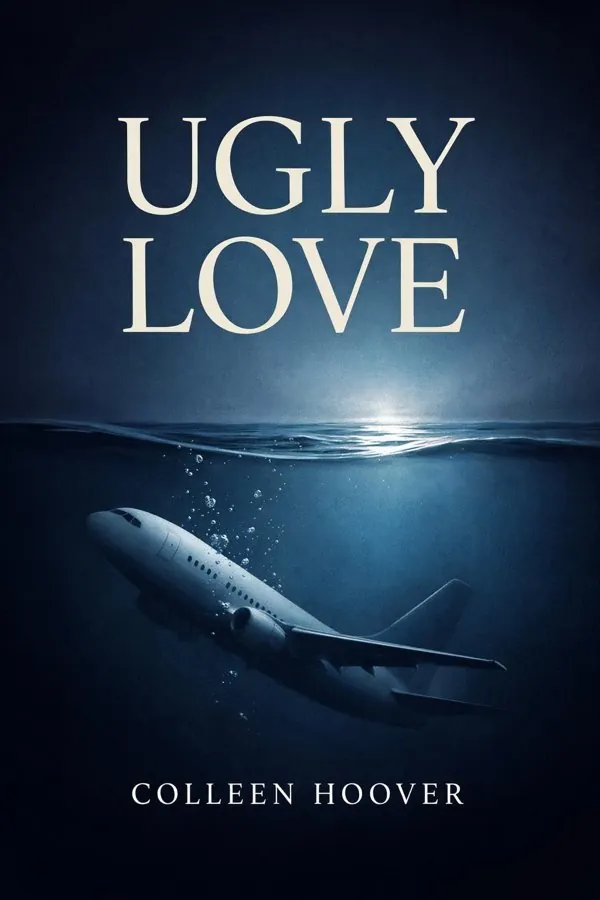
Ugly Love
In-Depth Analysis
Although It Ends with Us and Ugly Love are both contemporary romances by Colleen Hoover, they operate on very different emotional and ethical frequencies. Both books are built around intense attraction, damaged characters, and the collision between present desire and old pain. Yet where Ugly Love is fundamentally a story about grief and emotional unavailability, It Ends with Us is a story about abuse, inherited trauma, and the moral limits of romantic love. That difference shapes everything: plot stakes, characterization, reader sympathy, and the meaning of the ending.
In It Ends with Us, Lily Bloom’s relationship with Ryle Kincaid initially resembles a familiar Hoover setup: instant chemistry, emotionally charged banter, and a charismatic man whose intensity feels flattering before it feels dangerous. Hoover is strategic in how she constructs Ryle. He is a successful neurosurgeon, direct to the point of arrogance, and openly resistant to commitment. That confidence is part of his appeal, but it also foreshadows his need for control. The novel’s greatest strength is that it does not introduce abuse as a simple villain reveal. Instead, it shows how violence is absorbed into a relationship through misinterpretation, apology, passion, and hope. Lily does not stay because she is naive; she stays because abuse is emotionally confusing when it coexists with tenderness, remorse, and genuine attachment.
That complexity is reinforced by the journal entries to Ellen DeGeneres, which reconnect Lily’s adult choices to her adolescence. Atlas Corrigan is crucial here not just as an alternative love interest but as a moral contrast. He represents care without coercion, memory without possession, and love expressed through protection rather than domination. The choice between Ryle and Atlas is therefore not merely a love triangle. It is a test of Lily’s internalized model of what love asks a woman to endure. Hoover uses that contrast effectively: Atlas’s presence reminds both Lily and the reader that kindness can be quiet, stable, and undemanding.
Ugly Love, by contrast, is much less interested in social patterns than in emotional self-destruction. Tate Collins enters a physically and emotionally charged arrangement with Miles Archer under two rules: do not ask about the past and do not expect a future. Those rules are the novel in miniature. They promise containment, but they actually guarantee imbalance. Tate agrees because she is hopeful, attracted, and willing to accept reduced terms in exchange for closeness. Miles proposes the arrangement because he wants access to intimacy without vulnerability. The drama emerges from the impossibility of that bargain.
The dual timeline is what gives Ugly Love its emotional architecture. Tate’s present-tense longing is juxtaposed with Miles’s past relationship with Rachel, and those chapters gradually explain why he is so detached in the present. Hoover stylizes Miles’s flashback voice to make it feel suspended in grief, almost trapped outside ordinary time. This can be divisive stylistically, but it serves a clear purpose: Miles is not simply withholding; he is psychologically arrested. His tragedy has not become memory. It remains an active condition.
The key difference between the novels lies in what the reader is being asked to tolerate. In Ugly Love, readers are asked to endure emotional unfairness, secrecy, and sustained imbalance while waiting for explanation and healing. The central question is whether Tate should keep accepting a relationship that gives her physical access but emotional deprivation. In It Ends with Us, the stakes are more severe. Readers are asked to confront how easily romance conventions can disguise danger. Ryle is not just emotionally unavailable; he becomes physically violent. That shifts the ethical frame completely. Miles is wounded; Ryle is harmful. The distinction matters because Hoover treats the two men differently at the level of moral consequence.
This is also why It Ends with Us has broader cultural resonance. Lily’s final decision is not built around winning the “right” man but around refusing to pass trauma onward. The title itself points to generational interruption. When Lily chooses not to continue the relationship with Ryle, the moment is powerful precisely because it rejects a common romance fantasy: that sufficient love can redeem destructive behavior. Hoover does not deny that Lily loves Ryle. The novel’s force comes from insisting that love can be real and still not justify staying.
Ugly Love offers a more conventional romantic payoff. Once Miles’s buried grief is fully exposed, the novel moves toward reconciliation and emotional openness. For many readers, this is cathartic because the obstacle was never cruelty but repression. Tate’s patience is finally rewarded with honesty and commitment. Yet this is also where some readers find the book less challenging than It Ends with Us. Ugly Love ultimately restores the romance arc after explaining the hero’s damage. It Ends with Us breaks the arc and asks whether ending a love story can itself be an act of integrity.
In terms of craft, both novels are highly readable and engineered for emotional intensity. Hoover excels at cliff-edge chapter endings, charged confessions, and scenes that recontextualize earlier interactions. But It Ends with Us is the more layered book because it supports analysis beyond the central couple. It engages with memory, family modeling, victim psychology, and the gap between public image and private harm. Ugly Love is effective, often wrenching, but more singular in purpose: it wants to make the reader feel the ache of loving someone who cannot yet return that love fully.
Taken together, the books reveal two sides of Hoover’s appeal. She can write pain as longing, and she can write pain as danger. Ugly Love is a bruising romance about emotional ruins. It Ends with Us is a romance-shaped novel that ultimately interrogates romance itself. That is why the latter tends to feel more consequential, even for readers who find the former just as addictive.
Side-by-Side Comparison
| Aspect | It Ends with Us | Ugly Love |
|---|---|---|
| Core Philosophy | It Ends with Us argues that love is not enough when harm is present. Lily’s central moral struggle is whether repeating a familiar pattern of abuse counts as loyalty or surrender, and the novel insists that breaking a cycle can be the deepest form of love. | Ugly Love centers on the idea that unprocessed grief distorts intimacy. Rather than asking whether love can survive violence, it asks whether desire can become healthy when one person is emotionally barricaded by trauma and memory. |
| Writing Style | The novel combines present-day narration with Lily’s journals to Ellen DeGeneres, creating a layered contrast between youthful idealism and adult disillusionment. Hoover uses escalating revelations and emotional reversals to make the reader feel Lily’s denial and awakening in real time. | Ugly Love uses a dual-timeline structure, with Tate’s present-day perspective paired against Miles’s fragmented, poetic memories of Rachel. The prose in Miles’s sections is more stylized and elliptical, emphasizing emotional paralysis and the persistence of past pain. |
| Practical Application | It Ends with Us has clear real-world relevance for readers trying to understand abusive relationship dynamics, especially how charm, remorse, and incremental escalation can trap someone. Lily’s reasoning offers a concrete emotional map of why leaving is difficult even when danger is obvious from the outside. | Ugly Love is more practically useful as a portrait of emotional unavailability, unequal attachment, and the risks of agreeing to relationships with rules that deny normal human needs. It is less socially urgent than Book 1, but highly recognizable for readers who have experienced one-sided intimacy. |
| Target Audience | This book suits readers who want romance that intersects with serious social themes, especially domestic abuse, intergenerational trauma, and resilience. It also appeals to readers interested in morally complicated love interests rather than simple heroes and villains. | Ugly Love is best for readers drawn to angst-heavy contemporary romance, forbidden or emotionally constrained dynamics, and stories built around sexual chemistry complicated by grief. It particularly suits readers who enjoy character-driven pain before catharsis. |
| Scientific Rigor | As a novel, it is not scientific in method, but it feels psychologically observant in its depiction of abuse cycles, self-justification, and trauma repetition. Its credibility comes from emotional realism rather than formal research presentation. | Ugly Love also lacks formal scientific rigor, yet it is persuasive in showing how bereavement and guilt can freeze emotional development. Its psychology is intimate and dramatized, though sometimes more melodramatic than analytically precise. |
| Emotional Impact | It Ends with Us tends to hit harder because it converts a familiar romance setup into a story of fear, moral clarity, and painful self-recognition. The scenes of violence land with particular force because Hoover first establishes Ryle as desirable, making each rupture more disturbing. | Ugly Love is intensely emotional, but its pain comes more from longing, frustration, and delayed disclosure than from danger. Many readers find Miles’s backstory devastating, yet the book’s suffering is fundamentally romantic-tragic rather than socially traumatic. |
| Actionability | Readers can take away specific relational lessons: pay attention to minimization, apologies after harm, and how past family patterns shape tolerance for mistreatment. Its message is actionable because it warns against confusing empathy for endurance. | The actionability here lies in recognizing red flags around emotional asymmetry: if one partner sets rules like 'no past, no future,' the relationship may already be structured to protect one person at the other’s expense. It encourages boundaries more than endurance. |
| Depth of Analysis | Among Hoover’s novels, this one invites broader ethical and social analysis because it links private romance to inherited violence and public silence. Lily’s decision-making is not just personal drama but a commentary on how abuse reproduces itself across generations. | Ugly Love is narrower in analytical scope, focusing more tightly on grief, guilt, and emotional avoidance within one romantic bond. Its depth comes from interior suffering rather than larger structural questions. |
| Readability | Despite heavy themes, the book is highly readable because of its fast pacing, emotional directness, and steady suspense over Lily’s choices. The journal device also breaks up exposition and keeps the backstory accessible. | Ugly Love is similarly compulsive, perhaps even more so for readers who favor high romantic tension and quick emotional payoff. The alternating timelines keep momentum strong, though some readers may find Miles’s stylized sections less immediately naturalistic. |
| Long-term Value | It Ends with Us lingers because it sparks ongoing debate about victimhood, accountability, romanticization, and what genuine strength looks like. It has strong reread value for discussion groups because later scenes reframe earlier moments with unsettling clarity. | Ugly Love has lasting appeal mainly as an intense emotional experience and a memorable grief-driven romance. Its re-read value is strongest for readers who want to revisit the gradual revelation of Miles’s past rather than unpack a larger social argument. |
Key Differences
Abuse vs Emotional Unavailability
The central conflict in It Ends with Us is physical and psychological harm within an intimate relationship, especially as Ryle’s violence escalates through apology and denial. In Ugly Love, the conflict is not danger but emotional withholding: Miles restricts the relationship with rules that protect his grief while leaving Tate exposed.
What the Love Interest Represents
Ryle represents charisma mixed with control, making him both appealing and alarming as the story unfolds. Miles represents damage and unresolved mourning, so the reader is asked to understand why he cannot connect rather than fear what he might do.
Role of the Secondary Love Interest
Atlas in It Ends with Us is more than a rival; he embodies a different model of love based on safety, patience, and memory of kindness. Ugly Love does not use a comparable present-day rival dynamic, because the real third presence in that novel is Rachel, who lives in Miles’s past and governs his present.
Narrative Function of the Past
Lily’s journals explain how her upbringing normalized certain emotional compromises and why her adult decisions are so fraught. Miles’s flashbacks in Ugly Love function differently: they are not about inherited patterns but about a singular tragedy that froze him emotionally.
Ending Structure
It Ends with Us reaches power through refusal: Lily’s decision not to continue with Ryle is emotionally painful but morally clarifying. Ugly Love reaches power through release and reunion, using disclosure and healing to restore the central romance rather than dismantle it.
Scope of Theme
It Ends with Us expands from one relationship into a broader meditation on domestic violence and intergenerational trauma. Ugly Love remains more intimate and contained, concentrating on how grief, guilt, and desire complicate one specific bond.
Type of Reader Frustration
Readers of It Ends with Us may feel anguish over Lily’s hesitation, especially when warning signs around Ryle accumulate. Readers of Ugly Love are more likely to feel frustrated by Tate accepting a lopsided arrangement and by Miles’s refusal to communicate.
Who Should Read Which?
Reader who wants romance with serious social and psychological themes
→ It Ends with Us
This reader will likely respond to Lily’s moral conflict, the portrayal of abuse escalation, and the way Atlas and Ryle embody competing visions of love. The book offers both emotional immersion and substantial material for reflection after the final page.
Reader who loves angst, sexual tension, and emotionally wounded heroes
→ Ugly Love
Miles and Tate’s rule-bound arrangement delivers exactly the kind of imbalance and yearning that drives high-angst romance. The dual timeline deepens that tension by revealing, piece by piece, why Miles cannot fully let Tate in.
Book club or discussion-oriented reader
→ It Ends with Us
It generates richer conversation because readers can debate Lily’s decisions, the ethics of sympathy toward Ryle, the function of Atlas, and the novel’s treatment of intergenerational trauma. Ugly Love is discussable, but It Ends with Us invites broader and more urgent analysis.
Which Should You Read First?
If you plan to read both, start with Ugly Love and then move to It Ends with Us. Ugly Love is a cleaner entry into Colleen Hoover’s emotional style: intense attraction, damaged characters, alternating timelines, and a payoff built around revelation and healing. It introduces many of the features readers associate with Hoover without immediately placing them inside a heavier moral framework. Reading It Ends with Us second is often more effective because it shows what Hoover can do when she takes her familiar romantic machinery and turns it toward a more serious subject. After experiencing the grief-driven angst of Miles and Tate, you can better appreciate how startling Lily and Ryle’s story becomes once romance stops being the solution. The contrast is sharper in that order. That said, if you are especially interested in books about domestic abuse, emotional resilience, or book-club discussion, begin with It Ends with Us. It is the more significant novel. But for pure readability and a smoother introduction, Ugly Love first and It Ends with Us second is the best sequence.
Want the full summary?
Get instant access to this book summary and 100K+ more with Fizz Moment.
Get Free SummaryAvailable on App Store • Free to download
Frequently Asked Questions
Is It Ends with Us better than Ugly Love for beginners to Colleen Hoover?
For most beginners, It Ends with Us is the stronger starting point if you want to understand why Colleen Hoover became such a widely discussed author. It showcases her gift for emotional momentum, but it also has more thematic weight because Lily’s story moves beyond romance into domestic abuse, generational trauma, and self-protection. Ugly Love is also accessible, but it is more narrowly focused on sexual tension, grief, and emotional avoidance. If you are asking, "Is It Ends with Us better than Ugly Love for beginners?" the answer is usually yes if you want depth, and maybe not if you mainly want angst-heavy romance with a fast emotional hook.
Which book is more emotional: It Ends with Us or Ugly Love?
Both books are intensely emotional, but they hurt in different ways. It Ends with Us is more devastating in an ethical and visceral sense because it forces the reader to watch Lily rationalize, endure, and finally confront abuse from someone she truly loves. Ugly Love is emotionally wrenching in a more romantic-tragic way, especially through Miles’s flashbacks with Rachel and Tate’s growing awareness that she wants more than he can give. If you are comparing emotional intensity, It Ends with Us tends to leave the deeper scar, while Ugly Love delivers a more classic heartbreak-and-healing experience.
Is Ugly Love better than It Ends with Us if I want a true romance?
Yes, in one important sense. Ugly Love more closely follows the structure many readers expect from contemporary romance: two people are drawn together, hidden pain blocks intimacy, the truth emerges, and emotional union becomes possible. It Ends with Us contains romance, but it ultimately uses romantic attachment to examine why love does not solve everything. So if your search is really "Is Ugly Love better than It Ends with Us for readers who want a true romance?" then Ugly Love is likely the better match. If you want a love story that questions romance itself, It Ends with Us is the more ambitious choice.
Which book handles trauma more realistically, It Ends with Us or Ugly Love?
It Ends with Us generally feels more realistic in its depiction of trauma’s behavioral consequences because it shows how childhood exposure to violence shapes adult tolerance, denial, and decision-making. Lily’s responses are often painful precisely because they are plausible: she interprets, excuses, and hopes before she acts. Ugly Love also presents trauma convincingly, especially in showing how grief can freeze a person emotionally, but Miles’s suffering is filtered through a more melodramatic and heavily stylized romantic frame. For readers asking which book handles trauma more realistically, It Ends with Us usually has the stronger claim.
Should I read It Ends with Us or Ugly Love first if I prefer fast-paced romance?
If fast-paced romance is your priority, Ugly Love may be the better first pick. Its immediate attraction, clear emotional rules, and alternating past-present structure create strong momentum, and the mystery of Miles’s backstory keeps pages turning. It Ends with Us is also very readable, but its emotional trajectory becomes heavier and more morally complicated as Lily’s relationship with Ryle darkens. So for readers searching "Should I read It Ends with Us or Ugly Love first for fast-paced romance?" the answer is Ugly Love if you want intensity and payoff, It Ends with Us if you want pace combined with bigger emotional stakes.
Which Colleen Hoover book is better for book clubs: It Ends with Us or Ugly Love?
It Ends with Us is much stronger for book clubs because it opens discussion far beyond whether the couple should end up together. Readers can debate Lily’s decision-making, Ryle’s complexity, Atlas’s symbolic role, the portrayal of abuse, and whether the novel succeeds in resisting romanticization. Ugly Love can still generate discussion, especially around emotional boundaries and whether Tate settles for too little, but its conversation tends to stay closer to relationship dynamics and the effectiveness of Miles’s backstory. If your question is which book creates richer discussion, It Ends with Us is the clear winner.
The Verdict
If you want the more substantial, memorable, and discussion-worthy book, choose It Ends with Us. It is not simply a romance with dramatic complications; it is a novel about how abuse hides inside love, how childhood witness shapes adult choices, and how courage can mean ending a relationship rather than saving it. Lily, Ryle, and Atlas are not equally nuanced at every moment, but the book’s emotional and ethical force is undeniable. It asks more of the reader and gives more back in return. Choose Ugly Love if what you most want is emotional addiction: chemistry, longing, damage, delayed confession, and a cathartic romantic release. Tate and Miles deliver a more traditional Hoover experience in some ways, especially if you enjoy tortured heroes, no-strings arrangements that inevitably fail, and a dual timeline that gradually explains present behavior. It is compelling and often heartbreaking, but its focus is narrower. In short: It Ends with Us is the better novel; Ugly Love is the purer angst-romance. The first has greater thematic depth and long-term resonance. The second is ideal when you want to feel wrecked, then repaired. For most readers, especially first-time Hoover readers, It Ends with Us is the stronger recommendation. For readers specifically seeking an emotionally charged, grief-driven love story with a conventional romantic payoff, Ugly Love may be the more satisfying pick.
Related Comparisons

Want to read both books?
Get AI-powered summaries of both It Ends with Us and Ugly Love in just 20 minutes total.