
Verity vs People We Meet on Vacation: Which Should You Read?
A detailed comparison of Verity by Colleen Hoover and People We Meet on Vacation by Emily Henry. Discover the key differences, strengths, and which book is right for you.
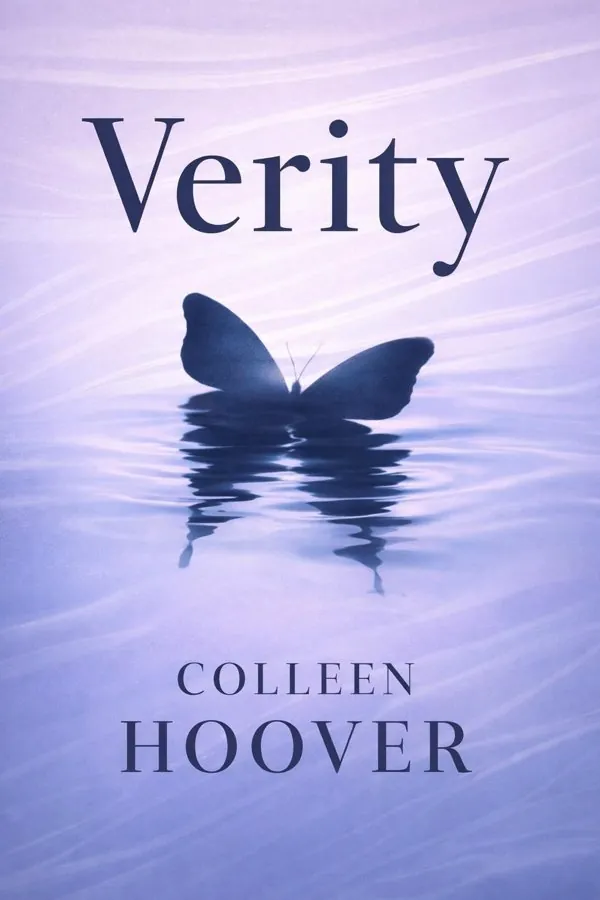

Verity
People We Meet on Vacation
In-Depth Analysis
Although both Verity and People We Meet on Vacation are marketed under the broad umbrella of romance, they occupy almost opposite ends of what romance can do. Colleen Hoover's Verity weaponizes attraction, intimacy, and domestic proximity in order to produce dread. Emily Henry's People We Meet on Vacation treats attraction as something that ripens over years, becoming visible through habit, memory, and emotional timing. Put simply, one book asks whether desire can make truth unreadable, while the other asks whether friendship can survive the fear of naming love.
The most immediate contrast lies in structure. Verity begins with a vulnerable protagonist, Lowen Ashleigh, whose financial instability and grief make her susceptible to both opportunity and entanglement. She enters the Crawford household to complete Verity Crawford's bestselling series after Verity is rendered incapacitated. That setup could belong to a professional drama or even a romance, but Hoover quickly turns the house into a chamber of interpretation. The central device, Lowen's discovery of Verity's manuscript, changes the novel's mode entirely. Every confession in that hidden autobiography seems to reveal monstrous truths about Verity's marriage, motherhood, and psychology. But because the manuscript is mediated through Lowen's reading, and because Lowen is increasingly drawn to Jeremy Crawford, the supposedly revealed truth is never free from desire.
By contrast, People We Meet on Vacation uses parallel timelines not to destabilize truth but to deepen feeling. Emily Henry alternates between the present-day reconciliation trip and the earlier vacations that built Poppy and Alex's bond. Each destination becomes less important as scenery than as emotional indexing: where they were, who they were becoming, what was said, and what remained unsaid. Rather than a discovered manuscript, Henry's key mechanism is accumulated memory. The suspense is not 'What terrible thing happened?' in the thriller sense, but 'What exactly broke them, and why did two people with obvious chemistry wait so long?' That is a fundamentally different kind of reader engagement. Hoover drives readers forward through alarm; Henry through longing.
Their approaches to romance also reveal different ethical worlds. In Verity, romance is inseparable from intrusion. Lowen's attraction to Jeremy develops inside a home saturated with suffering, secrets, and possible performance. The intimacy between them is charged precisely because it feels transgressive and premature. Readers are asked to sit with the discomfort of wanting the relationship to advance while suspecting that Lowen's judgment is being shaped by the manuscript's influence. This is one reason the novel is so polarizing: it makes readers complicit in a romance built under morally contaminated conditions.
In People We Meet on Vacation, the central relationship is ethically cleaner but emotionally messier in a more recognizable way. Poppy and Alex are not endangered by a hidden villain or a sinister text; they are obstructed by temperament, timing, and self-protection. Poppy's glamorous travel-writing life in New York has obvious external success, yet she feels a persistent emptiness that the novel ties to disconnection from Alex and from a more honest version of herself. Alex, steadier and more reserved, embodies a different problem: emotional constancy that can look like passivity. Their dynamic works because Henry makes their differences complementary rather than merely opposite. Poppy's expansiveness brings movement; Alex's steadiness brings depth. The novel's question is whether those traits can coexist in a shared life, not just in a yearly vacation bubble.
Stylistically, Hoover and Henry are both highly readable, but they create momentum through different tools. Hoover favors compression, shock, and cliffhanger sequencing. Scenes in Verity often end with an image, confession, or implication that forces immediate continuation. The prose is designed for compulsion. Henry, meanwhile, leans on voice. Poppy's narration is witty, self-aware, and emotionally articulate; banter and observational humor create buoyancy even when the novel edges into melancholy. If Hoover excels at making readers distrust what they are reading, Henry excels at making readers enjoy the act of reading a relationship into existence.
Thematically, Verity is richer in ambiguity. The novel's final conflict does not simply reveal the truth; it multiplies interpretations. Was the manuscript honest? Was the later explanation a lie, a revision, or a desperate act of self-defense? How much did Lowen and Jeremy choose belief because that belief allowed action? These questions give Verity its afterlife in conversation. It is less satisfying as a romance than as a study in how narratives authorize desire and violence.
People We Meet on Vacation offers a different kind of depth. Its ending is not epistemologically ambiguous; it is emotionally cumulative. The power comes from seeing how rituals build intimacy. Those annual trips become a structure of attachment, almost a private language. Henry is especially good at showing that love can hide inside repetition: in jokes, traditions, remembered preferences, and the ease of being fully known. If Verity suggests that proximity can corrode judgment, People We Meet on Vacation suggests that repeated companionship can reveal a life one secretly wants.
For readers, the choice depends on what kind of intensity they seek. Verity is sharper, darker, and more sensational, with a memorable house, a provocative manuscript, and a finale that invites argument. People We Meet on Vacation is gentler but not slight; its emotional architecture is meticulous, and its pleasure lies in watching two people circle the truth until they can bear to speak it. Both books are effective page-turners, but they turn pages for different reasons. One feeds dread; the other feeds hope. One leaves you suspicious of stories; the other leaves you grateful for the ones people make together over time.
Side-by-Side Comparison
| Aspect | Verity | People We Meet on Vacation |
|---|---|---|
| Core Philosophy | Verity is driven by mistrust, obsession, and the instability of narrative truth. Its central question is not simply who is guilty, but how desire distorts perception and how badly people want a story that makes their choices feel justified. | People We Meet on Vacation is grounded in emotional timing, friendship as the foundation of love, and the belief that intimacy grows through repeated shared experience. Rather than asking what truth is hidden, it asks whether two people can finally admit what has long been obvious between them. |
| Writing Style | Colleen Hoover writes Verity in a propulsive, cliffhanger-heavy style that leans on dread, erotic tension, and revelation. The discovered manuscript device creates a story-within-a-story structure that keeps the prose urgent and destabilizing. | Emily Henry uses a breezier, more conversational voice full of wit, emotional observation, and romantic banter. Her alternating 'Then' and 'Now' timeline structure creates anticipation through accumulation rather than shock. |
| Practical Application | Verity offers little practical guidance in a self-help sense, but it does invite readers to think about manipulation, unreliable testimony, and the danger of reading people only through one emotionally charged lens. Its value is interpretive rather than instructional. | People We Meet on Vacation has more practical emotional resonance for readers navigating friendship, miscommunication, and fear of vulnerability. It models how avoidance can quietly damage a bond and how honest conversation becomes the turning point. |
| Target Audience | Verity best suits readers who like dark romance, domestic suspense, morally compromised characters, and endings that provoke debate. It is not ideal for readers wanting comfort, lightness, or clean moral resolution. | People We Meet on Vacation is aimed at readers who enjoy friends-to-lovers romance, character chemistry, travel settings, and emotionally warm but bittersweet relationship arcs. It fits readers seeking charm, yearning, and humor more than menace. |
| Scientific Rigor | As a psychological thriller, Verity uses trauma, catatonia, and obsessive behavior more as atmospheric and plot-shaping devices than clinically rigorous subjects. Its psychology is compelling in narrative terms, but not especially precise in a scientific sense. | People We Meet on Vacation is also not a scientifically rigorous novel, but its emotional psychology is more realistic in everyday terms. Poppy's dissatisfaction with her successful New York life and Alex's steadier but restrained emotional style reflect recognizable interpersonal dynamics. |
| Emotional Impact | Verity unsettles more than it comforts. Readers tend to remember the manuscript's confessions, the claustrophobic Crawford house, and the final ambiguity because the book provokes anxiety, disgust, fascination, and complicity all at once. | People We Meet on Vacation aims for tenderness, longing, and catharsis. Its emotional impact comes from watching years of affection, missed chances, and one painful rupture slowly reassemble into a romantic confession that feels earned. |
| Actionability | Its actionability is low if defined as immediately applicable life lessons, though it may sharpen a reader's awareness of narrative framing and emotional bias. The main takeaway is cautionary: intimacy can make people interpret evidence in self-serving ways. | Its actionability is moderate because its central conflict turns on choices many readers recognize: withholding feelings, avoiding hard conversations, and mistaking familiarity for emotional safety. Readers may come away more alert to the cost of passivity in relationships. |
| Depth of Analysis | Verity invites deeper analysis through its layered narration, ethical instability, and unresolved ending. The manuscript, Lowen's interpretation, and the later explanatory letter create competing truths that reward close reading. | People We Meet on Vacation has less interpretive ambiguity but strong emotional and structural depth. Its analysis centers on character growth, the meaning of shared rituals, and how memory and timing shape romantic self-understanding. |
| Readability | Verity is intensely readable because every discovery escalates the stakes and encourages 'just one more chapter' reading. Its short chapters and suspense mechanics make it highly accessible even when the content is disturbing. | People We Meet on Vacation is equally accessible, but in a more relaxed rhythm. The humor, scene-based vacations, and clear emotional beats make it easy to settle into, especially for readers who prefer relational tension over thriller pacing. |
| Long-term Value | Verity has strong long-term value as a discussion book because readers often disagree about what really happened and what the ending means. It lingers less as a model of healthy romance than as a case study in ambiguity, seduction, and narrative manipulation. | People We Meet on Vacation has lasting value as a comfort reread and as a polished example of contemporary friends-to-lovers romance. Its appeal endures through chemistry, atmosphere, and the emotional familiarity of two people slowly becoming honest with themselves. |
Key Differences
Romance as Threat vs Romance as Home
In Verity, attraction intensifies danger. Lowen's connection to Jeremy develops in a house shaped by injury, grief, and possible deception, so desire always feels ethically unstable. In People We Meet on Vacation, romance grows out of safety and familiarity: annual trips, inside jokes, and years of mutual knowledge make love feel like a return rather than a risk.
Narrative Engine: Hidden Text vs Shared Memory
Verity is powered by the discovery of a secret manuscript whose contents keep reconfiguring the story. The reader turns pages to interpret evidence. People We Meet on Vacation is powered by accumulated memories across multiple vacations; the reader turns pages to understand emotional history and the moment friendship became something more.
Tone: Claustrophobia vs Openness
The Crawford house in Verity creates confinement, surveillance, and dread. Even intimate scenes feel shadowed by threat. In People We Meet on Vacation, the travel settings create movement and openness, allowing the relationship to be reframed in different places and seasons.
Ambiguity vs Resolution
Verity deliberately withholds certainty, especially in its final explanatory turn, leaving readers to choose between competing truths. People We Meet on Vacation moves toward clarification: the mystery of the fallout matters, but the end goal is emotional honesty and reunion rather than interpretive instability.
Character Psychology
Lowen is defined by vulnerability, fascination, and a willingness to be transformed by what she reads, making her a psychologically porous protagonist. Poppy is more self-narrating and outwardly expressive; her struggle is less about misreading external evidence and more about admitting internal lack and desire.
Pacing Mechanism
Verity uses revelations, threat escalation, and chapter-end hooks to create binge-read momentum. People We Meet on Vacation uses delayed confession, relational tension, and temporal layering, producing a steadier but emotionally rich rhythm.
Aftertaste
Verity tends to leave readers unsettled, argumentative, and suspicious of what they have just accepted as truth. People We Meet on Vacation leaves readers wistful and comforted, with the emotional residue of longing finally rewarded.
Who Should Read Which?
The suspense-loving reader who wants romance with danger
→ Verity
This reader will respond to the secret manuscript, the uneasy domestic setting, and the morally compromised attraction between Lowen and Jeremy. The appeal lies in tension, ambiguity, and the kind of ending that invites immediate debate.
The comfort-romance reader who values chemistry and emotional payoff
→ People We Meet on Vacation
This novel delivers slow-burn longing, banter, and a deeply felt friends-to-lovers arc. Its emotional rewards come from watching years of closeness finally convert into honesty and commitment.
The book club reader who enjoys comparing structure and genre blending
→ Both, but start with People We Meet on Vacation
Taken together, the books show two opposite uses of romance conventions: one warm and cumulative, the other dark and destabilizing. Reading Henry first provides a baseline for the genre, making Hoover's subversive manipulations stand out more clearly.
Which Should You Read First?
If you plan to read both, start with People We Meet on Vacation and follow it with Verity. Emily Henry's novel offers a more familiar entry into contemporary romance: witty narration, strong chemistry, travel-centered settings, and a clear emotional arc. Reading it first lets you settle into a relationship-driven mode where the main pleasure comes from shared history and romantic payoff. Then read Verity as a deliberate tonal inversion. Doing so highlights just how radically Colleen Hoover bends romance toward menace, obsession, and uncertainty. If you read Verity first, its darkness and narrative aggression may distort your expectations for the second book, making Henry's quieter emotional craftsmanship feel less immediate than it is. In the reverse order, the contrast becomes more illuminating: you move from romance as comfort and confession to romance as contamination and doubt. The only exception is if you are primarily a thriller reader. In that case, start with Verity for momentum, then use People We Meet on Vacation as a palate cleanser.
Want the full summary?
Get instant access to this book summary and 100K+ more with Fizz Moment.
Get Free SummaryAvailable on App Store • Free to download
Frequently Asked Questions
Is Verity better than People We Meet on Vacation for beginners?
It depends on what kind of beginner you mean. If you are new to contemporary romance and want something representative of the genre's warmth, chemistry, and emotional payoff, People We Meet on Vacation is the better starting point. Its friends-to-lovers structure, humorous voice, and clear emotional arc make it accessible and rewarding. If, however, you are a beginner who usually reads thrillers and wants a romance-adjacent novel with darker stakes, Verity may hook you faster. Just know that Verity is not a typical romance experience; it blends erotic tension with psychological suspense and moral unease.
Which is darker: Verity or People We Meet on Vacation?
Verity is dramatically darker. Its plot revolves around an incapacitated author, a disturbing secret manuscript, a claustrophobic household, and escalating uncertainty about who is dangerous and who is deceiving whom. The romantic elements intensify the sense of threat rather than softening it. People We Meet on Vacation, by contrast, contains sadness, regret, and emotional avoidance, but its tone remains fundamentally hopeful. The pain in Emily Henry's novel comes from missed timing and friendship rupture, not violence, manipulation, or horror-adjacent revelations. If you want comfort, choose Henry; if you want dread, choose Hoover.
Is People We Meet on Vacation better than Verity if I want a true romance?
Yes, for most readers the answer is clearly yes. People We Meet on Vacation is built around the development of a central relationship and the emotional work required for two best friends to become partners. The key pleasures are chemistry, shared history, vulnerability, and eventual romantic clarity. Verity certainly contains a central attraction between Lowen and Jeremy, but the relationship functions inside a larger thriller framework. Suspicion, secrecy, and opportunism shape that dynamic so strongly that many readers see the romance as deliberately compromised rather than emotionally aspirational.
Which book has the stronger plot twist: Verity or People We Meet on Vacation?
Verity has the stronger and more overt plot twist by a wide margin. Its entire narrative is engineered around revelation, reinterpretation, and a final destabilizing move that forces the reader to reconsider what they believe about Verity, Lowen, and Jeremy. People We Meet on Vacation does not aim for a twist in that sense. Its biggest reveal concerns the past rupture between Poppy and Alex, but the impact is emotional rather than shocking. Henry wants readers to feel the weight of misunderstanding and longing, whereas Hoover wants readers to feel the ground shift beneath the story.
Which book is more emotionally satisfying: Verity or People We Meet on Vacation?
People We Meet on Vacation is more emotionally satisfying if you define satisfaction as payoff, healing, and a sense that the characters have moved toward a healthier future. Watching Poppy and Alex finally confront their feelings gives the novel a cathartic release. Verity is emotionally intense, but satisfaction there comes from tension and debate, not comfort. Many readers finish it fascinated rather than fulfilled. Its ending is designed to haunt and divide, not to soothe. So the answer depends on whether you want emotional resolution or emotional aftershock.
Should I read Verity or People We Meet on Vacation for a book club discussion?
Verity is usually the stronger book club pick if your group enjoys argument, interpretation, and morally messy material. The manuscript, the competing versions of truth, and the ending create immediate discussion points, and readers often disagree strongly about characters' motives. People We Meet on Vacation is also discussion-friendly, but in a softer register. It works best for clubs that enjoy talking about relationship patterns, compatibility, communication, and the friends-to-lovers trope. If your group likes debate, choose Verity; if your group prefers emotional reflection and character chemistry, choose People We Meet on Vacation.
The Verdict
These books succeed in very different ways, so the better choice depends less on quality than on the experience you want. If you want a compulsive, unsettling, conversation-starting read, Verity is the stronger pick. It has the more aggressive hook, the more volatile structure, and the more memorable ending. Hoover understands how to create narrative addiction: the hidden manuscript, the eerie house, and Lowen's increasingly compromised perspective make the book hard to put down. Its weakness is that the romance is intentionally contaminated by suspicion and opportunism, so readers looking for emotional safety may find it gripping but not satisfying. If you want a romance that actually centers emotional intimacy, People We Meet on Vacation is the better recommendation. Emily Henry delivers chemistry built over time, a smart use of dual timelines, and a relationship that feels rooted in shared history rather than sensational stakes. The novel is funny, tender, and wistful, with a strong sense of how place and memory shape affection. It may not produce the gasp-inducing shock of Verity, but it offers a more balanced and durable emotional payoff. Overall: choose Verity for suspense, ambiguity, and dark obsession; choose People We Meet on Vacation for warmth, yearning, and a genuinely romantic arc. For most romance readers, Emily Henry's novel is the more faithful expression of the genre. For readers who want romance crossed with psychological thriller, Hoover's is the more unforgettable provocation.
Related Comparisons



Want to read both books?
Get AI-powered summaries of both Verity and People We Meet on Vacation in just 20 minutes total.