
It Ends with Us vs November 9: Which Should You Read?
A detailed comparison of It Ends with Us by Colleen Hoover and November 9 by Colleen Hoover. Discover the key differences, strengths, and which book is right for you.
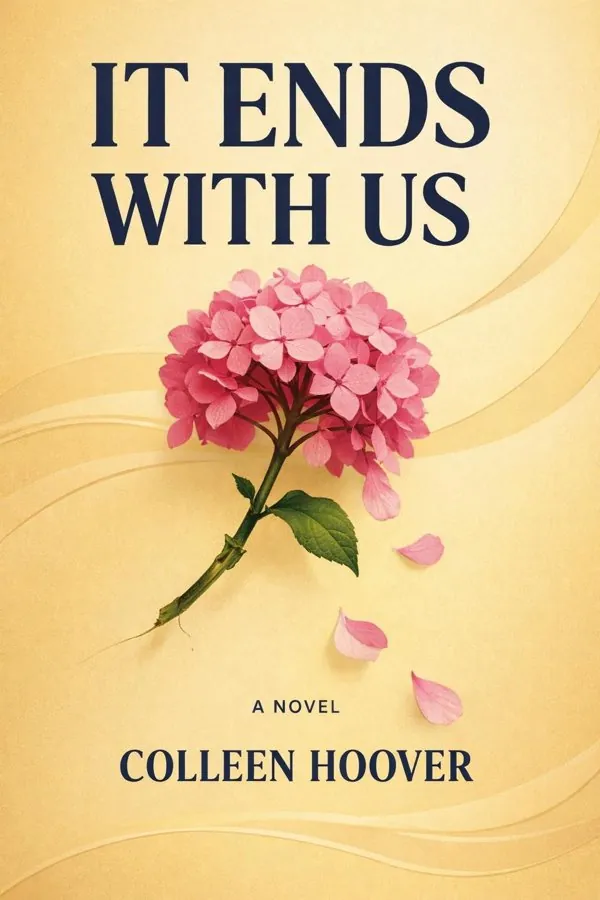

It Ends with Us
November 9
In-Depth Analysis
Although both It Ends with Us and November 9 are contemporary romances by Colleen Hoover, they are built to do very different kinds of emotional work. One uses romance as an entry point into the psychology of abuse; the other uses romance as a framework for destiny, reinvention, and the ethics of storytelling. Reading them side by side reveals not just two love stories, but two distinct versions of what Hoover believes fiction can accomplish.
It Ends with Us is the more thematically ambitious novel. Lily Bloom's relationship with Ryle Kincaid initially appears to fit a familiar contemporary-romance pattern: a driven, attractive man meets an independent woman and intense chemistry follows. But Hoover destabilizes that pattern almost immediately. The rooftop conversation with Ryle is flirtatious and revealing, yet it also introduces key traits that later become alarming: emotional volatility, a desire for control, and a tendency to define reality on his own terms. What makes the novel effective is that Ryle is not framed as monstrous from the start. He is attentive, vulnerable in selective ways, professionally successful, and capable of tenderness. That complexity mirrors the central truth the book wants to communicate: abusive relationships are often sustained not by constant terror, but by cycles of charm, injury, apology, and hope.
The structure deepens this effect. Lily's present-day romance is interwoven with journal entries addressed to Ellen DeGeneres, which recount her teenage bond with Atlas Corrigan and her memories of her father's abuse of her mother. These sections are not decorative backstory. They create a layered comparison between two models of intimacy. Atlas represents care without coercion; he is poor, precarious, and wounded, but he consistently treats Lily's vulnerability as something to protect rather than exploit. Ryle, by contrast, embodies the seductive danger of a partner whose love is intense but unsafe. The emotional power of the novel comes from Lily's dawning realization that she is reenacting the very pattern she once judged from the outside in her mother's life.
November 9 works on a different register. Its premise is overtly high-concept: Fallon and Ben meet on November 9 and continue seeing each other only on that date each year. This device gives the novel a built-in rhythm of anticipation, and Hoover uses it cleverly. Each reunion allows her to compress a year's worth of emotional change into one charged encounter. Fallon arrives carrying scars from a fire, along with diminished self-confidence and fear about being seen as damaged. Ben arrives with charisma, wit, and an aspiring writer's fascination with narrative. Their arrangement creates the fantasy of a love preserved from everyday erosion, but it also raises a subtle question: can people truly know each other through curated annual moments?
That question becomes central as the book unfolds. Where It Ends with Us emphasizes pattern recognition, November 9 emphasizes revelation. Ben is not dangerous in the same recognizable, escalating way Ryle is; instead, the threat comes from hidden authorship, withheld truth, and the possibility that one person's version of events has shaped the relationship from the beginning. The novel's concern with storytelling is crucial here. Ben is not only a romantic lead; he is a mediator of reality, someone whose power lies in turning experience into narrative. This makes the eventual rupture more than a plot twist. It challenges the romance itself by asking whether intimacy can survive once the story one person has been living inside is exposed as partial or manipulated.
In emotional terms, the books therefore strike very different notes. It Ends with Us is more painful, more morally urgent, and less interested in preserving the fantasy that love can heal everything. Its climax matters precisely because Lily's final choice is not dramatic in a conventional romantic sense. She does not defeat Ryle through revenge or grand confrontation; she chooses separation in order to protect herself and her child. That decision gives the book unusual force. It redefines courage not as enduring suffering, but as refusing to pass it on.
November 9 is more classically melodramatic. Its strongest emotions come from longing, missed chances, idealization, and betrayal. Fallon and Ben are separated less by overt harm than by time, personal shame, and narrative concealment. As a result, the book is more overtly addictive as a page-turner. The annual-meeting structure creates an episodic suspense that many readers find irresistible. Yet it is also narrower in moral scope. The central question is whether these two people can forgive and deserve each other, not whether a person can survive and interrupt a generational pattern of violence.
The contrast also highlights two versions of Hoover's male leads. Ryle is compelling because he embodies the danger of charisma without accountability; Ben is compelling because he embodies the allure and risk of romantic narration itself. In one book, the problem is excusing cruelty because it exists alongside love. In the other, the problem is mistaking a beautifully told connection for a fully honest one.
For that reason, It Ends with Us is ultimately the stronger and more enduring novel. It uses romance conventions only to critique them, especially the cultural habit of confusing intensity with devotion. November 9 is effective entertainment with genuine emotional insight, especially around self-image and the stories people tell to survive pain. But It Ends with Us reaches further. It does not simply ask whether love can last. It asks what love becomes when tested against dignity, memory, and the responsibility to end inherited harm. That question gives it greater weight, and it is why readers often leave it shaken in a way that November 9, however moving, does not quite match.
Side-by-Side Comparison
| Aspect | It Ends with Us | November 9 |
|---|---|---|
| Core Philosophy | It Ends with Us argues that love is not enough when harm and control enter a relationship. Its central philosophy is about recognizing abuse clearly and choosing to break an inherited cycle, even when leaving means giving up a passionate attachment. | November 9 is built around the idea that timing, personal growth, and storytelling shape love as much as chemistry does. It treats romance as something tested by distance, secrecy, and the question of whether two people can become worthy of each other over time. |
| Writing Style | Hoover uses an emotionally direct, confessional style, especially through Lily's journal entries to Ellen, which contrast innocence, memory, and present-day danger. The prose is accessible but strategically layered, gradually revealing how denial and rationalization operate. | The style in November 9 is brisker, more overtly romantic, and structured around annual encounters that create anticipation and cliffhanger-like momentum. Its dual emotional register mixes playful banter with dramatic revelations tied to Ben's role as a writer and narrator of events. |
| Practical Application | Readers may take from It Ends with Us a clearer emotional vocabulary for identifying red flags: minimization, apology cycles, possessiveness, and the way abuse escalates through moments that can initially be explained away. It has practical relevance for discussions about boundaries, intergenerational trauma, and why leaving is difficult. | November 9 offers less real-world guidance and more reflection on trust, self-image, and the consequences of romantic idealization. Its practical application lies in considering emotional honesty, self-worth after trauma, and how narratives can distort what we think we know about another person. |
| Target Audience | It Ends with Us suits readers who want a contemporary romance-adjacent novel with heavy emotional stakes and serious social themes. It particularly appeals to readers interested in stories about resilience, women's choices, and complex portrayals of abusive relationships. | November 9 is better suited to readers who enjoy high-concept contemporary romance, fated encounters, and relationship drama unfolding across years. It will especially attract fans of twist-driven emotional storytelling and intense chemistry between leads. |
| Scientific Rigor | As a novel, it is not scientific, but it aligns more closely with recognizable psychological patterns of abuse: charm preceding control, cyclical remorse, and the victim's conflicted attachment. Its emotional logic often feels grounded in lived reality rather than genre fantasy. | November 9 is also not scientific and is more stylized in its construction, leaning into coincidence and narrative design over psychological realism. Its emotional turns are compelling, but they are sometimes driven more by dramatic revelation than by careful behavioral plausibility. |
| Emotional Impact | The novel's impact is often devastating because readers experience Lily's hope, confusion, fear, and final act of self-preservation from the inside. Scenes involving Ryle's violence and Lily's reflections on her mother force readers to confront how abuse coexists with tenderness. | November 9 hits hardest through longing, missed timing, betrayal, and the pain of discovering hidden motives. Its emotional effect is more romantic-melodramatic than harrowing, centering on heartbreak, forgiveness, and the ache of deferred connection. |
| Actionability | Among the two, It Ends with Us is more actionable because it can help readers name patterns they may otherwise romanticize. It encourages reflection on what healthy love should exclude, not merely what passion can excuse. | November 9 is less actionable in a practical sense, though it can prompt readers to think about whether chemistry should outweigh trust. Its takeaways are more personal and interpretive than behavioral. |
| Depth of Analysis | It Ends with Us has greater thematic depth because it constantly compares present choices with inherited trauma, especially through Lily's memories of her parents and Atlas's contrast with Ryle. The book is not just asking whom Lily loves, but what kind of life she will normalize for her child. | November 9 has thematic depth in its meditation on identity and storytelling, especially the way Ben's authorship intersects with guilt and manipulation. Still, its analysis remains more tightly focused on the lovers' bond than on broader social structures. |
| Readability | The prose is highly readable and emotionally immediate, though the subject matter can make it heavy and sometimes distressing. Readers often move quickly through it because each revelation reframes earlier moments. | November 9 is even more page-turning in a conventional commercial-romance sense due to its annual structure and built-in suspense. It is easy to read quickly because each November meeting functions like a dramatic checkpoint. |
| Long-term Value | It Ends with Us tends to linger longer because its questions about love, self-deception, and generational violence remain morally and emotionally provocative after the plot ends. Many readers revisit it less for comfort than for its difficult honesty. | November 9 offers strong reread value for readers who enjoy noticing foreshadowing and structural clues once the revelations are known. Its long-term value lies more in emotional entertainment and narrative design than in social insight. |
Key Differences
Romance as Critique vs Romance as Design
It Ends with Us uses romance partly to challenge romantic myths, especially the belief that passion can redeem harmful behavior. November 9 embraces a more constructed romantic premise, using annual meetings and delayed connection to heighten longing and suspense.
Abuse Cycle vs Hidden Truth
The central tension in It Ends with Us comes from Lily gradually recognizing the cycle of violence, apology, and self-deception in her relationship with Ryle. In November 9, the tension comes less from escalating harm and more from revelation, secrecy, and the consequences of Ben's concealed role in the story.
Atlas as Ethical Contrast vs Ben as Narrative Puzzle
Atlas functions as a moral and emotional counterpoint to Ryle, showing Lily what care without domination looks like. Ben, on the other hand, is not a contrast figure but a puzzle figure; his appeal is bound up with what Fallon and the reader do not yet know about him.
Memory and Inheritance vs Timing and Fate
It Ends with Us is deeply shaped by family memory, especially Lily's childhood exposure to her father's abuse and her fear of repeating her mother's life. November 9 is shaped by timing and ritual, with each November meeting emphasizing how people change between encounters and whether destiny can survive distance.
Moral Urgency vs Romantic Suspense
Reading It Ends with Us often produces dread because the reader senses the stakes are about safety, dignity, and a child's future. Reading November 9 produces anticipation because the stakes are organized around reunion, confession, and whether the lovers can overcome what has been hidden.
Realism of Conflict
The conflict in It Ends with Us feels closer to social reality, especially in its depiction of why intelligent, self-aware people may still stay in abusive relationships. November 9 operates with more overt romantic stylization, where the once-a-year structure itself signals a heightened, almost cinematic design.
Ending Harm vs Earning Forgiveness
Lily's ending is powerful because it centers on ending harm rather than preserving the relationship at all costs. Fallon and Ben's ending is more focused on whether forgiveness is possible once pain and deception have been fully confronted.
Who Should Read Which?
Reader who wants emotionally intense fiction with serious real-world themes
→ It Ends with Us
This reader will likely appreciate Lily's layered conflict, the depiction of generational trauma, and the book's refusal to romanticize abuse. It offers not just feeling, but ethical and psychological substance.
Reader who loves twisty, high-concept contemporary romance
→ November 9
The once-a-year structure gives the novel a built-in hook, and the unfolding secrets keep the pages turning. It is ideal for someone who wants yearning, surprise, and a more conventionally bingeable romantic arc.
Reader interested in character contrast and relationship red flags
→ It Ends with Us
The contrast between Atlas and Ryle provides a sharp lens for evaluating what care, safety, and control look like in practice. Readers who like analyzing behavior and emotional patterns will find more to unpack here.
Which Should You Read First?
For most readers, It Ends with Us should come first. It provides the more substantial introduction to Colleen Hoover's strengths: emotionally direct prose, addictive pacing, morally complicated relationships, and a willingness to move beyond simple romance into difficult territory. Starting there also helps calibrate expectations, because it shows that Hoover's work can use romantic intensity to explore trauma and self-preservation rather than just sweeping attraction. Read November 9 second if you want to stay in Hoover's emotional world but shift into something more overtly high-concept and twist-driven. After the heaviness of Lily and Ryle's story, Fallon and Ben's once-a-year structure will feel faster and more overtly engineered for suspense. That sequence also sharpens the contrast between the two books: first, a novel about breaking a real and painful cycle; then, a novel about how stories, secrecy, and timing shape romantic connection. The exception is mood. If you want something more purely romantic before taking on a darker, more painful book, start with November 9 and save It Ends with Us for when you are ready for greater emotional weight.
Want the full summary?
Get instant access to this book summary and 100K+ more with Fizz Moment.
Get Free SummaryAvailable on App Store • Free to download
Frequently Asked Questions
Is It Ends with Us better than November 9 for beginners to Colleen Hoover?
If by "beginners" you mean readers who want to understand why Colleen Hoover became so widely discussed, It Ends with Us is usually the stronger starting point. It showcases her talent for emotional immediacy, dramatic relationship dynamics, and highly discussable moral tension. That said, it is also much heavier because of its detailed portrayal of domestic abuse. November 9 may be easier for beginners who want a more overtly romantic, twist-driven reading experience with less social realism. So the answer depends on what kind of beginner you are: if you want depth and seriousness, start with It Ends with Us; if you want a fast, high-concept love story, start with November 9.
Which is more emotional, It Ends with Us or November 9?
Both novels are emotional, but they hurt in different ways. It Ends with Us is more devastating because its emotions are tied to fear, denial, intergenerational trauma, and the terrible complexity of loving someone who harms you. Lily's scenes with Ryle are difficult precisely because tenderness and violence coexist. November 9 is emotional in a more melodramatic romance sense: longing, yearly reunions, betrayal, and forgiveness drive the tears. If you are asking which book leaves the deeper wound, It Ends with Us usually does. If you are asking which feels more like a sweeping roller coaster of romantic yearning, November 9 is likely the answer.
Is November 9 or It Ends with Us more realistic in its relationship portrayal?
It Ends with Us is generally more realistic in its relationship portrayal because it captures recognizable patterns of abuse with unsettling precision. Ryle's progression from charm to control, followed by remorse and promises, reflects a cycle many readers find painfully believable. November 9, by contrast, is emotionally sincere but structurally more stylized. The once-a-year meeting premise is intentionally romantic and somewhat artificial, designed to heighten anticipation and fate. Its character dynamics still contain truth, especially around insecurity and secrecy, but the overall setup feels more like a narrative device than a slice of ordinary life.
What themes make It Ends with Us different from November 9?
The biggest thematic difference is that It Ends with Us is fundamentally about ending a cycle of abuse, while November 9 is about timing, identity, and the stories people create around love. Lily's arc is shaped by memory: watching her mother stay, remembering Atlas's gentleness, and realizing she must choose differently for herself and her daughter. Fallon and Ben's story is shaped by performance and revelation: how each annual meeting preserves an image of the relationship, and how hidden truth destabilizes that image. One book asks what love cannot excuse; the other asks whether love can survive once the narrative surrounding it breaks.
Should I read It Ends with Us or November 9 if I want a page-turner romance?
If your priority is a page-turner romance, November 9 may be the better pick. Its annual-meeting structure creates built-in suspense, and each encounter ends with new emotional stakes that push you forward quickly. It Ends with Us is also compulsively readable, but its momentum comes from dread, recognition, and moral conflict rather than romantic anticipation alone. In other words, November 9 reads more like a dramatic relationship puzzle, while It Ends with Us feels like an emotionally intense confrontation with reality. For pure binge-reading energy, November 9 has the lighter narrative machinery, even if It Ends with Us is the more powerful book overall.
Which book has the stronger message: It Ends with Us or November 9?
It Ends with Us has the stronger message because its central insight extends beyond the couple at its center. The novel insists that love does not justify harm and that breaking intergenerational patterns may require painful, unsentimental choices. That message is reinforced through Lily's memories of her mother and through Atlas as a contrast to Ryle's behavior. November 9 also has a message, especially about honesty, self-worth, and the power of stories to shape relationships, but it is more private and individual. Its lessons matter most to the lovers involved, whereas It Ends with Us speaks to broader social and emotional realities.
The Verdict
If you are choosing between these two novels on literary and emotional grounds, It Ends with Us is the stronger, more consequential book. While both novels deliver Colleen Hoover's signature readability and emotional intensity, It Ends with Us does more than entertain. It uses the framework of romance to expose the logic of abuse, the seduction of denial, and the immense courage required to leave a harmful relationship. Lily's journey has weight because the book refuses easy fantasy; its most powerful act is not falling in love, but deciding what love must never permit. November 9 is still a compelling choice, especially for readers who want a more conventionally addictive romantic structure. Fallon and Ben's yearly meetings create a memorable premise, and the novel's focus on scars, reinvention, and hidden truths gives it genuine emotional pull. It is twistier, lighter in thematic burden, and often easier to consume in one sitting. But when compared directly, November 9 feels narrower. Its strongest effects come from suspense and revelation, while It Ends with Us continues resonating after the plot ends because it engages real moral complexity. If you want the more entertaining high-concept romance, choose November 9. If you want the richer, more affecting, and more socially meaningful novel, choose It Ends with Us. For most readers seeking the best overall reading experience, It Ends with Us is the clear recommendation.
Related Comparisons
Want to read both books?
Get AI-powered summaries of both It Ends with Us and November 9 in just 20 minutes total.