
Dare to Lead vs Start With Why: Which Should You Read?
A detailed comparison of Dare to Lead by Brene Brown and Start With Why by Simon Sinek. Discover the key differences, strengths, and which book is right for you.

Dare to Lead
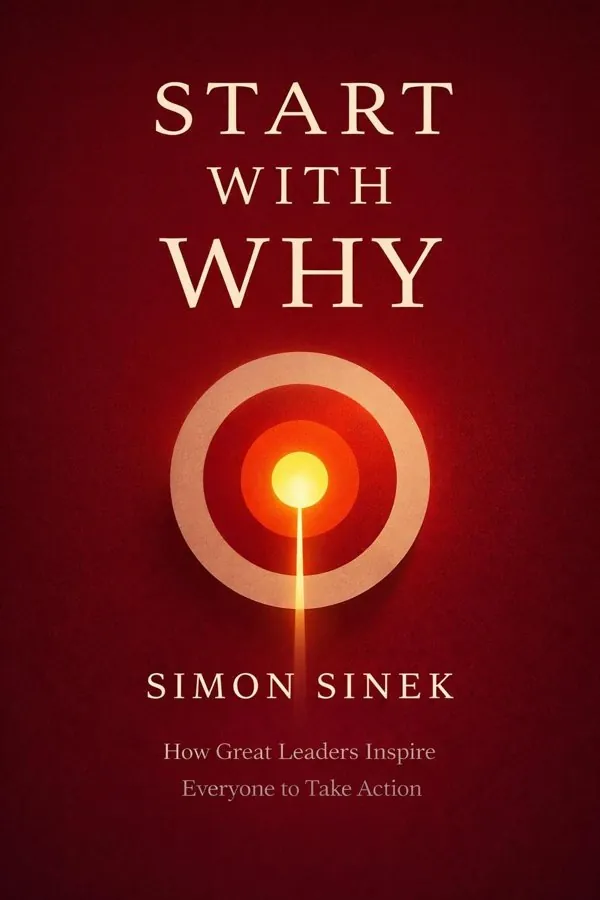
Start With Why
In-Depth Analysis
Dare to Lead by Brené Brown and Start With Why by Simon Sinek are both landmark works in the contemporary leadership canon, yet they approach the subject from fundamentally different vantage points. Brown, a research professor with deep roots in social work and qualitative research, frames leadership as an act of courageous vulnerability. She argues that effective leaders are those who recognize and embrace discomfort, model empathy, and are willing to have difficult conversations—what she calls 'rumbling with vulnerability.' Brown’s methodology is rooted in data: over two decades of interviews, focus groups, and grounded theory research. She introduces tools like the BRAVING trust inventory, which breaks trust into measurable behaviors (Boundaries, Reliability, Accountability, Vault, Integrity, Nonjudgment, Generosity), and she provides scripts and reflective exercises for leaders to use in real-life situations.
In contrast, Simon Sinek’s Start With Why is less about internal transformation and more about external inspiration. Sinek’s central thesis, encapsulated in the Golden Circle model, posits that great leaders and organizations communicate from the inside out: they start with 'why' (their purpose), then move to 'how' (their process), and finally 'what' (their product). Sinek’s methodology is more anecdotal and relies on high-profile business case studies—Apple, Southwest Airlines, and Martin Luther King Jr.—to demonstrate how clarity of purpose can galvanize teams and create loyal customers. Rather than focusing on personal development or emotional intelligence, Sinek encourages readers to articulate and broadcast their core beliefs to inspire action.
Philosophically, Brown’s approach is introspective. She challenges readers to examine their own fears, biases, and emotional triggers. For example, in 'The Armory,' Brown discusses the psychological defenses people use to avoid vulnerability—perfectionism, cynicism, emotional numbing—and how these inhibit authentic leadership. She advocates for 'living into our values' as a daily practice, not a vague aspiration. Her emphasis on 'rumbling' means leaders must repeatedly engage in honest, sometimes uncomfortable dialogue, both with themselves and with their teams. Brown’s approach is as much about self-mastery and personal healing as it is about organizational outcomes.
Sinek’s philosophy is more outward-facing and collective. He insists that people don’t buy what you do, they buy why you do it. In practice, this means organizations should obsess over their foundational purpose and align every action to that north star. Sinek contrasts inspiration with manipulation: while many businesses use price drops or fear to drive short-term behavior, true leaders inspire loyalty by communicating a genuine belief. This insight is powerfully illustrated through Apple’s marketing, but Sinek’s examples sometimes veer into the repetitive or lack critical interrogation of failure cases.
In terms of practical implications, Brown’s book equips readers with a suite of repeatable, concrete practices. For instance, she provides conversation guides for giving feedback, strategies for rebuilding trust, and ways to foster psychological safety. Her work is especially relevant for leaders managing complex, emotionally charged team environments. On the other hand, Sinek’s framework is broadly applicable at both the organizational and individual level, but the lack of granular instructions may leave some readers wanting more actionable advice. Readers inspired by Start With Why often need to supplement Sinek’s ideas with additional resources to implement them fully.
While both books emphasize trust and authenticity, Brown’s focus is on the interior work necessary for sustainable leadership: confronting shame, building resilience, and leading with empathy. Sinek’s focus is on the external articulation of purpose as a lever for collective action. Brown’s data-driven rigor and emotional depth make her book a better fit for those seeking to transform team culture and personal leadership habits. Sinek’s accessible storytelling and memorable framework make Start With Why ideal for those launching new ventures, rebranding, or seeking to rally teams around a shared mission.
Ultimately, Dare to Lead and Start With Why are complementary. Brown gives readers the internal tools for brave leadership, while Sinek challenges them to clarify and communicate their deepest convictions to the world. Both are essential for leaders seeking to make a lasting impact, but the choice depends on whether one’s greatest need is inner transformation or outward inspiration.
Side-by-Side Comparison
| Aspect | Dare to Lead | Start With Why |
|---|---|---|
| Core Philosophy | Dare to Lead is grounded in the belief that courageous leadership stems from vulnerability, empathy, and the willingness to rumble with difficult emotions and conversations. | Start With Why centers on the idea that great leaders and organizations begin with a clear sense of purpose—their 'why'—which drives all decisions and inspires others. |
| Writing Style | Brown’s style is warm, conversational, and personal, blending narrative storytelling with research findings and reflective exercises. | Sinek’s tone is motivational and illustrative, relying heavily on anecdotes, case studies, and repetition of core principles for emphasis. |
| Practical Application | The book offers actionable tools such as the BRAVING inventory, guided self-reflections, and strategies for tough conversations. | Start With Why provides a framework—the Golden Circle—and encourages organizations to articulate their 'why', but offers fewer step-by-step exercises. |
| Target Audience | Aimed at leaders at all levels, especially those seeking to foster psychological safety and emotional intelligence within teams. | Best suited for entrepreneurs, managers, and organizations looking to inspire movement and loyalty through purpose-driven messaging. |
| Scientific Rigor | Brown bases her insights on years of qualitative research, particularly in social work and psychology, and often references her data and methodologies. | Sinek draws from business case studies and interviews, with less emphasis on formal research methodology and more on persuasive storytelling. |
| Emotional Impact | The book elicits strong emotional resonance through personal stories and vulnerability, encouraging readers to reflect on their own feelings and behaviors. | The emotional appeal comes from inspiring examples of visionary leaders, but the tone is more rallying than introspective. |
| Actionability | Readers leave with clear, structured steps for building trust, addressing shame, and engaging in courageous leadership practices. | The main actionable takeaway is to define and communicate your 'why', but practical, granular advice is limited. |
| Depth of Analysis | Brown delves deeply into the psychological barriers to effective leadership, unpacking complex emotions and team dynamics. | Sinek focuses on the broad motivational impact of purpose, with less exploration of underlying psychological mechanisms. |
| Readability | Accessible and relatable, though the emotional depth may require more reflection and engagement from the reader. | Highly readable, straightforward, and suitable for quick consumption, with memorable catchphrases and diagrams. |
| Long-term Value | Offers a toolkit for ongoing self-improvement and relationship-building, making it a resource for repeated reference. | Its central message is memorable and applicable, but once internalized, the book offers less in terms of evolving strategies. |
Key Differences
Focus on Vulnerability vs. Purpose
Dare to Lead centers on vulnerability, emotional intelligence, and courageous conversations as the foundation of effective leadership. Start With Why focuses on clarifying and communicating a central purpose to inspire collective action.
Methodological Approach
Brown’s book is grounded in over twenty years of qualitative research, offering data-rich, evidence-based insights. Sinek relies on persuasive anecdotes and high-profile case studies, with less emphasis on scientific rigor.
Practical Tools
Dare to Lead provides readers with concrete frameworks—such as BRAVING trust—and exercises for immediate application. Start With Why offers a conceptual model (the Golden Circle) but fewer hands-on tools.
Emotional Depth
Brown explores deep emotional barriers like shame, fear, and empathy, encouraging readers to engage in challenging inner work. Sinek’s emotional appeal is more motivational, focused on inspiring action through clarity of vision.
Intended Outcomes
Dare to Lead aims to transform interpersonal dynamics and foster psychological safety within teams. Start With Why seeks to drive organizational alignment and loyalty around a shared mission.
Readability and Accessibility
Sinek’s book is concise, highly readable, and easy to internalize. Brown’s book, while accessible, may require more reflection and engagement due to its emotional depth and interactive exercises.
Applicability to Individual vs. Organization
Dare to Lead is especially valuable for individuals and small teams working on trust and authenticity. Start With Why is best suited for organizations or leaders looking to drive large-scale change through purpose.
Who Should Read Which?
The Visionary Entrepreneur
→ Start With Why
Entrepreneurs looking to build brands or movements will benefit from Sinek’s Golden Circle, which clarifies the power of purpose in leadership and business. The book’s focus on articulating and communicating a compelling 'why' is ideal for those seeking to inspire customers, employees, and stakeholders.
The Team Manager
→ Dare to Lead
Managers responsible for team performance, trust, and resilience will find Brown’s research-backed frameworks and practical tools indispensable. Dare to Lead provides actionable exercises for addressing tough conversations, building psychological safety, and fostering authentic connections.
The Self-Reflective Leader
→ Dare to Lead
Leaders interested in personal growth and emotional intelligence will resonate with Brown’s focus on vulnerability and introspection. The book offers deep insight into overcoming internal barriers and building the courage to lead authentically.
Which Should You Read First?
For most readers, starting with Start With Why is advantageous, especially for those new to leadership or those seeking to launch a new initiative or organizational change. Sinek’s book provides a powerful, memorable framework for understanding the importance of purpose, offering immediate clarity that can help readers set a compelling direction for themselves or their teams. Once readers have articulated their 'why', moving to Dare to Lead allows them to develop the emotional intelligence, trust, and interpersonal skills necessary to sustain and realize that vision within a team context. However, for professionals already working in emotionally complex environments, or for those who have experienced challenges with team trust and psychological safety, beginning with Dare to Lead may make more sense. Ultimately, the optimal order depends on whether the reader needs to clarify their purpose first or develop the emotional tools to enact it.
Want the full summary?
Get instant access to this book summary and 100K+ more with Fizz Moment.
Get Free SummaryAvailable on App Store • Free to download
Frequently Asked Questions
Is Dare to Lead better than Start With Why for beginners in leadership?
Dare to Lead is highly approachable for beginners, offering clear frameworks and exercises for developing self-awareness, trust, and communication skills. However, its focus on vulnerability and emotional depth may require readers to engage in personal reflection, which can be challenging for those new to these concepts. Start With Why is equally beginner-friendly, especially for those who prefer big-picture thinking and inspirational stories. The choice depends on whether a new leader wants introspective personal development (Dare to Lead) or a motivational framework for purpose-driven leadership (Start With Why).
Which book offers more actionable steps for managers?
Dare to Lead provides a wider range of practical tools, including the BRAVING trust framework, scripts for tough conversations, and exercises for clarifying personal values. These make it particularly useful for managers seeking to implement changes in team culture and dynamics immediately. Start With Why, while inspiring, is less prescriptive and focuses more on strategic direction than daily managerial practice. Managers looking for step-by-step guidance will likely find Dare to Lead more immediately actionable.
How do the research methods of Dare to Lead and Start With Why compare?
Brené Brown’s Dare to Lead is built on two decades of qualitative research, including interviews, focus groups, and grounded theory analysis. Brown frequently references her data and shares insights drawn from real-world organizational studies. In contrast, Simon Sinek’s Start With Why relies mainly on business case studies and personal interviews, with less formal research structure. Sinek’s strength is in synthesizing insights from well-known examples rather than original research. Those who value evidence-based approaches may prefer Brown’s methodology.
Is Start With Why suitable for large organizations undergoing change?
Yes, Start With Why is particularly relevant for organizations undergoing transformation, rebranding, or seeking to inspire employees around a new vision. Its Golden Circle model helps align strategy, messaging, and leadership around a central purpose, which can be powerful during periods of change. However, organizations may need to supplement Sinek’s ideas with additional resources or frameworks to address the day-to-day challenges of change management.
Which book is more focused on emotional intelligence?
Dare to Lead places emotional intelligence at the center of its leadership model, emphasizing vulnerability, empathy, and self-awareness. Brown offers specific exercises and reflective practices to cultivate these skills. Start With Why mentions trust and inspiration but does not explicitly address emotional intelligence or provide detailed methods for developing it. Readers seeking to grow their EQ will find Dare to Lead far more in-depth.
Can the ideas from both books be integrated for holistic leadership?
Absolutely. The internal self-mastery and emotional courage championed in Dare to Lead complement the external, purpose-driven inspiration of Start With Why. Leaders who clarify their 'why' and also develop vulnerability and trust can create organizations that are both visionary and resilient. Many leadership development programs now combine insights from both books for a more holistic approach.
The Verdict
Both Dare to Lead and Start With Why are seminal leadership texts, yet they serve distinct purposes and audiences. Dare to Lead is the better choice for those seeking to cultivate self-awareness, emotional intelligence, and trust within their teams. Brené Brown’s research-driven approach offers a robust set of tools for dealing with the messy realities of interpersonal leadership—making it invaluable for managers, HR professionals, and anyone navigating complex team dynamics. Start With Why, on the other hand, excels as a manifesto for purpose-driven action. Simon Sinek’s Golden Circle model is especially powerful for entrepreneurs, executives, and organizations looking to articulate and align around a core mission. If you’re seeking practical steps for personal growth and team cohesion, Dare to Lead delivers both depth and actionable insights. If your primary goal is to inspire and rally others around a compelling vision, Start With Why’s clarity and simplicity will serve you well. Many readers benefit from reading both, using Sinek’s ideas to set direction and Brown’s methods to build the trust necessary to achieve it. Ultimately, your choice should reflect whether you need to start with inner transformation or organizational inspiration.
Related Comparisons


Want to read both books?
Get AI-powered summaries of both Dare to Lead and Start With Why in just 20 minutes total.