
Becoming vs A Promised Land: Which Should You Read?
A detailed comparison of Becoming by Michelle Obama and A Promised Land by Barack Obama. Discover the key differences, strengths, and which book is right for you.
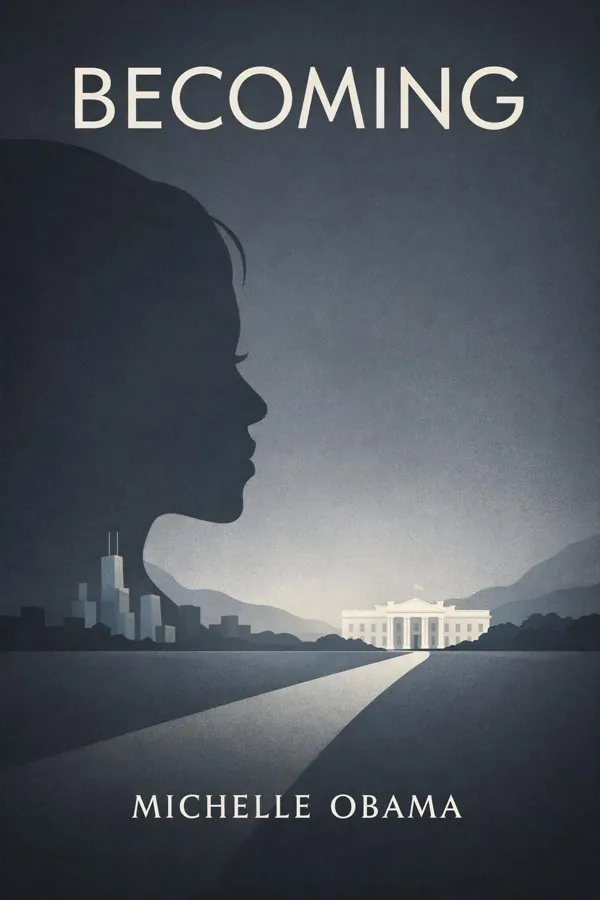

Becoming
A Promised Land
In-Depth Analysis
Michelle Obama’s Becoming and Barack Obama’s A Promised Land are often grouped together because they emerge from the same marriage, historical moment, and public mythology. Yet they are notably different books, not merely in subject but in moral emphasis, narrative structure, and the kind of truth each seeks to tell. If Becoming asks how a person forms a stable self while moving through increasingly unstable social roles, A Promised Land asks how a leader acts ethically inside institutions built on compromise, contingency, and conflict. Taken together, they offer a rare dual portrait: one of private becoming under public pressure, the other of public action under moral pressure.
Becoming is fundamentally a memoir of identity formation. Michelle Obama begins not with national politics but with the South Side of Chicago, where the texture of ordinary life—shared rooms, piano lessons, disciplined parents, neighborhood expectations—creates the ethical grammar of the book. Her childhood sections matter because they establish her core values: effort, self-respect, reliability, and the refusal to see modest means as diminished worth. That grounding explains later episodes, such as her intense academic drive at Whitney Young, Princeton, and Harvard. She does not narrate achievement as simple triumph. Instead, she shows how entering elite spaces can produce a double consciousness: success proves competence, but it also sharpens awareness of exclusion, tokenization, and the exhausting need to justify one’s presence.
This is one reason Becoming has such broad emotional reach. Michelle Obama repeatedly links exceptional circumstances to familiar questions: What counts as success? What happens when the life you were trained to want no longer feels like your life? Her account of corporate law is especially revealing. By all external standards, she has made it, yet the memoir refuses the equation between prestige and fulfillment. That tension becomes one of the book’s central insights: becoming is not upward movement alone, but the harder task of aligning outer accomplishment with inner conviction.
Her treatment of marriage deepens this perspective. Meeting Barack is not framed as entry into destiny but as the beginning of a complex partnership between two ambitious people with different temperaments and callings. The memoir is frank about friction—his political calling, her need for stability, the logistical and emotional weight of child-rearing, and the strain produced by public life. That candor is one of the book’s great strengths. Michelle Obama does not preserve marriage as symbol; she restores it as labor, negotiation, affection, and choice. Even her White House years are filtered through this intimate lens: rather than centering statecraft, she asks what it means to protect daughters, routines, and emotional coherence inside a ceremonial and politicized space.
A Promised Land, by contrast, is less concerned with identity as lived inwardly and more concerned with leadership as tested outwardly. Barack Obama begins with his transnational background—Hawaii, Indonesia, Chicago—not simply to tell a life story but to explain the making of a political imagination. Where Becoming uses early life to establish emotional and moral texture, A Promised Land uses early life to illuminate sensibility: his awareness of pluralism, race, history, and the gap between American ideals and American realities. His move into politics is cast not as vanity but as an experiment in whether values can survive contact with institutions.
That experiment gives the memoir its intellectual shape. Even when recounting campaign episodes, Obama tends to analyze systems: how narratives form in media, how coalitions are assembled, how legislative bargaining distorts purity, how the presidency compresses time and multiplies stakes. The 2008 campaign in his telling is not only a story of inspiration but a study in machinery—message discipline, voter mobilization, strategic decision-making, and the burden of symbolism. As the first Black president, he becomes a vessel for national projection, but he is careful to show the gap between symbolic breakthrough and governing reality.
This gap is the emotional and philosophical center of A Promised Land. The book’s most serious question is not whether hope matters, but how hope survives procedure, opposition, war, economic crisis, and the constitutional limits of power. Obama repeatedly dramatizes the presidency as a role in which every option is compromised by circumstance. That is why his prose often turns explanatory. He wants readers to see not only what happened but why certain outcomes were structurally difficult, why noble ends still required imperfect means, and why democratic governance is often slow by design. In literary terms, this makes A Promised Land less intimate than Becoming but more expansive in institutional scope.
The books also differ in how they handle public persona. Michelle Obama writes against simplification: against being reduced to First Lady, fashion icon, angry Black woman, or supportive spouse. Her memoir insists on personhood beneath projection. Barack Obama writes as someone already synonymous with a public idea—hope, change, post-partisan possibility—and therefore spends more time examining the collision between public narrative and governmental reality. She demystifies the private cost of visibility; he demystifies the public limits of power.
For many readers, Becoming will feel more immediately moving because its stakes are recognizable in daily life: education, work, partnership, parenthood, belonging. A Promised Land may feel more intellectually absorbing because it combines autobiography with a theory of democratic leadership. Neither is better in absolute terms; they are solving different artistic and moral problems. Becoming is the stronger book on selfhood, domesticity, and emotional truth under scrutiny. A Promised Land is the stronger book on institutions, political judgment, and the tragicomedy of trying to govern a divided republic.
Read together, they correct each other’s blind spots. Michelle’s memoir reminds us that history is lived in kitchens, schools, and marriages before it is recorded in administrations. Barack’s memoir reminds us that private virtue alone cannot answer public crisis; institutions matter, and so does the imperfect craft of using them. Together they form a compelling diptych of modern American aspiration: one personal, one presidential; one rooted in becoming, the other in governing what has only been promised.
Side-by-Side Comparison
| Aspect | Becoming | A Promised Land |
|---|---|---|
| Core Philosophy | Becoming is organized around the idea that identity is not fixed but continuously made through family, work, marriage, and public life. Michelle Obama emphasizes self-definition in the face of class expectations, racial bias, and the pressures of visibility. | A Promised Land is driven by the belief that democratic politics is imperfect but morally necessary. Barack Obama frames public life as a constant negotiation between ideals and institutions, asking how conscience can survive compromise. |
| Writing Style | Michelle Obama writes with warmth, intimacy, and scene-based storytelling, often grounding large themes in domestic detail: a cramped South Side apartment, fertility struggles, or the routines of motherhood. The prose is conversational and emotionally accessible. | Barack Obama writes in a more reflective, essayistic, and historically layered style. His memoir frequently moves from anecdote into policy explanation, campaign strategy, or constitutional reflection, producing a more cerebral rhythm. |
| Practical Application | Becoming offers practical value through its treatment of ambition, mentorship, marriage, and balancing career with family. Readers can draw lessons about resilience, educational drive, and adapting when external achievement no longer matches inner purpose. | A Promised Land is practical in a different way: it teaches how leadership works under pressure, how coalitions are built, and why governing requires trade-offs. It is especially useful for readers interested in decision-making, public service, and institutional leadership. |
| Target Audience | Becoming is especially strong for readers seeking a personal memoir about identity formation, race, family, and womanhood. It also appeals to readers who may not usually read political books because its center of gravity is lived experience rather than governance. | A Promised Land is best suited to readers who want political memoir, campaign history, and insight into the presidency. It will particularly reward readers interested in elections, legislation, diplomacy, and the machinery of democratic government. |
| Scientific Rigor | As a memoir, Becoming is not evidence-driven in a scientific sense; its authority comes from lived experience, memory, and emotional honesty. Its insights about class mobility, racism, and work-life balance are persuasive but anecdotal rather than research-based. | A Promised Land is also memoir rather than scholarship, but it includes more policy detail, institutional context, and analytical reconstruction of events. Even so, its rigor remains political and autobiographical, not scientific or academic. |
| Emotional Impact | Becoming often lands more immediately on an emotional level because Michelle Obama foregrounds vulnerability: doubts at Princeton and Harvard, disappointment in corporate law, marital strain, and the ache of losing privacy. Its emotional power comes from recognizable human transitions. | A Promised Land is emotionally resonant in a quieter, more restrained way. Its strongest feelings emerge through the burden of command, the loneliness of leadership, and the tension between soaring campaign hope and the slow reality of governing. |
| Actionability | Readers can more readily translate Becoming into personal action: invest in education, seek mentors, reassess success, protect family rituals, and define yourself beyond titles. The advice is implicit rather than prescriptive, but it is easy to adapt to ordinary life. | A Promised Land is less directly actionable for everyday readers, though it offers valuable models of deliberation, coalition-building, and ethical leadership. Its lessons are most actionable for managers, activists, and those working inside institutions. |
| Depth of Analysis | Becoming offers depth through psychological and relational insight, especially in its portrait of becoming a daughter, professional, spouse, and mother under scrutiny. Its analysis is strongest when examining how public expectation reshapes private identity. | A Promised Land goes deeper on systems: elections, legislative bargaining, national security, race in politics, and the constraints of office. It is broader and more structurally analytical, even when it remains personal. |
| Readability | Becoming is generally the easier, faster read because its chapters move through vivid life stages with a clear narrative arc. The blend of humor, candor, and intimate detail makes it approachable even for memoir beginners. | A Promised Land is highly readable for a long political memoir, but it is denser because it pauses to unpack policy, campaign mechanics, and historical context. Readers less interested in government may find parts slower. |
| Long-term Value | Becoming has enduring value as a memoir of self-construction, Black upward mobility, marriage, and public womanhood in America. Its themes remain relevant well beyond the Obama era because they speak to identity and belonging. | A Promised Land has long-term value both as literature and as a political document of a transformative presidency. It is likely to remain important for readers trying to understand 21st-century American democracy from inside the Oval Office. |
Key Differences
Personal Identity vs Public Leadership
Becoming is centered on Michelle Obama’s evolving sense of self across daughterhood, education, career, marriage, motherhood, and public visibility. A Promised Land is centered on Barack Obama’s evolution as a political actor, tracing how ideals are tested by campaigns, institutions, and executive responsibility.
Domestic Detail vs Institutional Detail
Michelle Obama often builds meaning through concrete family scenes and personal turning points, such as her South Side upbringing or the strain of balancing marriage and parenting with public demands. Barack Obama spends more time on campaign structure, legislative realities, and the constraints of office, making his memoir broader in governmental scope.
Accessibility of Lessons
The lessons in Becoming are easier for most readers to apply directly: pursue education, question externally defined success, protect your relationships, and remain grounded under scrutiny. The lessons in A Promised Land are more specialized, focusing on leadership under pressure, strategic compromise, and managing institutions.
Emotional Register
Becoming is more vulnerable and openly confessional, especially when discussing uncertainty, disappointment, reproductive struggles, and marital tension. A Promised Land is emotionally measured; its feeling comes less from raw confession and more from reflective treatment of responsibility, disappointment, and the weight of decision-making.
Narrative Momentum
Becoming moves through recognizable life stages, which gives it a smooth and highly readable narrative arc. A Promised Land is compelling but more stop-and-think in structure because it frequently pauses to explain political context, history, or policy consequences.
View of the Obama Era
Michelle Obama reveals what the Obama ascent cost and required at the level of household and personal identity. Barack Obama reveals what that ascent meant inside the democratic state, where inspirational politics collides with bureaucracy, opposition, and constitutional limits.
Scope of Analysis
Becoming is narrower in chronology but deeper in psychological and relational texture, especially regarding class, race, ambition, and family. A Promised Land is wider in historical and political analysis, exploring how one administration navigated a divided national landscape.
Who Should Read Which?
Readers interested in personal growth, identity, and emotionally resonant memoir
→ Becoming
Michelle Obama’s memoir is stronger on self-definition, family influence, career uncertainty, and balancing love with ambition. It is especially well suited to readers who want a memoir that feels intimate, motivating, and grounded in everyday human dilemmas.
Readers focused on politics, government, and leadership under pressure
→ A Promised Land
Barack Obama’s memoir offers deeper insight into political awakening, campaign construction, institutional compromise, and the burdens of executive decision-making. It is the better choice for readers who want an inside account of democratic power rather than primarily a personal life story.
Book clubs or general nonfiction readers looking for the fullest understanding of the Obama story
→ Becoming
If choosing just one for group discussion, Becoming usually generates broader conversation because its themes—education, race, work, marriage, motherhood, public image—are widely relatable. It also serves as an excellent gateway into A Promised Land for readers who later want the political and historical expansion.
Which Should You Read First?
For most readers, the best order is to read Becoming first and A Promised Land second. Michelle Obama’s memoir supplies the emotional, familial, and biographical groundwork that makes the broader Obama story feel human rather than merely historical. By the time you reach Barack Obama’s account of campaigns and governing, you already understand the household, values, and sacrifices behind the public image. That gives extra resonance to his descriptions of political ascent and presidential pressure. Starting with Becoming also helps because it is the more immediately accessible book. Its life-stage structure and intimate tone make it an easier way into the world of the Obamas, especially if you are not already a heavy reader of political memoir. Then A Promised Land expands that world outward, showing how the private story intersects with institutions, elections, and national decisions. The reverse order works best only if your main goal is to study leadership or presidential history first. Even then, reading Michelle Obama afterward adds crucial perspective and complexity.
Want the full summary?
Get instant access to this book summary and 100K+ more with Fizz Moment.
Get Free SummaryAvailable on App Store • Free to download
Frequently Asked Questions
Is Becoming better than A Promised Land for beginners?
For most beginners, yes. Becoming is generally the easier entry point because Michelle Obama structures the book around familiar life stages—childhood, school, work, marriage, motherhood, and public life. The prose is warm and story-driven, and readers do not need much prior interest in politics to stay engaged. A Promised Land is also accessible, but it is longer, denser, and more invested in campaign strategy, policy context, and the mechanics of governing. If you are new to memoirs or want a more emotionally immediate reading experience, Becoming is usually the better starting place. If you already enjoy political nonfiction, Barack Obama’s book may be equally rewarding.
Which memoir is more emotional: Becoming or A Promised Land?
Becoming is more openly emotional in tone and structure. Michelle Obama invites readers into intimate moments: her South Side upbringing, her uncertainties in elite academic spaces, her dissatisfaction in corporate law, fertility struggles, the strain on her marriage, and the challenge of raising children under global scrutiny. A Promised Land has emotional depth too, but Barack Obama expresses feeling more through reflection than confession. Its emotional force comes from the loneliness of presidential decision-making, the burden of responsibility, and the tension between hope-filled campaigning and the compromises of government. If you want vulnerability and relational candor, Becoming will likely affect you more strongly.
Is A Promised Land better than Becoming for readers interested in politics and leadership?
Yes, in that specific category A Promised Land is the stronger choice. Barack Obama goes deeply into the architecture of political life: his early political awakening, his movement into the Illinois State Senate, the logic of campaigns, the pressures of the presidency, and the reality that leadership often means choosing among imperfect options. The book is especially valuable for readers who want to understand coalition-building, media narratives, legislative compromise, and executive responsibility. Becoming contains important political insight, especially about race, public image, and civic work, but its primary lens is personal and relational rather than institutional.
Which book offers more practical life lessons: Becoming or A Promised Land?
Becoming offers more immediately transferable life lessons for the average reader. Michelle Obama’s story models discipline in education, the importance of mentors, the courage to question prestigious but unfulfilling career paths, and the challenge of sustaining marriage and parenthood under pressure. Readers can readily apply those insights to school, work, and family decisions. A Promised Land offers practical lessons too, but they are more specialized: strategic thinking, team leadership, public communication, and principled compromise inside organizations. If you want guidance that maps onto everyday life, Becoming is more actionable. If you lead teams or care about institutional decision-making, Barack Obama’s memoir may be more useful.
How do Becoming and A Promised Land differ in writing style?
The contrast is significant. Michelle Obama writes with intimacy, immediacy, and vivid domestic detail. Scenes are often anchored in concrete experiences—a family apartment, school environments, social expectations, parenting routines—which makes the memoir feel personal and embodied. Barack Obama’s style is more meditative and analytical. He often expands from anecdote into broader reflection on democracy, race, law, war, or political structure. In simple terms, Becoming reads more like a life told from the inside out, while A Promised Land reads more like a life interpreted through history and institutions. Readers who prefer warmth and narrative momentum may lean toward Michelle; readers who enjoy reflective argument may prefer Barack.
Should I read Becoming before A Promised Land or the other way around?
For most readers, reading Becoming first works better. Michelle Obama provides the human foundation of the Obama story: family background, career ambition, marriage dynamics, and the emotional costs of public life. That context makes A Promised Land richer because you already understand what the political ascent meant for the household behind the presidency. Reading Barack Obama’s memoir first, however, can be effective if your main interest is political history and you want the campaign-and-governing frame upfront. In general, Becoming is the more welcoming first book, while A Promised Land benefits from the relational and emotional context Michelle Obama supplies.
The Verdict
If you want the stronger all-around memoir as a personal reading experience, choose Becoming. Michelle Obama’s book is more intimate, more immediately moving, and more broadly relatable. Its treatment of ambition, race, education, marriage, motherhood, and self-definition gives it a reach that extends well beyond readers interested in the Obama presidency. It succeeds not because of celebrity access, but because it consistently turns public history back into lived human experience. If your primary interest is leadership, governance, and the actual workings of democratic power, choose A Promised Land. Barack Obama provides unusual access to the mental world of a president: how campaigns are built, how ideals are tested, how crises reshape judgment, and why governing is harder than rhetoric makes it appear. It is a richer political document and a more intellectually system-oriented book. The best recommendation, though, is not either-or but both, with your choice guided by purpose. Read Becoming for identity, resilience, relationships, and emotional truth. Read A Promised Land for politics, history, and institutional analysis. Together they form a fuller narrative than either does alone. Michelle Obama tells you what public ascent feels like from the inside of family life; Barack Obama tells you what public responsibility feels like from inside the state. For most general readers, Becoming is the better first and possibly better overall book. For politically engaged readers, A Promised Land may be the more rewarding second step.
Related Comparisons
Want to read both books?
Get AI-powered summaries of both Becoming and A Promised Land in just 20 minutes total.