
Where the Crawdads Sing vs A Man Called Ove: Which Should You Read?
A detailed comparison of Where the Crawdads Sing by Delia Owens and A Man Called Ove by Fredrik Backman. Discover the key differences, strengths, and which book is right for you.
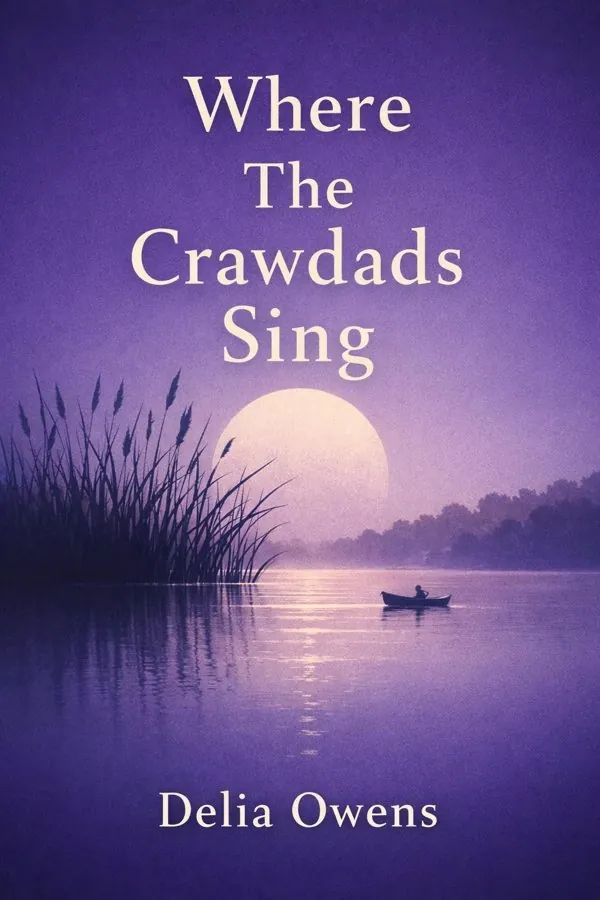
Where the Crawdads Sing
A Man Called Ove
In-Depth Analysis
At first glance, Where the Crawdads Sing by Delia Owens and A Man Called Ove by Fredrik Backman seem to belong to different emotional and narrative universes. Owens gives readers a marsh-soaked Southern coming-of-age mystery centered on abandonment, survival, and social exclusion; Backman offers a contemporary, darkly comic portrait of a widower whose rigid routines conceal unbearable grief. Yet both novels are deeply invested in the same foundational question: what happens to a human being when society withdraws love, and what kinds of attachment make life bearable again?
The most striking difference lies in the form isolation takes in each book. Kya Clark’s isolation is literal, geographic, and developmental. Abandoned first by her mother, then siblings, and finally her father, she grows up in the marsh outside Barkley Cove with almost no socialization. Her loneliness is primal. She must learn to cook, hide, collect mussels, and navigate human institutions from the outside. When she goes into town, she is not merely disliked; she is categorized as the “Marsh Girl,” an object of suspicion and contempt. This means that Owens frames isolation as something imposed early, before the self is fully formed. Kya’s very identity develops under neglect.
Ove’s isolation, by contrast, is social and emotional rather than existentially material. He has had a life within society: work, marriage, routines, a home, and standards. What isolates him is loss, especially the death of Sonja, and the collapse of the usefulness by which he has defined himself. He is not a social outcast in the way Kya is; he is a participant in community who has withdrawn into bitterness. This distinction matters because it shapes the emotional movement of each novel. Where the Crawdads Sing asks whether someone denied nurture can still create a self. A Man Called Ove asks whether someone shattered by grief can re-enter relationship.
Their love stories clarify this difference. In Owens’s novel, Tate Walker represents education, recognition, and the possibility of dignified intimacy. He teaches Kya to read, but the emotional significance of that act is larger than literacy: he confirms that her intelligence deserves cultivation. Their bond is rooted in patience and respect. Chase Andrews, however, introduces the dangers of desire filtered through power and class. He is charming, socially accepted, and able to move between worlds that Kya cannot access. His relationship with Kya dramatizes how vulnerable an isolated person becomes when affection is mixed with deception. Love in Crawdads is therefore inseparable from risk.
In Ove, love is less romantic suspense than moral remembrance. Sonja’s presence in flashbacks explains the man Ove became and the man he might still be. She is not merely the lost spouse whose absence makes him sad; she is the person who interpreted his bluntness, softened his rigidity, and gave his life meaning beyond rules. The contemporary plot then reworks this lost intimacy through community: Parvaneh, her children, the stray cat, and assorted neighbors gradually force Ove back into reciprocal life. Backman’s key insight is that love often arrives as interruption. Ove does not seek healing; healing repeatedly knocks at his door, parks badly, borrows ladders, and refuses to leave him alone.
Stylistically, the books produce emotional depth by opposite means. Owens relies on atmosphere. The marsh is never just setting; it is teacher, shelter, mirror, and moral counterworld to the town’s cruelty. Kya studies gulls, shells, feathers, and mating patterns, and these observations often illuminate human behavior. Owens’s scientific attentiveness gives the natural world precision, while her lyricism gives it symbolic force. The result is a novel in which landscape carries character. Backman, meanwhile, depends on comic timing, repetition, and delayed revelation. Ove’s irritation over regulations, Saab versus BMW loyalties, and neighborhood incompetence initially reads as caricature, but Backman slowly turns these routines into emotional evidence. What seems fussy becomes tragic; what seems severe becomes loyal.
Another major contrast is the role of plot. Where the Crawdads Sing uses the death of Chase Andrews and the courtroom trial to reframe everything readers think they know about Kya. The suspense structure creates momentum, but more importantly it exposes communal prejudice. Kya is easy to accuse because the town has already decided what kind of person she is. The legal drama therefore becomes a study in narrative power: who gets believed, who gets watched, and who remains interpretable only through stigma. The ending, with its revelation about Chase’s death, pushes the novel into moral ambiguity. Owens invites readers to ask whether conventional justice can account for a life shaped by abandonment, threat, and predation.
A Man Called Ove is less concerned with suspense than accumulation. Its plot is episodic: failed suicide attempts interrupted by mundane demands, neighborly crises, bureaucratic frustrations, and small acts of competence. But this episodic quality is central to its meaning. Ove survives not because of one epiphany, but because life keeps making claims on him. He fixes, drives, rescues, and protects before he fully admits that he cares. The novel’s emotional truth lies in this gradualness. Grief is not solved; it is domesticated by responsibility.
If one novel is harsher in its social vision, it is Crawdads. Barkley Cove’s cruelty toward Kya is systemic, rooted in classism, misogyny, and the human urge to mythologize outsiders. Ove’s world also contains indifference and bureaucracy, but Backman is ultimately more forgiving about ordinary people. His supporting characters are flawed, noisy, and often ridiculous, yet they are capable of decency. Owens presents nature as more reliable than society; Backman presents society as irritating but redeemable.
For that reason, the two books leave different aftertastes. Where the Crawdads Sing lingers as an atmospheric meditation on survival and a challenge to readers’ moral certainty. A Man Called Ove lingers as a humane argument that love persists in habits, service, and reluctant belonging. Both are emotionally potent, but Owens leaves readers haunted, while Backman leaves them consoled.
Side-by-Side Comparison
| Aspect | Where the Crawdads Sing | A Man Called Ove |
|---|---|---|
| Core Philosophy | Where the Crawdads Sing argues that identity emerges from the interplay of abandonment, resilience, and the natural world. Kya becomes who she is not through society’s care, but through solitude, observation, and survival in the marsh. | A Man Called Ove centers on the idea that grief can harden into ritual, but human connection can quietly restore meaning. Ove’s life suggests that community, inconvenience, and reluctant love are what rescue people from emotional isolation. |
| Writing Style | Delia Owens writes in lush, sensory prose, especially when describing the North Carolina marsh as both ecosystem and emotional refuge. The novel frequently shifts between lyrical nature writing, intimate coming-of-age scenes, and courtroom suspense. | Fredrik Backman uses a deceptively simple, humorous, and conversational style that balances melancholy with warmth. His short chapters, recurring comic beats, and gradual revelations make Ove’s emotional layers accessible without losing depth. |
| Practical Application | Its practical value is reflective rather than instructional: it deepens readers’ understanding of trauma, class prejudice, and loneliness. Readers may come away thinking more carefully about how social exclusion shapes a person’s choices and public image. | Ove offers more immediate interpersonal lessons about patience, neighborliness, aging, and the hidden burdens people carry. It can change how readers interpret gruff or difficult people by showing how pain often disguises itself as irritability. |
| Target Audience | This novel suits readers who enjoy literary-commercial crossover fiction, atmospheric settings, mystery structure, and strong emotional arcs. It especially appeals to those who like nature writing alongside character-driven drama. | This book is ideal for readers who prefer contemporary domestic fiction with humor, heartbreak, and a strong ensemble cast. It is particularly welcoming to readers who want an emotionally rich novel without dense prose or intricate plotting. |
| Scientific Rigor | Although it is fiction, the book draws credibility from Owens’s background as a wildlife scientist, especially in its depictions of marsh ecology, feathers, shells, tides, and animal behavior. Nature is rendered with unusual observational precision, even when symbolic meaning is layered onto it. | A Man Called Ove has no scientific ambition and instead grounds itself in psychological and social realism. Its strength lies in emotional plausibility rather than empirical or ecological detail. |
| Emotional Impact | Kya’s abandonment by her mother, siblings, and eventually other loved figures creates a deep ache that shapes the novel’s emotional force. The ending adds a morally ambiguous aftershock that leaves many readers moved and unsettled at once. | Ove’s grief over Sonja, his failed suicide attempts, and his reluctant adoption by his neighbors create a powerful mix of sorrow and tenderness. The novel often makes readers laugh in one chapter and cry in the next. |
| Actionability | Its lessons are subtle and internal, encouraging empathy for outsiders and attentiveness to the natural world rather than direct behavioral change. It is more likely to shift perception than prompt concrete action. | Its emotional insights feel easier to translate into daily life: check on your neighbors, allow people to help you, and don’t mistake brusqueness for lack of feeling. Readers may find themselves immediately reflecting on family and community relationships. |
| Depth of Analysis | The novel invites layered interpretation through its treatment of gendered vulnerability, class judgment, social stigma, and the parallel between human and animal survival strategies. The murder plot broadens these themes into questions about justice and how communities construct guilt. | Fredrik Backman uses clean, approachable prose and episodic storytelling that makes the book highly readable even for occasional fiction readers. The emotional clarity of the narration helps difficult themes feel manageable. |
| Long-term Value | Where the Crawdads Sing lingers because of its setting, its heroine’s fierce self-invention, and its provocative ending. It remains memorable for readers who like novels that reward discussion and reinterpretation after the final page. | A Man Called Ove has lasting value as a comfort read with emotional depth; many readers return to it for its blend of humor, grief, and humanity. Its portrait of reluctant belonging tends to remain vivid long after the plot details fade. |
Key Differences
Isolation by Origin vs Isolation by Loss
Kya is isolated from childhood through abandonment and social exclusion, so solitude forms her identity from the beginning. Ove becomes isolated after having lived a structured adult life, which means his loneliness is a collapse of meaning rather than the only world he has ever known.
Nature as Home vs Community as Cure
In Where the Crawdads Sing, the marsh acts as Kya’s teacher, shelter, and emotional companion; she learns to read the natural world before she can trust people. In A Man Called Ove, healing does not come from retreat but from noisy neighbors, a cat, practical tasks, and social entanglement.
Mystery Structure vs Episodic Character Comedy
Owens uses Chase Andrews’s death and the trial to create suspense and to expose the town’s prejudice against Kya. Backman instead builds momentum through repeated interruptions and neighborhood incidents, allowing Ove’s character to unfold gradually rather than through a central mystery.
Romantic Vulnerability vs Marital Memory
Kya’s relationships with Tate and Chase shape the novel’s emotional and moral stakes, especially around trust, betrayal, and female vulnerability. Ove’s defining relationship is with Sonja, whose memory explains his grief and whose legacy is extended through the people he reluctantly helps.
Lyrical Ecology vs Conversational Humanism
Owens writes with sensory, image-rich prose that often links wildlife behavior to human instinct and survival. Backman favors a plainspoken, witty narration that uses humor and understatement to make emotional truths feel immediate and familiar.
Moral Ambiguity vs Emotional Reassurance
Where the Crawdads Sing ends by complicating readers’ understanding of justice and innocence, leaving an aftertaste of unease. A Man Called Ove ultimately reassures readers that love, duty, and community can restore purpose even after profound grief.
Who Should Read Which?
The atmosphere-driven literary reader
→ Where the Crawdads Sing
This reader will appreciate the marsh as a fully realized symbolic landscape and the way Owens blends ecological detail with emotional narrative. The novel offers rich material for readers who enjoy discussing setting, ambiguity, and character psychology.
The empathetic mainstream fiction reader
→ A Man Called Ove
This reader is likely to respond to Backman’s accessible prose, humor, and emotionally generous worldview. Ove delivers heartbreak and warmth in a way that feels intimate without being stylistically demanding.
The book club discussion seeker
→ Where the Crawdads Sing
Its ending, portrayal of prejudice, and treatment of justice versus survival create strong discussion questions. Readers can debate Kya’s relationships, the town’s assumptions, and whether the final revelation reframes the entire novel.
Which Should You Read First?
For most readers, the best order is to read A Man Called Ove first and Where the Crawdads Sing second. Ove is more immediately accessible: its short chapters, comic momentum, and emotionally transparent narration make it easy to enter, even if you do not read literary fiction often. It warms you up to serious themes like grief, aging, and loneliness without demanding that you decode much symbolism or ambiguity. Then move to Where the Crawdads Sing when you are ready for a more atmospheric and interpretively layered experience. Owens’s novel asks for greater patience because it builds through description, memory, and tension between social realism and natural symbolism. Reading it after Ove can be especially rewarding because you will notice how differently the two books handle loneliness: one through reluctant community, the other through near-total self-reliance. The reverse order also works if you prefer mystery and lush setting over domestic realism. But if your goal is maximum emotional range and ease of entry, start with Ove, then let Crawdads deepen and darken the conversation.
Want the full summary?
Get instant access to this book summary and 100K+ more with Fizz Moment.
Get Free SummaryAvailable on App Store • Free to download
Frequently Asked Questions
Is Where the Crawdads Sing better than A Man Called Ove for beginners?
For most beginners, A Man Called Ove is the easier starting point. Backman’s prose is direct, chapter structure is short and inviting, and the emotional arc is immediately legible even when it deals with grief and suicide. Where the Crawdads Sing is still accessible, but its slower atmospheric build, shifts between timeline strands, and courtroom framing demand a bit more patience. That said, beginners who love mystery elements, nature writing, or Southern settings may actually connect more quickly with Crawdads. If readability is your top priority, start with Ove; if mood and setting matter more, Crawdads may be the better first experience.
Which book is more emotional: Where the Crawdads Sing or A Man Called Ove?
Both are highly emotional, but they generate feeling in different ways. Where the Crawdads Sing hurts through abandonment, humiliation, loneliness, and the fragile hope Kya places in people who may leave her. Its emotion is often quiet, aching, and tied to the fear of being unseen. A Man Called Ove, on the other hand, is more overtly manipulative in the best sense: it alternates comedy and sorrow, using Ove’s gruffness to make his grief over Sonja hit harder. If you want a haunting, atmospheric sadness, choose Crawdads. If you want a book that may make you laugh and cry within a few pages of each other, choose Ove.
What are the biggest theme differences between Where the Crawdads Sing and A Man Called Ove?
The central thematic difference is that Where the Crawdads Sing explores survival under abandonment, while A Man Called Ove explores recovery after loss. Kya is formed by neglect from childhood, and the novel studies class prejudice, female vulnerability, solitude, and the natural world as an alternate system of belonging. Ove, however, is formed by duty, marriage, and routine; his crisis begins when those structures collapse. Backman focuses more on grief, aging, masculinity, and accidental community. In short, Crawdads asks how a person becomes self-sufficient when society rejects them, while Ove asks whether self-sufficiency itself can become a prison.
Is A Man Called Ove or Where the Crawdads Sing better if I want strong character development?
If you want a single protagonist shaped over many years, Where the Crawdads Sing offers a more developmental character arc. Readers watch Kya move from abandoned child to self-educated naturalist, romantic partner, accused suspect, and deeply enigmatic adult. Her growth is bound to setting and survival. A Man Called Ove also has excellent character development, but it works differently: Ove is gradually reinterpreted rather than fundamentally transformed. The reader discovers that the irritable old man was always capable of love, sacrifice, and loyalty. So for broad life-course development, choose Crawdads; for layered revelation of a seemingly simple character, choose Ove.
Which novel has more literary depth: Where the Crawdads Sing vs A Man Called Ove?
Where the Crawdads Sing generally offers more material for literary analysis because of its symbolic marsh setting, dual timeline structure, courtroom frame, ecological parallels, and morally provocative ending. Kya’s observations of animal behavior often echo human courtship, predation, and survival, giving the novel a thematic density beyond its page-turning plot. A Man Called Ove has depth too, especially in its treatment of grief, usefulness, and male emotional repression, but it is more transparent in method. Backman aims for emotional clarity and humane insight, while Owens is more interested in ambiguity, atmosphere, and interpretive tension.
Should I read Where the Crawdads Sing or A Man Called Ove if I want a hopeful ending?
A Man Called Ove is the more conventionally hopeful choice. Even though it deals with bereavement and suicidal despair, its overall movement is toward connection, interdependence, and renewed purpose through community. The final feeling is tender and affirming. Where the Crawdads Sing contains elements of vindication and emotional resolution, especially around Kya’s talent and enduring bond with Tate, but its ending is more unsettling than comforting because of the revelation tied to Chase Andrews’s death. If you want to finish a novel feeling warmed by human goodness, choose Ove. If you are comfortable with beauty mixed with moral unease, choose Crawdads.
The Verdict
If you must choose between these two novels, the best recommendation depends on what kind of emotional experience you want. Where the Crawdads Sing is the stronger pick for readers who value atmosphere, layered symbolism, and a protagonist forged by extreme isolation. Its marsh setting is unforgettable, its treatment of abandonment is piercing, and its mystery-courtroom structure gives the novel momentum beyond its coming-of-age core. It is the better choice for book clubs and readers who enjoy discussing ambiguity, social prejudice, and endings that complicate moral certainty. A Man Called Ove, however, is the better all-purpose recommendation for a broad range of readers. It is more approachable in style, more consistently humane in tone, and more immediately applicable to everyday life. Backman’s great achievement is turning a seemingly difficult, abrasive man into one of contemporary fiction’s most beloved characters without sentimental shortcuts. The novel’s blend of humor and grief makes it deeply moving while still easy to read. In pure literary texture, Crawdads is more atmospheric and structurally ambitious. In emotional accessibility and re-read comfort, Ove has the edge. Read Where the Crawdads Sing if you want haunting beauty and ethical complexity. Read A Man Called Ove if you want warmth, sorrow, and a profound reminder that being needed can save a life.
Related Comparisons


Want to read both books?
Get AI-powered summaries of both Where the Crawdads Sing and A Man Called Ove in just 20 minutes total.