
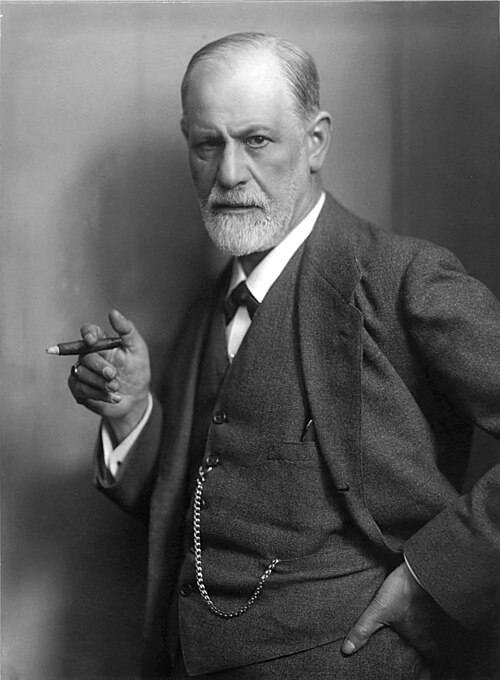
Sigmund Freud Books
Sigmund Freud (1856–1939) was an Austrian neurologist and the founder of psychoanalysis. His theories on the unconscious mind, dream interpretation, and the structure of personality profoundly influenced psychology, literature, and cultural studies throughout the 20th century.
Known for: The Psychopathology of Everyday Life, Beyond the Pleasure Principle, Civilization and Its Discontents, The Ego and the Id, The Interpretation of Dreams
Books by Sigmund Freud
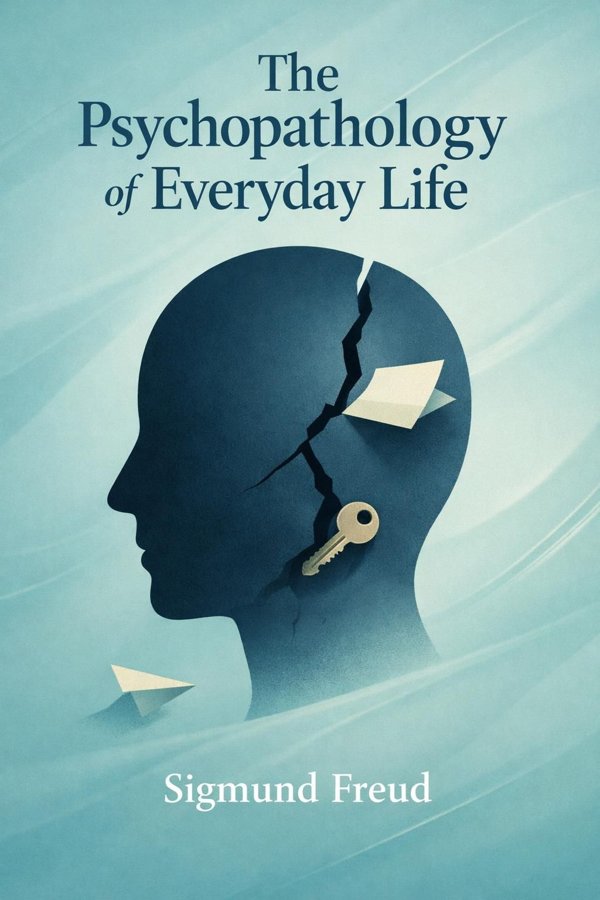
The Psychopathology of Everyday Life
What if your forgotten names, misplaced objects, missed appointments, and verbal slips were not random accidents, but meaningful clues to your inner life? In The Psychopathology of Everyday Life, Sigm...

Beyond the Pleasure Principle
First published in 1920, this seminal work by Sigmund Freud introduces the concept of the death drive, a fundamental instinct that goes beyond the pleasure principle. Freud explores phenomena such as ...

Civilization and Its Discontents
First published in 1930, 'Civilization and Its Discontents' is one of Sigmund Freud’s most influential works. In this seminal text, Freud explores the fundamental tension between the individual’s inst...

The Ego and the Id
First published in 1923, The Ego and the Id is one of Sigmund Freud’s most important and enduring works, marking a major shift in how he explained the human mind. In this brief but dense text, Freud m...
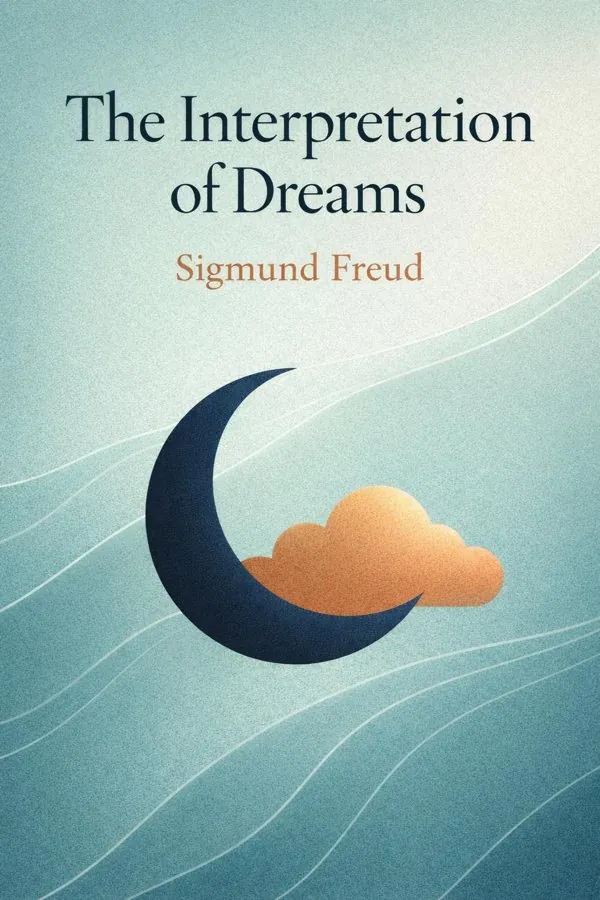
The Interpretation of Dreams
First published in 1900, The Interpretation of Dreams is the book that established Sigmund Freud as one of the most influential and controversial thinkers in modern psychology. In this ambitious work,...
Key Insights from Sigmund Freud
Everyday Mistakes Are Psychologically Meaningful
A forgotten name can be more revealing than a confession. One of Freud’s most provocative claims is that everyday errors are not mere accidents produced by chance, fatigue, or distraction alone. Instead, many of them express hidden mental processes. The mind, in his view, does not simply malfunction...
From The Psychopathology of Everyday Life
Slips of the Tongue Expose Conflict
Speech often betrays what politeness tries to hide. Freud’s discussion of slips of the tongue remains one of the most famous parts of the book because it turns ordinary conversation into psychological evidence. A verbal error, in his interpretation, is not simply a defective word choice. It can be t...
From The Psychopathology of Everyday Life
Forgetting Is Often Motivated, Not Random
What we fail to remember may reveal what we are trying not to face. Freud devotes major attention to forgetting names, intentions, impressions, and experiences, arguing that memory failures are often motivated. Rather than seeing forgetting as a neutral absence, he interprets certain lapses as activ...
From The Psychopathology of Everyday Life
Losing Objects Can Reflect Hidden Intentions
We do not always lose things by accident; sometimes we lose them with psychological assistance. Freud treats misplacing, breaking, and losing objects as small but revealing acts. In many cases, he argues, the lost object is tied to a relationship, duty, memory, or feeling that the person unconscious...
From The Psychopathology of Everyday Life
Unconscious Motives Shape Daily Behavior
Much of what feels spontaneous may be secretly organized from below awareness. Freud’s central contribution in this book is expanding the idea of the unconscious beyond dreams and neuroses into ordinary conduct. Everyday life, he argues, is full of subtle actions shaped by motives we do not recogniz...
From The Psychopathology of Everyday Life
Resistance Appears in Ordinary Mental Life
The mind often protects itself by pretending nothing is happening. Freud uses everyday mistakes to illustrate a broader psychoanalytic principle: resistance. Resistance is the force that keeps threatening thoughts, feelings, memories, or wishes out of awareness. It is not limited to therapy sessions...
From The Psychopathology of Everyday Life
About Sigmund Freud
Sigmund Freud (1856–1939) was an Austrian neurologist and the founder of psychoanalysis. His theories on the unconscious mind, dream interpretation, and the structure of personality profoundly influenced psychology, literature, and cultural studies throughout the 20th century.




Frequently Asked Questions
Sigmund Freud (1856–1939) was an Austrian neurologist and the founder of psychoanalysis. His theories on the unconscious mind, dream interpretation, and the structure of personality profoundly influenced psychology, literature, and cultural studies throughout the 20th century.
Read Sigmund Freud's books in 15 minutes
Get AI-powered summaries with key insights from 5 books by Sigmund Freud.