
Robert H. Frank Books
Robert H. Frank is an American economist and professor at Cornell University’s Johnson Graduate School of Management.
Known for: Success and Luck: Good Fortune and the Myth of Meritocracy, The Darwin Economy: Liberty, Competition, and the Common Good, The Economic Naturalist: In Search of Explanations for Everyday Enigmas
Books by Robert H. Frank
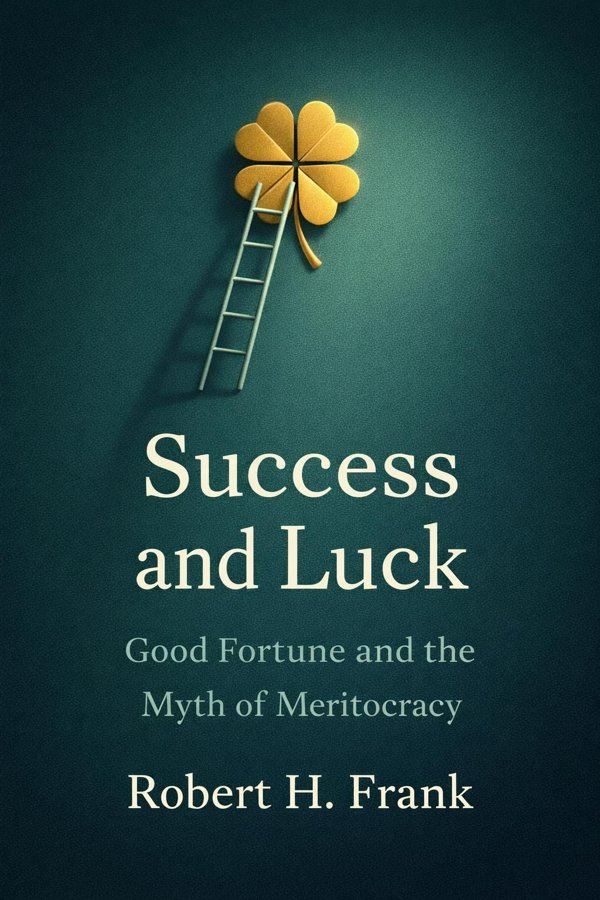
Success and Luck: Good Fortune and the Myth of Meritocracy
In this thought-provoking book, economist Robert H. Frank explores the often-overlooked role of luck in success. Drawing on behavioral economics and real-world examples, Frank argues that talent and h...
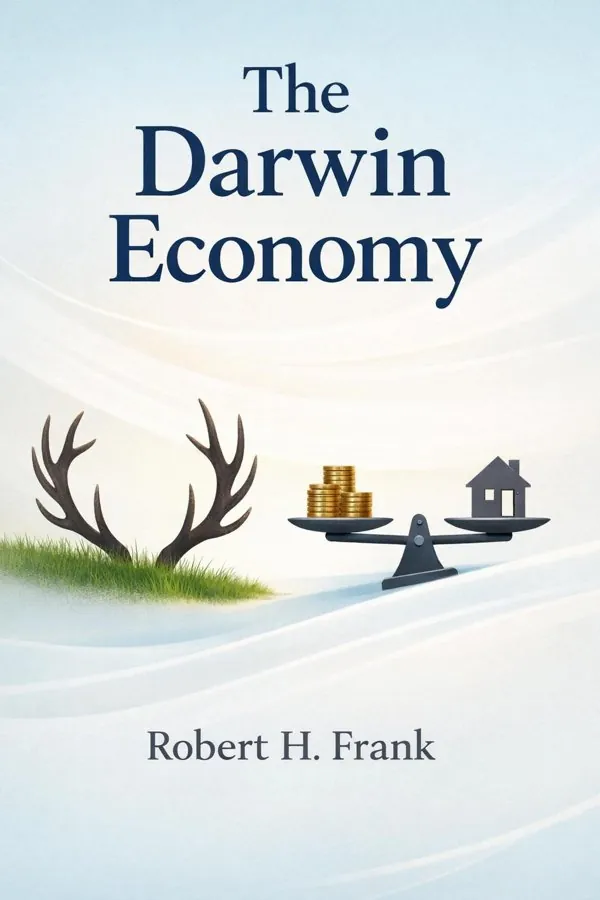
The Darwin Economy: Liberty, Competition, and the Common Good
In The Darwin Economy, economist Robert H. Frank argues that Charles Darwin’s insights into competition provide a more accurate framework for understanding economic behavior than Adam Smith’s invisibl...
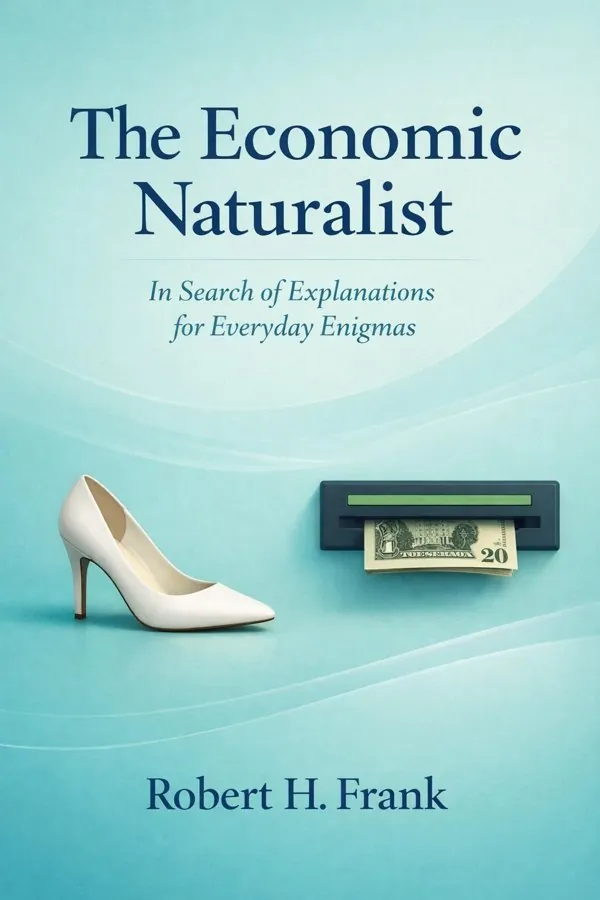
The Economic Naturalist: In Search of Explanations for Everyday Enigmas
In this engaging and accessible book, economist Robert H. Frank uses simple yet powerful economic principles to explain puzzling aspects of everyday life—from why drive-through ATMs have Braille to wh...
Key Insights from Robert H. Frank
Defining Luck and Merit
Before we can talk meaningfully about success, we must clarify what we mean by luck. In everyday conversation, ‘luck’ is a vague concept—a sense that something beyond our control has worked in our favor. In economics, we can define it more precisely as any event that influences outcomes but lies out...
From Success and Luck: Good Fortune and the Myth of Meritocracy
A Personal Anecdote: The Near-Miss that Changed Everything
Several years ago, I experienced an event that seared the reality of chance into my mind. While jogging in Ithaca, I was nearly struck by a car that lost control on an icy road. A few inches, half a second—it was that close. Had I been where I was a moment earlier, I would not be here to write these...
From Success and Luck: Good Fortune and the Myth of Meritocracy
Darwin versus Smith
Adam Smith envisioned a world where self-interest and competition yield harmony. The baker bakes bread not out of generosity but because it profits him, and consumers benefit as if guided by an invisible hand. But Darwin’s framework tells us something different: competition improves relative standin...
From The Darwin Economy: Liberty, Competition, and the Common Good
The Bull Elk Analogy
In one of my favorite examples, I describe the bull elk’s antlers. Each elk grows massive antlers to win in mating contests. Having bigger antlers is essential because rivals have big ones; but the trouble is that these antlers make the elk slower and more vulnerable to predators. The outcome is a c...
From The Darwin Economy: Liberty, Competition, and the Common Good
The Role of Opportunity Cost
At the heart of every sound economic decision lies what economists call opportunity cost — the value of the next best alternative forgone. It’s the invisible price tag attached to every choice you make. When you choose one path, you automatically give up another. Understanding opportunity cost is th...
From The Economic Naturalist: In Search of Explanations for Everyday Enigmas
Incentives and Behavior
If opportunity cost tells us what we give up, incentives tell us why we choose one option over another. The world runs on incentives — not only financial but psychological and social ones. Yet many of our greatest blunders happen when we design incentives poorly or misunderstand how powerfully they ...
From The Economic Naturalist: In Search of Explanations for Everyday Enigmas
About Robert H. Frank
Robert H. Frank is an American economist and professor at Cornell University’s Johnson Graduate School of Management. He is known for his work on behavioral economics, income inequality, and public policy, and has authored several influential books including The Winner-Take-All Society and Luxury Fe...
Read more
Robert H. Frank is an American economist and professor at Cornell University’s Johnson Graduate School of Management. He is known for his work on behavioral economics, income inequality, and public policy, and has authored several influential books including The Winner-Take-All Society and Luxury Fe...
Robert H. Frank is an American economist and professor at Cornell University’s Johnson Graduate School of Management. He is known for his work on behavioral economics, income inequality, and public policy, and has authored several influential books including The Winner-Take-All Society and Luxury Fever.



Frequently Asked Questions
Robert H. Frank is an American economist and professor at Cornell University’s Johnson Graduate School of Management.
Read Robert H. Frank's books in 15 minutes
Get AI-powered summaries with key insights from 3 books by Robert H. Frank.