
Richard Rhodes Books
Richard Rhodes is an American historian, journalist, and author known for his works on science, history, and human behavior. He won the Pulitzer Prize for General Nonfiction for 'The Making of the Atomic Bomb' and has written extensively on nuclear history and technology.
Known for: Dark Sun: The Making of the Hydrogen Bomb, Energy: A Human History, The Making of the Atomic Bomb
Books by Richard Rhodes
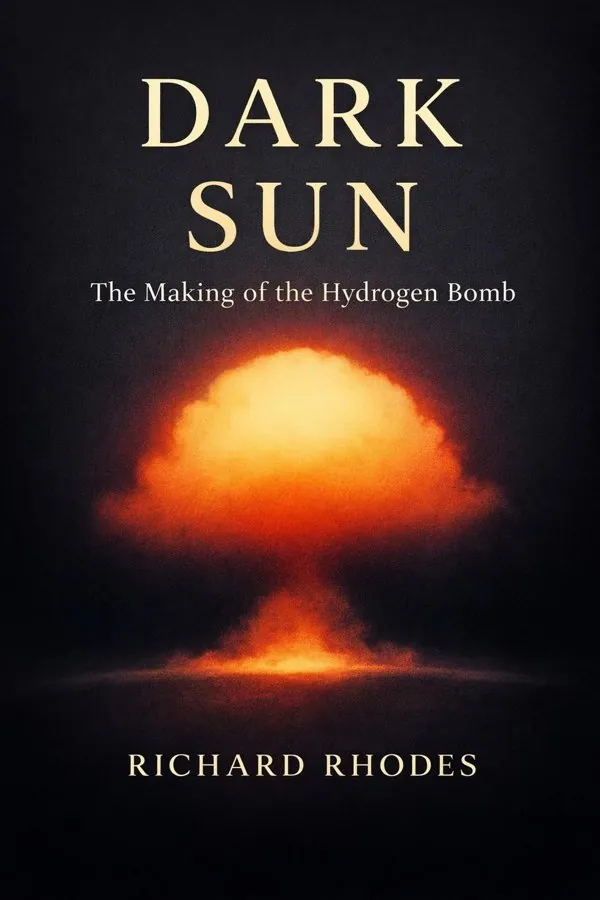
Dark Sun: The Making of the Hydrogen Bomb
Dark Sun: The Making of the Hydrogen Bomb is a sweeping history of how humanity moved from the first atomic bombs to the far more devastating thermonuclear age. Richard Rhodes traces the scientific br...
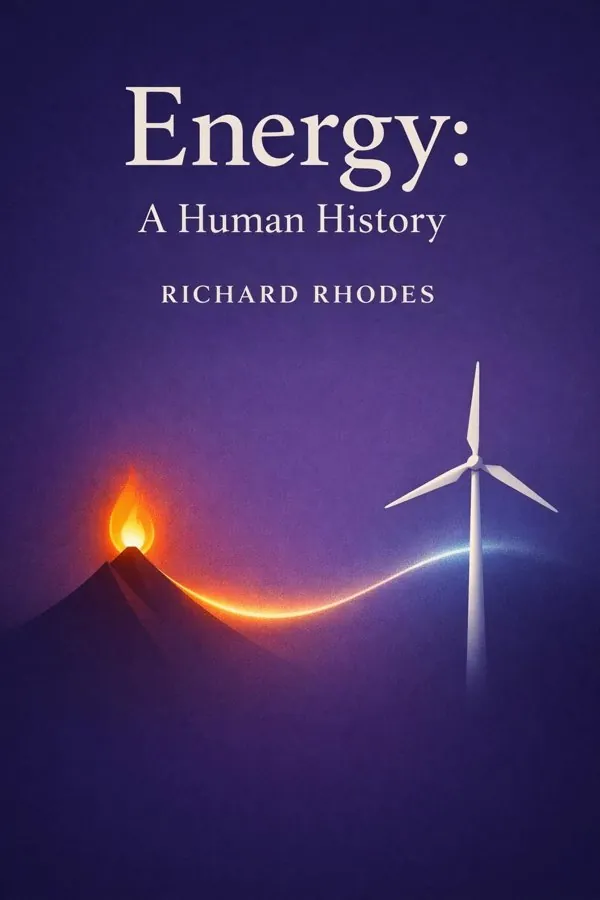
Energy: A Human History
In this sweeping narrative, Pulitzer Prize–winning author Richard Rhodes explores the history of humankind’s quest for energy—from wood and coal to oil, nuclear power, and renewables. The book traces ...
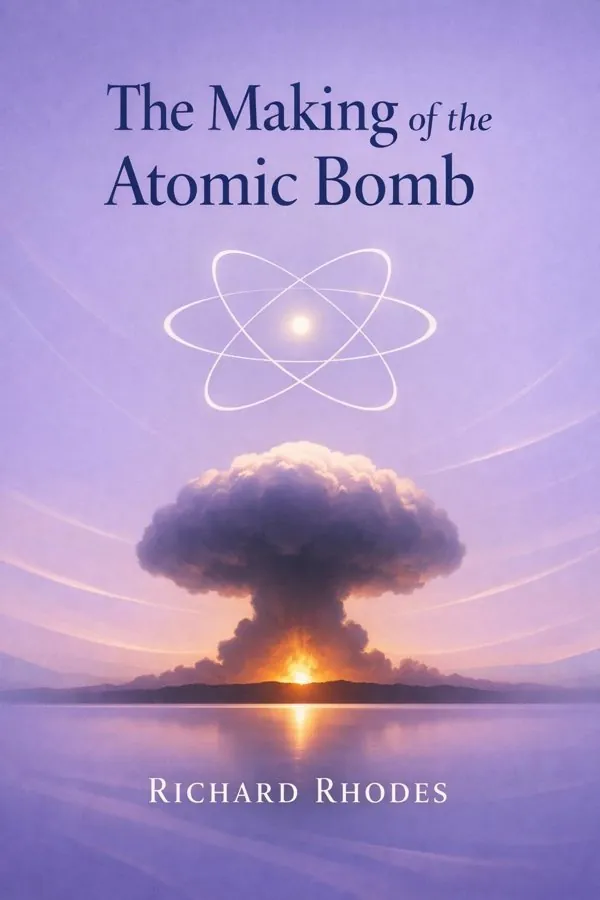
The Making of the Atomic Bomb
The Making of the Atomic Bomb is far more than a history of a weapon. Richard Rhodes tells the story of how modern physics, global war, political fear, and individual ambition converged to create a fo...
Key Insights from Richard Rhodes
The Postwar Landscape and Nuclear Rivalry
A monopoly on ultimate force rarely stays a monopoly for long. In the years immediately following World War II, the United States stood alone as the world’s only nuclear power, but that advantage existed inside a rapidly hardening geopolitical conflict. Rhodes shows how the wartime alliance with the...
From Dark Sun: The Making of the Hydrogen Bomb
From Fission to Fusion
The leap from splitting atoms to fusing them was not just an incremental improvement; it was a transformation in scale, principle, and destructive potential. Rhodes carefully explains how atomic bombs rely on fission, the splitting of heavy nuclei such as uranium or plutonium, while hydrogen bombs r...
From Dark Sun: The Making of the Hydrogen Bomb
Teller, Ulam, and the Breakthrough Design
History often celebrates inventions as moments of genius, but Rhodes reveals that breakthroughs are usually messy, contested, and collective. One of the book’s central episodes is the development of the Teller-Ulam design, the conceptual breakthrough that made the thermonuclear bomb practical. Befor...
From Dark Sun: The Making of the Hydrogen Bomb
Oppenheimer and the Ethics of Resistance
The gravest technological decisions are often not about what can be built, but about whether it should be built. J. Robert Oppenheimer occupies this moral center in Dark Sun. Having led the wartime effort to create the atomic bomb, he became increasingly skeptical of the rush toward thermonuclear we...
From Dark Sun: The Making of the Hydrogen Bomb
Espionage and the Spread of Nuclear Knowledge
Secrets can slow history, but rarely stop it. One of Rhodes’s most compelling themes is the role of espionage in the nuclear age. The Soviet atomic program benefited from intelligence gathered from the Manhattan Project and related research networks, demonstrating that scientific secrecy has limits ...
From Dark Sun: The Making of the Hydrogen Bomb
The First Thermonuclear Tests Change Everything
A weapon becomes politically real only when it leaves the blackboard and enters the world. The thermonuclear tests described by Rhodes, especially the massive early detonations, transformed the hydrogen bomb from theory and bureaucratic argument into undeniable reality. These tests were not just tec...
From Dark Sun: The Making of the Hydrogen Bomb
About Richard Rhodes
Richard Rhodes is an American historian, journalist, and author known for his works on science, history, and human behavior. He won the Pulitzer Prize for General Nonfiction for 'The Making of the Atomic Bomb' and has written extensively on nuclear history and technology.


Frequently Asked Questions
Richard Rhodes is an American historian, journalist, and author known for his works on science, history, and human behavior. He won the Pulitzer Prize for General Nonfiction for 'The Making of the Atomic Bomb' and has written extensively on nuclear history and technology.
Read Richard Rhodes's books in 15 minutes
Get AI-powered summaries with key insights from 3 books by Richard Rhodes.