
Paul Bloom Books
Paul Bloom is a Canadian-American psychologist and professor known for his research on morality, pleasure, and the human mind. He has taught at Yale University and the University of Toronto and authored several acclaimed books on psychology and human behavior.
Known for: Against Empathy: The Case for Rational Compassion, Descartes’ Baby: How the Science of Child Development Explains What Makes Us Human, How Pleasure Works: The New Science of Why We Like What We Like, Psych, The Human Mind: How We Think, Feel, and Experience the World, The Sweet Spot: The Pleasures of Suffering and the Search for Meaning
Books by Paul Bloom
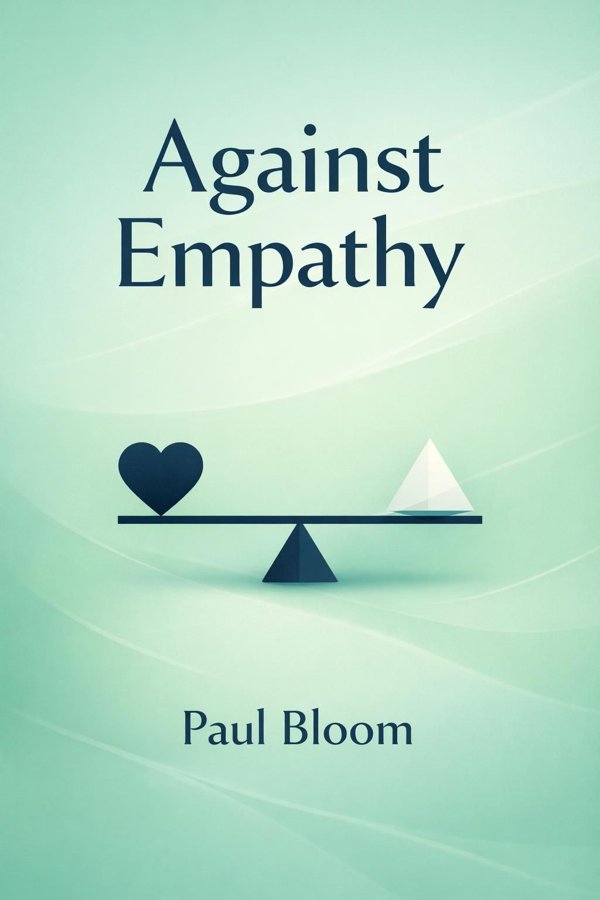
Against Empathy: The Case for Rational Compassion
In this provocative work, psychologist Paul Bloom argues that empathy—the act of feeling what others feel—can lead to biased and harmful decisions. He proposes that rational compassion, grounded in re...
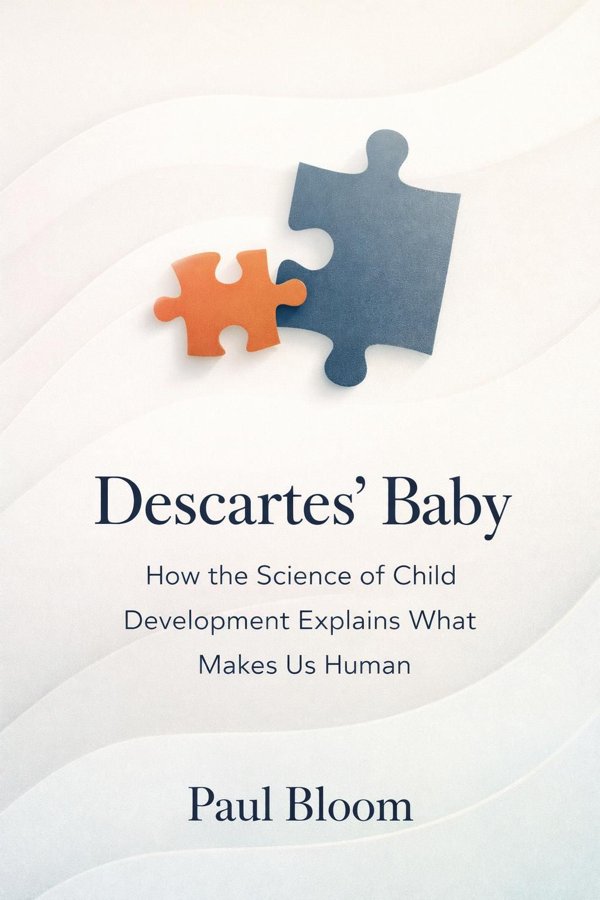
Descartes’ Baby: How the Science of Child Development Explains What Makes Us Human
In this book, Yale psychologist Paul Bloom explores how the human mind develops from infancy, arguing that our moral sense, empathy, and understanding of others are rooted in early cognitive structure...
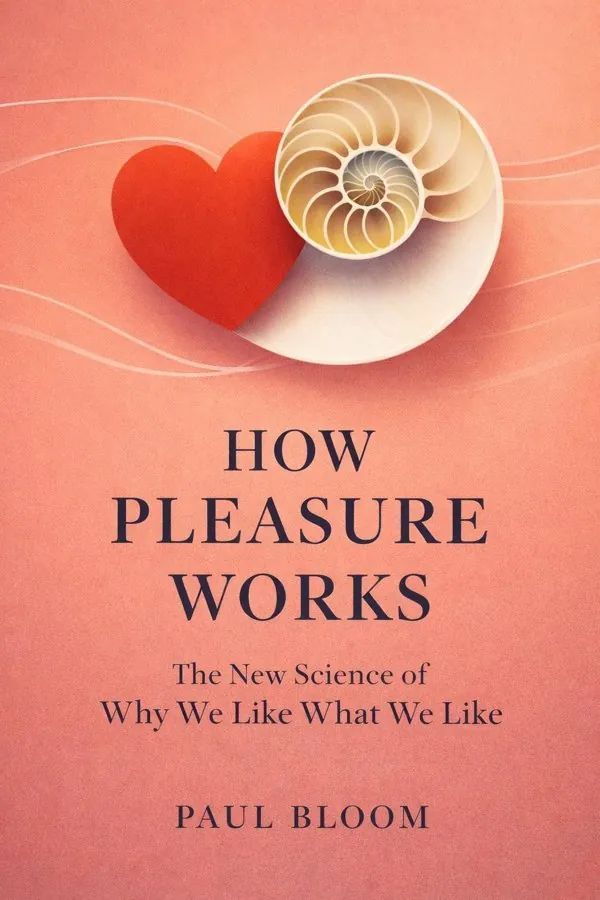
How Pleasure Works: The New Science of Why We Like What We Like
In this engaging exploration, Yale psychologist Paul Bloom examines the origins and nature of human pleasure. Drawing on research from psychology, neuroscience, philosophy, and behavioral economics, B...
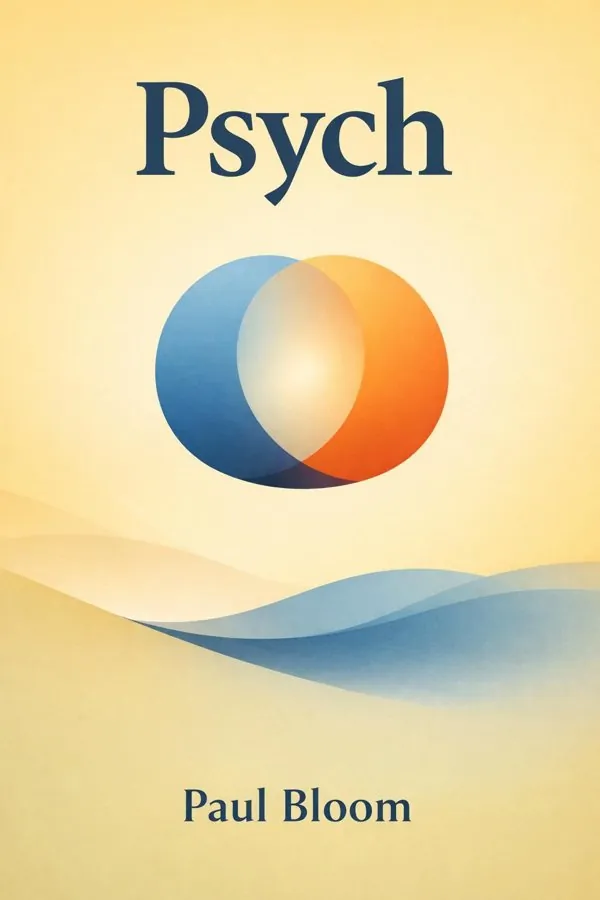
Psych
In Psych, Paul Bloom takes readers on a wide-ranging tour of the human mind, asking some of the biggest questions in science and philosophy: Why do we feel what we feel? What makes pleasure meaningful...
The Human Mind: How We Think, Feel, and Experience the World
In this book, Paul Bloom explores the nature of human consciousness, emotion, and thought. Drawing on psychology, neuroscience, and philosophy, he examines how the mind perceives reality, makes decisi...

The Sweet Spot: The Pleasures of Suffering and the Search for Meaning
In this thought-provoking work, psychologist Paul Bloom explores why people often seek discomfort, pain, and struggle as part of a meaningful life. Drawing on research in psychology, philosophy, and n...
Key Insights from Paul Bloom
Defining Empathy
When people talk about empathy, they often mean many different things. To advance a clear argument, I draw an important distinction between *emotional empathy* and *cognitive empathy.* Emotional empathy is the ability to feel another person’s emotions as your own—if you see someone in pain, you lite...
From Against Empathy: The Case for Rational Compassion
Empathy’s Biases
Empathy is selective—it fixates on faces, stories, and voices that touch us emotionally, not on abstract numbers or distant statistics. Consider how easily we feel moved by a photo of one suffering child, but how quickly our concern fades when we hear of thousands affected by famine or war. This is ...
From Against Empathy: The Case for Rational Compassion
Innate Knowledge
For centuries, philosophers have debated whether the mind starts as a blank slate—John Locke’s tabula rasa—or whether some knowledge is built in. Today, evidence from developmental psychology forces us to reconsider. From their first months, babies already grasp aspects of how the world works. They ...
From Descartes’ Baby: How the Science of Child Development Explains What Makes Us Human
Understanding the Physical World
Even before they can talk or crawl, babies grasp the rules of physical reality with remarkable sophistication. They understand object permanence—the notion that things exist even when unseen. They track motion, anticipate trajectory, and know that objects cannot pass through one another. These intui...
From Descartes’ Baby: How the Science of Child Development Explains What Makes Us Human
The Concept of Essentialism
At the core of my argument is psychological essentialism—the belief that every object, person, or experience contains an invisible essence that makes it unique. This idea is not confined to philosophers; it is an intuition shared by children and adults alike, across cultures. Essentialism makes us s...
From How Pleasure Works: The New Science of Why We Like What We Like
Pleasure and Belief
Human pleasure is never purely sensory—it is belief-driven. The taste of a wine, for instance, changes when we believe it is expensive, even if it is not. Neuroscientific studies confirm that our knowledge of a wine’s price alters the brain’s activity in regions associated with pleasure. In other wo...
From How Pleasure Works: The New Science of Why We Like What We Like
About Paul Bloom
Paul Bloom is a Canadian-American psychologist and professor known for his research on morality, pleasure, and the human mind. He has taught at Yale University and the University of Toronto and authored several acclaimed books on psychology and human behavior.


Frequently Asked Questions
Paul Bloom is a Canadian-American psychologist and professor known for his research on morality, pleasure, and the human mind. He has taught at Yale University and the University of Toronto and authored several acclaimed books on psychology and human behavior.
Read Paul Bloom's books in 15 minutes
Get AI-powered summaries with key insights from 6 books by Paul Bloom.