

Orhan Pamuk Books
Orhan Pamuk is a Turkish novelist, screenwriter, and academic, born in Istanbul in 1952. He won the Nobel Prize in Literature in 2006.
Known for: Silent House, Snow, The Black Book, The Museum of Innocence, The White Castle
Books by Orhan Pamuk
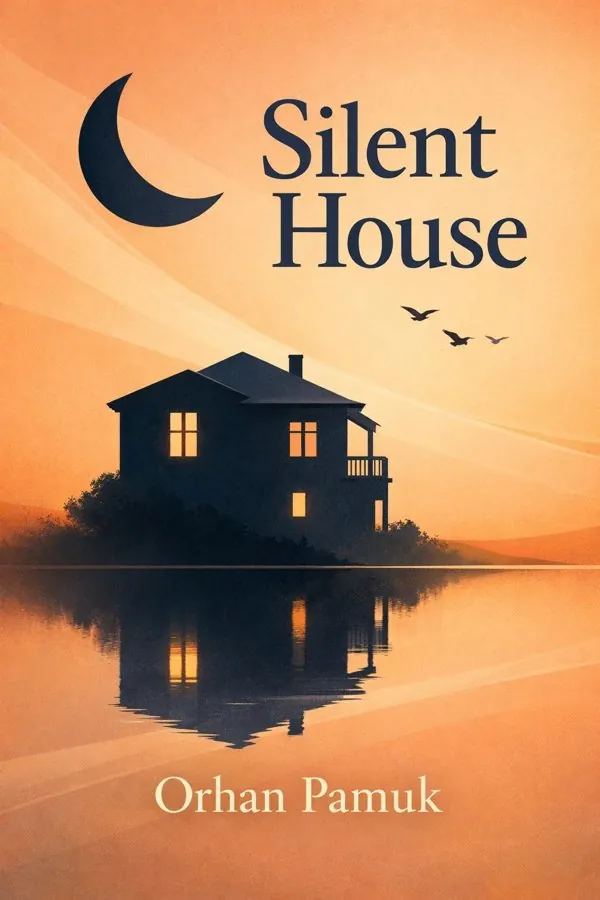
Silent House
Silent House is Orhan Pamuk’s haunting early masterpiece: a polyphonic novel set in a decaying seaside town near Istanbul during the tense days before Turkey’s 1980 military coup. What begins as a fam...
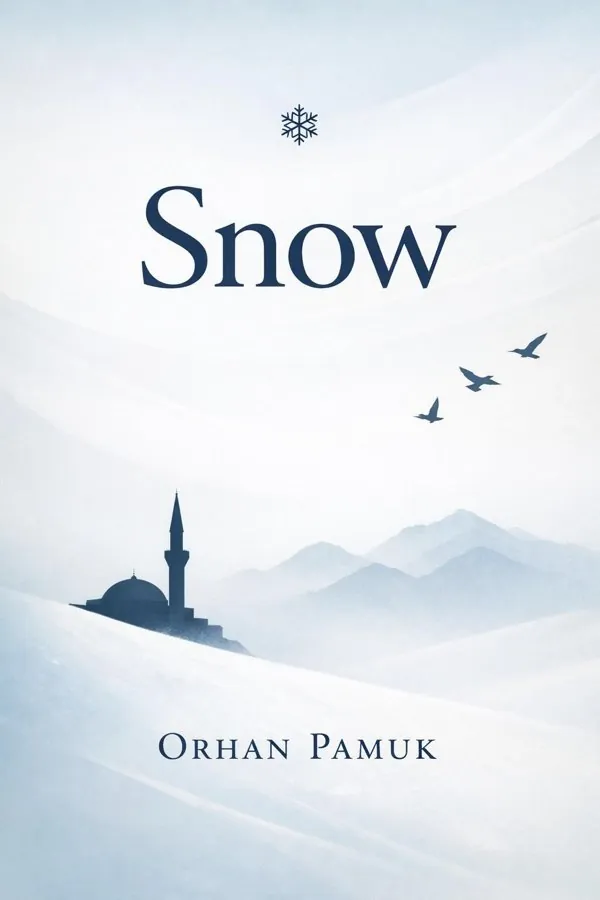
Snow
Orhan Pamuk’s Snow is a political novel, a love story, a philosophical inquiry, and a portrait of a divided nation all at once. It follows Ka, a poet returning to Turkey after years of exile in German...
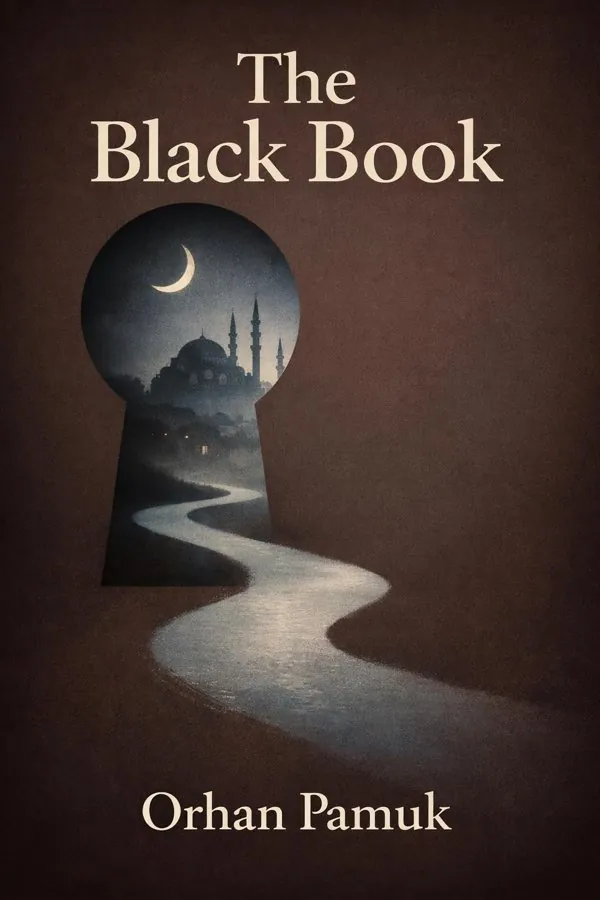
The Black Book
The Black Book is a novel by Nobel Prize–winning Turkish author Orhan Pamuk. First published in English by Farrar, Straus and Giroux in 1994, it follows Galip, an Istanbul lawyer searching for his mis...
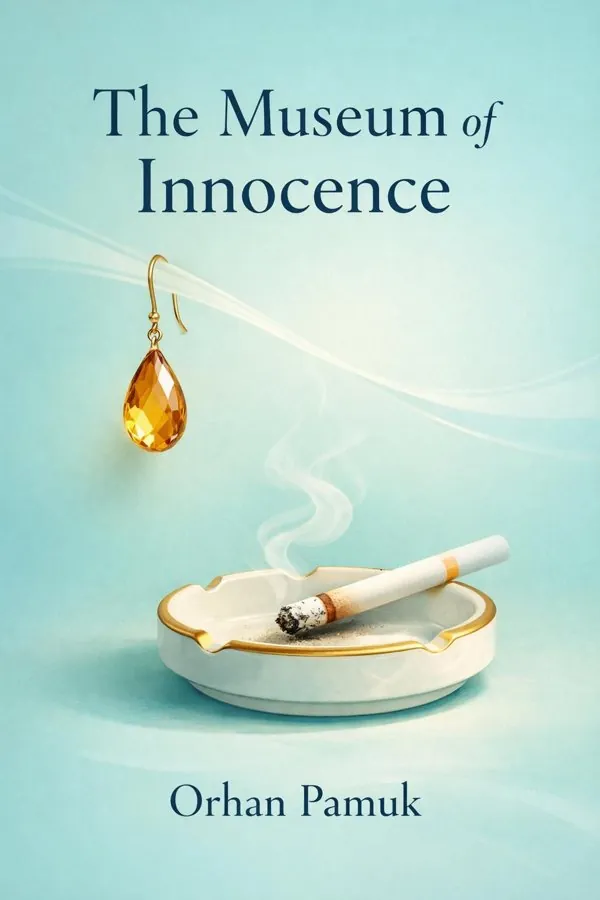
The Museum of Innocence
What if love did not fade with time, but hardened into ritual, memory, and collection? In The Museum of Innocence, Orhan Pamuk transforms a private obsession into a sweeping meditation on desire, clas...
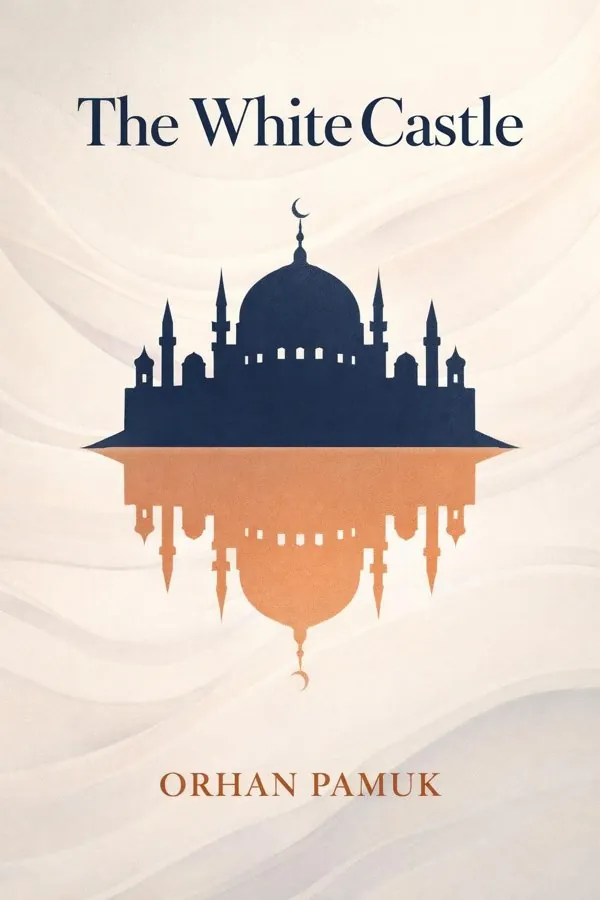
The White Castle
Set in seventeenth-century Istanbul, The White Castle begins as a tale of captivity and turns into something far stranger and more haunting: a philosophical duel between two men who look exactly alike...
Key Insights from Orhan Pamuk
Fatma and the House of Memory
A house can preserve time as stubbornly as any archive. In Silent House, Fatma is the emotional and symbolic center of the novel, and her crumbling seaside home becomes a vessel for memory, resentment, and unresolved history. Elderly, isolated, and increasingly trapped in her routines, Fatma lives n...
From Silent House
The Grandchildren and a Divided Turkey
Young people often carry a nation’s conflicts more visibly than its elders. In Silent House, Fatma’s three grandchildren—Faruk, Nilgün, and Metin—arrive from Istanbul with different temperaments, desires, and political instincts, and together they embody the competing futures of modern Turkey. Faruk...
From Silent House
Recep and Hasan in the Margins
The people pushed to the edge of a story often reveal its deepest truths. Silent House expands beyond family drama through two crucial figures outside the central household: Recep, the longtime servant and dwarf who has spent his life in loyal proximity to power, and Hasan, a restless young man draw...
From Silent House
Silence After the Storm
What remains after conflict is often more revealing than the conflict itself. In Silent House, Pamuk is deeply interested in aftermath—the emotional quiet that follows ideological fervor, family confrontation, and acts of violence. The title itself points not merely to a physical house but to a cond...
From Silent House
Polyphonic Voices and Unstable Truth
No single narrator can fully explain a fractured world. One of Silent House’s greatest formal achievements is its use of multiple first-person perspectives. Different characters narrate their own sections, allowing readers to move among contradictory memories, private justifications, and emotional b...
From Silent House
Class Aspiration, Shame, and Social Performance
Much of human behavior is driven less by need than by comparison. Silent House is acutely sensitive to class, especially to the shame and performance that accompany social aspiration. This theme is especially vivid in Metin, who feels trapped between his ordinary background and the sophisticated, we...
From Silent House
About Orhan Pamuk
Orhan Pamuk is a Turkish novelist, screenwriter, and academic, born in Istanbul in 1952. He won the Nobel Prize in Literature in 2006. His works often explore themes of identity, memory, and the intersection of Eastern and Western cultures. Among his best-known novels are My Name Is Red, The Museum ...
Read more
Orhan Pamuk is a Turkish novelist, screenwriter, and academic, born in Istanbul in 1952. He won the Nobel Prize in Literature in 2006. His works often explore themes of identity, memory, and the intersection of Eastern and Western cultures. Among his best-known novels are My Name Is Red, The Museum ...
Orhan Pamuk is a Turkish novelist, screenwriter, and academic, born in Istanbul in 1952. He won the Nobel Prize in Literature in 2006. His works often explore themes of identity, memory, and the intersection of Eastern and Western cultures. Among his best-known novels are My Name Is Red, The Museum of Innocence, and Snow.




Frequently Asked Questions
Orhan Pamuk is a Turkish novelist, screenwriter, and academic, born in Istanbul in 1952. He won the Nobel Prize in Literature in 2006.
Read Orhan Pamuk's books in 15 minutes
Get AI-powered summaries with key insights from 5 books by Orhan Pamuk.