

Lao She Books
Lao She (1899–1966), born Shu Qingchun in Beijing, was a renowned Chinese novelist and playwright. His works, including Rickshaw Boy, Teahouse, and Four Generations Under One Roof, are celebrated for their vivid depiction of Beijing life and deep social insight.
Known for: Rickshaw Boy, Under the Red Banner, Four Generations Under One Roof, Four Generations Under One Roof (Part III), Four Generations Under One Roof (Part One)
Books by Lao She
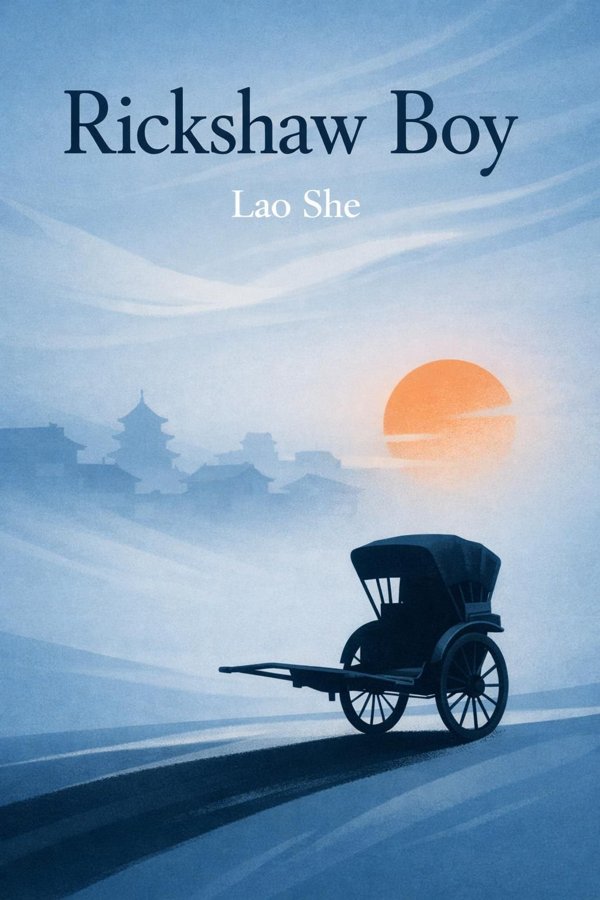
Rickshaw Boy
What happens when hard work is no longer enough to secure a decent life? Lao She’s Rickshaw Boy answers that question with unusual emotional force. First published in 1936, this landmark Chinese novel...
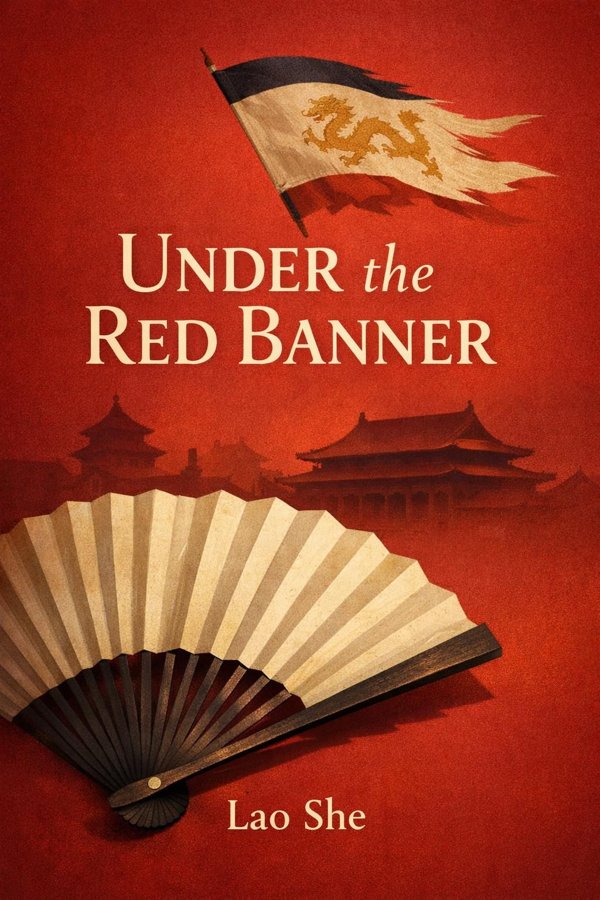
Under the Red Banner
Under the Red Banner is Lao She’s unfinished autobiographical novel, a vivid return to his childhood in late Qing Beijing under the shadow of imperial decline, social instability, and cultural change....
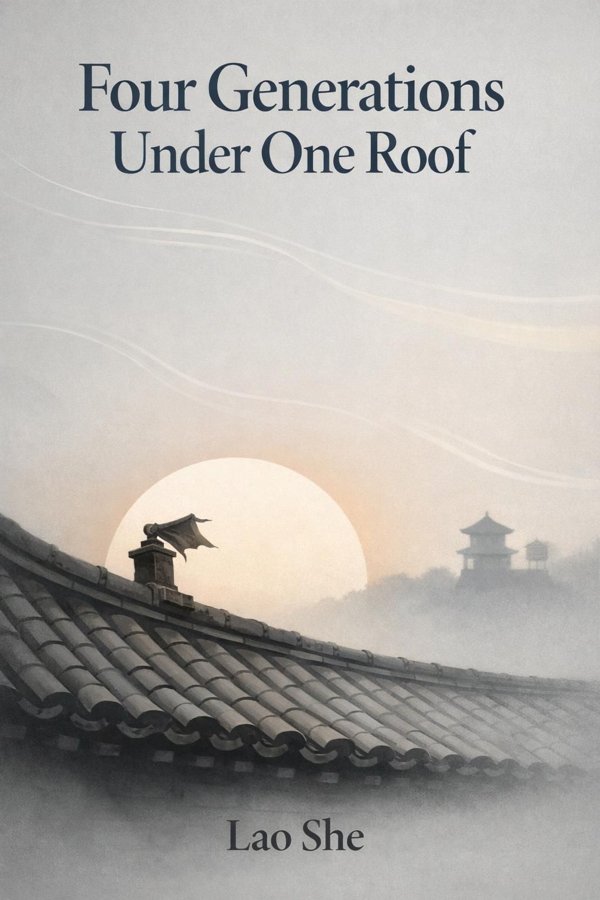
Four Generations Under One Roof
Four Generations Under One Roof is a classic novel by Lao She set in Beijing during the Japanese occupation in World War II. It portrays the lives of the Qi family, spanning four generations, as they ...
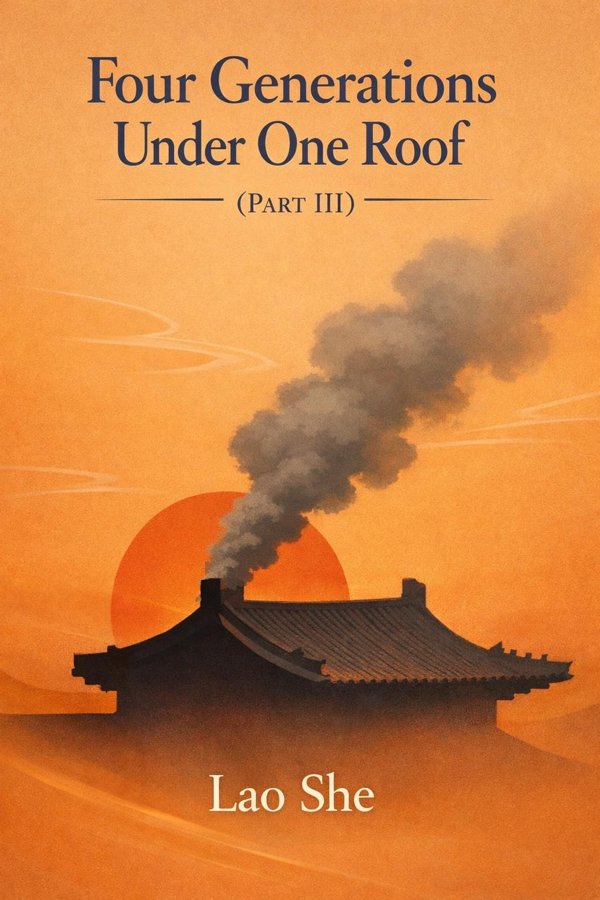
Four Generations Under One Roof (Part III)
Four Generations Under One Roof is a novel by Lao She set in Beijing during the Second Sino-Japanese War. It portrays the life and struggles of the Qi family living together through the occupation, re...
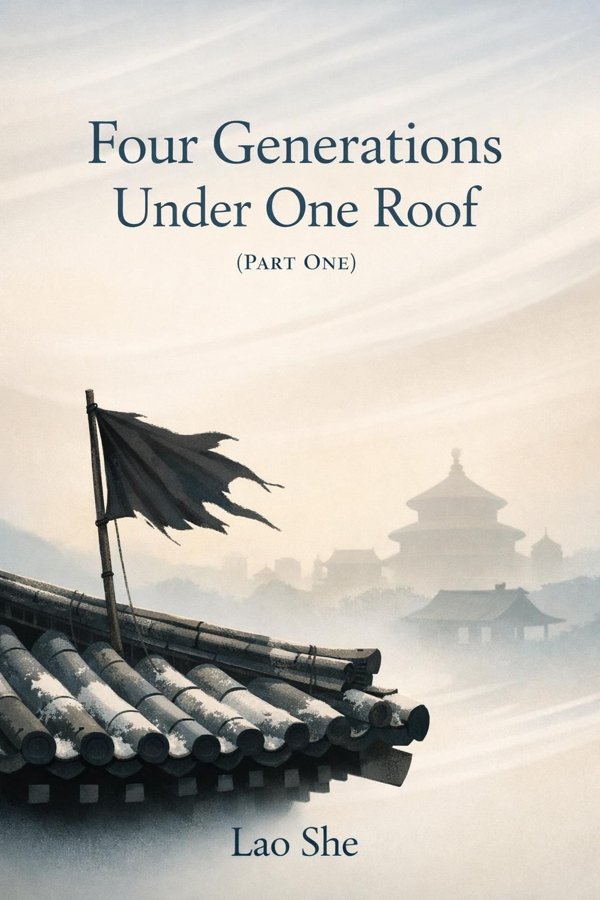
Four Generations Under One Roof (Part One)
Four Generations Under One Roof (Part One) is Lao She’s powerful portrait of a Beijing family caught in the first shock of the Japanese occupation during the Second World War. Rather than telling hist...
Key Insights from Lao She
Ambition Can Be Noble Yet Fragile
One of the most unsettling truths in Rickshaw Boy is that honest ambition does not guarantee progress. Xiangzi begins the novel with a simple dream: to own his own rickshaw. That dream is not grand or extravagant. He does not seek luxury, fame, or power. He wants control over his labor, freedom from...
From Rickshaw Boy
Poverty Erodes Character Through Pressure
Rickshaw Boy argues something uncomfortable but deeply human: poverty does not merely limit choices; it can slowly alter personality, values, and hope itself. Xiangzi does not begin as a broken man. He is energetic, disciplined, physically proud, and morally serious about work. But as hardship accum...
From Rickshaw Boy
Independence Without Security Is Precarious
At first glance, Xiangzi’s dream is a dream of independence. He wants his own rickshaw because ownership appears to promise freedom. If he controls his vehicle, he can keep more of what he earns, avoid dependency, and stand upright in the world. Yet Rickshaw Boy reveals a bitter paradox: independenc...
From Rickshaw Boy
Cities Reward Labor Unequally
A city often appears to be a place of possibility, but Rickshaw Boy shows that urban life can also intensify inequality with ruthless efficiency. Beijing in the novel is not simply a backdrop; it is a living structure that absorbs labor while offering little protection in return. Xiangzi’s body powe...
From Rickshaw Boy
Humiliation Can Break the Human Spirit
Physical hardship is only part of Xiangzi’s suffering. Equally destructive is humiliation. Rickshaw Boy understands that repeated loss of dignity can wound as deeply as hunger or exhaustion. Xiangzi is not merely poor; he is repeatedly placed in situations where his pride, agency, and sense of self ...
From Rickshaw Boy
Survival Can Distort Love And Intimacy
Rickshaw Boy is not only a novel about labor and class; it is also a novel about relationships shaped by necessity. The personal bonds in the book are tangled with power, dependence, desperation, and survival. This is especially clear in Xiangzi’s connection with Huniu, whose pursuit of him alters t...
From Rickshaw Boy
About Lao She
Lao She (1899–1966), born Shu Qingchun in Beijing, was a renowned Chinese novelist and playwright. His works, including Rickshaw Boy, Teahouse, and Four Generations Under One Roof, are celebrated for their vivid depiction of Beijing life and deep social insight. He is regarded as one of the most imp...
Read more
Lao She (1899–1966), born Shu Qingchun in Beijing, was a renowned Chinese novelist and playwright. His works, including Rickshaw Boy, Teahouse, and Four Generations Under One Roof, are celebrated for their vivid depiction of Beijing life and deep social insight. He is regarded as one of the most imp...
Lao She (1899–1966), born Shu Qingchun in Beijing, was a renowned Chinese novelist and playwright. His works, including Rickshaw Boy, Teahouse, and Four Generations Under One Roof, are celebrated for their vivid depiction of Beijing life and deep social insight. He is regarded as one of the most important figures in modern Chinese literature.




Frequently Asked Questions
Lao She (1899–1966), born Shu Qingchun in Beijing, was a renowned Chinese novelist and playwright. His works, including Rickshaw Boy, Teahouse, and Four Generations Under One Roof, are celebrated for their vivid depiction of Beijing life and deep social insight.
Read Lao She's books in 15 minutes
Get AI-powered summaries with key insights from 5 books by Lao She.