
Jeremy Rifkin Books
Jeremy Rifkin is an American economic and social theorist, writer, public speaker, political advisor, and activist. He is known for his influential works on the impact of scientific and technological changes on the economy, society, and the environment.
Known for: The Empathic Civilization: The Race to Global Consciousness in a World in Crisis, The End of Work: The Decline of the Global Labor Force and the Dawn of the Post-Market Era, The Third Industrial Revolution: How Lateral Power Is Transforming Energy, the Economy, and the World, The Zero Marginal Cost Society: The Internet of Things, the Collaborative Commons, and the Eclipse of Capitalism
Books by Jeremy Rifkin
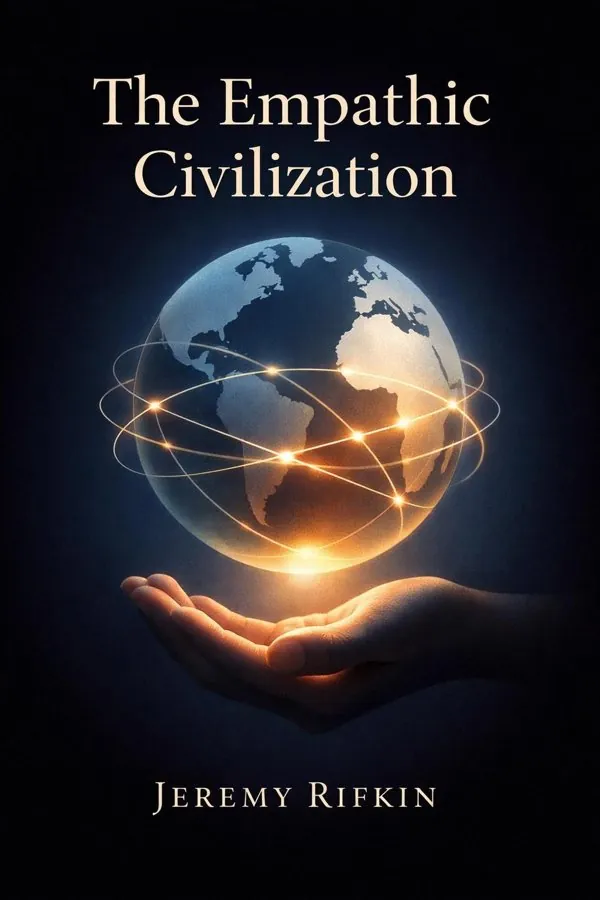
The Empathic Civilization: The Race to Global Consciousness in a World in Crisis
In this sweeping work, Jeremy Rifkin explores the evolution of empathy and its role in shaping human civilization. He traces the development of empathic awareness from early tribal societies through t...
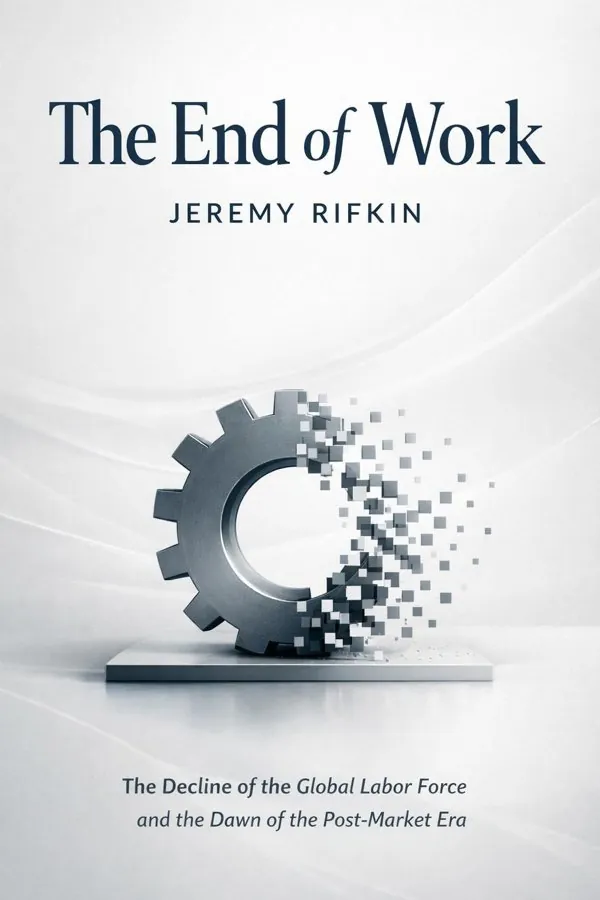
The End of Work: The Decline of the Global Labor Force and the Dawn of the Post-Market Era
In this influential work, Jeremy Rifkin explores how technological innovation and automation are transforming the global economy, leading to a decline in traditional employment. He argues that the wor...
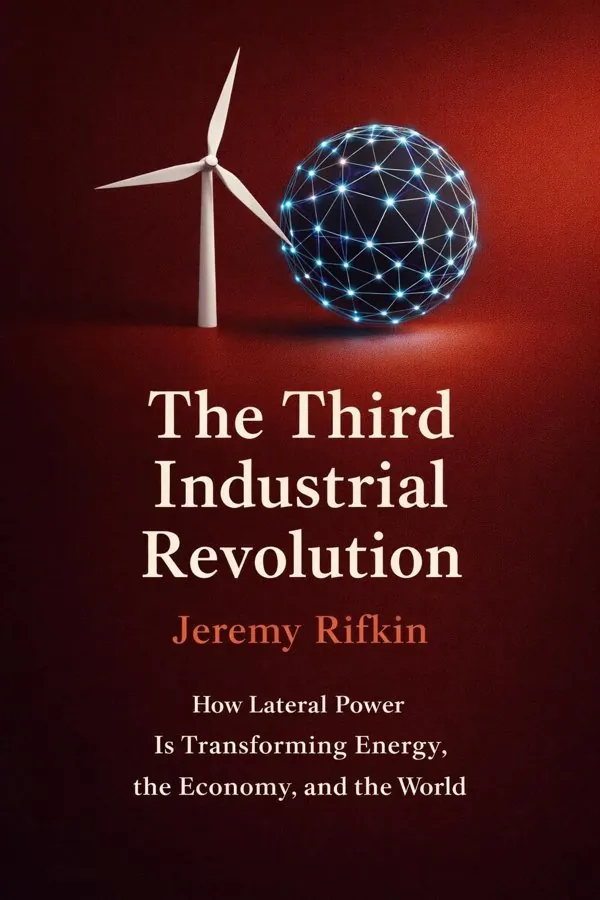
The Third Industrial Revolution: How Lateral Power Is Transforming Energy, the Economy, and the World
In this influential work, Jeremy Rifkin explores how the convergence of new communication technologies and renewable energy systems is ushering in a transformative economic era. He argues that the shi...
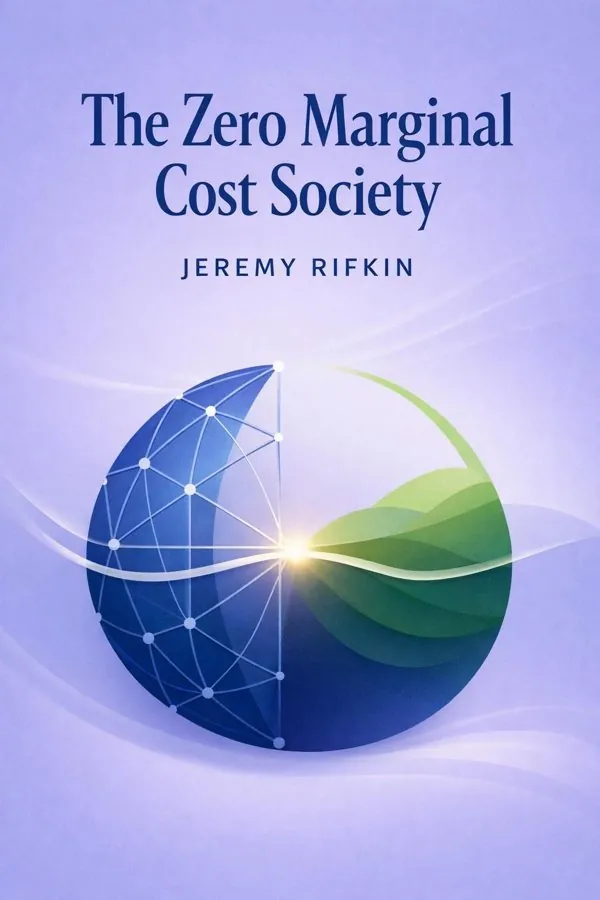
The Zero Marginal Cost Society: The Internet of Things, the Collaborative Commons, and the Eclipse of Capitalism
In this groundbreaking work, Jeremy Rifkin explores how the Internet of Things is ushering in an era of near-zero marginal costs, transforming capitalism into a new economic paradigm based on collabor...
Key Insights from Jeremy Rifkin
The Biological Roots of Empathy
Empathy begins not as an abstract moral ideal but as an evolutionary capacity encoded in our neural architecture. In the late twentieth century, neuroscience uncovered the existence of mirror neurons—cells that fire not only when we perform an action, but also when we observe someone else performing...
From The Empathic Civilization: The Race to Global Consciousness in a World in Crisis
Early Human Societies
When we turn our eyes to prehistory, we find empathy woven into the daily rhythms of hunter-gatherer life. In small, kin-based tribes, survival depended less on domination and more on coordination. Every meal shared, every child protected, every elder cared for reinforced the emotional bonds that he...
From The Empathic Civilization: The Race to Global Consciousness in a World in Crisis
Historical Context
To understand where we are headed, we must first look at where we have been. Human history has already witnessed two great industrial revolutions. The first, driven by steam power in the late eighteenth century, mechanized agriculture and manufacturing. Millions left the land for the factories, and ...
From The End of Work: The Decline of the Global Labor Force and the Dawn of the Post-Market Era
The Third Industrial Revolution
I refer to our current transformation as the Third Industrial Revolution — an epoch defined by the merger of digital, telecommunication, and biotechnology systems. This revolution is not confined to factories; it penetrates offices, hospitals, farms, and even our homes. Computers, networks, and inte...
From The End of Work: The Decline of the Global Labor Force and the Dawn of the Post-Market Era
Historical Context
To appreciate the third wave of transformation, we must first look backward. The First Industrial Revolution, beginning in 18th-century Britain, was fueled by coal and enabled by steam power. It linked with print and postal services to create the world’s first modern communication-energy infrastruct...
From The Third Industrial Revolution: How Lateral Power Is Transforming Energy, the Economy, and the World
The Five Pillars of the Third Industrial Revolution
Every revolution rests on a distinct infrastructure. For the Third Industrial Revolution, I define five interconnected pillars. First, we must transition to renewable energy sources—solar, wind, geothermal, biomass, and other clean technologies. These forms of energy reclaim our partnership with the...
From The Third Industrial Revolution: How Lateral Power Is Transforming Energy, the Economy, and the World
About Jeremy Rifkin
Jeremy Rifkin is an American economic and social theorist, writer, public speaker, political advisor, and activist. He is known for his influential works on the impact of scientific and technological changes on the economy, society, and the environment. Rifkin has authored numerous books on the futu...
Read more
Jeremy Rifkin is an American economic and social theorist, writer, public speaker, political advisor, and activist. He is known for his influential works on the impact of scientific and technological changes on the economy, society, and the environment. Rifkin has authored numerous books on the futu...
Jeremy Rifkin is an American economic and social theorist, writer, public speaker, political advisor, and activist. He is known for his influential works on the impact of scientific and technological changes on the economy, society, and the environment. Rifkin has authored numerous books on the future of energy, the economy, and human consciousness.


Frequently Asked Questions
Jeremy Rifkin is an American economic and social theorist, writer, public speaker, political advisor, and activist. He is known for his influential works on the impact of scientific and technological changes on the economy, society, and the environment.
Read Jeremy Rifkin's books in 15 minutes
Get AI-powered summaries with key insights from 4 books by Jeremy Rifkin.